

Four of the ten best things to do in Hong Kong cost nothing once you get there, two cost less than a bowl of wonton noodles, and only two are worth booking before you fly. Here is the list I would give a friend on a first visit, with what each one costs as of November 2026.
- Cross the harbour on the Star Ferry. HK$5 on the upper deck on weekdays, HK$6.50 at weekends, about ten minutes from Central to Tsim Sha Tsui.
- Ride the Peak Tram and walk Lugard Road. HK$116 return, HK$82 single; the walk with the famous view is free.
- Walk the Tsim Sha Tsui waterfront at dusk. Free, from the Clock Tower past the Avenue of Stars.
- Eat dim sum in the morning. Priced by the basket, plus a small tea charge per person.
- Walk Hollywood Road to Man Mo Temple. Free; the temple opens 08:00–18:00.
- Take Ngong Ping 360 up to the Big Buddha. HK$205 one way in a standard cabin; the Buddha itself is free.
- Go to Temple Street and the Mong Kok markets after dark. Free to walk, and every price is a starting offer.
- Hike the Dragon’s Back. The trail is free; the MTR to Shau Kei Wan is HK$9.20 from Central, then bus 9.
- Spend a day in West Kowloon. M+ costs HK$190 and the Palace Museum HK$70; M+’s lower floors and roof garden are free.
- Take a ferry to Cheung Chau or Lamma. HK$16.70 or HK$24.90 each way on a weekday.
The two to book are the Peak Tram and the cable car, and only if you are going at a weekend. Everything else is walk-up. If you want these arranged into days, the Hong Kong itinerary puts them into three to five, one side of the harbour at a time. For where to stay, anywhere near an MTR station in Tsim Sha Tsui, Jordan, Central or Wan Chai puts most of this list within half an hour.
Pay for all of it with an Octopus card or a contactless bank card: the MTR, trams, buses and the Star Ferry take both, and the green minibuses that reach Sai Kung and the Peak want an Octopus. The MTR reaches almost everything below except the islands.


In this article
Views and the harbour
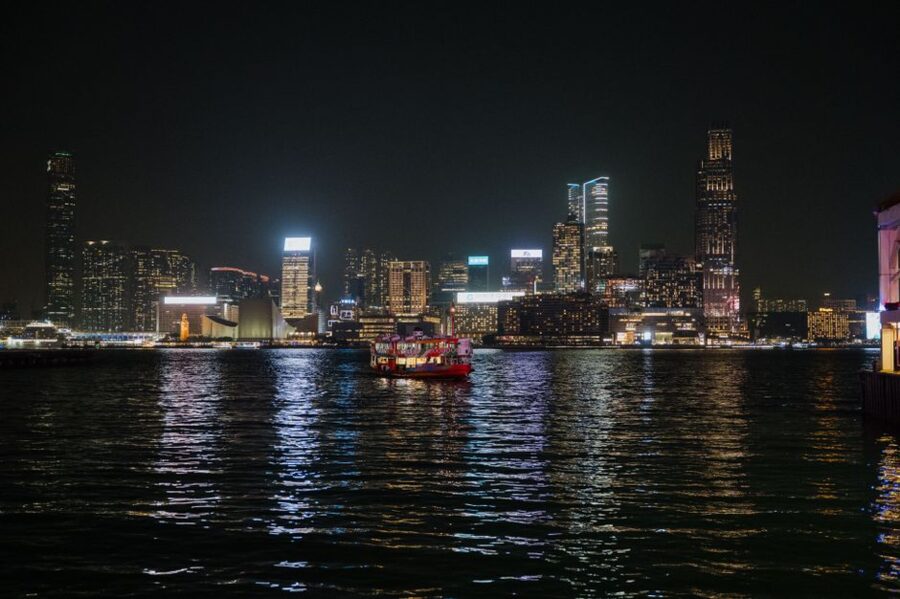
Hong Kong’s skyline is the reason most people come, and you see more of it from the water and the Kowloon shore than from any tower. Three of the top ten are here, and none of them takes more than an evening.
The Star Ferry
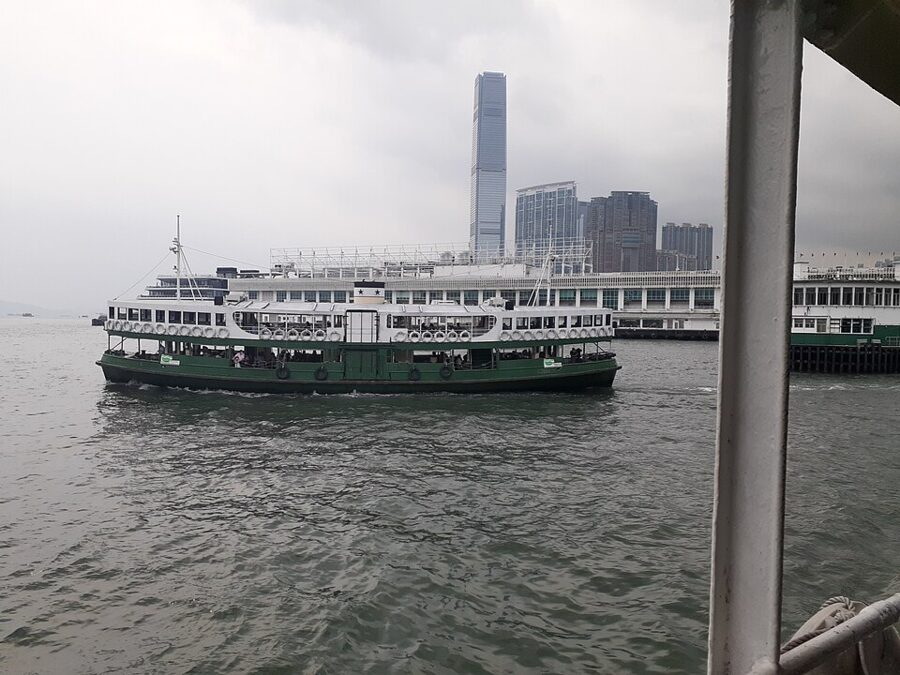
The Star Ferry (天星小輪) has crossed between Central and Tsim Sha Tsui since the 19th century, and its green-and-white boats are still the cheapest view in the city. An adult pays HK$5 on the upper deck from Monday to Friday and HK$6.50 at weekends and on public holidays; the lower deck is HK$4 and HK$5.60. Boats run from 06:30 to 23:30, every few minutes for most of the day.
Pay the extra dollar for the upper deck, where the view is wider and the engine noise is a floor away. Tap an Octopus at the gate; bank cards and QR codes work at the ticket machines, which print a paper ticket. The current fares and timetables are on the Star Ferry service page, along with the Wan Chai route, which costs the same.
The Tsim Sha Tsui waterfront and the Avenue of Stars
From the Star Ferry pier in Tsim Sha Tsui (尖沙咀), walk past the old Clock Tower and along the promenade east. The stretch beyond the Hong Kong Cultural Centre is the Avenue of Stars (星光大道), with handprints and statues of Hong Kong film people, Bruce Lee the one with the queue. It is free and never closes, and the hour around sunset is when to be there.
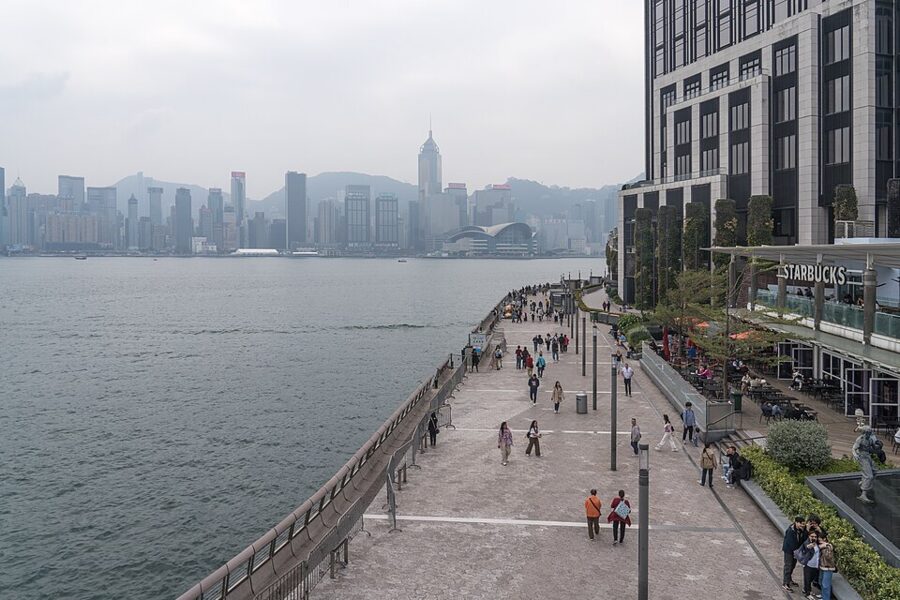

A Symphony of Lights, the nightly 20:00 light show, ended on 18 November 2026 after 22 years. Until 5 January 2027 the Cultural Centre, the Museum of Art and the Space Museum carry a WinterFest projection show every night from 19:00 to 23:00, watched from the Cultural Centre deck. A replacement harbour show has been promised but not dated, so check the Hong Kong Tourism Board’s events page before you plan an evening around one.
Victoria Peak
The Peak is the classic view down over Central and the harbour, and it has its own Victoria Peak guide. In short: the Peak Tram runs 07:30–23:00 from 33 Garden Road, HK$116 return or HK$82 single, booked on the operator’s own webstore. Skip the HK$80 Sky Terrace and walk 15 minutes along Lugard Road to the free railing, then come down on bus 15 or minibus 1 to miss the evening queue for the tram.
A harbour cruise
If the ferry crossing leaves you wanting a longer look, two operators sail tourist loops. The Star Ferry’s own harbour tour uses Shining Star, a 1920s-style ferry with an open deck, from the Tsim Sha Tsui pier: HK$230 for the 15:20 afternoon or 17:30 sunset sailing, HK$280 for the 19:45 night tour. Times and tickets are on its harbour tour page.
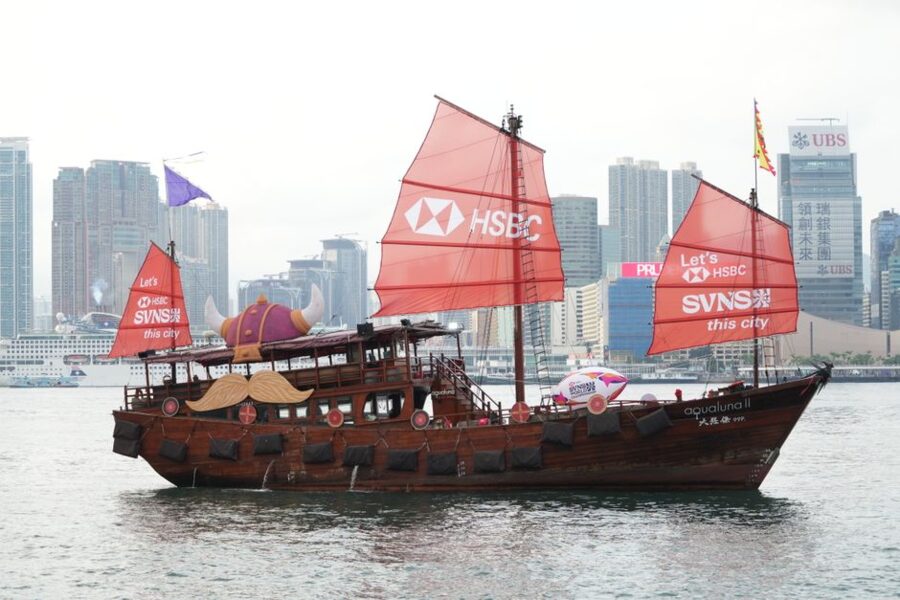
Aqua Luna is the red-sailed junk in every postcard, and it boards at Tsim Sha Tsui Pier 1 and Central Pier 9. Its daytime harbour cruise is HK$138 for an adult and the evening harbour cruise HK$280, with drinks included in the evening; book on the Aqua Luna site. For the view alone, the HK$5 ferry does most of the job, so I would spend this money only on the junk.
Neighbourhoods and markets
The best of Hong Kong is at street level, and four districts give you most of it. Central and Sheung Wan on the Island for old streets and temples, Mong Kok and Sham Shui Po in Kowloon for markets, Temple Street for the night, and Tai Hang for a quiet hour among cafés.
Central and Sheung Wan
Ride the Central-Mid-Levels Escalator (中環至半山自動扶梯) uphill from Queen’s Road Central; it runs downhill until 10:00 for commuters and uphill from 10:20 until midnight. Step off at Hollywood Road. Tai Kwun is beside you there, and PMQ, the old police married quarters on Aberdeen Street, is a few minutes west, full of small design shops.
Then walk west along Hollywood Road (荷李活道) past the antique and curio shops to Man Mo Temple, and downhill into Sheung Wan (上環). On Des Voeux Road West the shops sell dried scallops, abalone and fish maw from open sacks. It is ten minutes from the bank towers and looks fifty years older.
Mong Kok and Sham Shui Po
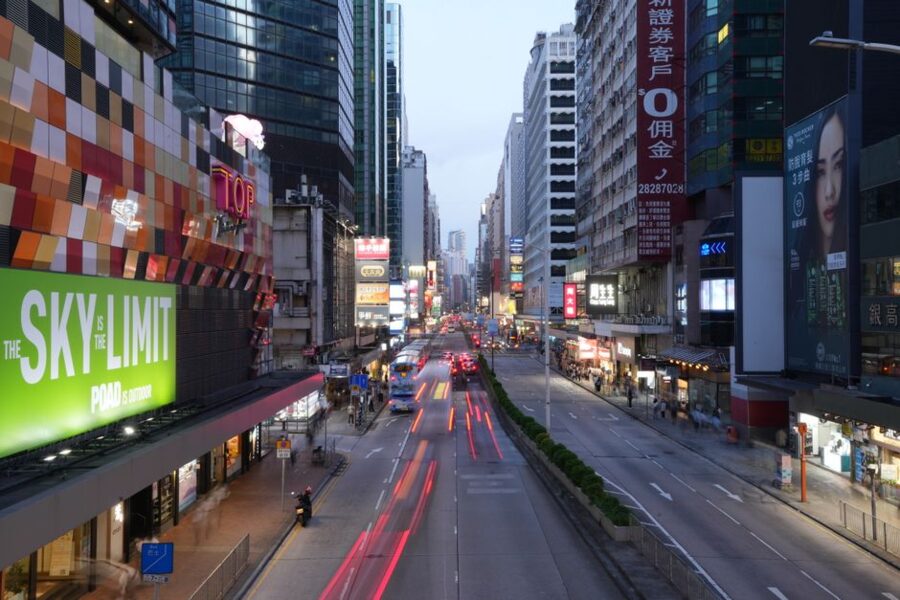
Mong Kok (旺角) is the densest shopping district in the city, and the Ladies’ Market on Tung Choi Street (通菜街) is its spine: about a kilometre of stalls selling clothes, phone cases, bags and cheap souvenirs. Nothing here is a bargain at the first price. The streets either side sell goldfish, sneakers and electronics, and the shopping districts guide has the full rundown.
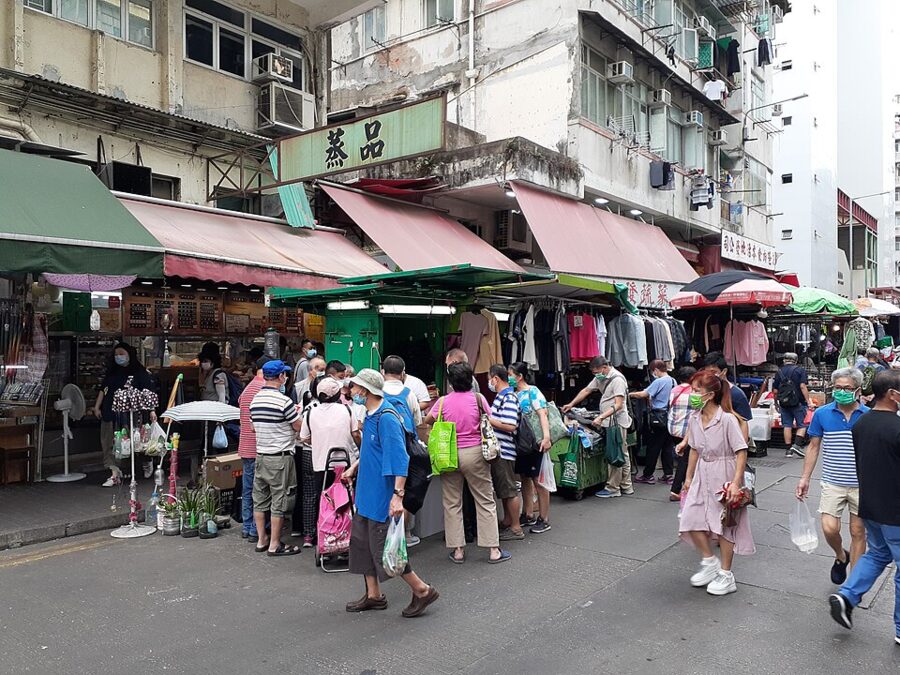
Two stops north, Sham Shui Po (深水埗) is the working version: fabric and button shops, second-hand gadgets on Apliu Street (鴨寮街), and cheap cafés. Come for breakfast and a walk rather than for anything in particular. A milk tea here costs a fraction of one in Central.

Temple Street night market
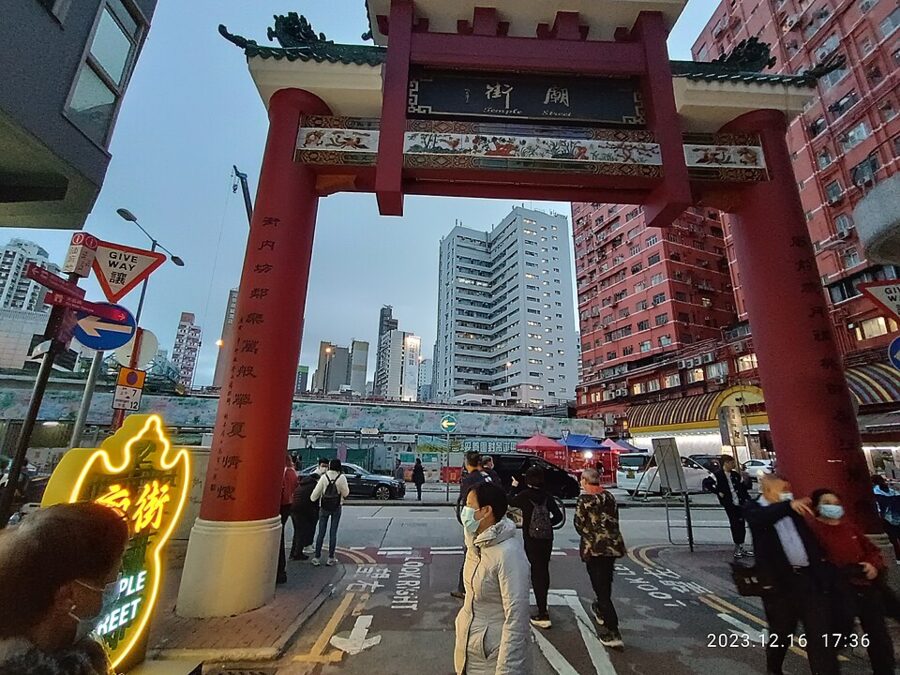
Temple Street (廟街) runs north from Jordan towards the Tin Hau temple in Yau Ma Tei that gave it its name. The stalls are up by dusk and the market is busiest after 19:00: clothes, gadgets, souvenirs, fortune tellers and, some nights, Cantonese opera on the pavement. Eat at the cooked food stalls at the north end or in the Woosung Street hawker bazaar rather than at the first table that waves you in.
Tai Hang
Tai Hang (大坑) is a few streets of low buildings tucked behind Causeway Bay, with small cafés, noodle shops and car repair garages side by side. Once a year it is the opposite of quiet: for three nights around the Mid-Autumn Festival a 67-metre dragon stuck with burning incense sticks is carried through the streets by some 300 performers. The Tai Hang Fire Dragon Dance is on the national list of intangible cultural heritage.
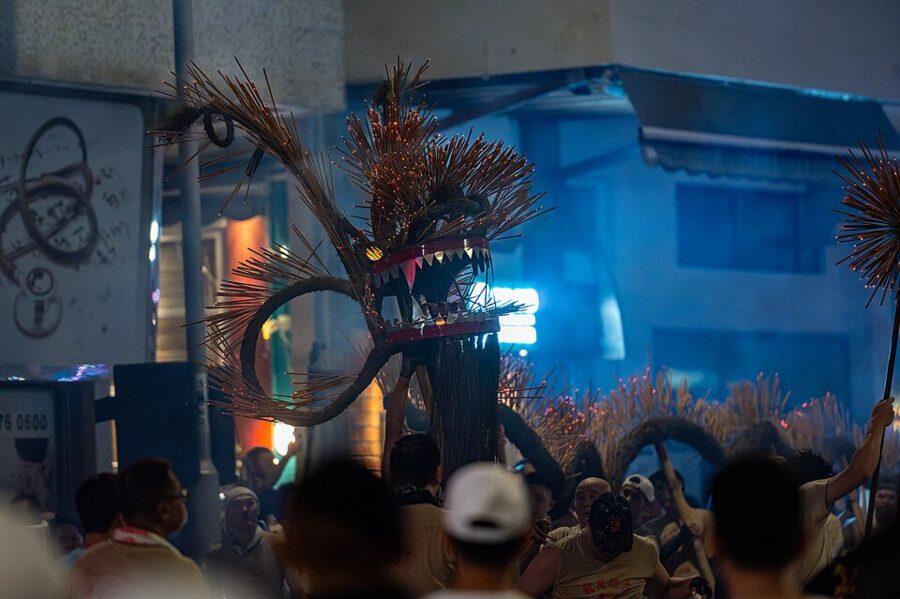

The rest of the year, the Tai Hang Fire Dragon Heritage Centre (大坑火龍文化館) at 12 School Street tells the story in a restored 1909 school building. It opens 10:00–18:00, closed on Mondays, and the ground-floor exhibition is free.
Temples
Hong Kong’s temples are working places, full of people asking for help with exams, marriages and money. All three below are free. Dress normally, keep the camera down near anyone praying, and do not step over the raised threshold of a hall on the way in.
Man Mo Temple
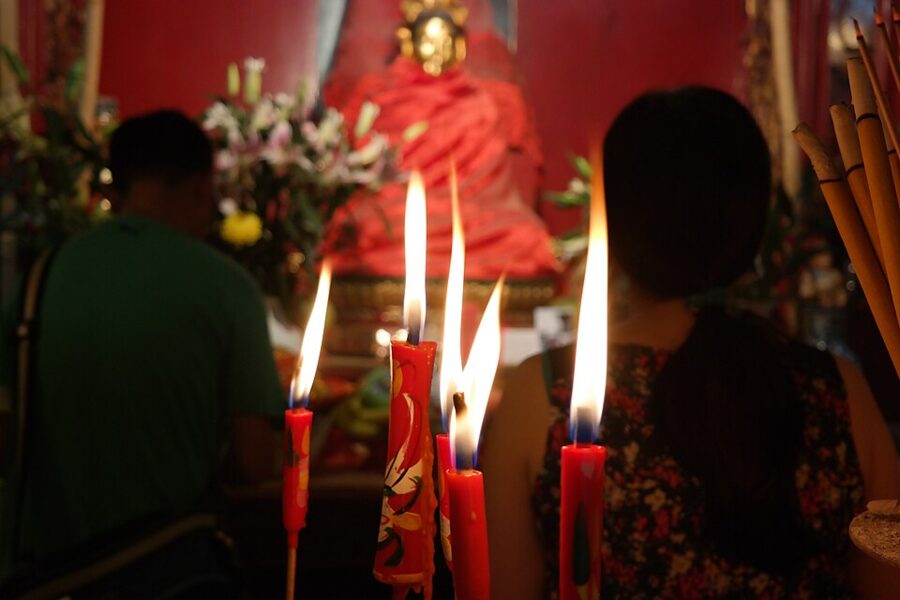
Man Mo Temple (文武廟) at 124–126 Hollywood Road was built in the 1840s for the gods of literature and war, and it is the temple on the Island I would choose if you only see one. Giant incense coils hang from the roof, each paid for by someone with a wish, and the smoke never clears. It is run by the Tung Wah Group of Hospitals and opens 08:00–18:00, from 07:00 on the 1st and 15th of each lunar month.
Wong Tai Sin Temple
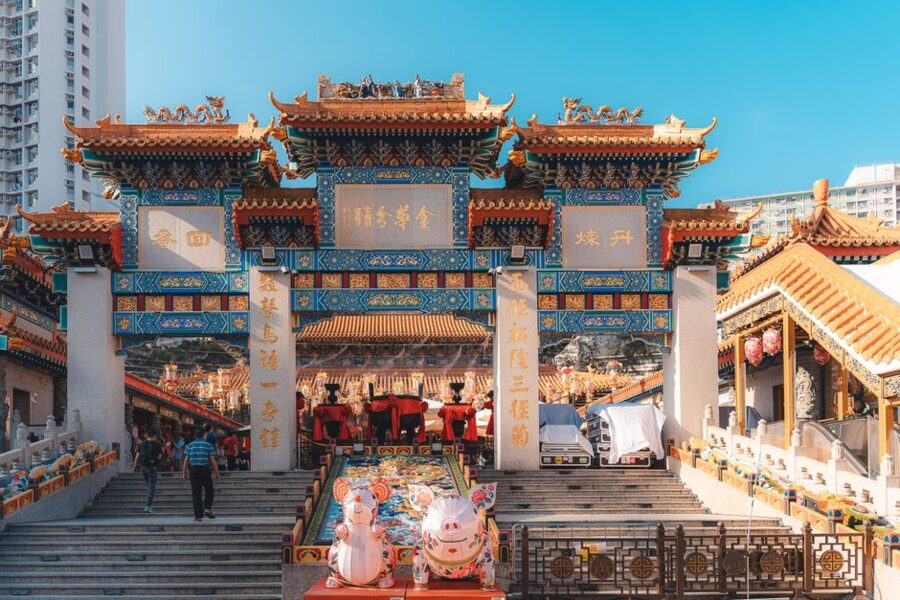
Sik Sik Yuen Wong Tai Sin Temple (嗇色園黃大仙祠) is the busiest temple in Kowloon, a short walk from Wong Tai Sin MTR station. It opens 07:30–16:30 every day and is free. Come early and you will see worshippers shaking bamboo fortune sticks until one drops, then taking it to a fortune teller in the arcade next door to be read. It is at its most crowded around Lunar New Year, when half of Kowloon comes to pray for the year ahead.
Chi Lin Nunnery and Nan Lian Garden
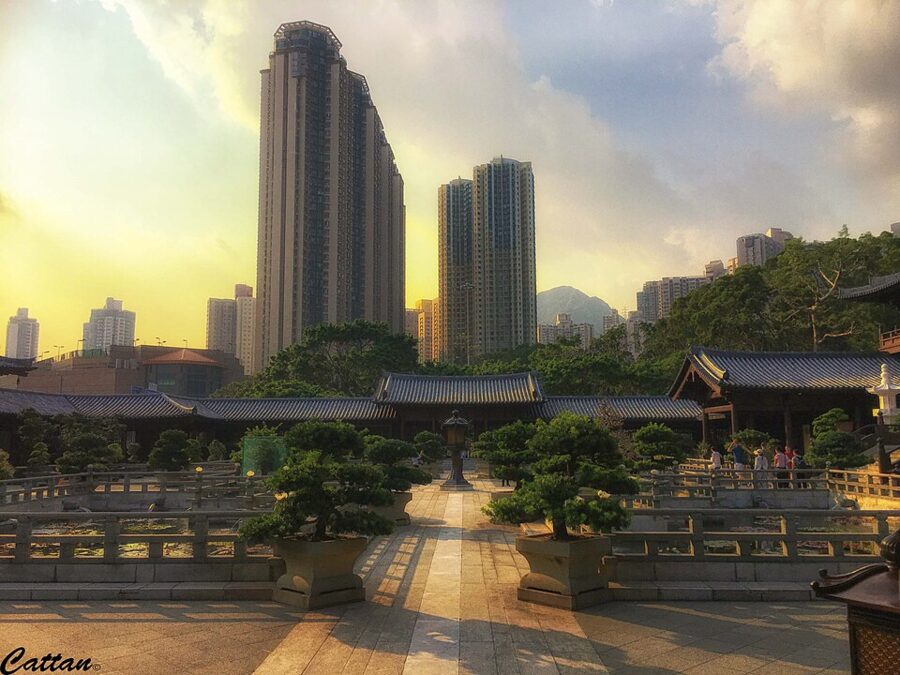
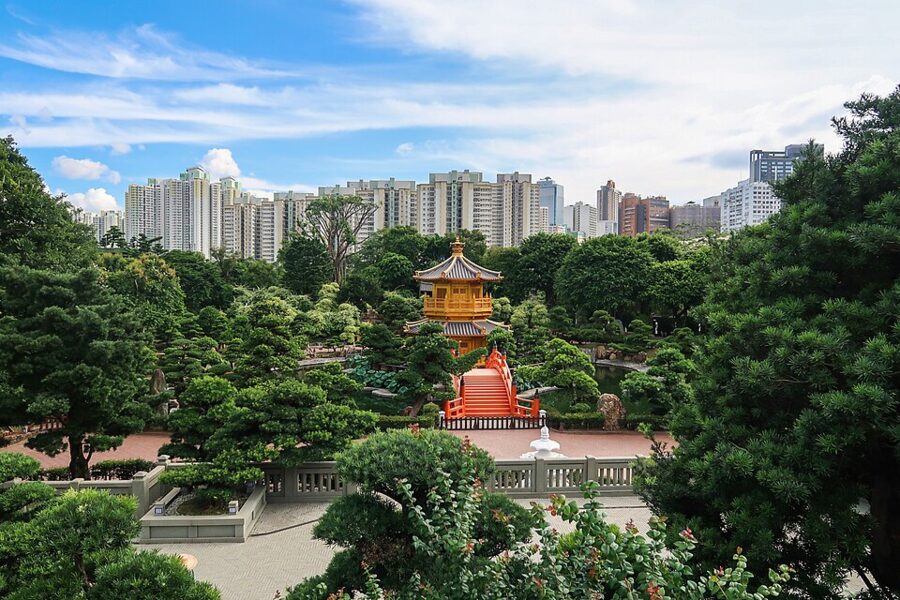
One stop on from Wong Tai Sin, at Diamond Hill, Chi Lin Nunnery (志蓮淨苑) is the calm counterweight: timber halls built in the Tang style without nails, lotus ponds and bonsai. The nunnery opens 09:00–16:30 and its Lotus Garden 07:00–19:00. Across the footbridge, Nan Lian Garden (南蓮園池) is a classical Chinese garden with a gold pavilion in a pond, open 07:00–21:00. Neither charges admission.


Museums and culture
Hong Kong’s museums are cheap or free, mostly air-conditioned, and the obvious answer to a wet afternoon. Check the closing day before you go, because they do not all close on the same one.
M+
M+ is the big museum of contemporary art and design on the West Kowloon waterfront, a long slab of a building with a screen for a facade. A standard ticket costs HK$190 (HK$100 concession), and it opens 10:00–18:00 from Tuesday to Sunday and until 22:00 on Fridays, closed on Mondays. Since July 2026 tickets are sold for a morning, afternoon or Friday-night session, so pick the slot you will actually make.
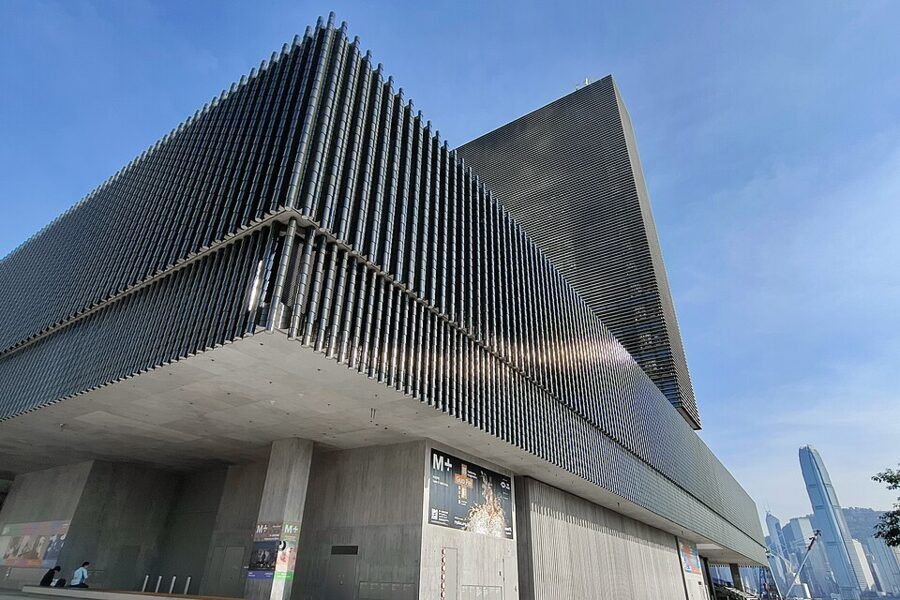

Leave Kowloon MTR station by Exit C1 or D1 and walk through the park. Tickets and session times are on the M+ ticket page.
The Hong Kong Palace Museum
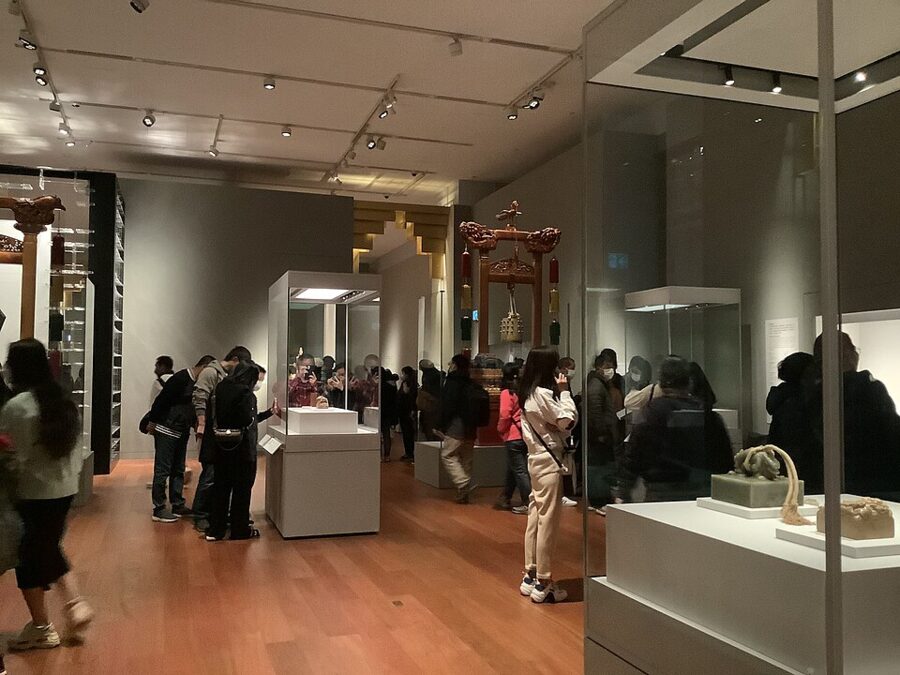
A few minutes along the same waterfront, the Hong Kong Palace Museum (香港故宮文化博物館) shows treasures lent by the Palace Museum in Beijing. General admission to Galleries 1 to 7 is HK$70 for an adult. From 11 December 2026 to 5 May 2027 a special exhibition on Buddhist art along the Silk Roads fills Gallery 8, at HK$150 for a ticket that covers everything.
It opens 10:00–18:00 on Mondays, Wednesdays, Thursdays and Sundays, and 10:00–20:00 on Fridays, Saturdays and public holidays. It closes on Tuesdays, so on a Monday go to the Palace Museum and on a Tuesday go to M+. Book on the Palace Museum ticket page.

Tai Kwun
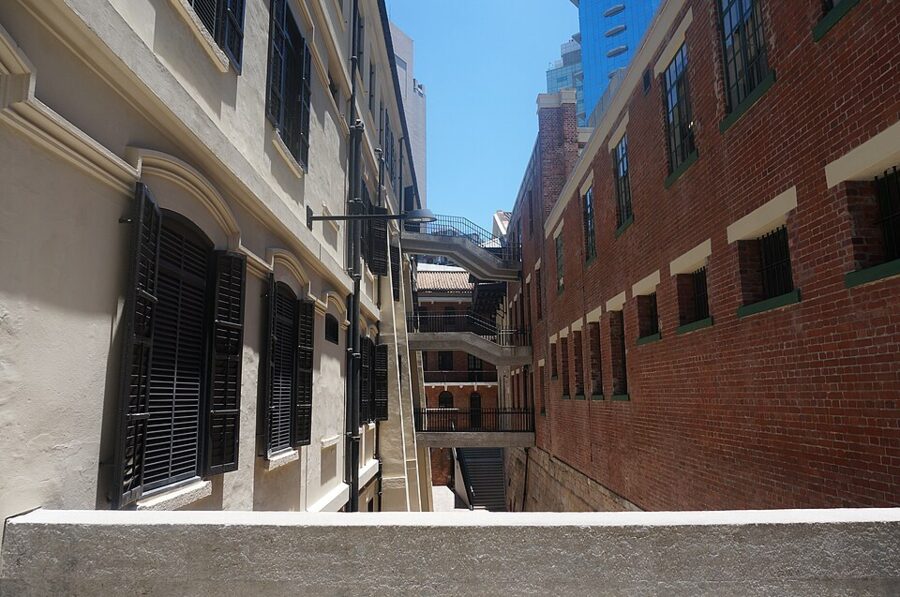
Tai Kwun (大館) is the old Central Police Station, magistracy and Victoria Prison, restored and opened as a heritage and arts centre beside the Mid-Levels Escalator. The compound is free to walk into from 08:00 to 23:00; the galleries and the heritage rooms keep shorter daytime hours. Sit in the Parade Ground with a coffee, look into the old cells, and see what is on at JC Contemporary, the gallery block.

The Hong Kong Heritage Museum and the free museums
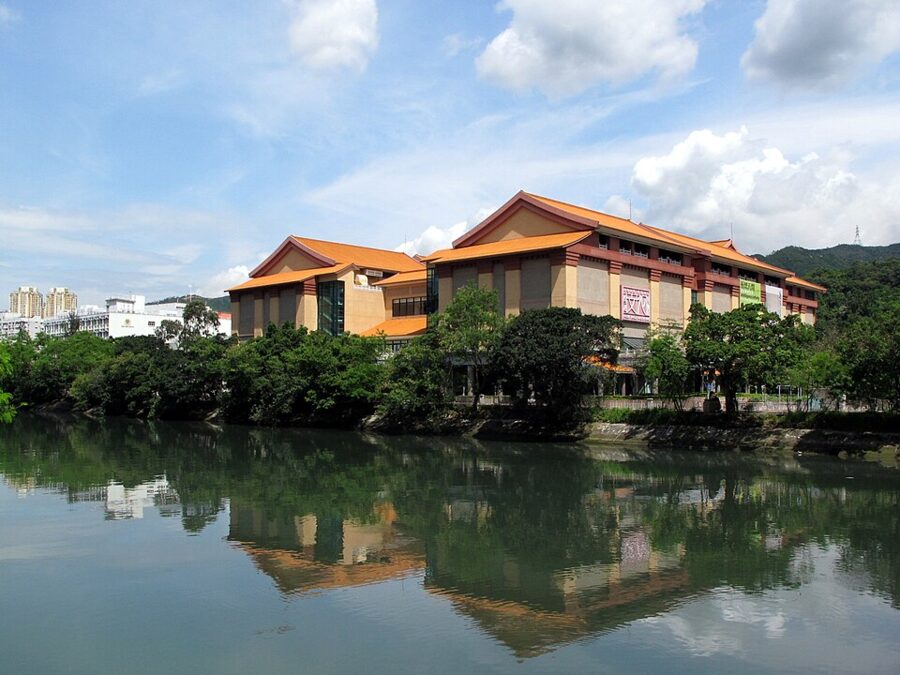
The Hong Kong Heritage Museum (香港文化博物館) in Sha Tin is the one most visitors miss, and it is free. It covers Cantonese opera, New Territories history and Hong Kong pop culture; a free exhibition for what would have been Leslie Cheung’s 70th birthday runs until 10 May 2027. It opens 10:00–18:00 on Mondays and Wednesdays to Fridays and 10:00–19:00 at weekends, and is a six-minute walk from Exit A of Che Kung Temple MTR station.

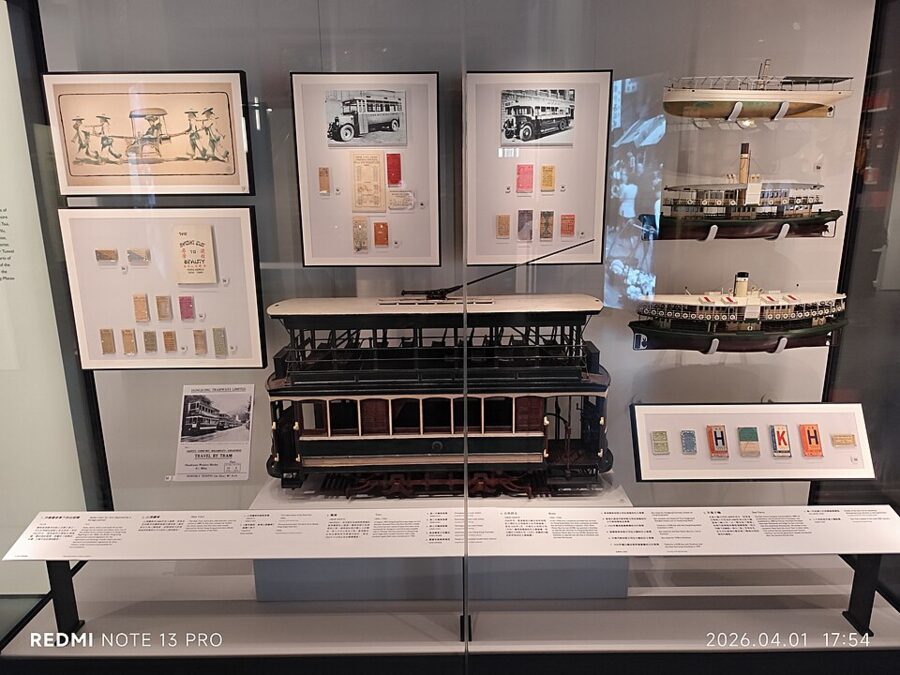
Three more cost little or nothing. The Hong Kong Museum of Art on the Tsim Sha Tsui waterfront is free except for special exhibitions, open until 21:00 at weekends and closed on Thursdays. The Hong Kong Museum of History reopened its “Hong Kong Story” galleries in April 2026, free. The Space Museum next to the Museum of Art charges HK$10 for its exhibition halls, free on Wednesdays, and closes on Tuesdays.
Outdoors and islands
Three-quarters of Hong Kong is not city at all, and a hike or an island day is the part of a trip people remember. The best time for any of it is October to December, when the air is dry and the trails are cool enough to walk at midday.
The Dragon’s Back
The Dragon’s Back (龍脊) is a ridge walk over Shek O Peak on the east of Hong Kong Island, and the best short hike for anyone new to Hong Kong walking. The Tourism Board puts it at about 8 kilometres and four hours to Big Wave Bay. Take the MTR to Shau Kei Wan, Exit A2, then bus 9 towards Shek O to the To Tei Wan stop, where the path starts beside the road.
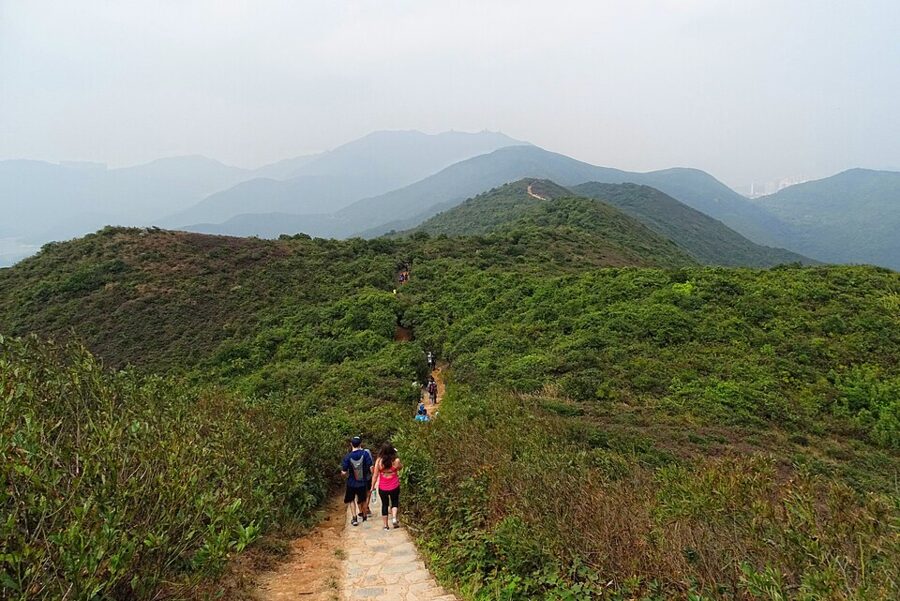

The climb is mostly in the first half hour. The path ends at Big Wave Bay (大浪灣), a surf beach with a couple of drinks stalls, and bus 9 goes back to Shau Kei Wan from Big Wave Bay Road.
Lantau and the Big Buddha
The Tian Tan Buddha (天壇大佛) at Ngong Ping is the bronze giant on the hill above the airport, reached by 268 steps from Ngong Ping Village. Ngong Ping 360, the cable car from Tung Chung, costs HK$205 single or HK$295 return in a standard cabin and takes about 25 minutes. It opens 10:00 on weekdays and 09:00 at weekends, and it closes for maintenance for days at a time, so check its notices the night before.
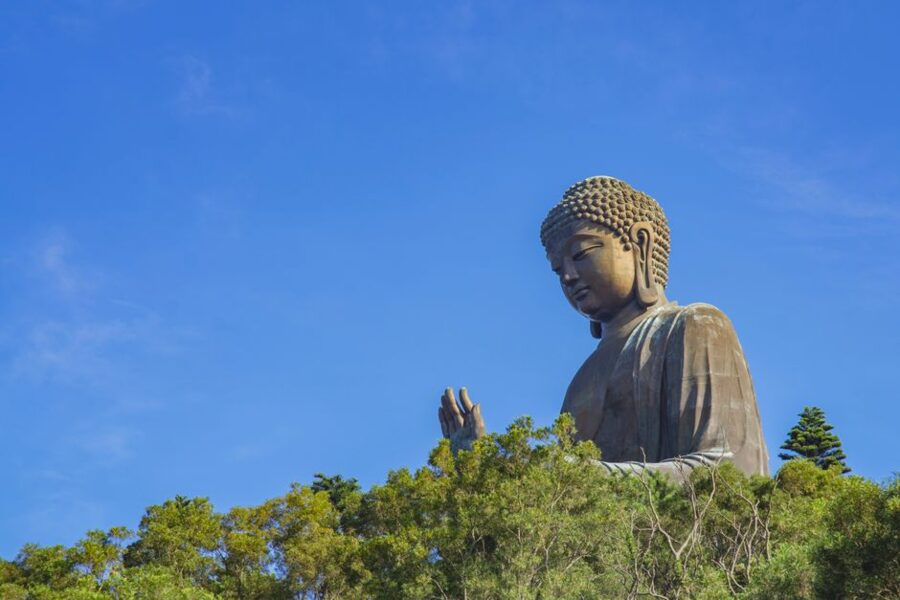
Go up by cable car and come down by bus through Tai O (大澳), the stilt-house fishing village on the west coast: bus 21 from Ngong Ping, then bus 11 to Tung Chung. The Lantau Island guide covers the whole day, Po Lin Monastery’s vegetarian lunch included.
Lamma and Cheung Chau
Both islands are car-free, both have seafood on the waterfront, and both are an hour or less from the Central Ferry Piers. Lamma (南丫島) is for walking: Pier 4 to Yung Shue Wan (榕樹灣), HK$24.90 from Monday to Saturday and HK$34.70 on Sundays and public holidays, then a two-hour concrete path over the hill past Hung Shing Yeh beach to Sok Kwu Wan and a ferry back from there.
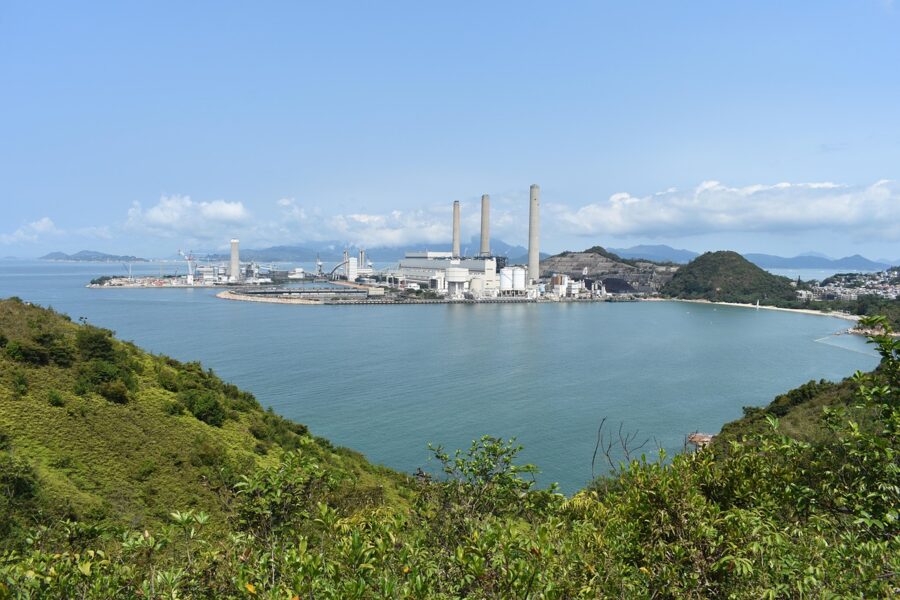
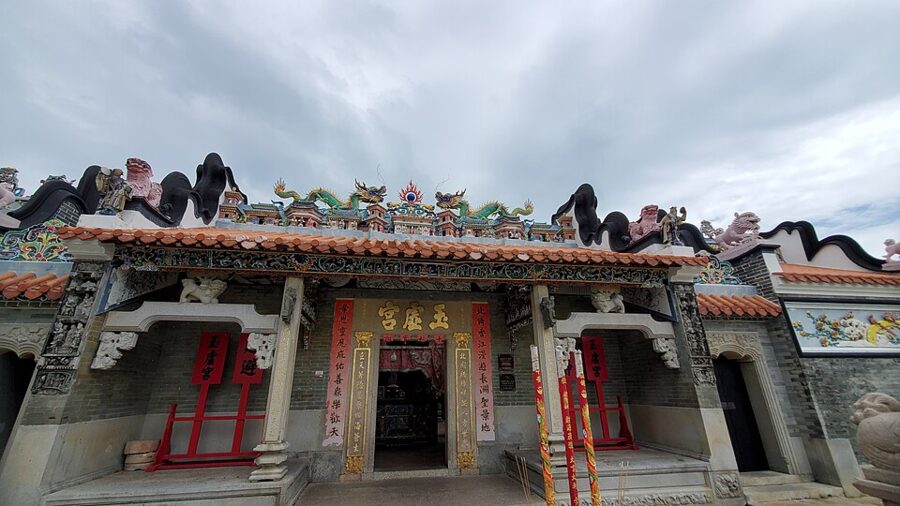
Cheung Chau (長洲) is livelier: a harbour packed with fishing boats, the Pak Tai Temple, beaches on the east side and bicycles instead of cars. The ordinary ferry from Pier 5 is HK$16.70 from Monday to Saturday and takes about an hour; the fast ferry is HK$32.90 and 35 to 40 minutes. Go on a weekday, and avoid the bun festival on the eighth day of the fourth lunar month unless you want the crowds.

Sai Kung
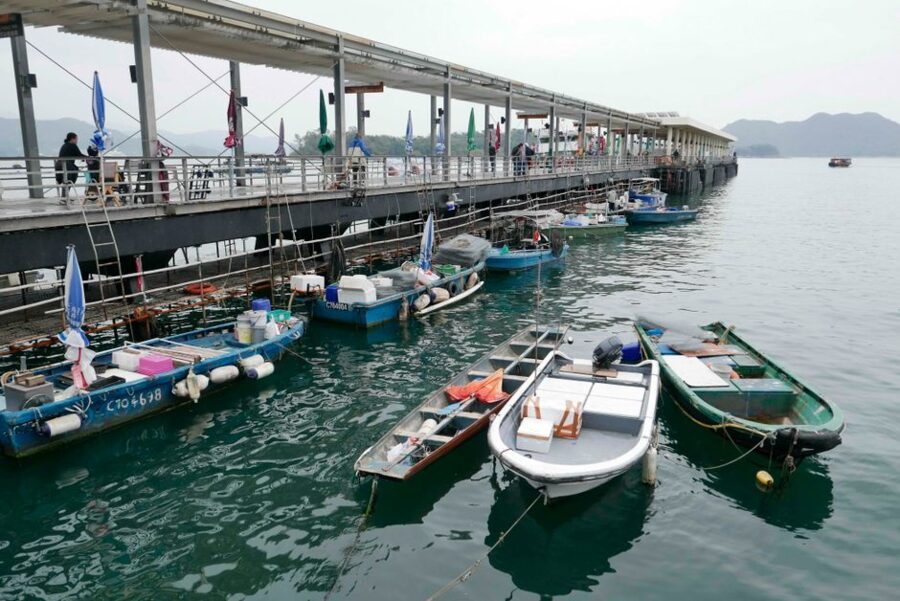
Sai Kung (西貢) is the east-coast town where Hong Kong goes for boats and seafood. Take the MTR to Choi Hung and green minibus 1A to Sai Kung Pier, where small boats tout trips to Sharp Island and the islands of the geopark. Back on the waterfront, the seafood restaurants keep their catch in tanks; agree the price per catty before anything is cooked.
Theme parks
Ocean Park is the one with a sense of place: a cable car over the headland at Aberdeen with the South China Sea below, roller coasters, an aquarium and giant pandas. A day ticket is HK$538 for an adult and HK$269 for a child aged 3 to 11, and it has its own station on the MTR South Island line. Book on the Ocean Park ticket page, which also lists the Water World combination.
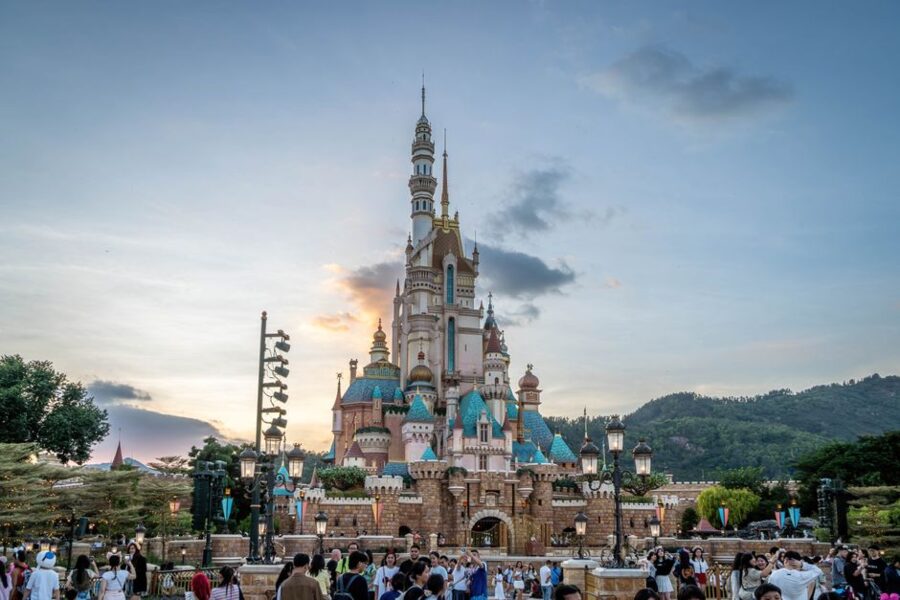
Hong Kong Disneyland is the smaller, easier park, good with young children, on Lantau by the Disneyland Resort line from Sunny Bay. Tickets are dated and priced by demand: a one-day adult ticket started at HK$669 on the quietest days in November 2026 and costs more at weekends and holidays. Check the tier calendar on the Disneyland ticket page before you choose a day; if you only have time for one park, I would pick Ocean Park.
Food experiences
Eating is a thing to do in its own right here, and the four below are what Hong Kong does that nowhere else does quite the same way. None of them needs a booking or much money.
Dim sum
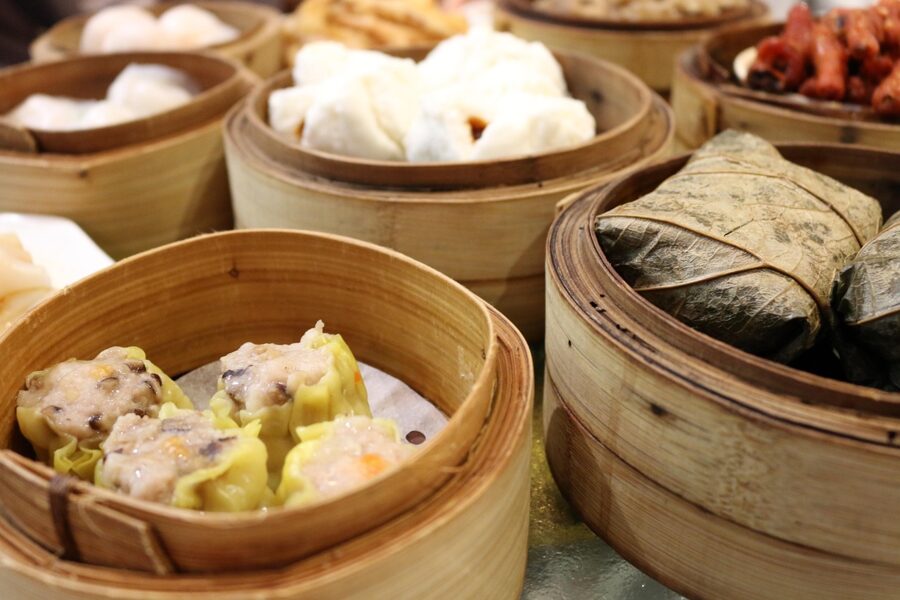
Dim sum is a morning-to-lunch meal, and the old-style rooms fill with office workers from about 12:30, so go early. Tick your order on the paper sheet, keep the tea pot topped up by leaving the lid ajar, and start with har gow (shrimp dumplings), siu mai and char siu bao. The dim sum guide has the dishes and the rooms worth the queue.
Dai pai dong and cha chaan teng
A dai pai dong (大牌檔) is a licensed open-air food stall in a green steel shell with folding tables on the pavement. Very few are left, and the cluster on Stanley Street in Central, near the escalator, is the easiest to reach. Order noodles, a pork chop bun and milk tea, and share a table if you are pointed to one.
A cha chaan teng (茶餐廳) is the Hong Kong café: milk tea strained through a cloth, scrambled egg sandwiches, macaroni in soup and pineapple buns with a slab of cold butter. The set breakfast includes a drink and costs less than a coffee in Central. Sham Shui Po and Mong Kok are full of them.
Egg tarts
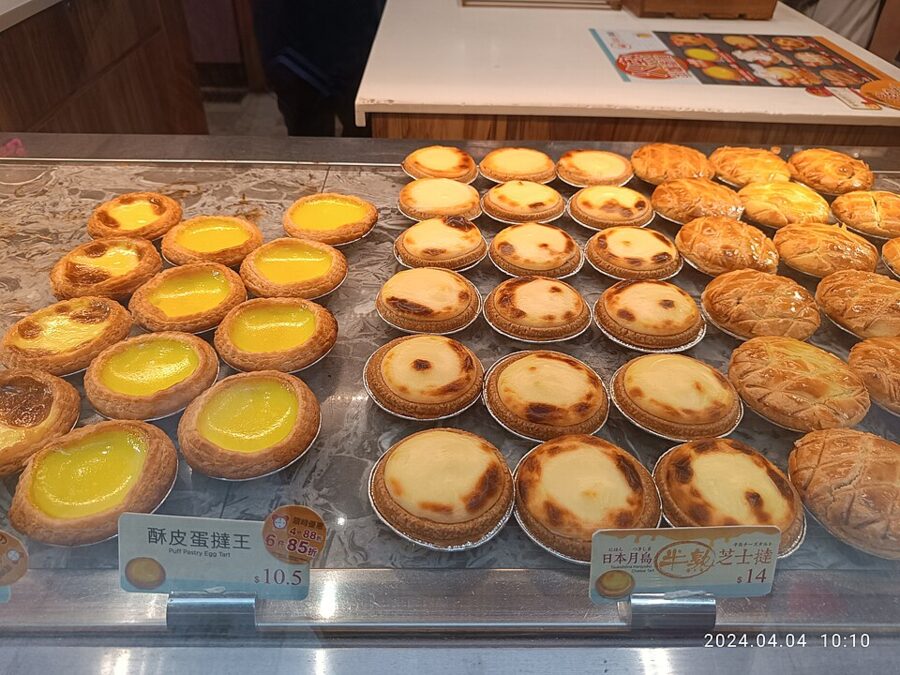
The Hong Kong egg tart has a smooth yellow custard and either a shortcrust or a flaky shell, and it is best bought warm from the tray at a bakery in the morning. It is not the burnt-topped Portuguese tart of Macau, though you can have both in a day. Buy them by the piece and eat them on the pavement; they do not travel.
Nights out
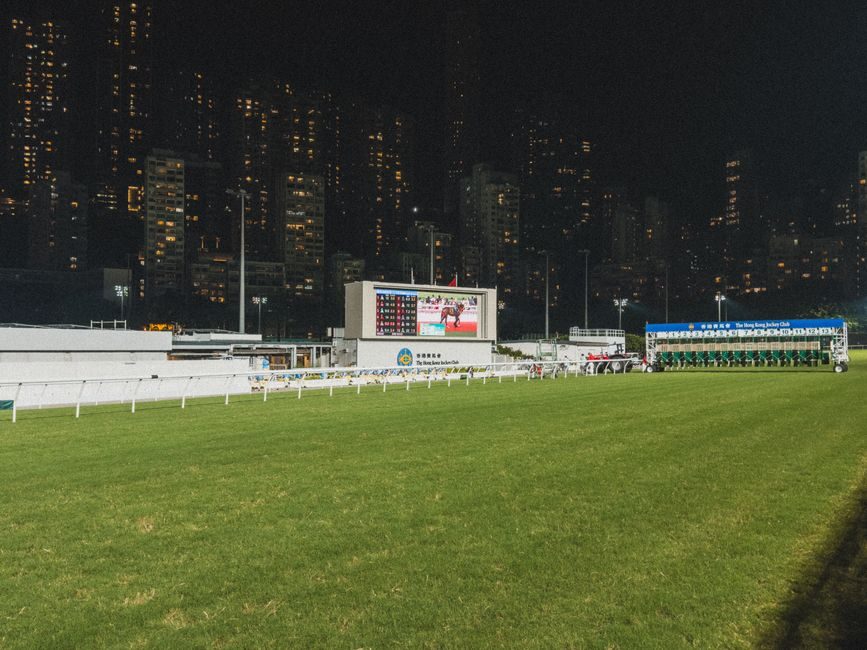
Wednesday night belongs to Happy Valley Racecourse, where horse racing runs on most Wednesdays from September to July under the floodlights, ringed by apartment towers. Entry to the public enclosure is HK$10 by Octopus at the gate, and visitors aged 18 or over get in free by showing their passport or travel document. The gates open two hours before the first race; take the tram to Happy Valley and check the race dates on the Jockey Club’s Happy Wednesday page.
For bars, Lan Kwai Fong and SoHo in Central are the crowded, expensive end, packed from Thursday to Saturday. Wan Chai is rougher and later. For something cheaper, buy a beer at a convenience store and take it to the Tsim Sha Tsui waterfront, which has the better view anyway.
The night markets are the other answer, and the lights are the third. After Temple Street, the WinterFest projection show runs until 5 January 2027, and the Island’s towers stay lit until late every night of the year.
Day trips to Macau and Shenzhen
Macau is an hour away by ferry or bus over the bridge, with Portuguese churches, egg tarts and casinos, and pays in MOP but takes Hong Kong dollars almost everywhere. Shenzhen is across the land border by MTR or high-speed train, cheaper for food, massages and shopping. Both are separate immigration crossings, so take your passport and check the visa requirements for it before you set off.
Free things to do in Hong Kong
A good day in Hong Kong can cost no more than the fares. These are free, and most of them are on the top-ten list.
- The Lugard Road loop at the Peak, and the Tsim Sha Tsui waterfront and Avenue of Stars.
- Man Mo, Wong Tai Sin and Chi Lin temples, and Nan Lian Garden.
- Tai Kwun’s courtyards, the M+ roof garden and Grand Stair, and PMQ.
- The Heritage Museum, the Museum of Art and the Museum of History; the Space Museum on Wednesdays.
- Hong Kong Park, open 06:00–23:00, with the walk-through Edward Youde Aviary from 09:00.
- The Dragon’s Back and every other country park trail.
- Temple Street, the Ladies’ Market and Apliu Street, if you can keep your wallet shut.
Things to do with children
Ocean Park is the first choice with children of any age, and Disneyland for the under-tens. The Science Museum in Tsim Sha Tsui East costs HK$20 for an adult, is free for under-fours and free for everyone on Wednesdays, and is closed on Thursdays; the Space Museum’s halls are HK$10 and its planetarium shows extra. Both are small enough to do in a morning.
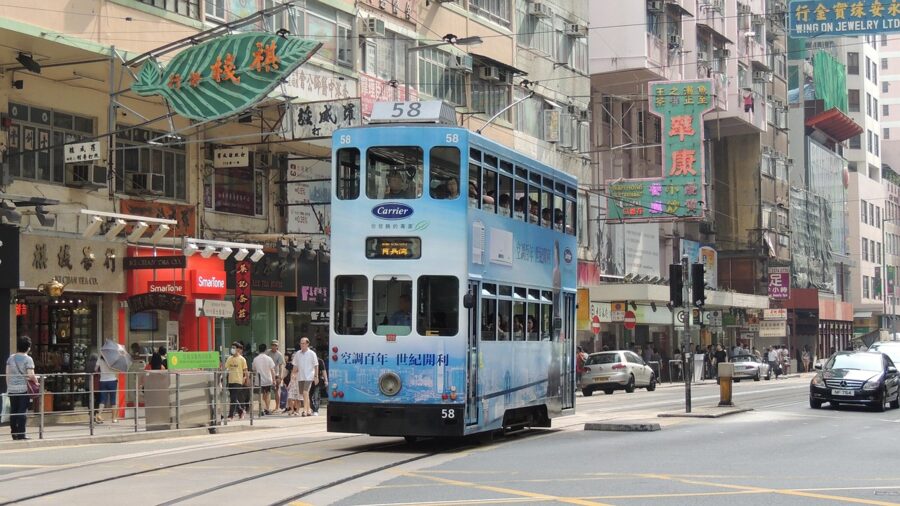
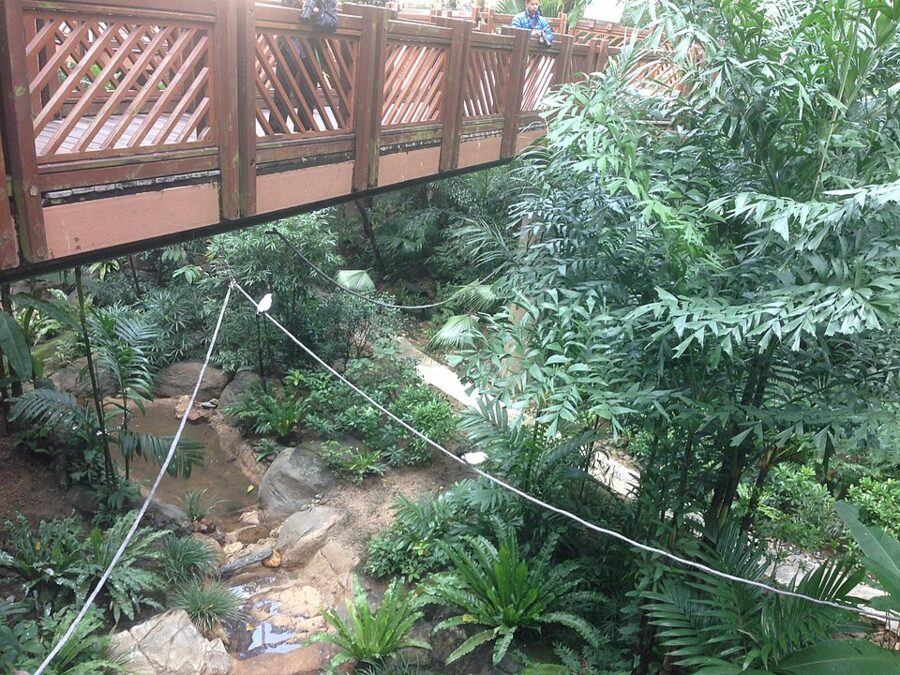
The free options work as well. Ride the tram upstairs and the Star Ferry on the upper deck, walk through the aviary in Hong Kong Park, and climb the 268 steps to the Big Buddha. The Peak Tram is a hit with any child who likes the feeling of tipping backwards.

Rainy-day picks
Most of the year’s rain falls between May and September, and a typhoon signal can shut museums, ferries and the cable car for a day. When the weather turns, go indoors on the MTR.
- West Kowloon: M+ and the Palace Museum side by side, M+ until 22:00 on Fridays and the Palace Museum until 20:00 on Fridays and Saturdays.
- Tsim Sha Tsui: the Museum of Art, the Space Museum and the Science Museum, all within a few minutes’ walk.
- Sha Tin: the Heritage Museum, free and rarely crowded.
- Central: Tai Kwun’s galleries and PMQ’s shops, with dim sum in between.
If the forecast for your Lantau or hiking day is bad, swap it for one of these, and keep the Peak for the first clear evening. Tonight, book the Peak Tram slot, put an Octopus in your pocket, and plan to be on the upper deck of a Star Ferry at dusk, the best HK$5 in the city, as the lights come on across the harbour.