

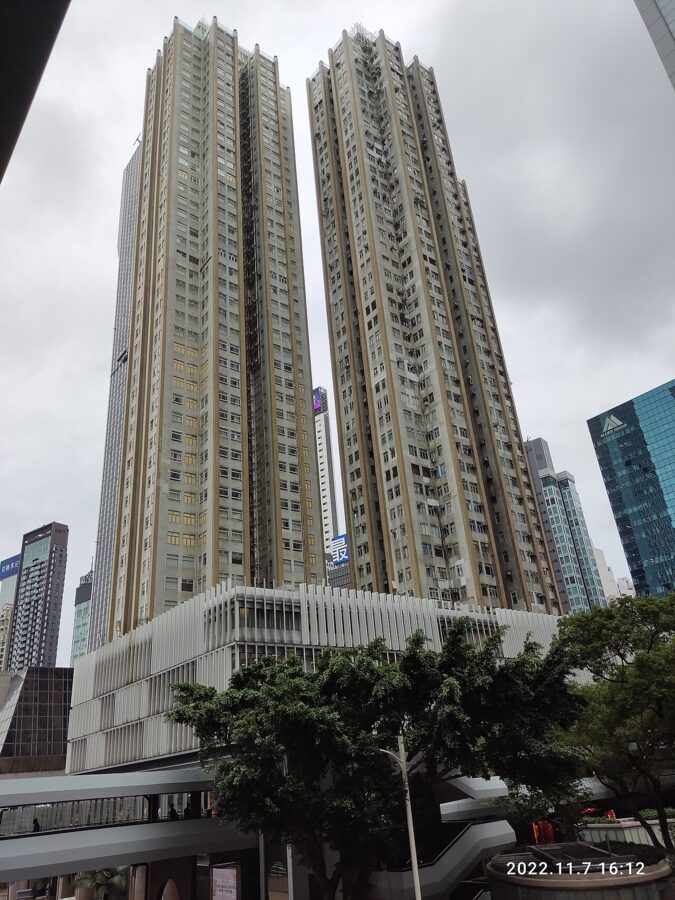
Plenty of maps and old guides still send you to the 20th floor of Capital Centre on Gloucester Road. The Chinese Visa Application Service Center closed that office at noon on 29 August 2025, and since 1 September 2025 it has worked from Unit 304 on the third floor of Causeway Centre (灣景中心大廈), across Harbour Road from Exhibition Centre station. The new address is the smaller change. Since April 2025 nothing happens at the counter until a website has approved your file.

Three bodies run the process: the Commissioner’s Office of China’s Foreign Ministry in Hong Kong, which decides every visa; the visa centre, which takes the paperwork and the money; and China’s National Immigration Administration, which sets the visa-free and transit rules. Everything here is as it stands in November 2026. Several of those rules, including the reduced visa fees and the fingerprint waiver, are due to expire on 31 December 2026. If you are applying in January, read the notices again first.

Before any of that, work out whether you need a visa at all. Since late 2023 the list of passports that can cross without one has grown every few months, and a good share of the people who once queued in Wan Chai can now walk through Lo Wu on their passport alone.
In this article
Do you need a visa at all?
Start with the passport you will cross on, not with your plans. The same trip to Guangzhou can need a full visa, a ten-day transit stamp or nothing at all, depending on the cover of the booklet in your pocket.
Visa-free for 30 days
Ordinary passport holders from 50 countries can enter the mainland without a visa for up to 30 days for business, tourism, visiting family or friends, exchanges and transit. The Commissioner’s Office list covers most of the European Union, plus Switzerland, Norway, Iceland, the United Kingdom, Ireland, Russia, Australia, New Zealand, Japan, South Korea, Brunei, Canada, Brazil, Argentina, Chile, Peru, Uruguay, Saudi Arabia, Oman, Kuwait and Bahrain. For most of them the scheme is set to run until 31 December 2026, and no extension had been announced by late November 2026.
The 30 days count from the day after you enter, and there is no limit on the number of trips. The scheme does not cover work, study or news reporting, and it needs an ordinary passport; emergency and temporary travel documents are refused. Singapore, Malaysia and Thailand are not on that list because they have mutual visa-exemption agreements with China, which also allow 30-day stays.
If your passport is on the list and your trip is under 30 days, you need nothing but the passport. Apply for a visa only if you want to stay longer or to work or study. The border officer can still ask what you are doing, and the Commissioner’s Office suggests carrying a hotel booking, a return ticket or an invitation that matches the purpose you give.
The 240-hour transit
Nationals of 57 countries, including the United States, the United Kingdom, Canada, Mexico and Indonesia, and since 20 August 2026 Vietnam and Kyrgyzstan, may stay up to ten days without a visa when travelling through China to a third country or region. You need an ordinary passport and an onward ticket with a confirmed seat and date, and you must arrive through one of 65 designated ports. In Guangdong these include Baiyun and Bao’an airports, Shekou, the Hong Kong-Zhuhai-Macao Bridge port and the mainland port inside West Kowloon station, and you may travel anywhere in the province.
The rule that trips up people in Hong Kong is “third country or region”. Hong Kong in and Hong Kong out is a round trip, not a transit, and the scheme does not apply. It works well for an American who lands in Hong Kong, takes the high-speed train from West Kowloon to Guangzhou and flies on to Hanoi a week later, with the Vietnam e-visa sorted before check-in. The full country and port lists are on the National Immigration Administration’s transit page.

Shenzhen only: the five-day visa
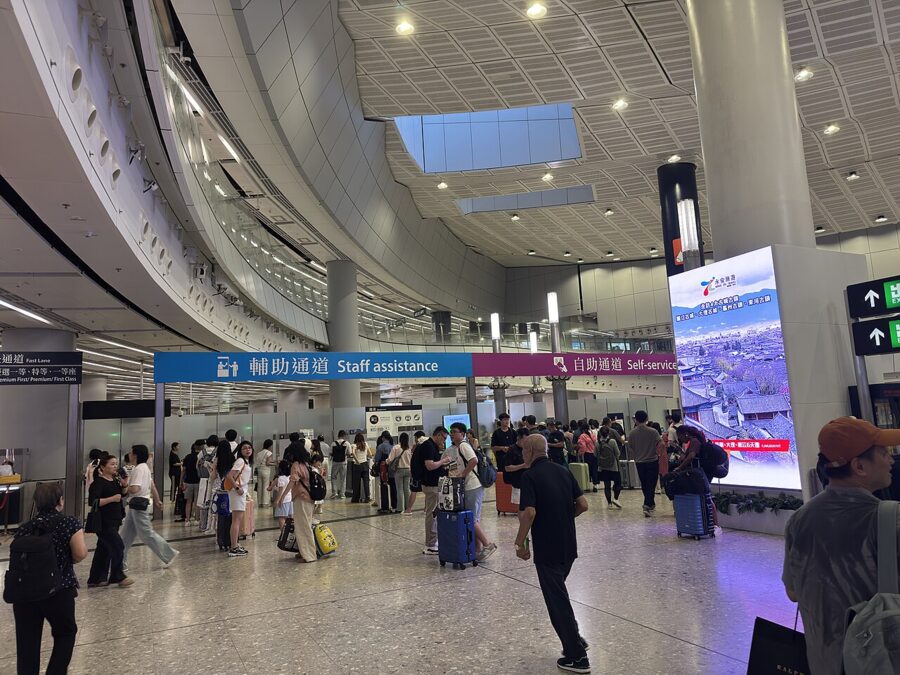
Some nationalities can still buy a five-day visa at the port visa office in Luohu Port, just over the bridge from Lo Wu, without applying in advance. It is issued at the officer’s discretion and is good for Shenzhen and nowhere else, which makes it a fallback for a day of shopping or a factory meeting rather than a plan for a wider trip. The counter, the hours and the routine are in the guide to getting a visa on arrival in Shenzhen.

Tour groups from Hong Kong
Any foreigner with an ordinary passport from a country that has diplomatic relations with China can enter ten Guangdong cities, among them Shenzhen, Guangzhou, Zhuhai, Dongguan and Foshan, for up to six days without a visa, as long as it is as part of a tour group organised by a travel agency registered in Hong Kong or Macau. The group enters and leaves together. A matching six-day scheme covers Hainan. It is the route for passports that qualify for nothing else, if you can live with someone else’s itinerary.
Hong Kong passports and Hong Kong residents
An HKSAR passport holder is a Chinese citizen and never applies for a mainland visa. You cross on the Mainland Travel Permit for Hong Kong and Macao Residents (港澳居民來往內地通行證), the card everyone calls the Home Return Permit, and the passport stays in the drawer.
Permanent residents who are not Chinese citizens have had a version of that permit of their own since July 2024, the permit for non-Chinese citizens, and the first application goes through the China Travel Service group in Hong Kong. If you cross often, it is worth more than any visa. Without it, a foreign national with a Hong Kong identity card is treated at the border as a holder of their passport, visa-free if it qualifies and needing a visa if it does not.

Who can apply in Hong Kong, and where
The Commissioner’s Office of the Ministry of Foreign Affairs in the HKSAR (外交部駐香港特別行政區特派員公署) issues mainland visas here. Since 22 January 2018 it has not taken applications from ordinary passport holders over its own counter. They all go through the Chinese Visa Application Service Center, a commercial company that handles the forms and the fees and plays no part in the decision.
Three conditions decide whether Hong Kong is the right place for you. The online stage must be done from outside the mainland, so you cannot start the form in a Shenzhen hotel. You must be in Hong Kong in person when the passport goes in; the only exception the centre names is for foreigners living in Taiwan. And you must show you are here legally: a Hong Kong identity card if you are a resident, your visa or permit if you are a non-permanent resident, and your landing slip if you are a visitor.
The centre publishes no list of nationalities it turns away. What changes with your passport is the fee, and how generous the visa officer is with entries and validity. Its general advice is to apply where you lawfully live, so a visitor applying during a short stay is relying on the officer’s judgement more than a resident is.
The better deal for foreign residents
Since 16 October 2024 foreign nationals who are Hong Kong permanent residents, or who live here as non-permanent residents, can apply for multiple-entry visas valid for up to five years, with each stay of up to 180 days, for business, tourism, family visits and exchanges. They do not have to show return tickets or hotel bookings. Foreign domestic helpers are excluded, and the officer can still shorten validity, entries or stay. Ask for the five years anyway; the form is the same work either way.
The visa centre on Harbour Road
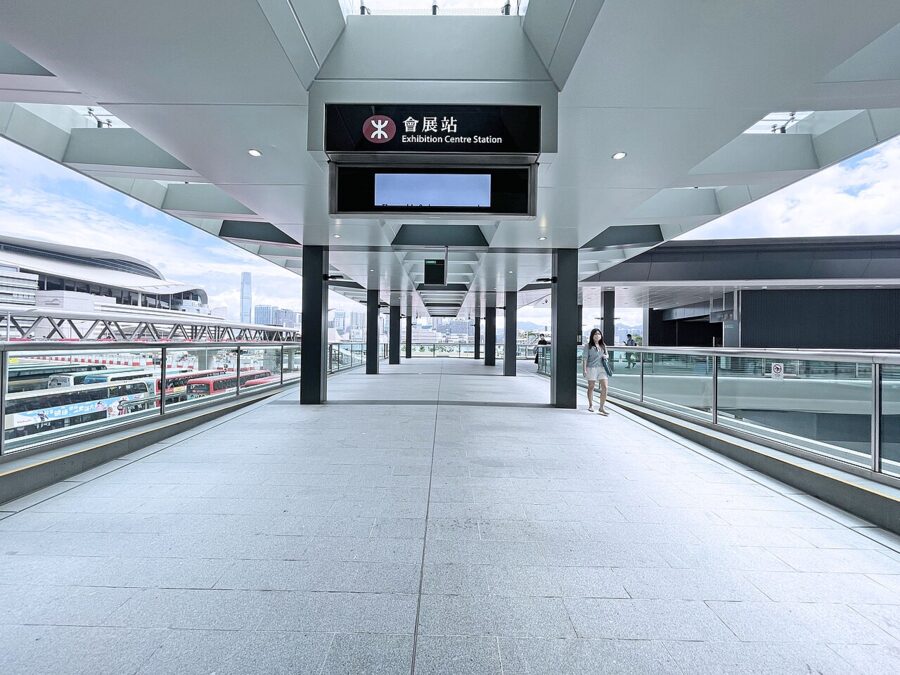
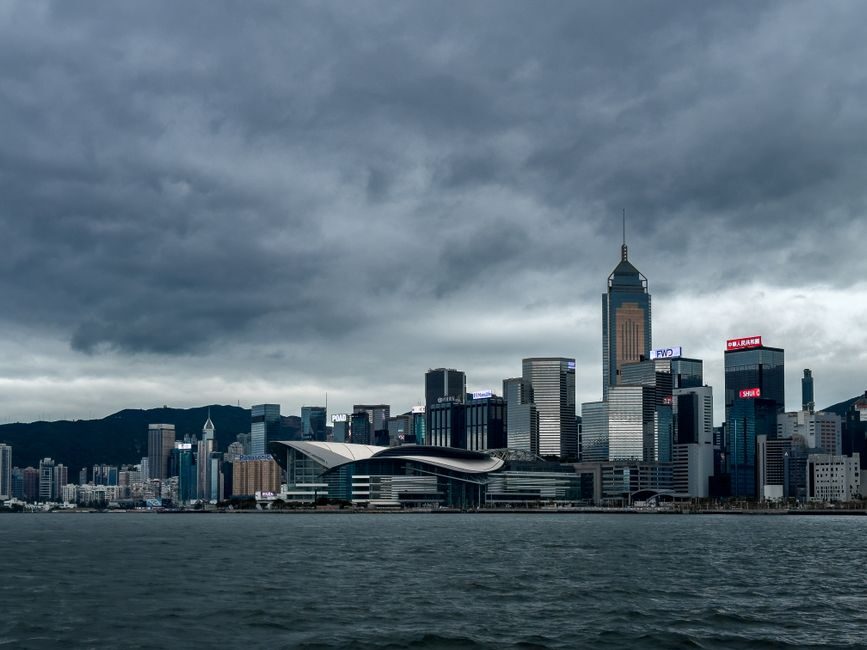
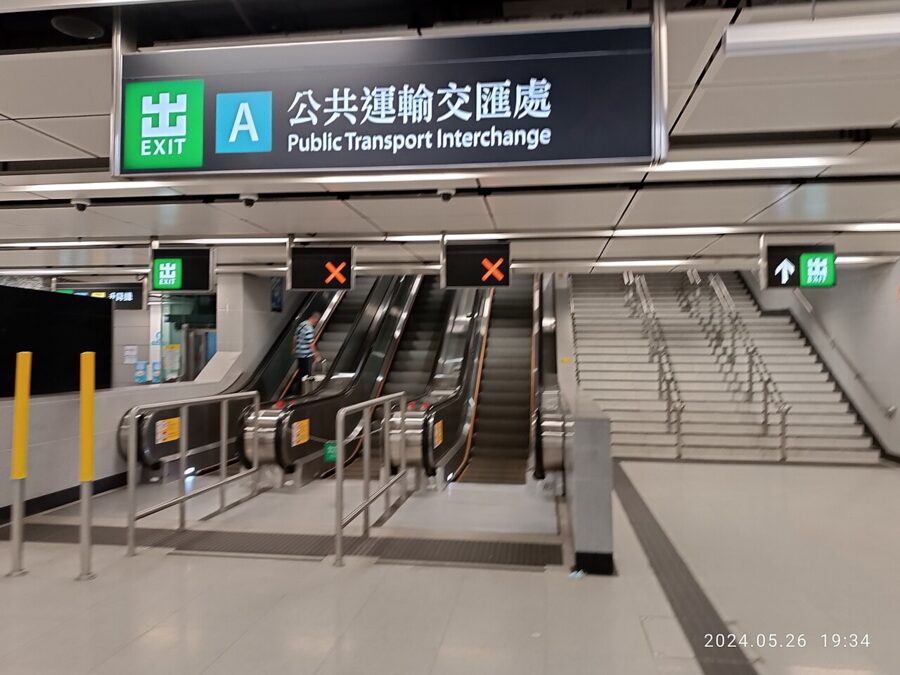
The address is Unit 304, 3/F, Causeway Centre, 28 Harbour Road, Wan Chai. The closest station is Exhibition Centre on the East Rail Line; the centre’s own location map shows Exits A1, A2 and A3 a block to the north, with Harbour Centre and then Harbour Road between them and Causeway Centre. From the Island Line, walk north from Wan Chai station over the footbridges across Gloucester Road, which takes longer but keeps you out of the traffic.
| Service at the visa centre | Hours, Monday to Friday |
|---|---|
| Submitting the passport and paying | 09:00–15:00 |
| Collecting regular and express applications | 10:00–16:00 |
| Collecting urgent applications | 16:00–17:00 |
| Telephone enquiries | 09:00–12:00 and 13:00–16:00 |
Those are the times on the centre’s own contact page in November 2026. Its page footer gives collection as 10:00–17:00 in one line, and the Commissioner’s Office still quotes 09:00–16:00 as working hours, so the safe reading is: hand in before 15:00, collect before 16:00 unless you paid for urgent. The centre is closed at weekends and on Hong Kong public holidays; the last closure of 2026 is Friday 25 December.
There is no appointment system. The Commissioner’s Office dropped compulsory bookings on 11 December 2023, and the online review now does the job of the old queue. At the door, staff check that you have your original passport, and only one person may come in to collect each passport. The Hong Kong centre has no postal service; everything is done in person or through an agent.

The Commissioner’s Office
The Commissioner’s Office has its headquarters at 42 Kennedy Road in Central, up the hill from Admiralty. Ordinary passport holders have no reason to go there. Holders of diplomatic, service or official passports, and anyone travelling to the mainland on official business, deal with its Consular Department directly, by fax or email as its contact page sets out.
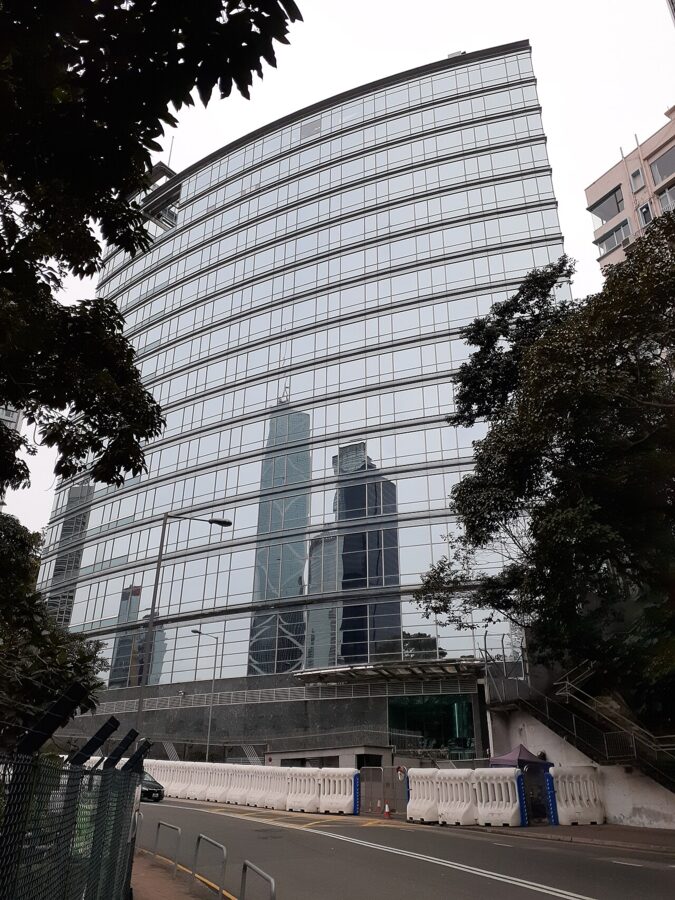

Its consular hall for Chinese citizens, which issues PRC passports and travel documents, is on the third floor of China Resources Building (華潤大廈) at 26 Harbour Road, next door to the visa centre. If your visa is for a foreign passport, you want number 28.
Which visa: the letters that matter
Pick the category for the main purpose of your trip; the centre lists more than a dozen. The visa officer has the final word on category, validity, number of entries and length of stay, and an approval for less than you asked for is common enough not to take personally.
L: tourism
The L visa is for sightseeing and for visiting friends. Alongside the basic documents you need either a round-trip transport booking (flight, ferry or bus) and a hotel reservation in your name, or an invitation letter from a person or organisation in China with a copy of the inviter’s passport or identity card. For most nationalities a single-entry L visa is the cheapest thing the centre sells.
M: business and trade fairs
The M visa covers commercial and trade activity: meetings, factory visits, trade fairs and competitions. You need documents from your trading partner in China or an invitation from the fair or company, plus a copy of the inviting company’s business licence. Paid work on an M visa is still illegal work; employment needs the Z visa and a work permit arranged by the employer.

Q1 and Q2: family
Q visas are for family members of Chinese citizens, or of foreigners with Chinese permanent residence. Q2 covers visits of up to 180 days and needs an invitation letter from the relative plus a copy of their identity document. If the inviter is a Hong Kong, Macau or Taiwan resident living on the mainland, that means both sides of their identity card, their mainland travel permit and their residence permit.
Q1 is for stays beyond 180 days, for family reunion or foster care, and adds originals and copies of the documents that prove the relationship: marriage or birth certificates, or a notarised certificate of kinship. The centre’s definition of family is wide. It includes spouses, parents, children and their spouses, siblings, grandparents, grandchildren and parents-in-law.
S2: foreign domestic helpers
A helper can get a short-stay S2 visa only to travel with the employer for tourism, family visits or shopping. The helper must have worked for the current employer for at least three months, hold a Hong Kong work visa with more than two months left, and enter and leave the mainland with the employer on every trip. The file needs the employment contract, both Hong Kong identity cards, a guarantee letter signed by the employer, a declaration signed by the helper and a mainland address such as a hotel booking.
On a first application with a new employer, the helper and the employer go to the centre together, and only one employer may come into the hall. After the first trip on a mainland visa, or the first after changing employer, the helper must report back to the Commissioner’s Office within seven working days of returning to Hong Kong; the reminder slip in the passport says where. A helper who has crossed very often may be told to wait some months before a new visa is granted.
G: transit
The G visa is for passing through, and the only supporting document is an onward ticket with a confirmed date and seat. Most people who would once have needed it now qualify for the 240-hour transit instead. It still has a use if your passport is not on the 57-country list, or your route through China starts or ends at a port outside the scheme.

Single, double or multiple entry
Fees run in four bands: single entry, double, multiple for six months, and multiple for a year or longer. US citizens pay one flat fee whatever they are given, and long-validity multiple-entry visas for them come under a bilateral arrangement. Non-Chinese Hong Kong residents can ask for up to five years. Everyone else asks for what the trip needs and takes what the officer gives.
The long-stay categories are a different job. Z for work, X1 for study, Q1, S1, D for permanent residence and J1 for resident journalists all still require fingerprints at the centre, and the holder must apply for a residence permit within 30 days of entering. If that is you, your employer or university will usually walk you through it.
The documents, step by step
Since 1 April 2025 every application, apart from visas for Macau, goes through the online processing system first. You upload everything, a reviewer checks it, and only then do you bring your passport to Wan Chai. Done well, the online stage saves you the second trip that used to come from a missing photocopy.

- Open an account. Go to the Hong Kong pages of the visa centre’s website and register with an email address, the only option. Allow pop-ups, or the verification code never arrives.
- Choose Hong Kong as the place of application. Pick any other location and the Hong Kong centre cannot accept your file.
- Fill in the form. Copy your names exactly as they appear on the passport data page. There is no middle-name field, so if your passport shows a separate middle name, leave it out rather than squeezing it into the surname or given names. Work history, education, family and trip details must be complete, and any answer of “not applicable” needs a reason.
- Upload the materials. Passport data page, photo, proof of your status in Hong Kong, your last Chinese visa if you have had one, and the supporting documents for your category. Everything goes in online; at the counter you show only the originals.
- Watch the status. “To be modified” means the reviewer wants a change, explained in an email. When the status reaches “online review completed” you receive the Visa Application Certificate by email. Print it.
- Go to the centre within 30 days. Bring the printed certificate, your original passport, one printed photo and the originals of what you uploaded, on a weekday between 09:00 and 15:00. Miss the 30 days and the application expires.
- Fingerprints, then payment. Until 31 December 2026 fingerprints are waived for any visa with a stay of 180 days or less, and children under 14 and adults over 70 are always exempt. You pay the visa fee and the service fee in full, choose regular, express or urgent, and leave your passport behind.
- Collect. Come back on the date on your receipt with the receipt itself.
Two traps sit in the form. Once you submit, you cannot edit freely; if the reviewer bounces it, you correct and resubmit, but you cannot start a fresh application while an old one is still pending anywhere in the system, including at a Chinese visa centre abroad. And if you were born in China, which for this form includes Hong Kong, Macau and Taiwan, you must enter your name in Chinese characters, answer “yes” to former nationality and fill in the field that follows.
Passport and proof of stay
Your passport needs at least six months of validity left and at least two blank visa pages. Upload and bring a copy of the data page. If you are under 18, add your birth certificate and copies of both parents’ passport data pages.
Proof of legal stay depends on who you are. Hong Kong residents bring the original identity card and a copy. Non-permanent residents add the visa or permit behind their stay, whether employment, study or dependant. Visitors bring the landing slip they were given on arrival, a scrap of paper that is easy to throw away with the boarding pass.
Itinerary and bookings
For an L visa, the itinerary means a booked round trip, by air, ferry or bus, and a hotel reservation in the applicant’s name. A Shenzhen hotel on its own will not do if the trip goes on to Shanghai; the officer wants the bookings to cover the trip on the form.
I’d book refundable rooms and a flexible ticket rather than a dummy reservation from a booking site you never intend to keep. A booking that falls apart under a single question is a reason to refuse, and the border officer on the other side can ask to see the same plans. Non-Chinese Hong Kong residents can skip this part entirely under the 2024 concession.
Invitation letters
An invitation replaces the itinerary for an L visa and is the core of an M, F, Q or S application. It can be a fax, a photocopy or a printout, though the officer may ask for the original. The letter must carry three blocks of information.
- About you: full name, gender, date of birth and passport number.
- About the visit: purpose, arrival and departure dates, the places you will go, your relationship to the inviter and who is paying.
- About the inviter: name, telephone number, address, and the company stamp and legal representative’s signature, or the private inviter’s signature.
Send your host the list before they write the letter. Missing dates and a missing company stamp are easy to overlook, and either one can cost you a round of “to be modified”.
Previous visas and old passports
If you have held a Chinese visa before, upload a copy of the latest one. If it is in an old passport, copy that passport’s data page as well, and bring the old passport in case it is asked for. A change of name between passports needs the official document that records it.
Former Chinese citizens have one more step. On a first application with a foreign passport you must show your previous Chinese passport and a copy of its data page. Dual and multiple nationals may be asked to produce every passport they currently hold.
The photo, in detail
More applications stall on the photo than on anything else, and the online system now checks it before a human does. The specification below is the one the centre published from the Foreign Ministry’s consular department.
- Size: 48 mm high by 33 mm wide.
- Head: 15–22 mm wide and 28–33 mm from chin to crown, centred in the frame.
- Age and colour: a colour photo taken within the last six months.
- Background: white or close to white, with no border and no everyday scene behind you.
- Face: looking at the camera, neutral expression, eyes open, mouth closed, both ears visible, head tilted no more than 20 degrees sideways or 25 degrees up or down.
- Glasses and headwear: no tinted or thick-rimmed frames and no glare; hats or head coverings only for religious reasons, with the face fully visible.
- Print: glossy photo paper, not matte or plain paper, with no stains, scratches or creases, and no shadows, red-eye or distortion.
The two official sources disagree on glasses. The photo notice allows ordinary frames, but the checklist for each visa category says framed glasses are not allowed. Take them off. The older Commissioner’s Office notice also gives a minimum head height of 20 mm instead of 28 mm, which looks like a typing error; aim for 28–33 mm and you satisfy both.
The digital file matters more than the print. If the system rejects your upload three times, it tells you to bring a printed photo and the centre will scan it when you submit. An application with someone else’s photo attached, which happens when families apply together from one account, is rejected and has to be started again.
Where to get one in Hong Kong
Any 證件相 (identity photo) studio will do it; ask for a China visa photo (中國簽證相) at 33 by 48 mm and for the digital file as well as the prints, since the online form needs an upload. A Hong Kong passport photo is 40 by 50 mm, so a leftover set from your HKSAR passport or a Hong Kong visa application is the wrong size.
Self-service booths are a gamble. Use one only if its menu offers the China visa format by name, and check the head size against the list above before you upload. I would pay the studio and stop worrying about it.
Fees, speed and collection
You pay two charges at the counter: the visa fee, which the centre collects for the Commissioner’s Office and which depends on your nationality, and the centre’s own service fee, which depends on speed. The Commissioner’s Office has cut visa fees for most nationalities until 31 December 2026. The centre takes Hong Kong dollars in cash and Hong Kong debit cards; credit cards are not on its list.
For nationalities without a special rate, the total per person, as set out in the centre’s fee schedule, is:
| Entries | Regular, 4 working days | Express, 3 working days | Urgent, 2 working days |
|---|---|---|---|
| Single | HK$470 | HK$860 | HK$1,440 |
| Double | HK$590 | HK$980 | HK$1,560 |
| Multiple, 6 months | HK$700 | HK$1,090 | HK$1,670 |
| Multiple, 1 year or more | HK$930 | HK$1,320 | HK$1,900 |
Each total is a visa fee of HK$230–690, plus HK$180 for express or HK$310 for urgent, plus the service fee of HK$240, HK$450 or HK$900. Children pay the same service fee as adults. If the visa is refused, or issued with fewer entries or a shorter validity than you asked for, the visa fee is settled on what was actually issued; the service fee is never refunded.
About 40 countries pay a different visa fee under reciprocal or bilateral arrangements. Three of the passports most often seen in Hong Kong:
| Passport | Visa fee, any number of entries | Total: regular / express / urgent |
|---|---|---|
| United States | HK$1,100 | HK$1,340 / HK$1,730 / HK$2,310 |
| United Kingdom | HK$710 | HK$950 / HK$1,340 / HK$1,920 |
| Canada | HK$460 | HK$700 / HK$1,090 / HK$1,670 |
British and Canadian passports are visa-free for 30 days, so those two lines matter only for longer stays, work or study. US journalists’ J visas cost more, and a handful of nationalities, Pakistan, the Maldives and Albania among them, pay no regular visa fee at all. Check your own line in the schedule before you go.
How long it takes
The clock starts when the passport goes in, not when you submit online. The online review takes as long as it takes, and the reviewer may come back to you more than once, so start about a month before you travel. The centre advises no earlier than three months, or the visa may expire before you use it.
Once the passport is in, regular service usually takes four working days, express three and urgent two. Urgent applications are accepted only until 12:00. One of the centre’s own answers says urgent submissions before noon are ready the next working day, while its fee schedule and notices say two; plan on two and treat one as a bonus. Paying for speed does not oblige the officer, who can extend processing in a particular case, and the extra fee is then not refunded.
Weather moves the timetable too. If Typhoon Signal No. 8 or the Black Rainstorm Warning is up, collection moves to the next working day. When signal 8 goes up outside office hours the centre stays shut while it is in force, and if it comes down after 12:00 the centre does not reopen that day.
Collecting the passport
Bring the receipt you were given when you paid. Only one person may come in to collect each passport, and someone collecting for you needs your receipt. If you lose it, you must come yourself with photo identification, or send someone with a notarised power of attorney and both your identity documents.
Check the visa before you leave the counter: your name and passport number, the entries, the “enter before” date and the duration of each stay. A mistake spotted at the counter is fixed there; one spotted at Lo Wu is not.
The extras at the counter
The centre sells two optional services. Its form-filling service, HK$480 on top of the normal fees, has staff complete or correct your form, check your documents and scan and upload them. The VIP lounge costs HK$480 an hour for one applicant and a companion, or HK$2,000 an hour for a private room for up to six. If your form is done and your documents are in order, neither is worth the money.
Agencies: what they can and cannot do
The centre publishes a list of 21 registered agencies, last updated on 1 October 2026, and states that none of them is a designated agency. China Travel Service (Hong Kong), its visa service centre under CTS Entry Permit Service, and CIBT Visas are on it, alongside a range of small travel firms. The list, with contact details, is on the registered agencies page.
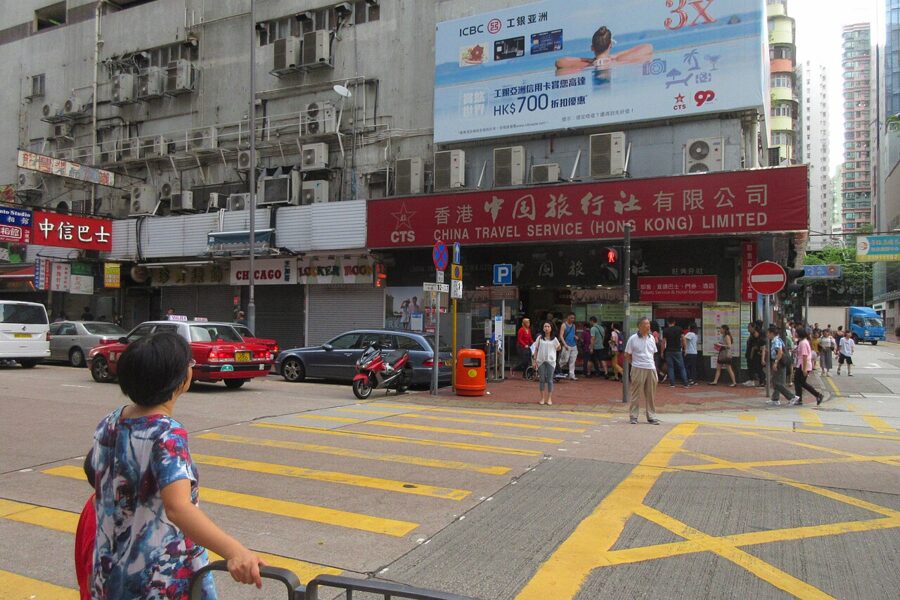

An agency earns its fee when you cannot get to Wan Chai between 09:00 and 15:00 on two weekdays, or when the form defeats you. The Commissioner’s Office allows family members, friends, agents and travel agencies to submit on your behalf, and while fingerprints are waived for short stays nobody needs you at the counter. You still have to be in Hong Kong when the passport goes in.
Agencies set their own charges on top of the visa and service fees, and these are not published in one place, so ask for the all-in total per passport in writing before you hand anything over. What an agency cannot do is influence the decision, speed it up beyond urgent, make a five-month passport acceptable, or explain away an old overstay. The centre warns about people who claim to be its employees and promise otherwise.
Why applications go wrong
Refusals come without detailed reasons, and the service fee stays with the centre. Most failures are avoidable, and many happen before a visa officer ever looks at the file.
- The wrong place on the form. Any location other than Hong Kong means the Hong Kong centre cannot take your application.
- Names that do not match the passport. A middle name pushed into the given-name box is enough to send the form back.
- Born in Hong Kong and did not say so. Foreign passport holders born in Hong Kong, Macau, Taiwan or the mainland must give a Chinese name in characters and answer the former nationality questions.
- The photo. Wrong size, shadow on the background, glasses, or a Hong Kong passport photo cut down to fit.
- The passport. Less than six months of validity or fewer than two blank pages.
- No proof of stay. A visitor who has lost the landing slip, or a resident whose visa expires before the trip ends.
- Purpose and category do not match. Meetings on a tourist visa, or work of any kind on a business visa.
- The 30 days ran out. An approved online review expires if the passport is not handed in within 30 days.
- Applying too early. More than three months ahead, the visa can expire before you travel.
- A helper’s file that does not qualify. Under three months with the employer, under two months left on the Hong Kong visa, or a long run of frequent trips.
Even a perfect file can come back with fewer entries, a shorter validity or a shorter stay than you asked for. That is the officer’s call. It is not a refusal, and complaining at the counter changes nothing.
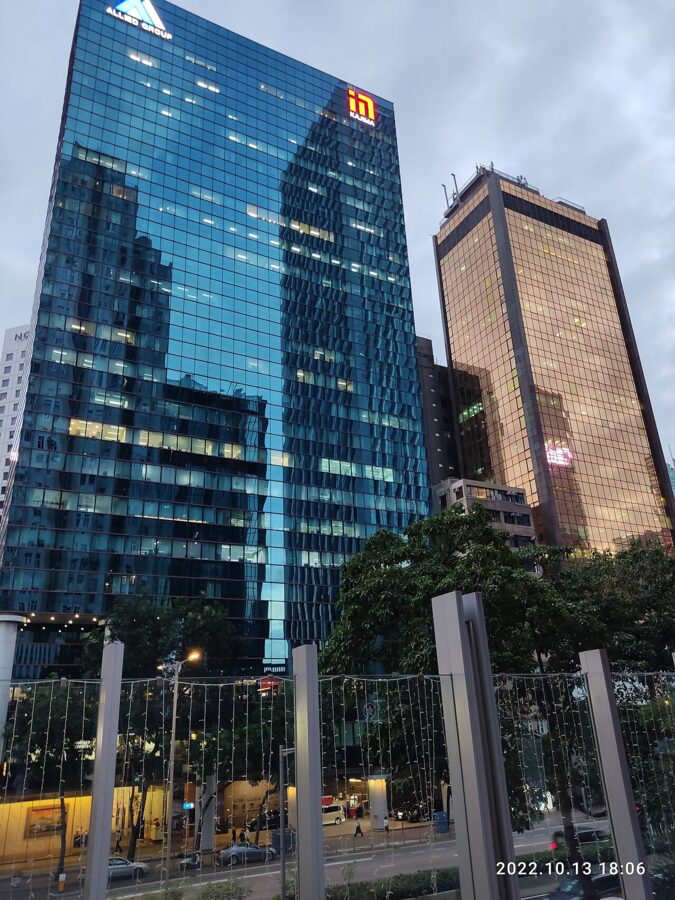

And the oldest mistake of all is the address. If a map app sends you to Capital Centre, the building is still there but the visa centre is not; it is a few minutes’ walk north, on the far side of Gloucester Road.

With the visa in your passport
The validity printed on the visa is the window in which you must enter, not the length of your stay. The duration of each stay is counted from the day after you arrive. If you need longer once you are there, the local public security bureau can extend it, but there is no guarantee and overstaying is punished.
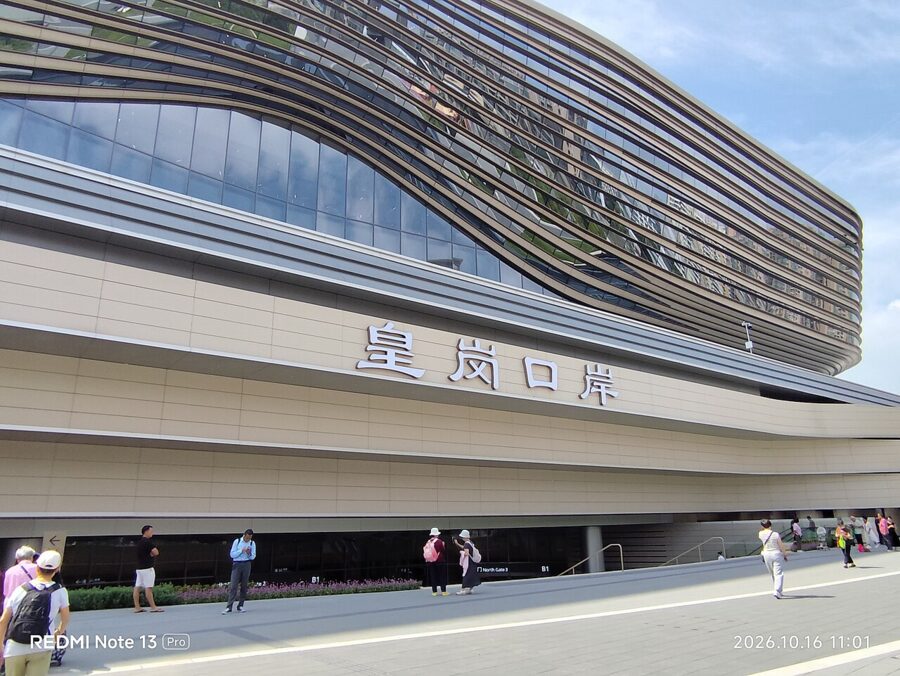
A visa from Wan Chai works at every crossing, including Lo Wu, Lok Ma Chau, Shenzhen Bay, the rebuilt Huanggang Port and West Kowloon station, and on any flight into the mainland. Before you go, fill in the arrival card on the National Immigration Administration’s arrival card site, which has been open to foreigners since 20 November 2025. Paper cards and on-site screens are still there at the border if you forget.
Sort out your phone before you cross, too. A Hong Kong prepaid SIM card with mainland data saves you hunting for hotel wifi to open the apps you will pay with.
So: open the account tonight, choose Hong Kong as the place of application, and upload a photo taken this month against a white wall. When the email with the Visa Application Certificate arrives, print it, take the East Rail Line to Exhibition Centre, and walk out of Exit A towards Harbour Road, not Gloucester Road.