

At about five in the morning Hong Kong time on 1 January 2019, while most of the city was asleep after the countdown, links were already going round the frequent-flyer world to a page on Cathay Pacific’s own website. It priced a return business class ticket from Da Nang to New York at US$675. First class on the same trip, caviar included, cost less than US$1,000.
Cathay normally sold those seats for about twenty times as much. Within a day the fares had gone, Hong Kong was asking whether the airline would cancel them, and Cathay did something airlines rarely do with a pricing error: it kept every ticket. What happened next, more quietly, at the ticket desk, still tells you how to handle a mistake fare today.
Cathay honoured the fares, made changing them very hard for months, then made a second error less than two weeks later. The rules that decide whether an airline must honour a fare like that have barely moved since, and as of November 2026 the protection that matters most is still a 24-hour exit you set up before you pay.


In this article
What went on sale on 1 January 2019
The fares, the cabins and the routes
The error sat in fares that started in Vietnam. Hanoi, Da Nang and Ho Chi Minh City were the origins, Hong Kong was the connection, and the destinations were Cathay’s North American gateways: New York, Boston, Chicago, Los Angeles, San Francisco, Vancouver and nearly every other city Cathay served in the United States and Canada. Every ticket was a return to Vietnam, which mattered a great deal later.
Prices varied by route and by day. The South China Morning Post put the cheapest business class return at HK$5,300 (about US$678) and first at HK$6,600. Hong Kong papers quoted first class returns at US$988 including tax and business at US$675, which they worked out at about 5% of the normal fare.
Buyers reported a spread around those numbers. One Hong Kong buyer told AFP he bought five first class returns from Vietnam to New York at US$840 each and a business class ticket at US$699. Another bought three returns to New York and one to Vancouver at around US$800 each, and a buyer in mainland China reported a Ho Chi Minh City to Chicago first class return at US$1,090.
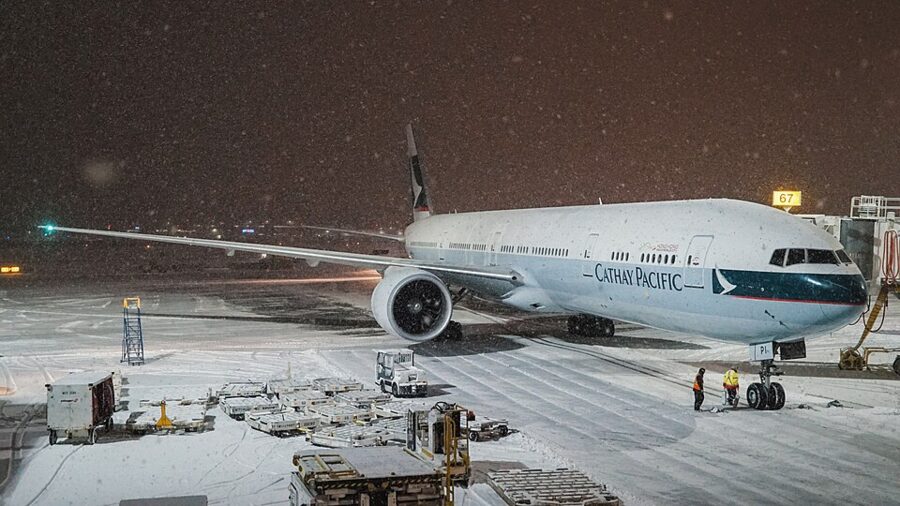
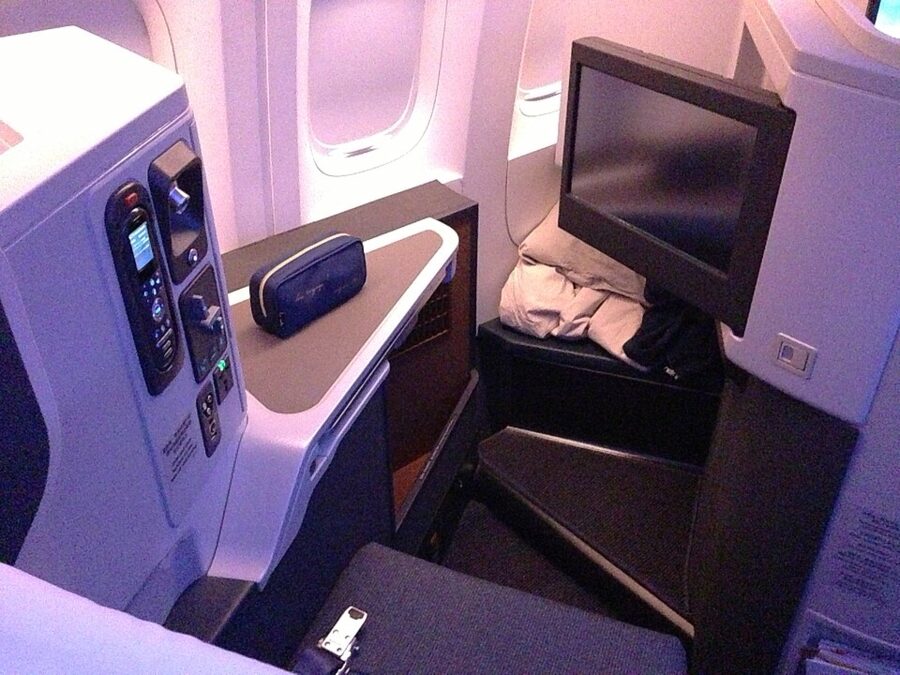
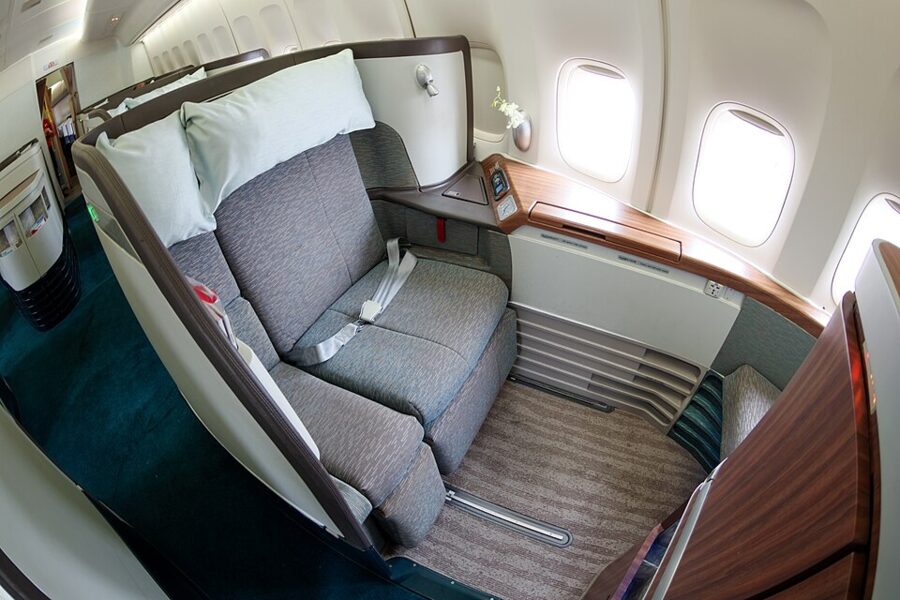
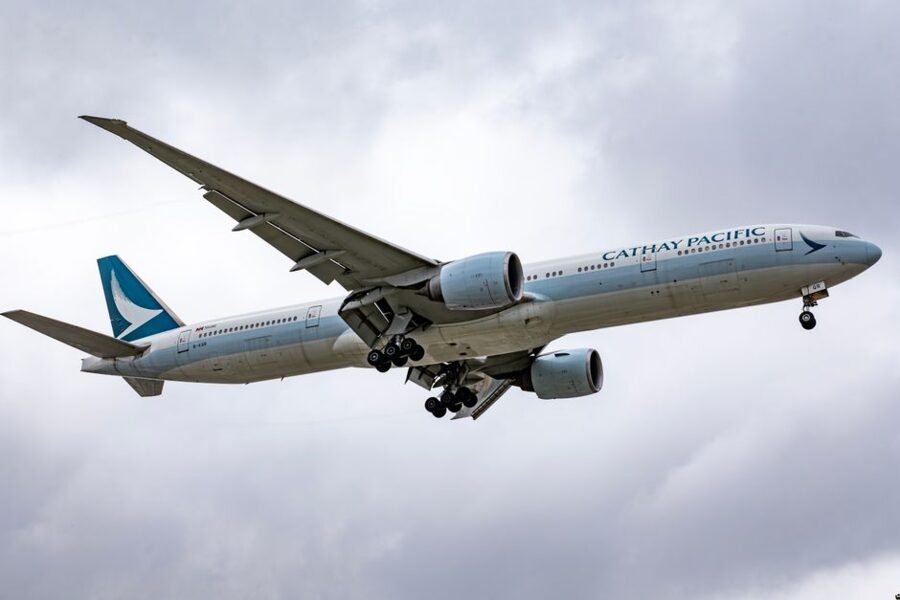
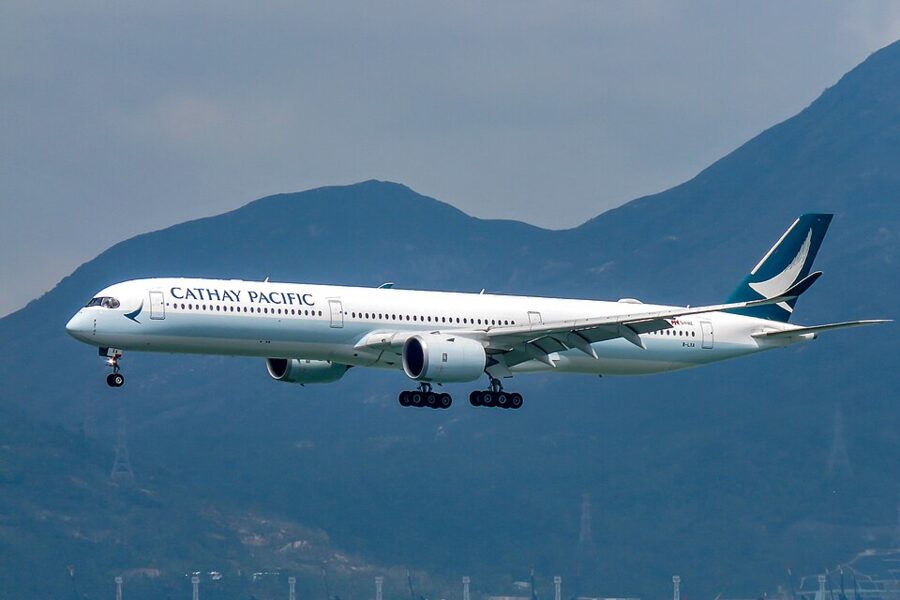
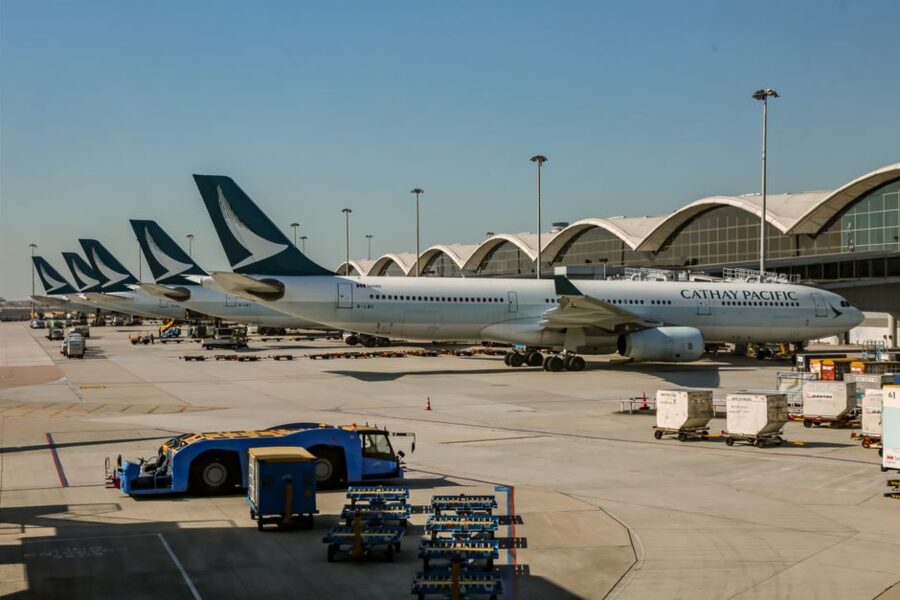
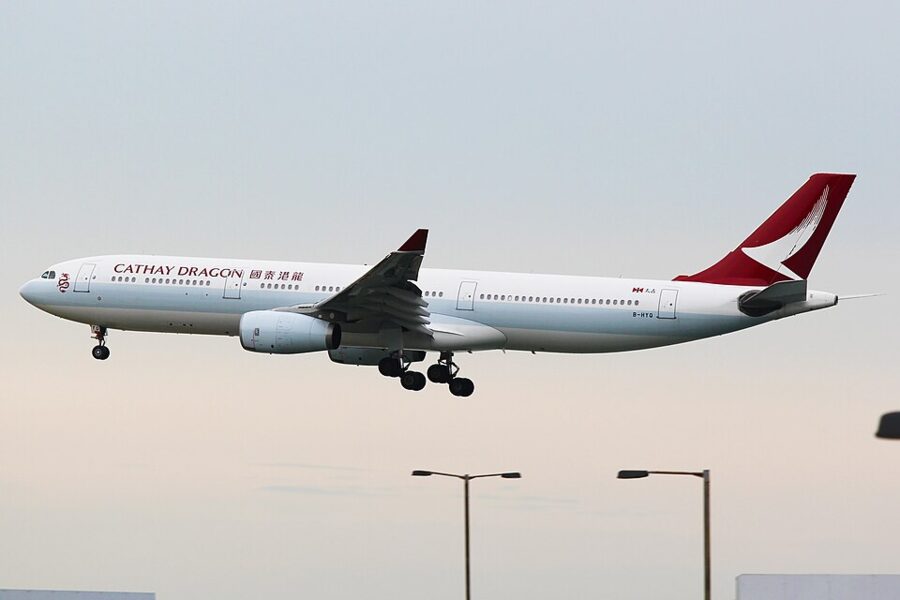
What the price bought was the full product. The first sector from Vietnam to Hong Kong was a regional flight on Cathay Dragon, then Cathay’s regional arm. From Hong Kong the long-haul legs were on Cathay Pacific, in the 777-300ER first class suites and business class seats that the airline sold at full fare to everyone else on board.
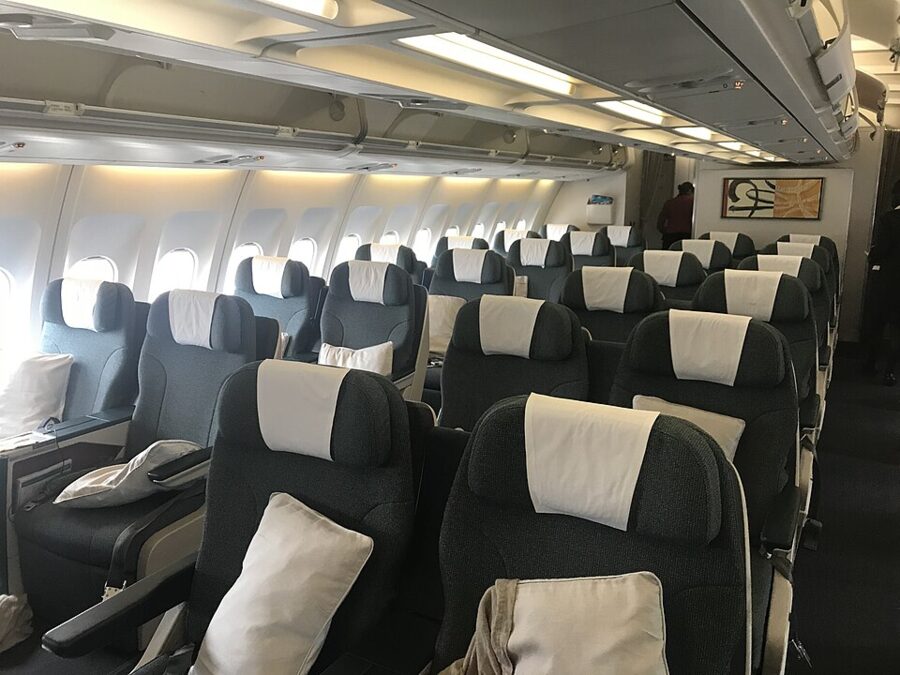

Reports from ticket holders put the first class tickets in the A booking class and business in C and D. Those are discounted premium classes on paper, but they are still flexible ones, and the fare rules allowed changes for a fee. Keep that detail in mind; Cathay certainly did.

How it spread, and how long it lasted
The timeline depends on whose clock you use. Hong Kong press reports put the start of the error on the afternoon of New Year’s Eve, United States time. That is the small hours of 1 January in Hong Kong, which is why the first American posts about it were dated 31 December while Hong Kong slept.
From there the fares went round every channel at once: frequent-flyer sites and forums in the United States, WeChat groups in mainland China, discussion boards in Hong Kong. The buyer who spoke to AFP said he saw the alerts at around 05:00 Hong Kong time and booked for two hours before searches on Cathay’s site stopped working. Most people awake at that hour, he pointed out, were in Europe and North America.
The fares were booked on Cathay’s own website, through its Vietnamese point of sale, and through online travel agencies that loaded the same fares, Orbitz among them. Buyers in mainland China noted that when Cathay’s site kept failing at the payment step, the same prices could still be found through other agencies.
By the evening of 1 January the fares had been withdrawn from Cathay’s website. Buyers in the United States reported that Cathay had also zeroed out its business and first class seats across the Pacific for a time while it fixed the problem. Nobody outside the airline knows the exact count sold; Cathay declined to give a number, and the South China Morning Post reported that several thousand tickets were believed to have gone.
How Cathay answered
For more than a day Cathay said nothing beyond promising a decision on Wednesday 2 January. Buyers had reason to worry. Airlines are under no obligation to honour a fare sold by mistake, and Cathay had just had a bad year: in October 2018 it had disclosed a data breach affecting 9.4 million passengers.
Then came the tweet, on 2 January: “Happy 2019 all, and to those who bought our good – VERY good surprise ‘special’ on New Year’s Day, yes – we made a mistake but we look forward to welcoming you on board with your ticket issued.” It ended with two hashtags, #promisemadepromisekept and #lessonlearnt.

In Chinese, on Facebook, Cathay was more playful. Its post congratulated the “flash sale participants” (快閃參加者), borrowed a line from Xu Zhimo’s poem about leaving Cambridge to describe a sale that arrived and left “without taking a single cloud”, and added the hashtag 從小就學會錯就要認: we learned as children to own up when we are wrong. Hong Kong readers called the airline a 找數真漢子, someone who pays the bill like a man, and the post collected more than 2,000 likes within an hour.
The formal explanation was less poetic. Cathay told the Hong Kong press that the cause was an input error by a member of staff, not a system error, and said that no booking would be cancelled and no buyer would be asked to pay the difference. The South China Morning Post spoke to 11 buyers holding 18 first class and eight business class tickets: they had paid HK$216,925 between them for seats that would have cost almost HK$5.4 million at the retail fares of the day.

As public relations it worked. One buyer told AFP that cancelling would have made people hate Cathay more after the data breach, and the story ran around the world as an airline keeping its word. The cost was real, though, and it was about to be recovered in a less public way.
The catch: changing the tickets
Fare classes that had no seats
A flexible fare is only flexible if seats are for sale in its booking class on the day you want. In the weeks after the tweet, holders who tried to move a date found none. They reported agents and Cathay offices telling them there was no availability in their booking class on any date for months ahead.
One holder who checked the fare inventory himself found a pattern. Any itinerary with a sector between Hong Kong and Vietnam priced only in the top classes, J for business and F for first, while the same flights from Hong Kong to other cities showed the cheaper premium classes freely. A change to a mistake fare ticket meant repricing to full fare, which nobody holding a US$675 ticket was going to do.
None of this broke the contract. The tickets still allowed changes; there simply was no inventory to change into. The reports come from ticket holders, not from Cathay, but the effect was clear enough: the airline honoured the fares as sold, on the dates as sold.

What holders could actually do
The options that emerged over the following months were narrow. You could fly the dates you had booked. You could pay the difference to a higher fare. The website offered at least one holder a downgrade from first to a business I-class fare with about US$2,000 to pay.
The opening came after the first flight. A ticket holder reported in May 2019 that once the outbound sectors from Vietnam had been flown, a phone agent at Orbitz could find availability and move his return flight for the US$100 change fee alone. He was clear on the limit: nobody could change dates before the first flight out of Vietnam, and Cathay appeared to apply a Vietnam point-of-sale block that customers could not see.
Missing a flight was worse than changing one. The fare rules, as ticket holders summarised them at the time, carried a US$100 change fee plus any fare difference, and a US$300 no-show fee plus the difference to rebook if you missed the Vietnam connection. Miss a sector without telling the airline and the rest of the journey could be cancelled.

That rule still applies on Cathay today. Its General Conditions of Carriage, in force since 14 March 2025, say a fare is priced for the whole journey in the order shown on the ticket, and that if you do not show up for a flight without telling the airline in advance, it may cancel your onward and return reservations. Throwaway tricks on a mistake fare, such as skipping the first leg, end the ticket.
Getting to Vietnam first
Every ticket started in Vietnam, so every buyer outside Vietnam needed a separate flight there and, for many passports, a visa. Hong Kong buyers had to work out how to be in Da Nang, Hanoi or Ho Chi Minh City on the right morning, with the right paperwork, and back again at the end.
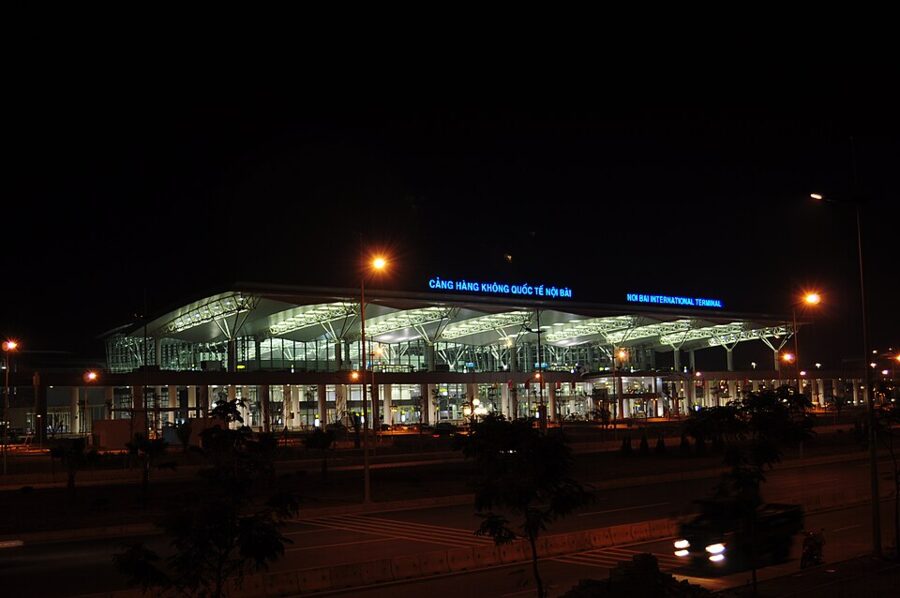

Some tried shortcuts. The South China Morning Post reported that an 18-year-old Hong Kong buyer was stopped by Vietnamese immigration before his first flight to New York, after officials told him it was illegal to fly back to his city of origin while in transit. The lesson holds for any fare that starts abroad: the positioning flight and the entry rules are your problem, not the airline’s.
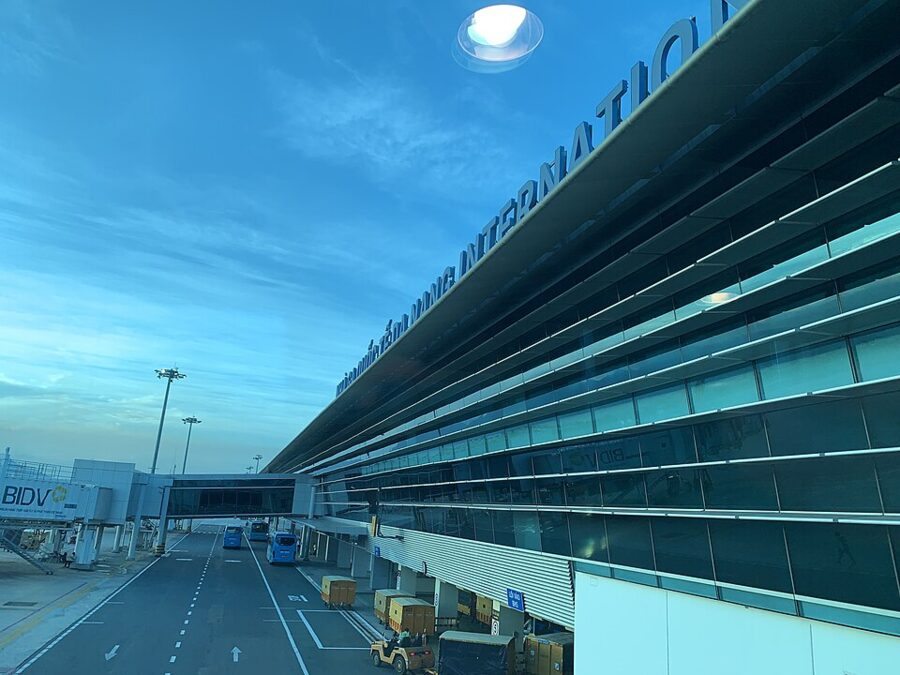

The paperwork is simpler now. Vietnam’s e-visa is open to any nationality, costs US$25 for a single entry and is applied for online, and the HKSAR passport still needs one. Get it approved before you book the positioning flight, not after.
Thirteen days later: Lisbon
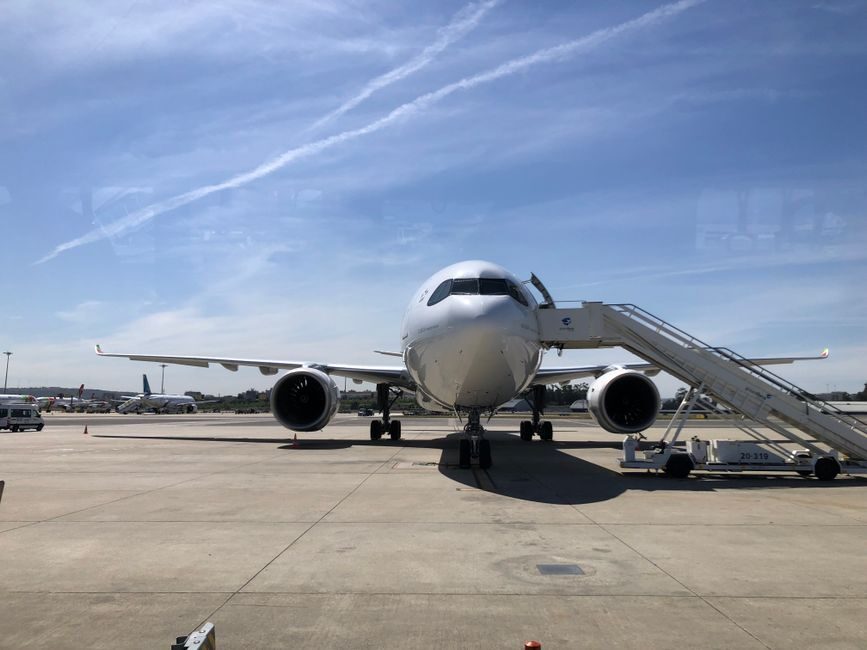
On Sunday 13 January 2019 it happened again. Cathay’s website sold one-way first class tickets from Lisbon to Hong Kong for US$1,512 instead of about US$16,000. Cathay did not fly to Portugal, so the tickets began on a partner airline to London, Zurich or Frankfurt and connected to a Cathay first class flight to Hong Kong.
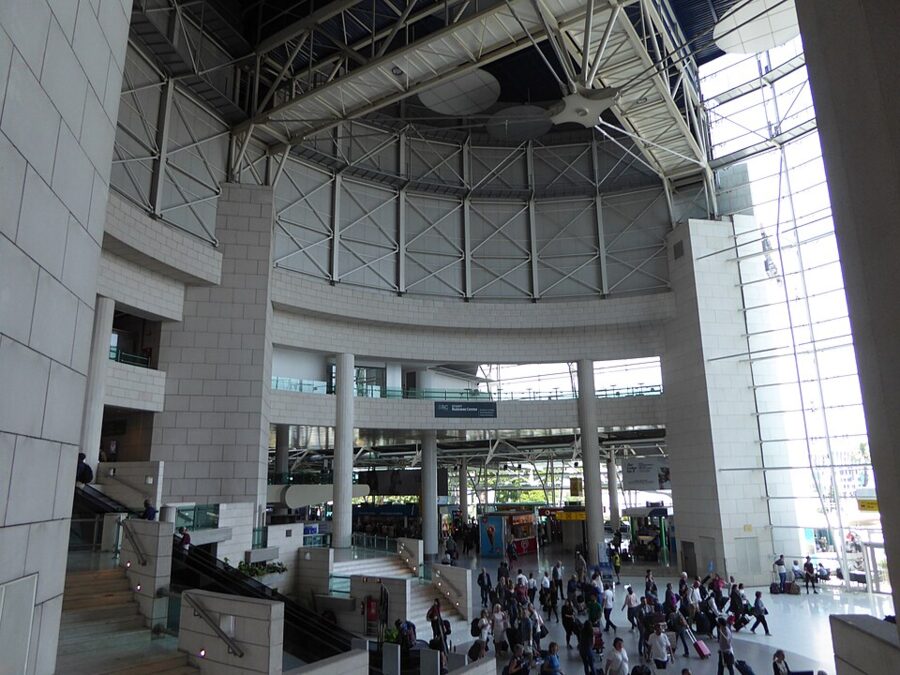

The fault depended on the combination. The South China Morning Post found that an early flight from Lisbon to Frankfurt with a midday Cathay connection still cost US$16,000, while a midday flight to London with a late-afternoon Cathay connection cost US$1,512. At 11:30 that Sunday the cheap fares were still on sale.
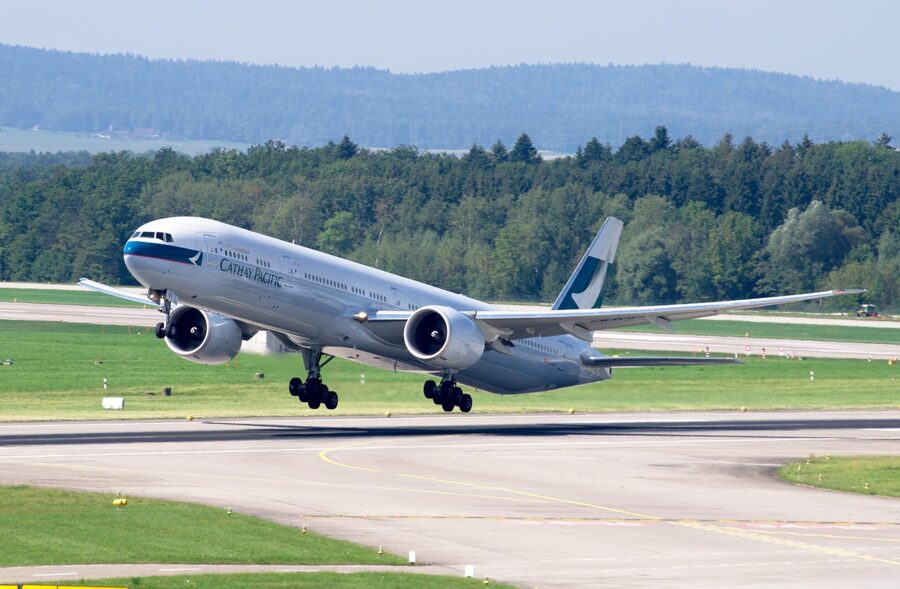
This time Cathay answered the same day. A spokeswoman said the airline was aware of “an error on some fares from Europe on our website because of an input issue”, that the sale had stopped immediately, and that it was looking into the root cause “both internally and externally with our vendors”. The few customers who had bought would be welcomed on board.
Two errors in two weeks drew less applause. Jeremy Tam Man-ho, a commercial pilot and then a legislator, told the Post that human errors happen, but “if the same kind of errors happen repeatedly in a short space of time, it may indicate a bigger problem”. Francis Fong of the Hong Kong Information Technology Federation told Apple Daily that Cathay should review how it loaded fares and put more staff on checking them.
The Hong Kong pattern, and the reversal at ANA
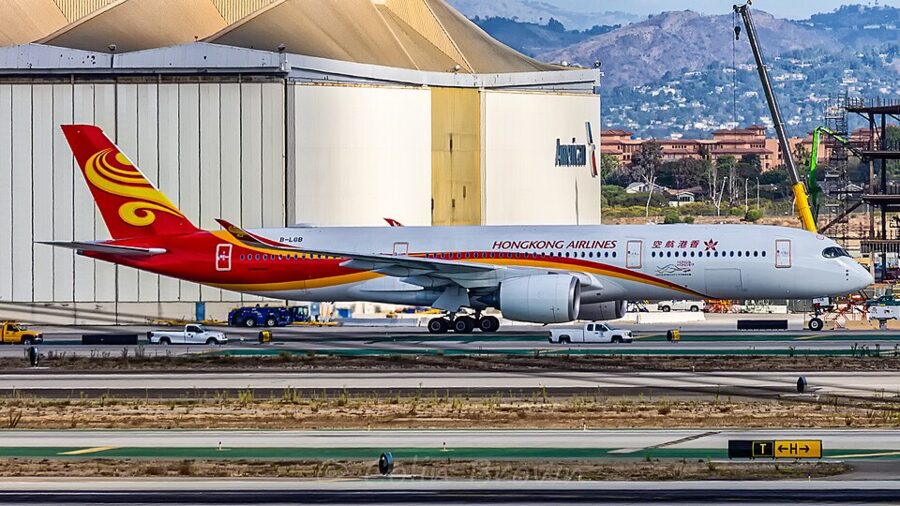
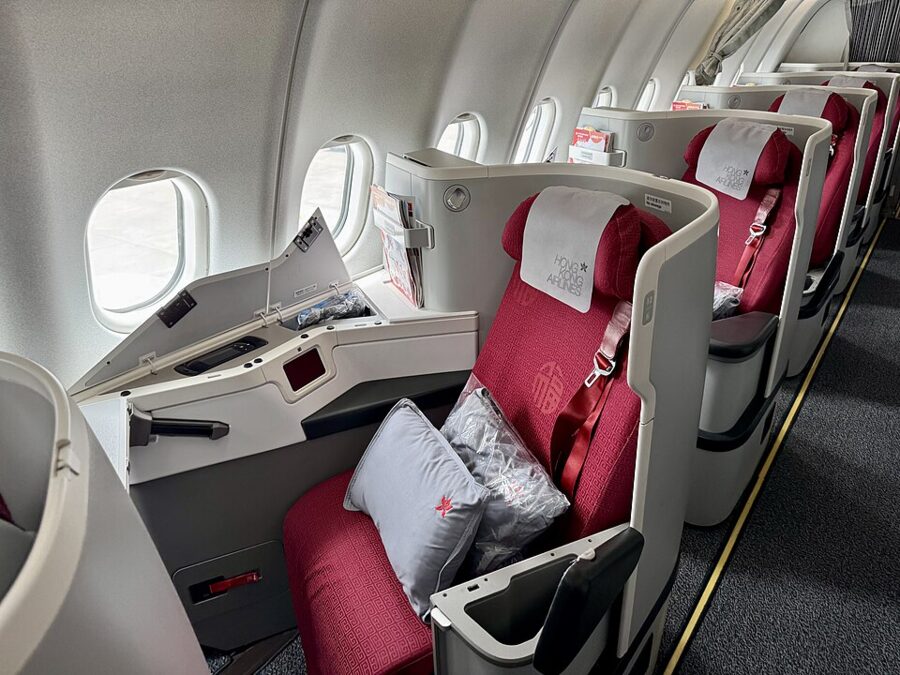
Hong Kong carriers had been here before. In the summer of 2018 Hong Kong Airlines sold business class returns from Los Angeles to Shanghai and Bangkok for about HK$4,600, against roughly HK$30,000 normally, and honoured them. It later put cards on the buyers’ seats inviting them to post about the flight with the hashtag #businessclassfare.

Singapore Airlines did the same in 2014 with some 400 business class seats sold from Australia at economy prices. Honouring is a choice, though, not a habit, and the clearest recent example went the other way.

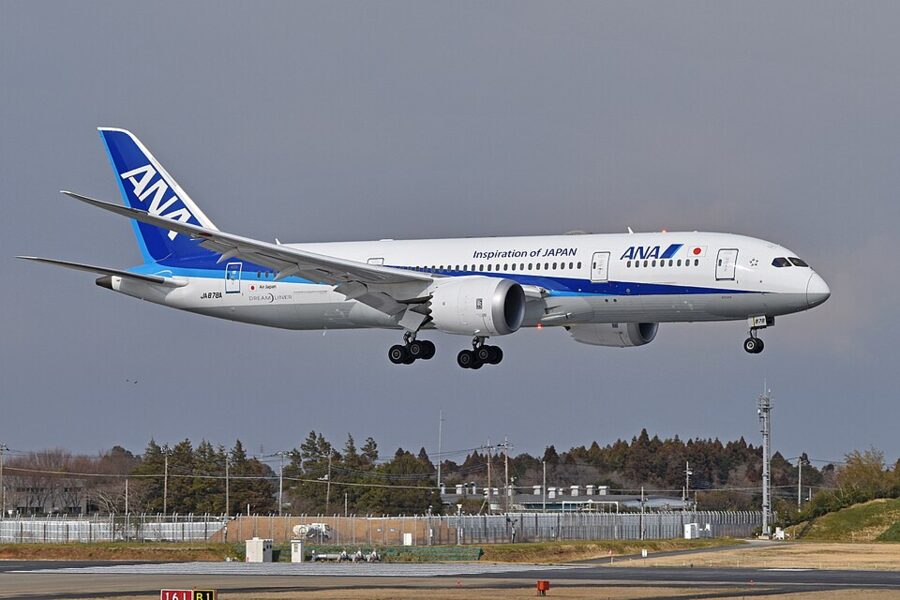
On 17 April 2023 ANA’s Vietnamese website showed business class from Jakarta to North America for a small fraction of the usual price. The cause, ANA said, was a maintenance error by its reservations provider, Amadeus, that broke the conversion of fares into Vietnamese dong. ANA first said it would let the tickets stand; on 26 April it reversed itself, refunding every unflown ticket in full and closing the Vietnamese site.

Two things stand out from that list. Cathay and Hong Kong Airlines both made their decision within two days of the error becoming public. And none of them had to.
Who has to honour a mistake fare now
The United States
The rule people quote is American, and it only covers flights to, from or within the United States. Under 14 CFR 399.88 it is an unfair and deceptive practice for a seller to raise the price of air transport after the consumer has paid, apart from government taxes. Read literally, that would make every mistake fare stick.
Since 8 May 2015, though, the Department of Transportation has said it will not enforce that rule against a genuine mistaken fare if the airline proves the fare was a mistake, refunds the ticket, and reimburses the buyer’s reasonable, actual and verifiable out-of-pocket costs incurred in reliance on it, such as a non-refundable hotel. The burden of proof sits with the airline. The policy was announced as temporary; on 1 July 2026, in a proposed rule on fare advertising, the department said again that it intends to “address mistaken fares in future rulemaking”. It has not done so yet.
The same regulations give you the most useful tool. Under 14 CFR 259.5, an airline covered by the rule must let you hold a reservation at the quoted fare without payment, or cancel it without penalty, for at least 24 hours after booking, provided you book a week or more before departure. That covers Cathay on its US flights.
Hong Kong
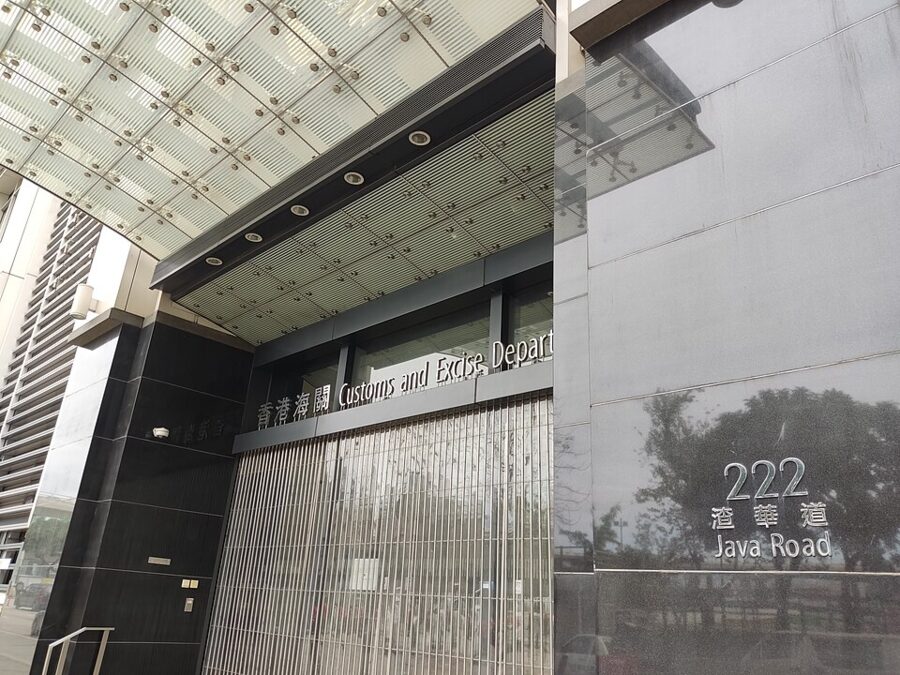
Hong Kong has no rule written for mistake fares. The Trade Descriptions Ordinance (商品說明條例, Cap. 362), enforced by the Customs and Excise Department, makes misleading price information an offence, but section 26 gives a trader a defence where the offence was due to a mistake and the trader took all reasonable precautions and exercised all due diligence to avoid it. A one-off input error on a website is close to the textbook case.

That leaves the contract, which in practice means the airline’s own conditions. Cathay’s General Conditions of Carriage, in the version in force since March 2025, have no clause written for fares sold in error; Article 5 says only that your fare is calculated by the tariff in effect on the date you pay. A Cathay fare error today would come down to what the airline decides and what it can argue. In 2019 it decided to pay.
When airlines cancel
Put the cases side by side and a rough pattern shows. Cathay and Hong Kong Airlines, both selling to a home crowd that would remember, owned their errors and said so within two days. ANA, whose fault sat in a supplier’s currency conversion on a foreign website, cancelled after nine days even though the tickets flew to the United States.
My reading is simple. A quick public statement from the airline is the best sign you will get; a week of silence is a bad one. An error that is the airline’s own and embarrassing tends to be honoured, and one it can blame on a system or a supplier tends not to be.
How to act on one sensibly
A mistake fare usually lasts hours, not days, and the people who get one have done their thinking in advance. This is the order I would work in.
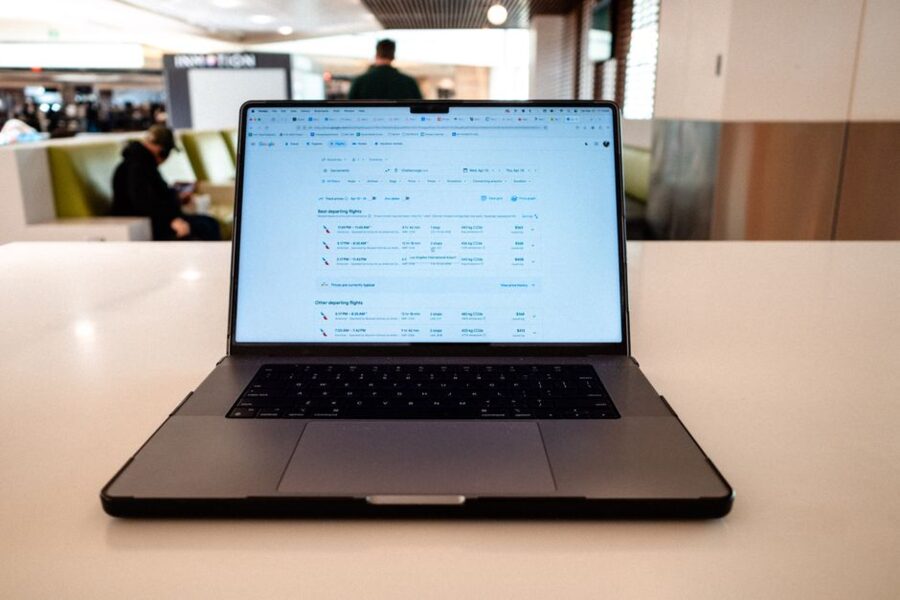
- Book first, on the airline’s own site if it works. Use a credit card, and put your frequent-flyer number on the booking before you pay. Hesitating for an hour is how most people miss these.
- Know your free exit before you click. Cathay’s member-only 24-hour free cancellation (terms last updated 8 September 2026) covers bookings made on cathaypacific.com, the Cathay app or its WeChat Mini Program at least eight days (192 hours) before the first flight, paid in cash or cash plus Asia Miles, with your Cathay membership number added during booking. Refund requests go through Manage Booking within the 24 hours, and the money takes seven calendar days to reach a card or PayPal, up to 20 days otherwise. For a ticket starting in the United States or booked on Cathay’s US site, US law gives the 24 hours on bookings made a week (168 hours) ahead.
- Spend nothing else for a while. No non-refundable hotels, no positioning flights, no leave applications. Cancellations usually come within days (ANA’s took nine), and the airlines that honour say so publicly.
- Do not ring the airline to ask. A call invites someone to look at the booking. Wait for the airline to make its position public, as Cathay did on 2 January 2019.
- Plan the whole sequence. If the fare starts somewhere else, work out the positioning flight and the visa before you commit, and assume you must fly every sector in order.
- Change nothing early. If the airline honours the fare, treat the dates as fixed until you have flown the first sector. 2019 showed that a flexible fare can have no seats to move into.

If it is cancelled
Get the refund back to the original card, in full, including taxes and any seat or baggage fees you paid. If the ticket touches the United States, list every non-refundable cost you incurred because of the booking and send it to the airline with receipts; the 2015 policy is conditional on the airline reimbursing those costs. If the airline refuses, take it to the US Department of Transportation’s Office of Aviation Consumer Protection, which handles complaints against foreign airlines on US routes as well as American ones.
For a ticket that never touches the United States, expect the refund and not much more. Nothing in Hong Kong law or Cathay’s conditions promises you the hotel, which is why spending nothing else until the airline speaks matters.

Miles on a mistake fare
Miles are earned on what the ticket is, not what you paid. In 2019 the Vietnam tickets earned full premium-cabin credit: ticket holders worked out 25,040 Asia Miles for a Hanoi to San Francisco return via Hong Kong, and close to double that in first class with Alaska Airlines’ programme. The Dragon sector from Vietnam earned far less, and Alaska’s programme gave nothing for it.

Cathay’s own earning rules changed on 20 August 2025. Miles and Status Points on Cathay Pacific flights now follow cabin, fare class or fare type, and distance zone, with more for first, business and premium economy and less for the cheapest economy fares. Partner programmes still credit by booking class, so check the class on your e-ticket against the partner’s chart before you choose where to credit.
One caution. Programme terms change faster than fare rules, and a mistake fare that is later cancelled earns nothing at all. Treat the miles as a bonus, not as the reason to book.

The fares of New Year 2019 will not come back. The next error will turn up on some other airline’s page, probably at an hour when Hong Kong is asleep, and it will be gone by lunchtime. Join the Cathay membership programme tonight and book signed in when the moment comes, so that the 24-hour exit is already on the booking before you pay.