

A large coin locker in Terminal 3 at Haneda costs ¥900, and what you get for it is 24 hours from the moment the door shuts. Land from Hong Kong at 15:00, lock the case away and it is yours until 15:00 tomorrow for that one fee. Past that, it costs another ¥900 a day, for up to seven days.
That is the cheap option. Terminal 3 also has a staffed baggage counter on each of its two public floors that never closes, a third counter in the railway station that will send your case to a Tokyo hotel the same evening, and lockers big enough for a golf bag. Terminals 1 and 2, the domestic side, run on cheaper lockers and shorter counter hours. Every price and opening time below is the one the airport and the operators publish as of November 2026.


In this article
Terminal 3: where the Hong Kong flights land
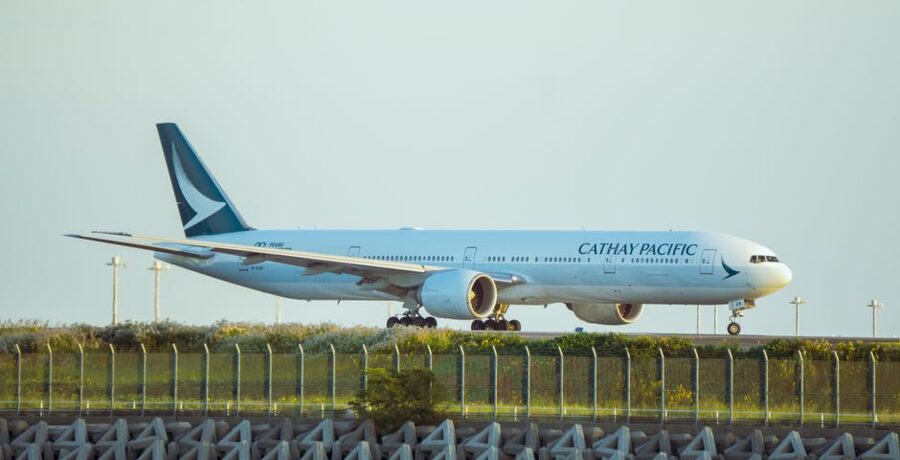
Terminal 3 (第3ターミナル on the signs) is the international building, and it is where flights from Hong Kong come in. The one exception is ANA, which runs some of its own international flights from Terminal 2; ANA shows the arrival terminal on its flight status page from 24 hours before departure. Codeshares and every other airline use Terminal 3.
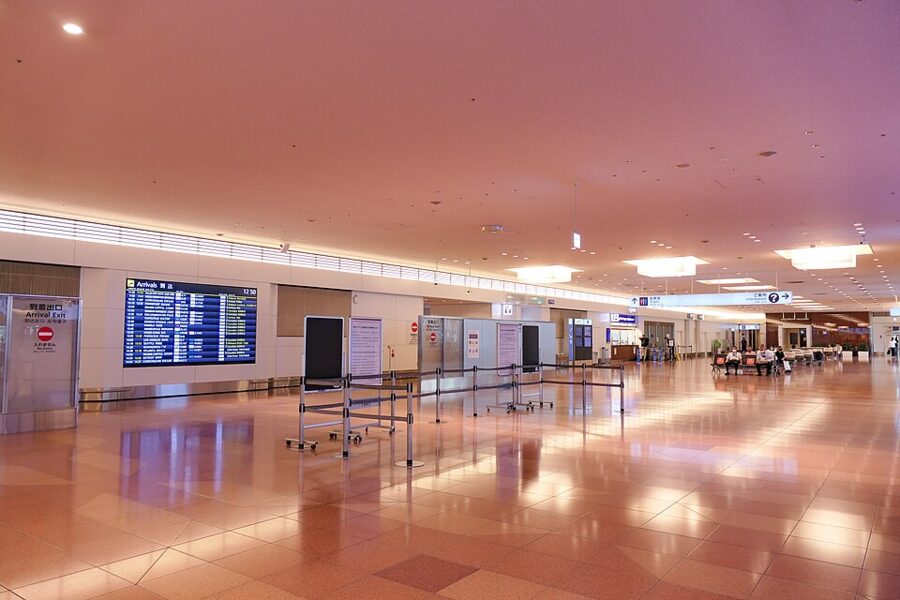
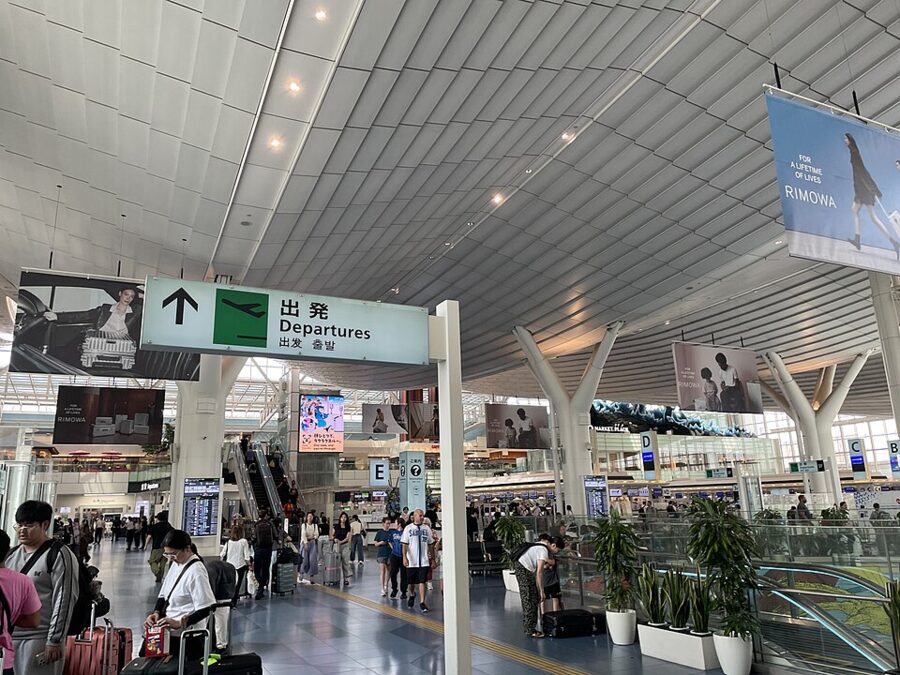
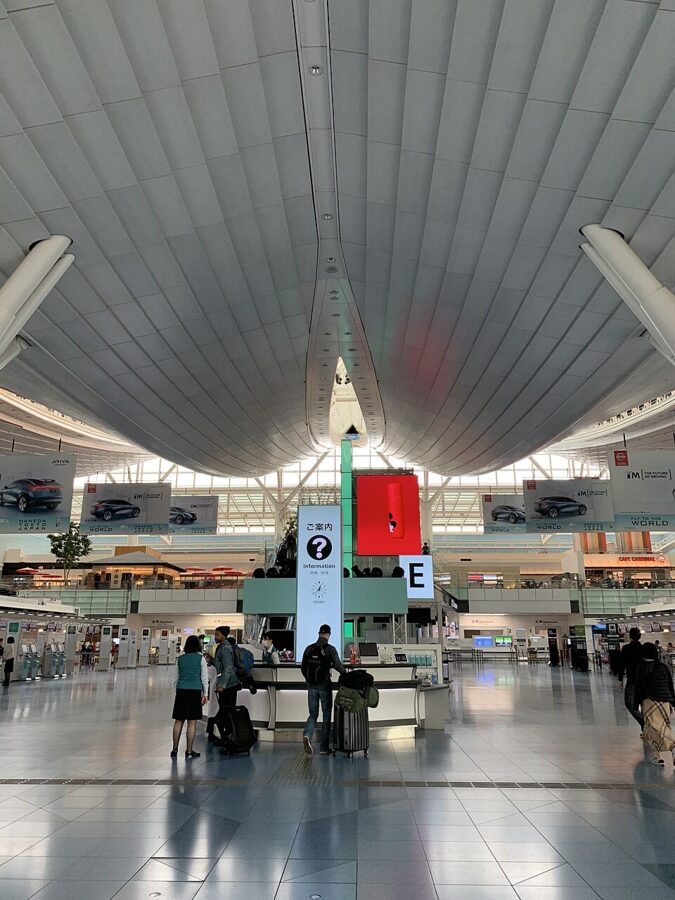
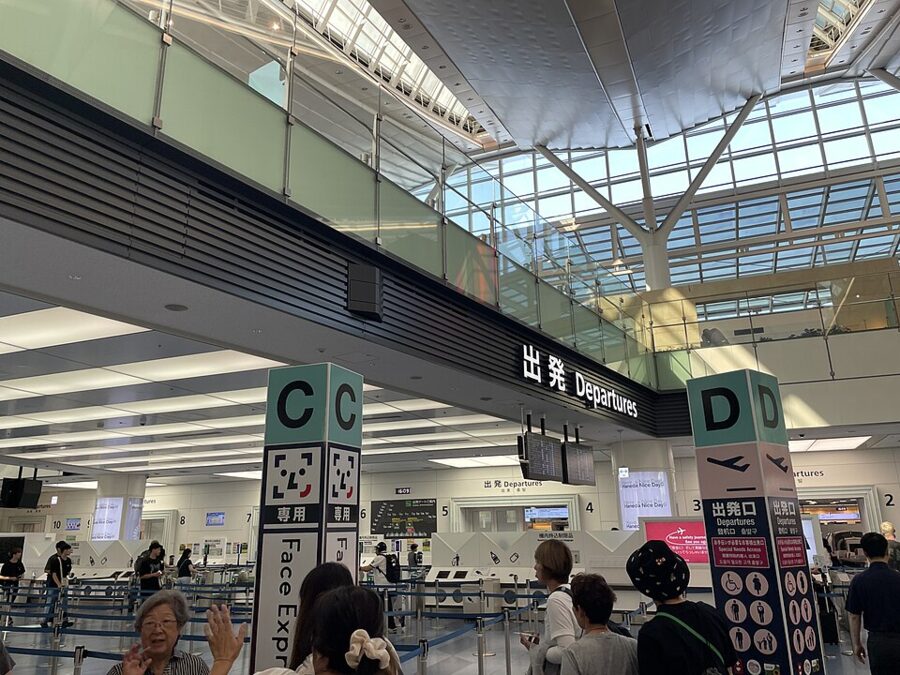
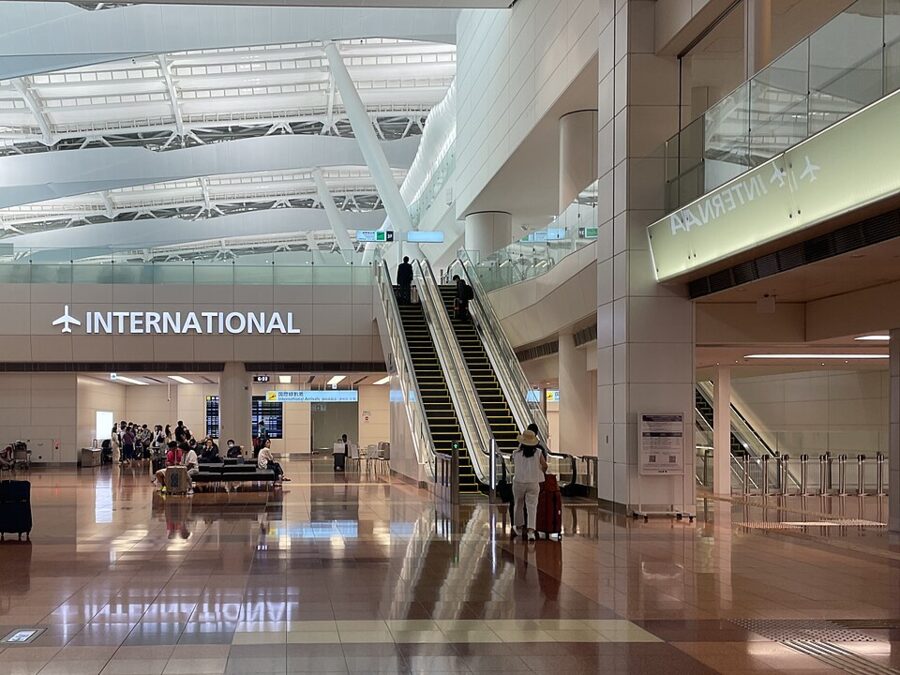
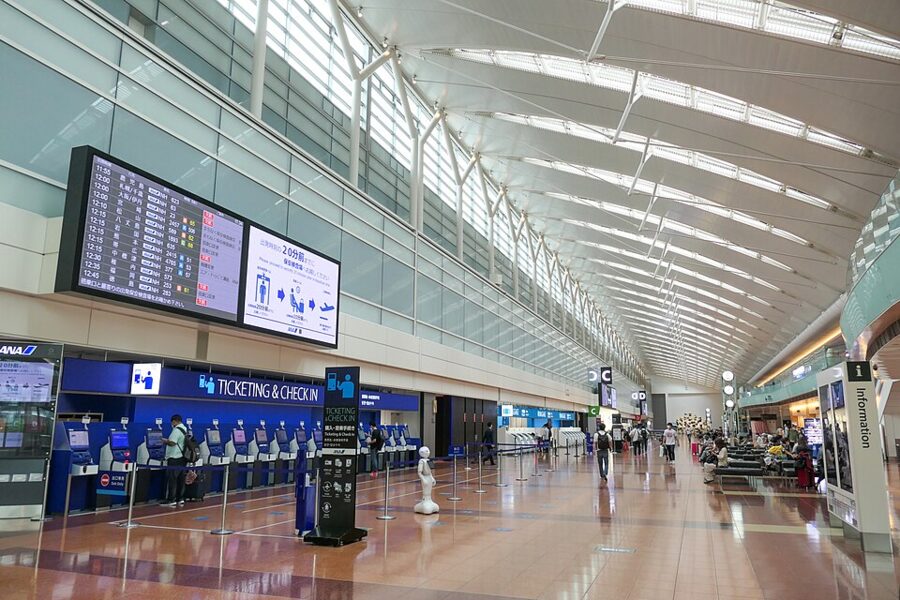
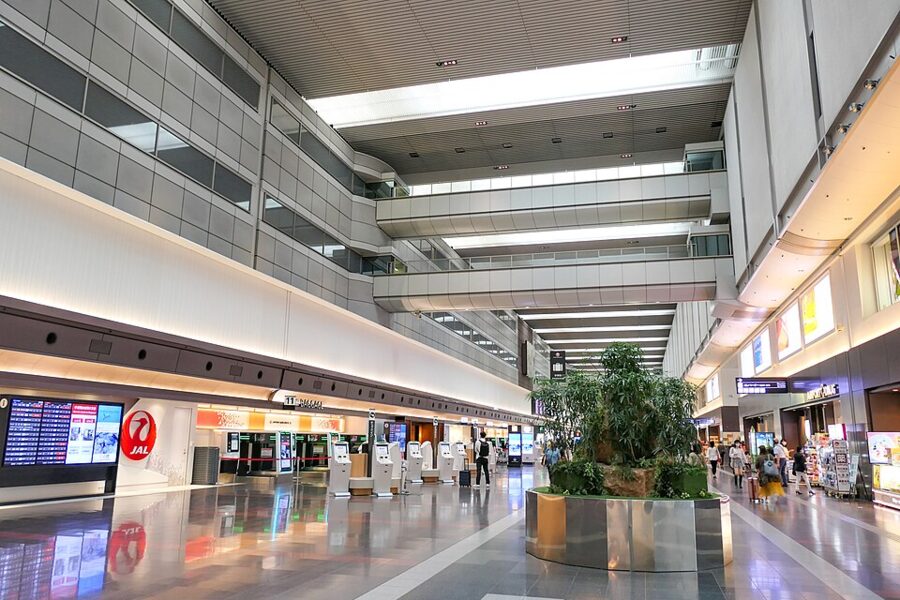
The building has three public levels that matter here. The arrival lobby and the station ticket gates are on 2F, departures and check-in on 3F, and the free shuttle bus to the domestic terminals leaves from 1F. Everything below is landside. The airport says all its lockers are outside the gates, and so are the baggage counters, so whatever you leave has to go in before you pass security.
Coin lockers on 2F and 3F
There are three banks of lockers in Terminal 3, and the airport lists them as one in the 2F arrival lobby and two in the 3F departure lobby, at the north and south ends. All three charge the same: small ¥500, medium ¥700 and large ¥900 for each 24 hours. The south bank on 3F adds an extra-large locker at ¥2,000.
Every locker is 35.2 cm wide and 67.8 cm deep. What changes is the height: 32 cm for a small, 51 cm for a medium, 87 cm for a large and 175 cm for the extra-large. They are keyless, so there is no key to carry, and the airport’s coin locker page links to a live count of which sizes are free (Haneda Airport coin lockers).
Those dimensions are the part people get wrong. A standard 55 cm cabin case is 40 cm wide, too wide to slide in flat, but laid on its side it fits a medium at ¥700. A 24-inch or 28-inch checked case stood upright goes into a large, as long as its narrow side is under 35 cm. If your case is a fat 30-inch with expanders, measure it before you queue, or go straight to the counter.

The staffed counters, open all night
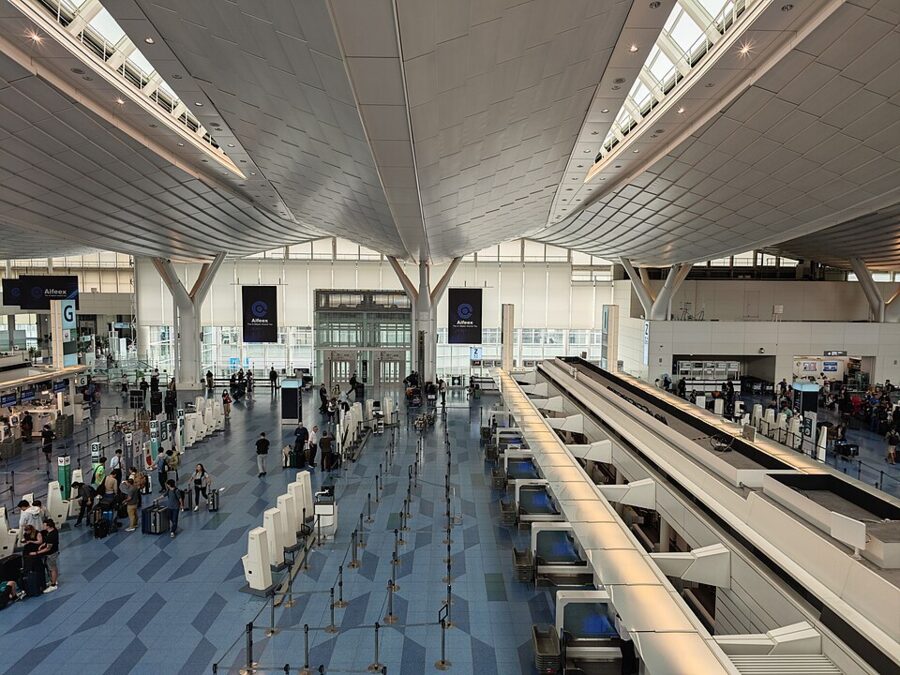
Terminal 3 has two staffed baggage counters, both run by JAL ABC and both open 24 hours. The arrival-floor counter is on 2F, at the back on the right as you leave the arrival exit. The departure-floor counter is on 3F in front of check-in counter K.
The airport calls the service temporary baggage storage (手荷物一時預り所), and prices go by the total of length, width and height. Under 120 cm costs ¥800 for 24 hours, 120 cm to under 200 cm costs ¥1,000, and 200 cm to 300 cm costs ¥2,000. Most suitcases land in the middle band. Skis and surfboards are accepted (Haneda Airport baggage storage).
Bags can stay up to two weeks, with a ceiling of 300 cm in total and 30 kg in weight. You pay when you collect, not when you drop off, and the operator warns it may stop taking bags when the storeroom is full (JAL ABC baggage storage). For a case that won’t go in a locker, or a stay longer than a week, this is the answer.

The ecbo counter in the station
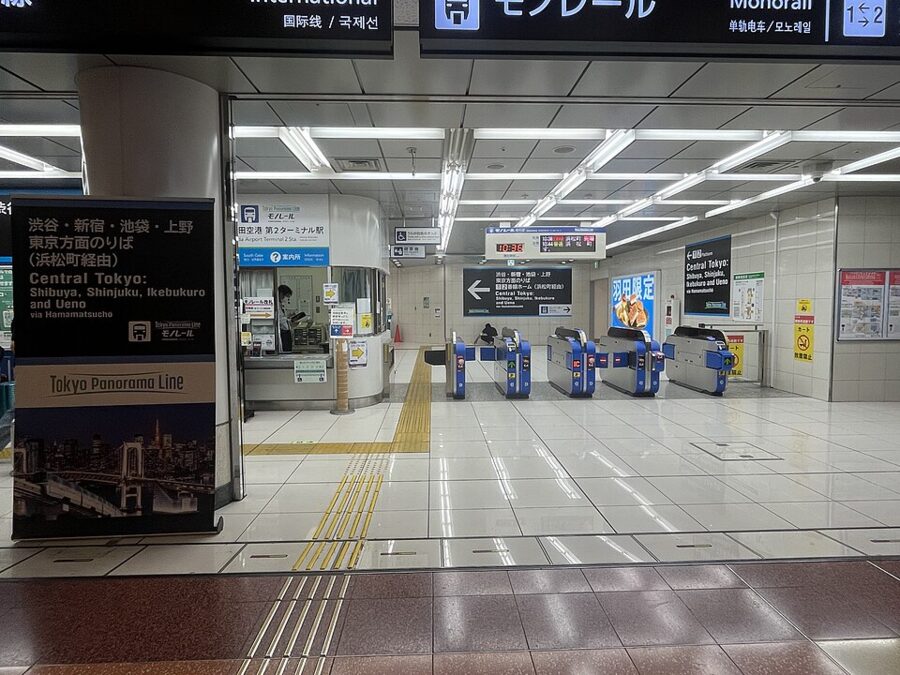
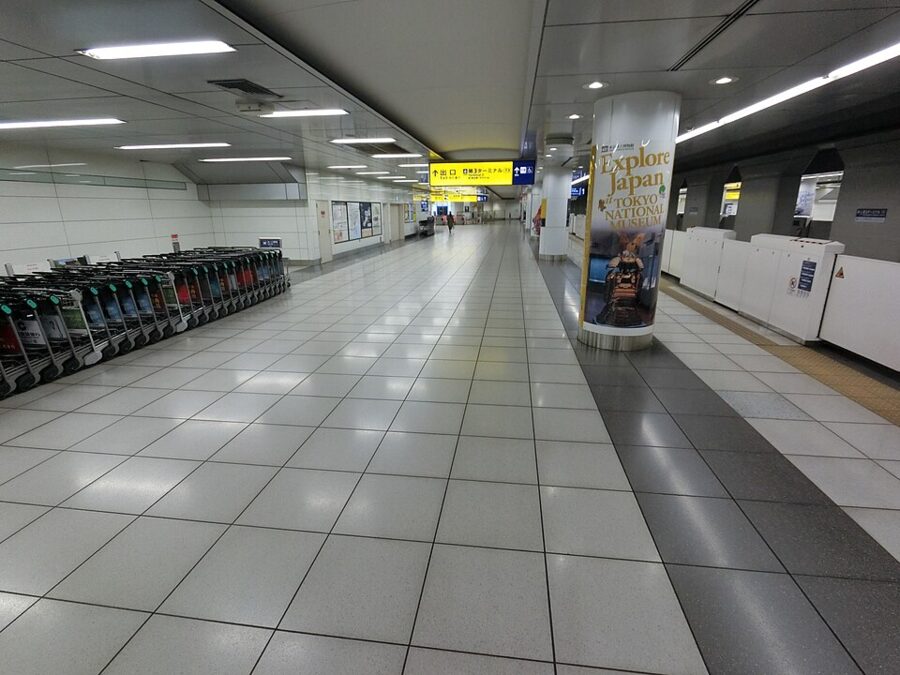
The third counter is not in the terminal at all. It is on 2F of Haneda Airport Terminal 3 Station, beside the escalator behind the KEIKYU Tourist Information Center, and it is run by the luggage company ecbo with the Keikyu railway. Since 17 August 2026 it has been open 07:00–23:00 (Keikyu notice).
Its storage is for the same day only: ¥500 for a backpack-size bag and ¥1,000 for a suitcase, with no overnight stays. Payment is cashless only, by card, contactless, transport IC card, QUICPay, iD or WeChat Pay. You also need an ecbo cloak account, which takes a few minutes on the phone; do it before you land if you can.
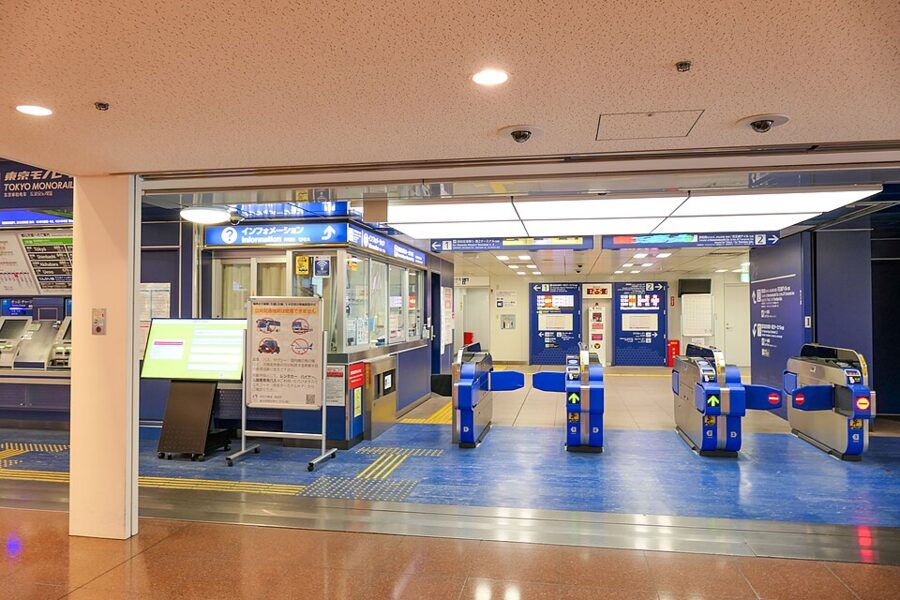

On price alone it loses to a ¥900 large locker. Its real use is the same-day delivery it runs from the same desk.

Bonded storage, for goods that have not cleared customs
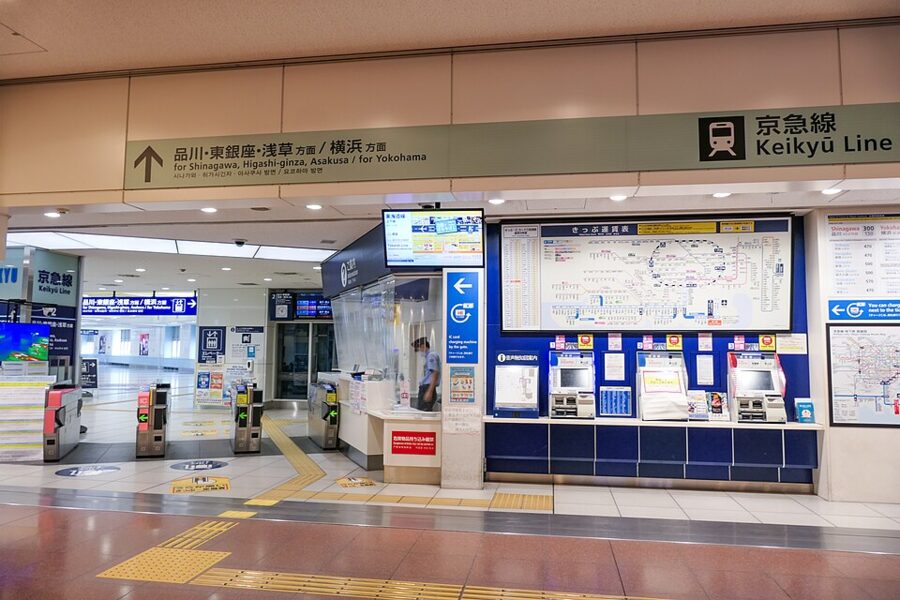
One more desk on 2F does something different. The bonded baggage custody counter, open 24 hours, holds goods that need import or export customs procedures in a customs-licensed warehouse while you are in Japan. It is not left luggage for a suitcase of clothes; it is for the commercial sample or the item customs won’t let through on the spot.
The rules that catch people out
The 24-hour clock is the first. Haneda counts a day as 24 hours from when you start, so a bag dropped at 23:00 and collected at 08:00 the next morning costs one day, not two. That is kinder than Fukuoka, where a locker day ends at midnight however late you put the bag in.
The seven-day limit is the second. A locker can be used for up to seven days counting the first day; after that, the airport empties it, moves the contents to a storeroom and keeps them for 30 days. For anything longer than a week, use the counter.
- Lockers in Terminals 1 and 2 take cash, credit cards, transport IC cards and QR payments. The airport only describes the Terminal 3 lockers as keyless, so carry some yen and an IC card to be safe.
- Nothing can be left airside. Once you are through security, the last chance to drop a bag has gone.
- ecbo refuses valuables, cash, live animals and dangerous goods, and the airport counters say some items may be turned away.
- All the counter prices are per bag. Two cases cost twice.

Terminals 1 and 2, the domestic side
Terminal 1 is JAL’s domestic terminal and Terminal 2 is ANA’s, and both are across the airfield from Terminal 3. You will only use them for left luggage if you are flying on within Japan, or flying ANA internationally from Terminal 2. Their lockers are cheaper than Terminal 3’s and their staffed counters keep office hours.
Terminal 1
Terminal 1 has lockers on three floors, all before security: B1F (area A), 1F (areas C and D) and 2F (areas E to H). Prices are small ¥400, medium ¥500, large ¥600 and extra-large ¥1,000 a day, and only the B1F bank has the tallest size, 175 cm, at ¥1,500. Sizes match Terminal 3’s, and every bank takes cash, cards, IC cards and QR codes.
The staffed storage counter is on B1F in the south terminal lobby, open 08:00–19:30, at the same ¥800, ¥1,000 and ¥2,000 per day as Terminal 3. The JAL baggage counter in the 1F arrival lobby is a different thing: it holds bags for the same day only.

Terminal 2, including its international wing
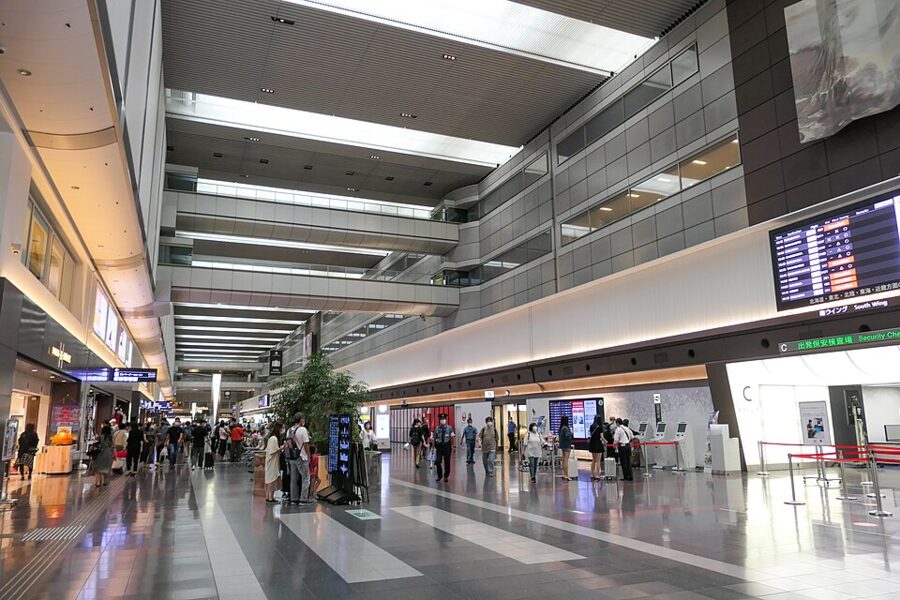
Terminal 2 spreads its lockers over 1F (areas B and C), 2F (D and E on the domestic departure and international arrival side, and F in the international arrival lobby) and 3F (G, by the shops and the international departure lobby). Prices are the same as Terminal 1. The 175 cm lockers are on 1F, but not in area C.
The staffed storage counter is on B1F in the north terminal lobby, 08:00–19:30, at the usual three prices. For international passengers there is a bonded baggage desk in the 2F international arrival lobby and a Yamato counter in the 3F international departure lobby, open 06:00–23:00, for collecting bags sent ahead.


Getting between the terminals
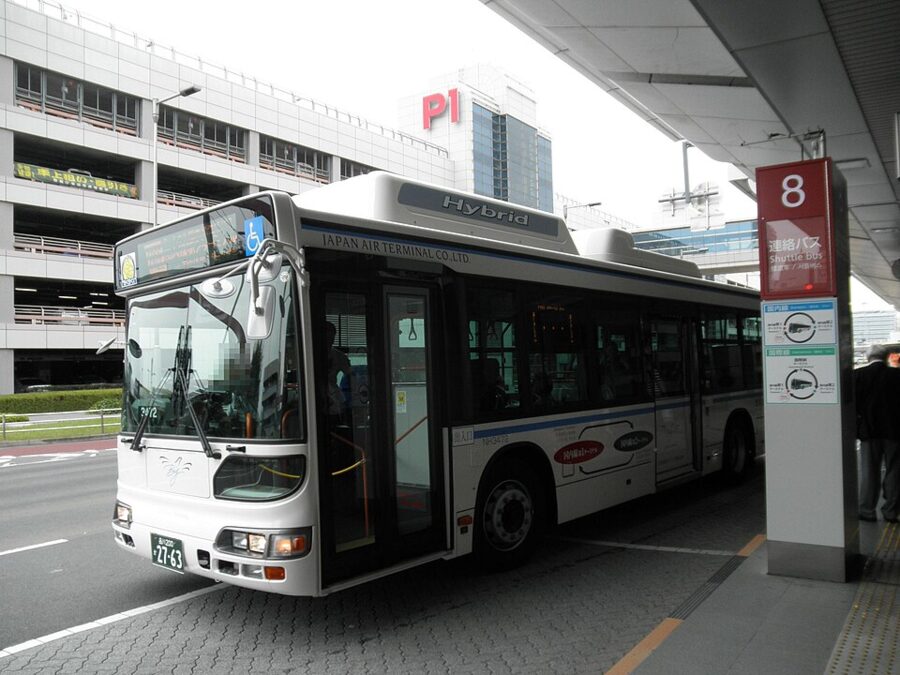
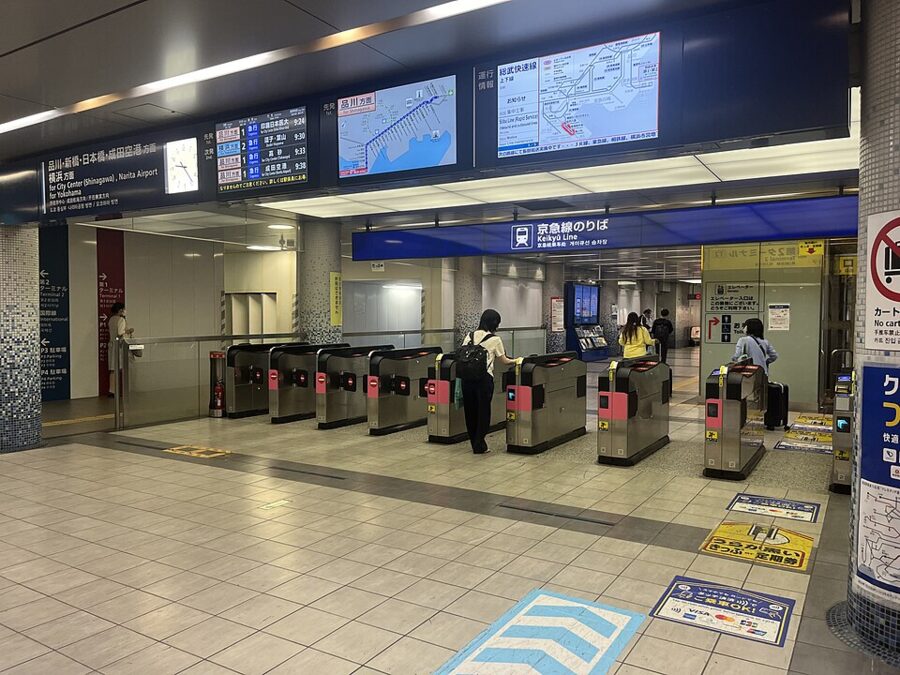
The free shuttle bus links all three terminals. In Terminal 3 it leaves from bus stop 0 on 1F, one floor below arrivals; in Terminal 1 it stops at bus stop 8 in front of the 1F arrival lobby, and in Terminal 2 at stop 9. Under the timetable in force since 18 August 2026, buses run every four minutes from 05:00 to 20:00 and every eight minutes from 20:00 to midnight (Haneda Airport, travel between terminals).
The first bus from Terminal 3 is at 04:47 and the last at 01:15, calling at Terminal 1 and then Terminal 2. Allow for traffic on the airport roads; the airport itself warns the buses run a little late.

The trains are quicker, and both lines run one stop between Terminal 3 and Terminals 1–2, but they charge a fare. The exception is a passenger changing flights: the information counters (B1F in Terminals 1 and 2, 2F in Terminal 3) hand out a free transit boarding ticket, valid on Keikyu or the monorail, to anyone connecting domestic to international, international to domestic or international to international. You need your passport and boarding pass.
Between Terminals 1 and 2 there is normally a 400-metre underground walkway with moving walkways, but it is out of service while a connecting walkway is built. Take the bus or a train.

What this means in practice: leave the bag at the terminal you will fly out of. If you land at Terminal 3 from Hong Kong and fly on to Sapporo from Terminal 2 tomorrow, the ¥600 large locker in Terminal 2 is cheaper than Terminal 3’s ¥900, and you won’t be dragging the case on and off a shuttle at 06:00. If you are flying back to Hong Kong, keep it in Terminal 3.

Sending the bag to your hotel instead
The best thing to do with a suitcase on your first afternoon in Tokyo is often to get rid of it altogether. Hotels won’t check you in until 15:00, and a Tokyo train at 09:00 is no place for a 28-inch case. Haneda has three ways to send it ahead.
Same day, from the Terminal 3 station counter
The ecbo counter on 2F of Terminal 3 Station takes bags for same-day delivery to hotels and other accommodation in Tokyo’s 23 wards, Kawasaki and Urayasu. It accepts them from 07:00 to 16:00, and Keikyu’s September 2025 notice put delivery at around 19:00 the same day. As of the Keikyu notice of 6 November 2026, the prices are:
- up to 120 cm (length, width and height added up): ¥1,600
- 120–160 cm: ¥2,100
- 160 cm or more: ¥3,700
You can book online in English or Traditional Chinese (ecbo delivery) or turn up at the counter, and you pay there in cash or by card, IC card, QUICPay, iD or WeChat Pay. Insurance up to ¥100,000 is included. The hotel holds the bag at the front desk, so a late check-in is fine.

The other way: from the city to Terminal 3
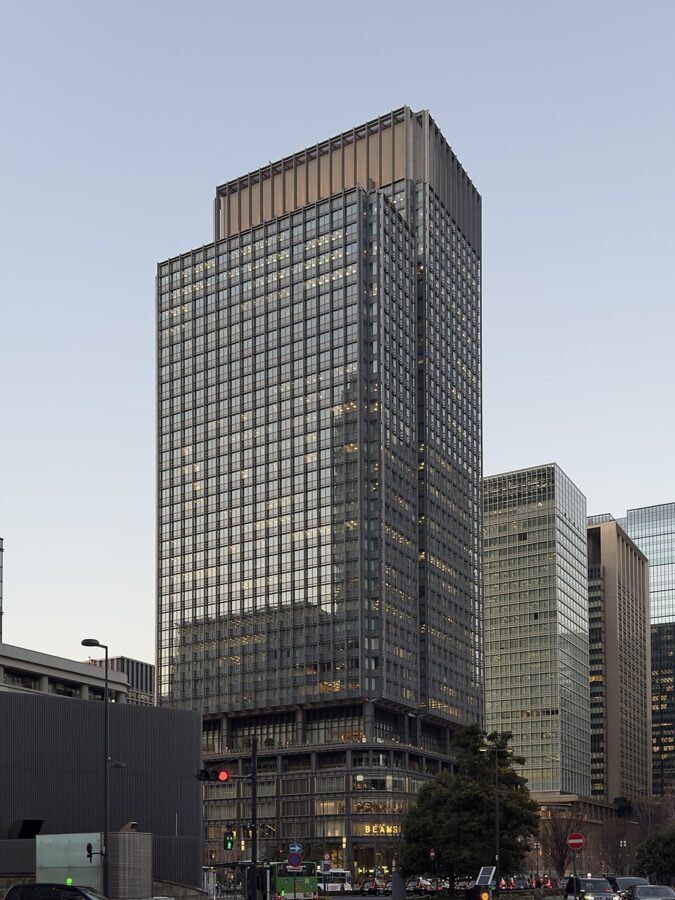
Since March 2026 the same service runs in reverse. You leave your bag in Tokyo in the morning and collect it at Terminal 3 Station before your flight home. The drop-off points include ecbo cloak Marunouchi on B1 of the Shin-Marunouchi Building by Tokyo Station (09:00–14:00), the Gift Salon on 2F of Odakyu Department Store in Shinjuku (10:00–13:00) and the TOBU Tourist Information Center in Asakusa (08:00–14:00), plus eleven more, several of them hotels that take bags from their own guests only.
Prices are the same three sizes, but this direction is paid by credit card only. Bags are collected at the Global WiFi counter on 2F of the station. Keikyu’s November notice gives collection hours of 16:00–23:00, while the booking page lists the airport collection point as open 07:00–16:00; go by the time on your booking confirmation, and if your flight leaves before late afternoon, ask before you book.

Next day, by courier
Yamato, the black-cat courier, has a sending counter in the Terminal 3 arrival lobby open 05:00–23:00 and a collection counter on the same floor open 06:00–23:00. Its standard service is next-day, priced by size and distance; Yamato’s own example is a 160-size case from Tokyo to a Kyoto hotel, from ¥3,160 (Yamato hands-free travel). If you land in Tokyo and go straight on to Kyoto by Shinkansen, this is the way to do it.
JAL ABC’s counters in Terminal 3 do the same job in the other direction. Its airport delivery, open to passengers of any airline, collects from an address in Kanto or the neighbouring prefectures and has the bag waiting at the 3F counter by check-in counter K, for ¥2,390 for a 120-size bag, ¥2,640 for 140 and ¥2,730 for 160. Book it ahead; the operator’s price search shows the last collection date.
Two services you will read about elsewhere are less useful from Terminal 3 than they look. JAL ABC’s same-day hotel delivery, ¥1,800 a bag since its October 2025 price change, only covers partner hotels around Maihama and Shin-Urayasu and currently only accepts bags at Terminal 1 (JAL ABC hotel delivery). Its Odaiba hotels are all suspended, and the airport’s own page still shows the old ¥1,500 price at the JAL counter there. Sagawa Express has counters in Terminals 1 and 2, not 3, and gives ¥2,180 a suitcase as its typical Tokyo-to-Tokyo price (Sagawa hands-free).

Leaving the bag in Tokyo instead
Haneda sits inside the city, which changes the sums. Shinagawa is 11 minutes from Terminal 3 on the fastest Keikyu train, and Hamamatsucho 13 minutes on the monorail’s Airport Rapid. That is quicker than the 36 minutes from Taoyuan to Taipei Main Station or the 43 from Incheon to Seoul Station, so storing a bag in town is a real option rather than a gamble.
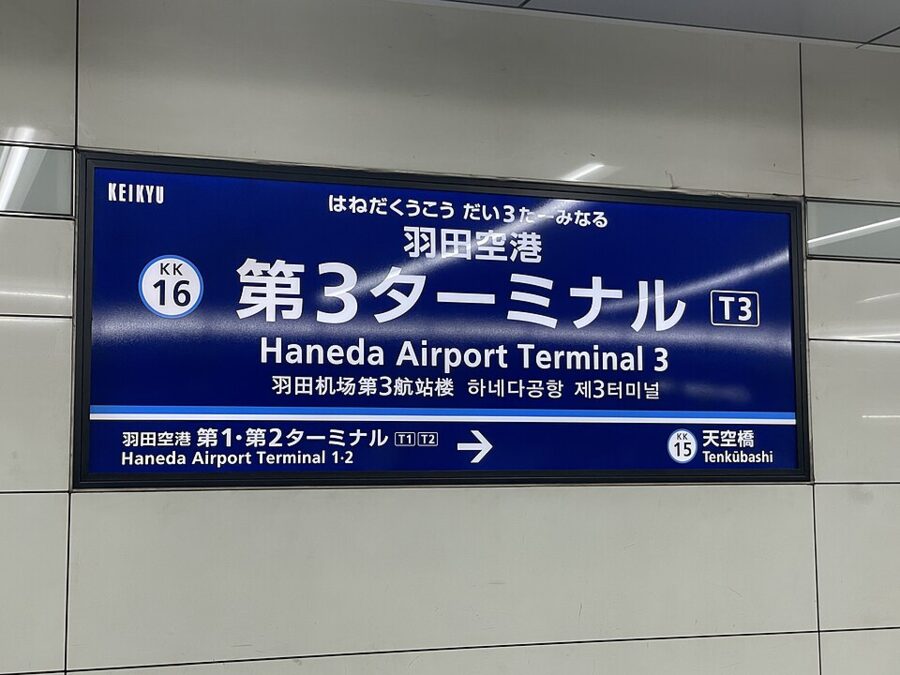
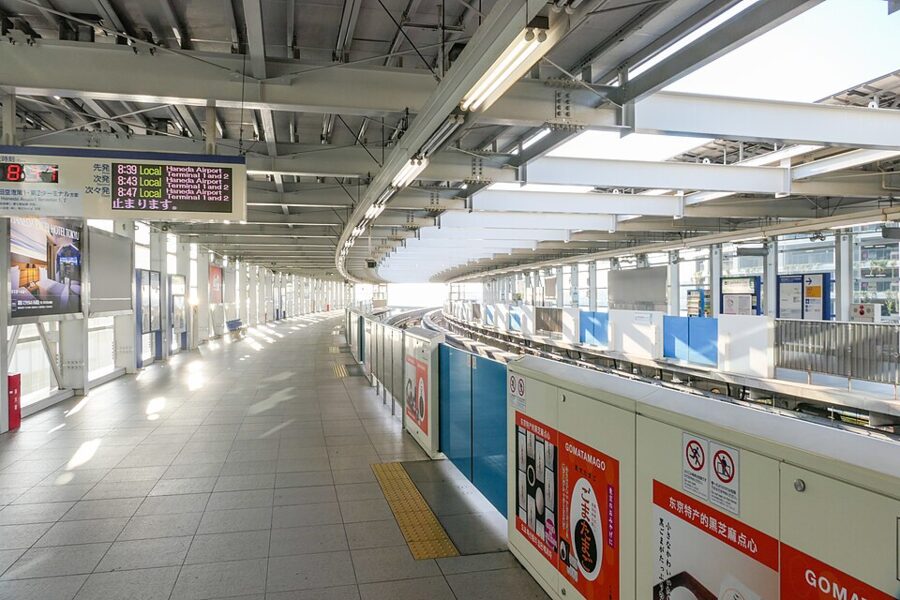
The two airport lines split at the terminal. Keikyu (京急) runs to Shinagawa and on into the Toei Asakusa Line for Higashi-ginza and Asakusa, with some trains to Yokohama. The Tokyo Monorail (東京モノレール) runs to Hamamatsucho for the JR Yamanote Line.

Shinagawa: good for changing trains, poor for storing bags
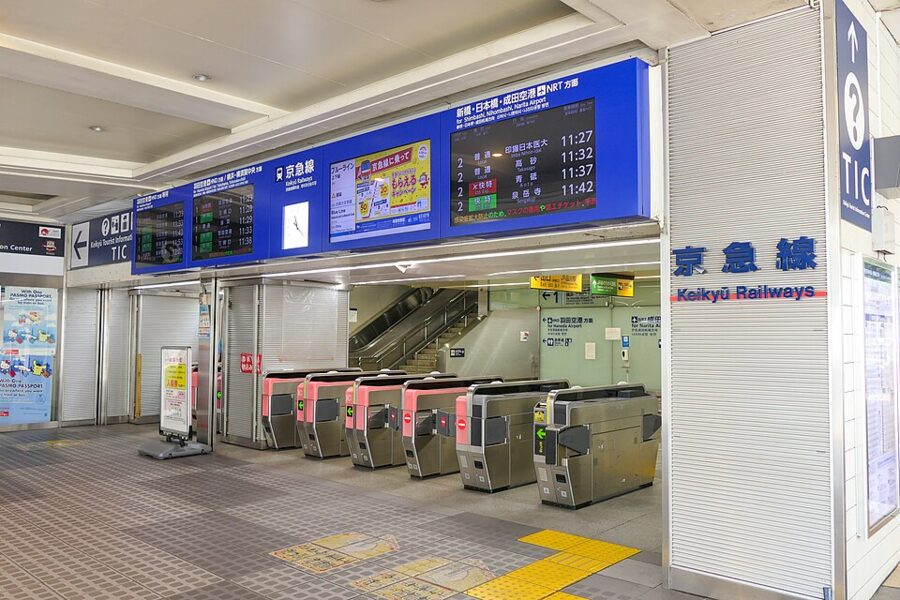
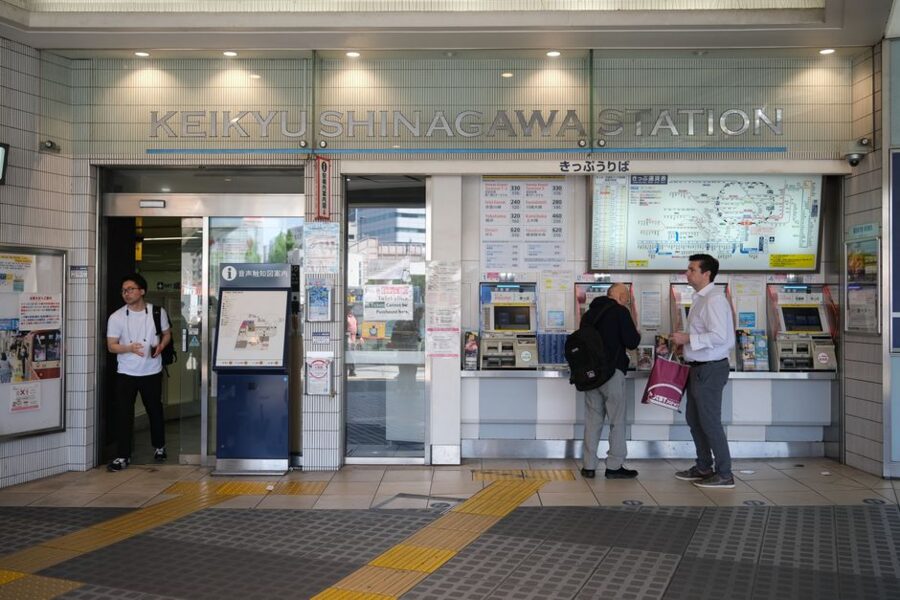
Shinagawa (品川) is where the Keikyu line meets JR’s Yamanote and Tokaido lines and the Tokaido Shinkansen, and the first thing to know is that Keikyu no longer looks after bags here. Its tourist information centre outside the Takanawa gate is now open 09:00–16:30 for tickets and travel information only; every other service has been suspended (Keikyu Tourist Information Center).
That leaves the station’s coin lockers. Shinagawa’s own locker prices and counts are not published in one place, and with a Shinkansen terminus upstairs, the large ones are in demand. The one staffed option on the ecbo network here, Shinagawa Tobu Hotel, takes bags from its own guests only.

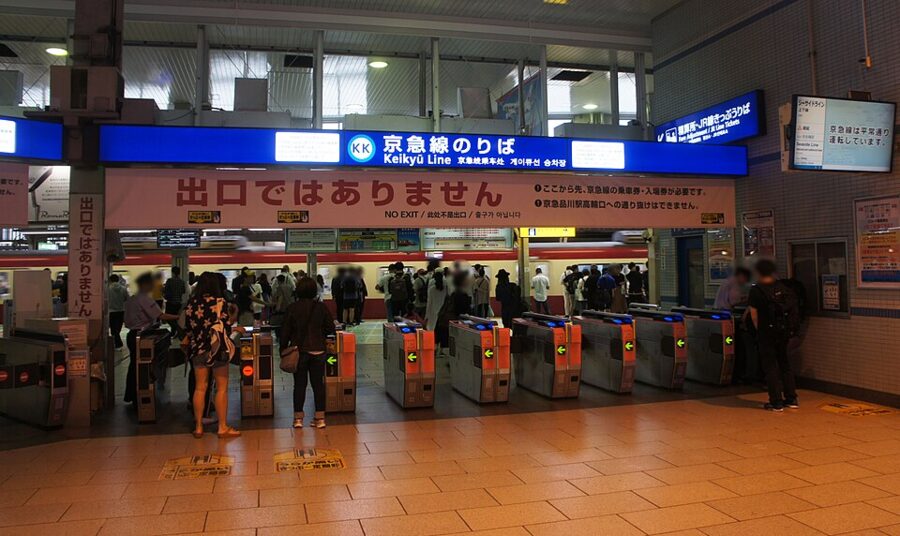

My advice is to treat Shinagawa as a place to change trains. If you need to drop a bag on the Keikyu side of town, drop it at Haneda before you board, where the lockers are bigger and the counters never shut.
Hamamatsucho: a station half rebuilt
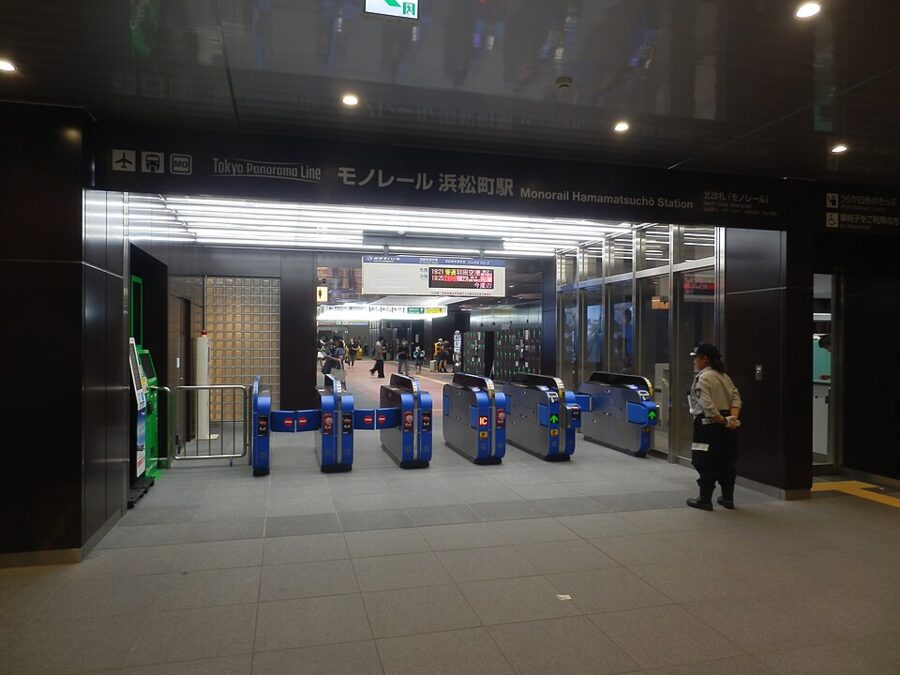
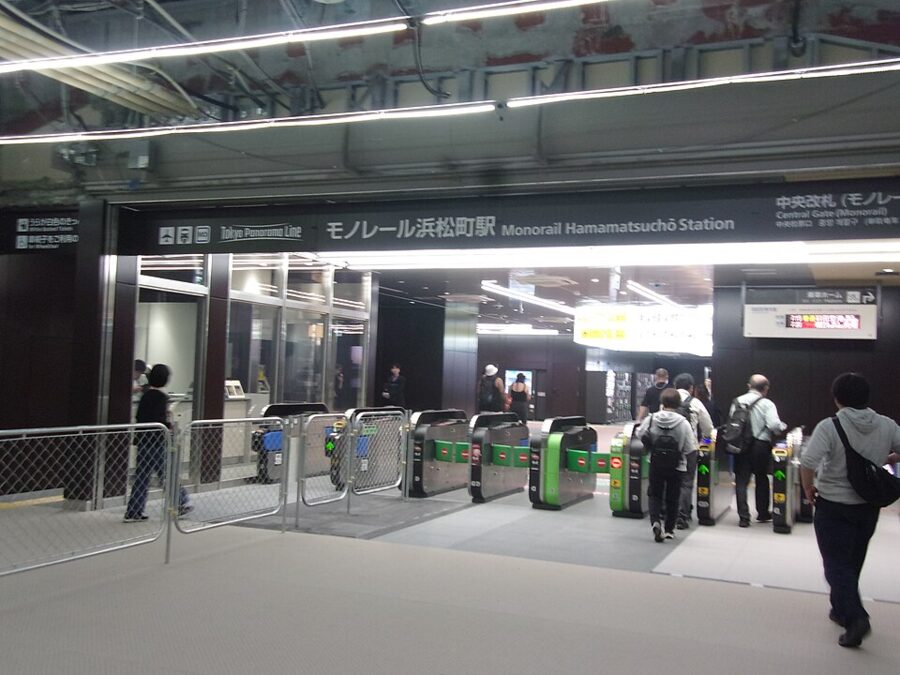
The monorail’s Hamamatsucho (浜松町) terminus is in the middle of a rebuild that runs to around 2030. On 13 June 2026 it moved everything to 3F: a new north gate and a new central gate replaced the old 3F central gate and the 2F south gate, which closed. The platforms are on 5F.
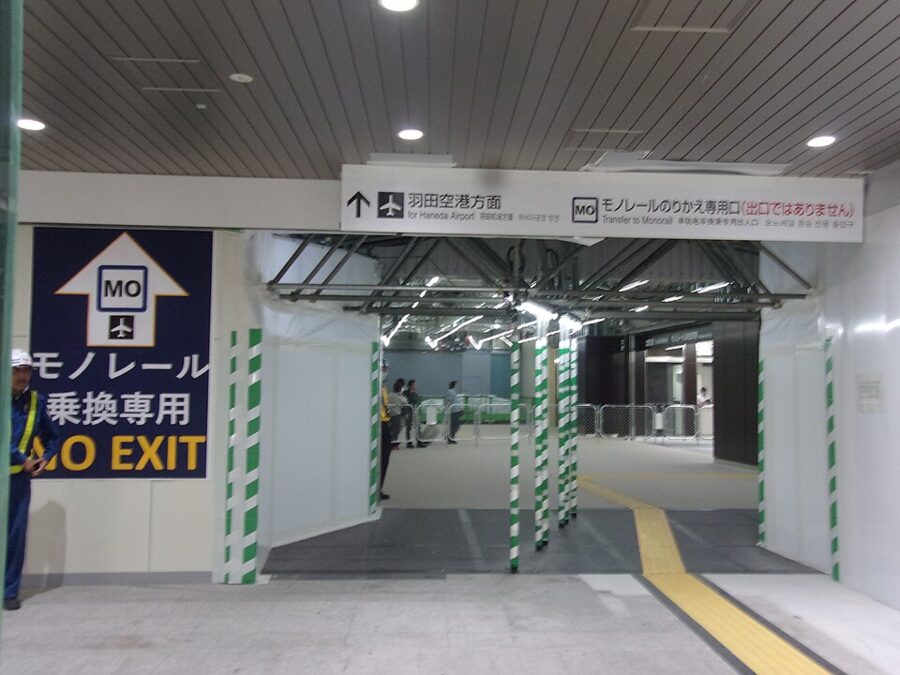
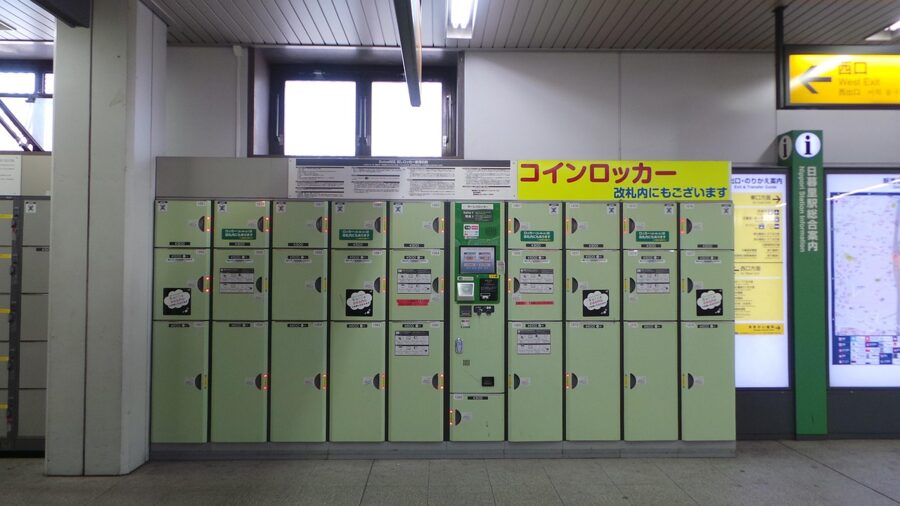
The coin lockers are inside the new north gate, on the right as you go through, next to the vending machines. They take IC cards and come in three sizes, ¥500, ¥800 and ¥1,000, according to a press preview a week before the gates opened. The catch is that the north gate is stairs-only until the building work next to it ends, so with a heavy case, come and go through the central gate, which has the lift.

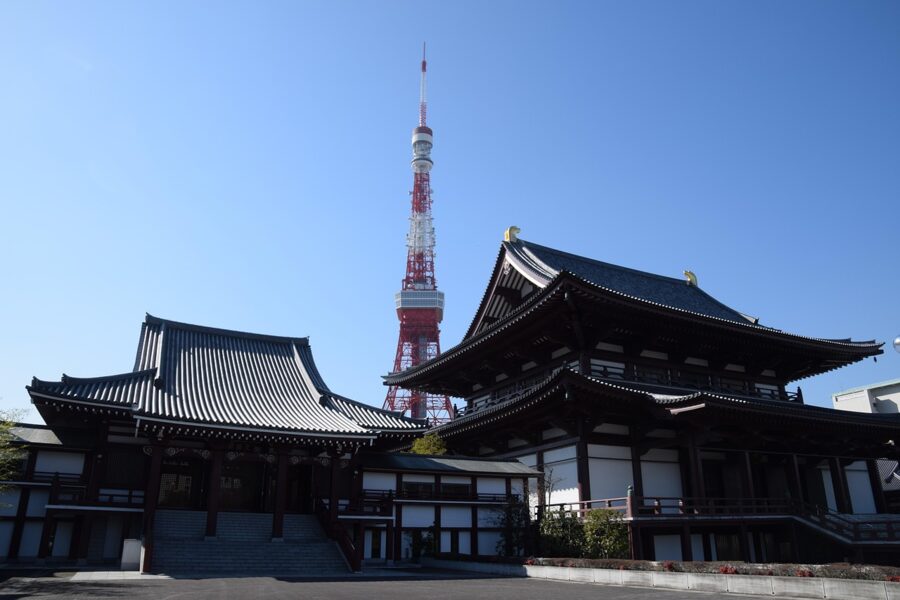
Hamamatsucho is the right place to store a bag if your afternoon is in Shiba, Zojoji or the bay, or if you are about to get on the Yamanote Line and don’t want the case with you. Otherwise the monorail’s one advantage is the 13-minute ride, and you can have that without stopping.
Tokyo Station: the most lockers, and a counter that sends bags to Haneda
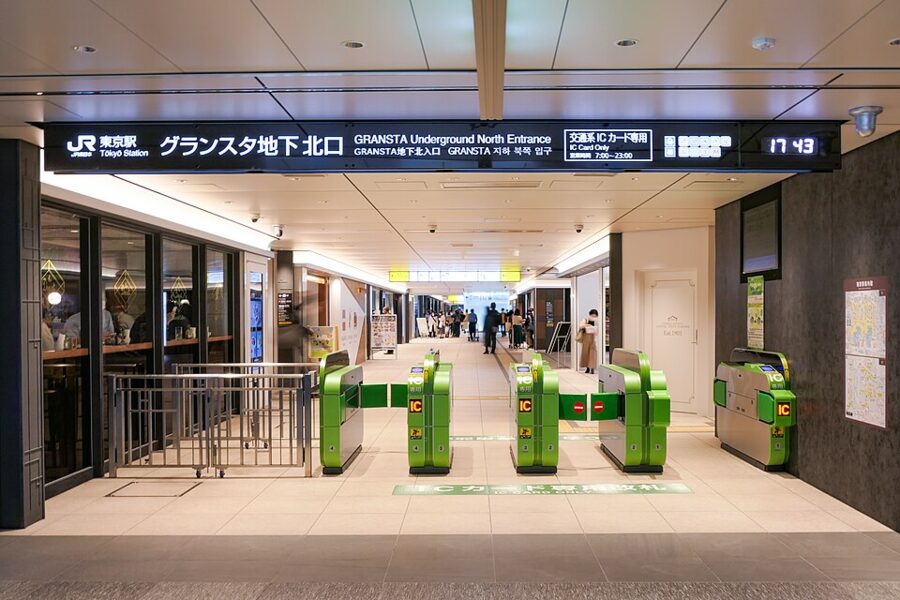
Tokyo Station has more lockers than anywhere else on these routes: JR East counted more than 100 locker sites in and around it in October 2025. The biggest bank is on B1 inside the gates near Gransta, with 728 small, 152 medium and 40 large lockers. Others are by the Yaesu North gate near the Shinkansen, by the Marunouchi Central gate, in the Marunouchi North free passage outside the gates, and in the Keiyo Line underground passage, which JR East says is usually the quietest.
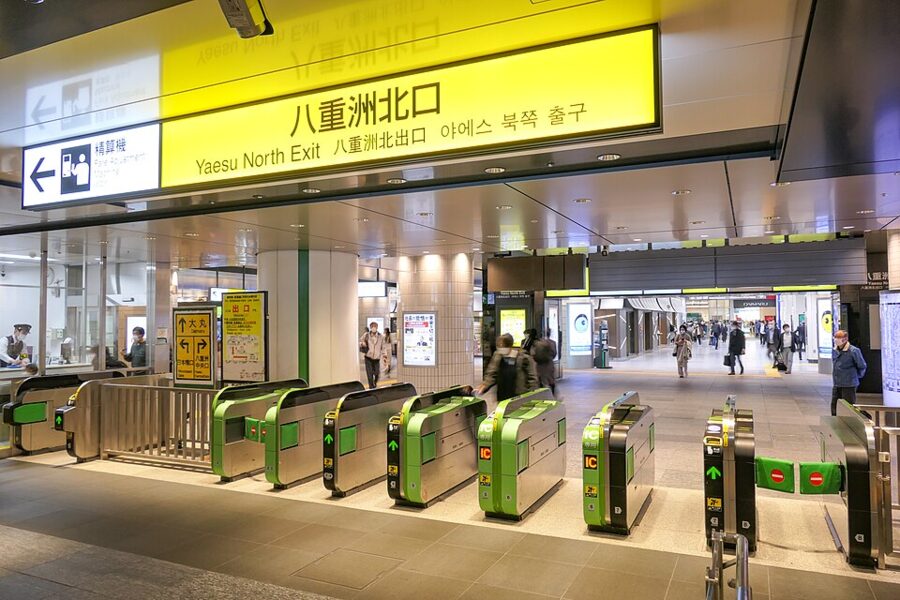

JR East gave its prices then as ¥300 for the smallest size, ¥500 small, ¥700–800 medium and ¥900–1,000 large, depending on the locker. Its Multi-e-cube lockers can be found and booked by phone up to a month ahead and add ¥100–200 to the medium and large sizes at busy times. Those are the operator’s October 2025 figures, so check the screen on the locker before you feed it.

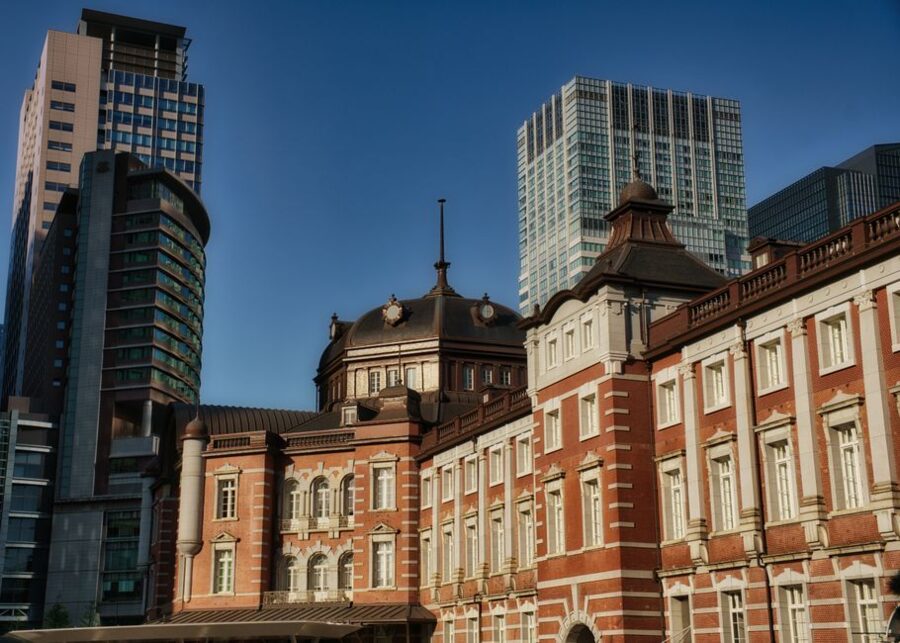
The counter worth knowing is ecbo cloak Marunouchi on B1 of the Shin-Marunouchi Building, a minute from the Marunouchi side. Besides storing bags, it is a drop-off point for same-day delivery to Haneda Terminal 3, 09:00–14:00. On a last day in Tokyo, that means you can leave the case there in the morning, spend the day in Marunouchi or Ginza without it, and pick it up at the airport.
A layover or a day in Tokyo off a Hong Kong flight
Leaving the airport means passing Japanese immigration twice, so check your passport first. An HKSAR passport gets visa-free entry to Japan for visits of up to 90 days, according to Hong Kong’s Immigration Department (HKSAR passport visa-free access). Japan’s Ministry of Foreign Affairs also lists BN(O) passports held by Hong Kong residents as visa-exempt; any other passport goes by its own rules, so check them with the Consulate-General of Japan before you book.

The arithmetic is simple. I allow an hour from landing to being on a train with the bag dealt with, about 30 minutes each way to central Tokyo, and two and a half hours back at Terminal 3 before an international departure; that is my margin, not an airline rule. On a seven-hour gap, that leaves about two and a half hours in the city.
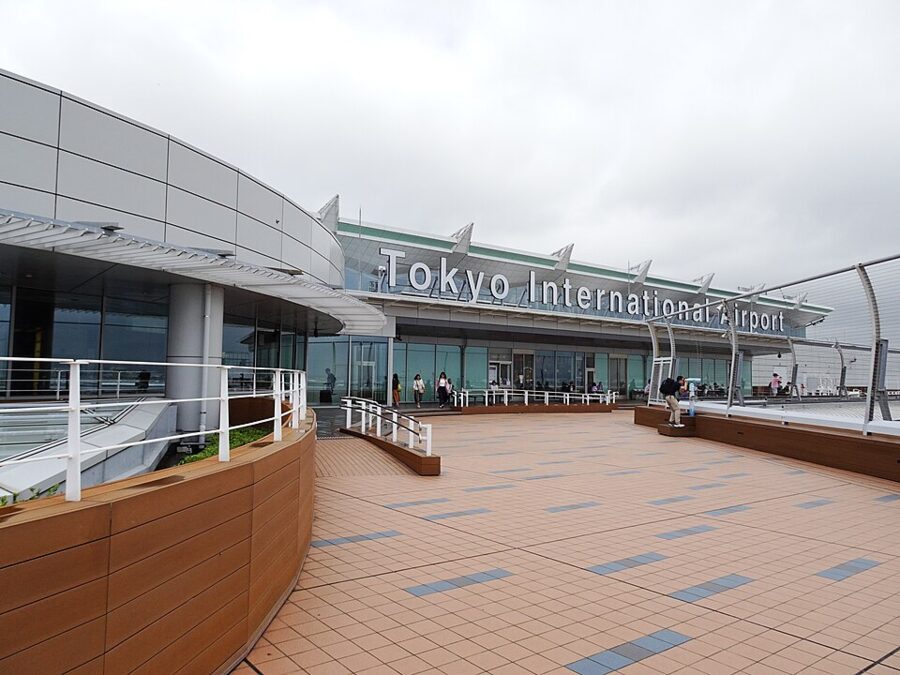
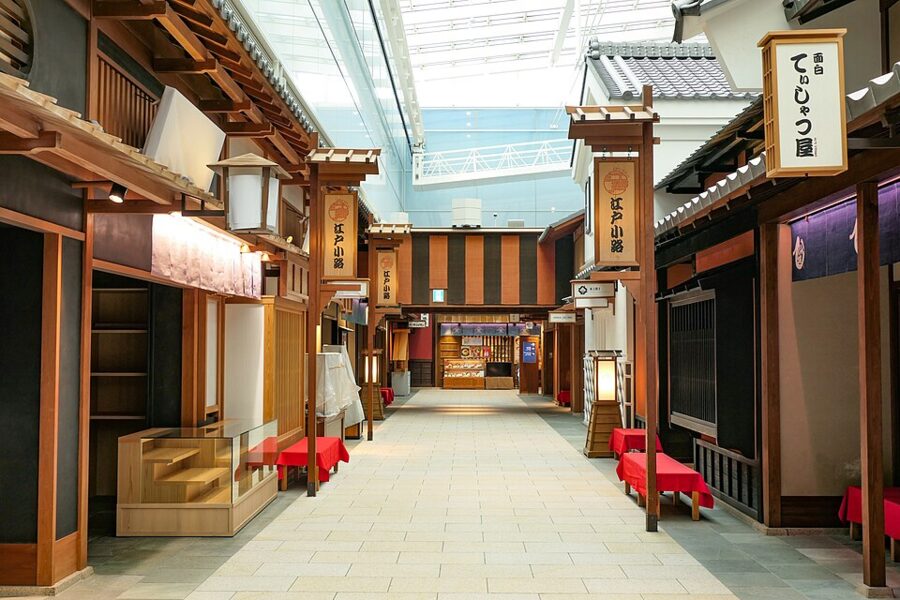
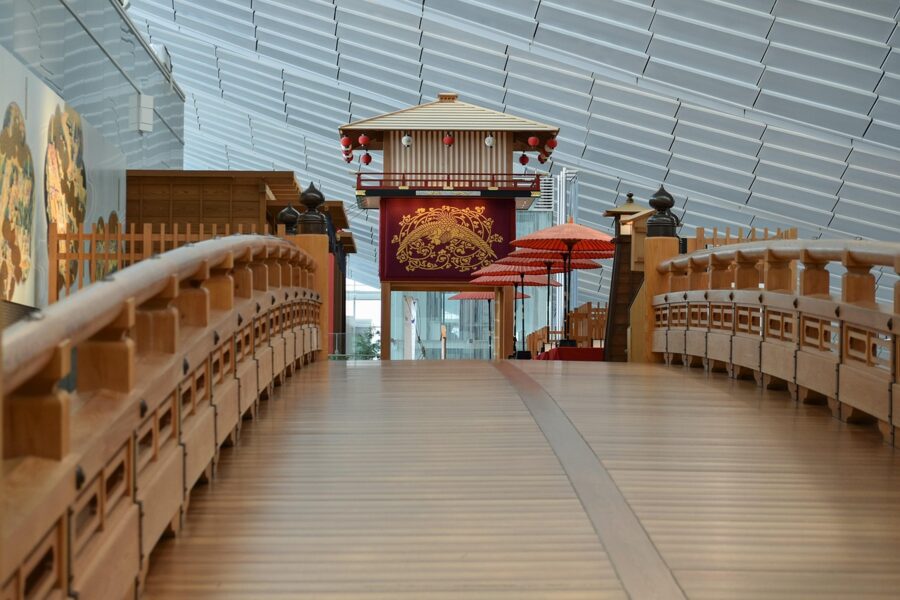
Below about seven hours I wouldn’t leave the airport. Terminal 3’s landside floors have the Edo Market Place, an old-Tokyo street of shops and restaurants, and the observation deck, and you can sit there with the bag stowed for ¥900. On a whole day, or an overnight connection, the choice below is which bag storage suits the plan.

| Option | Where | Hours | One suitcase | Limit |
|---|---|---|---|---|
| Large coin locker | Terminal 3, 2F arrivals and 3F north and south | Terminal open 24 hours | ¥900 per 24 hours | 7 days; 87 cm high, 35.2 cm wide |
| JAL ABC counter | Terminal 3, 2F and 3F (counter K) | 24 hours | ¥1,000 per 24 hours (120–199 cm) | 2 weeks; 300 cm, 30 kg |
| ecbo storage | Terminal 3 Station, 2F | 07:00–23:00 | ¥1,000, same day | No overnight; cashless |
| Same-day delivery to a hotel | Terminal 3 Station, 2F | Drop 07:00–16:00 | ¥2,100 (120–160 cm) | 23 wards, Kawasaki, Urayasu |
| Same-day delivery to the airport | Tokyo Station, Shinjuku, Asakusa and more | Morning drop-off, 14:00 at the latest | ¥2,100 (120–160 cm) | Credit card only |
| Monorail locker | Hamamatsucho, inside north gate | Station hours | ¥1,000 (large) | North gate is stairs-only |
| JR locker | Tokyo Station, 100+ sites | First to last train | ¥900–1,000 (large, October 2025) | Only 40 large at Gransta |
My pick for a layover is the Terminal 3 large locker if the case fits, and the 2F JAL ABC counter if it doesn’t. The extra ¥100 at the counter buys you no measuring, no fight for a free locker after a big arrival wave, and somewhere to go at 03:00. For a first day in Tokyo, I’d pay the ¥2,100 to have the bag sent to the hotel from the station counter and get on the train with nothing but a daypack.
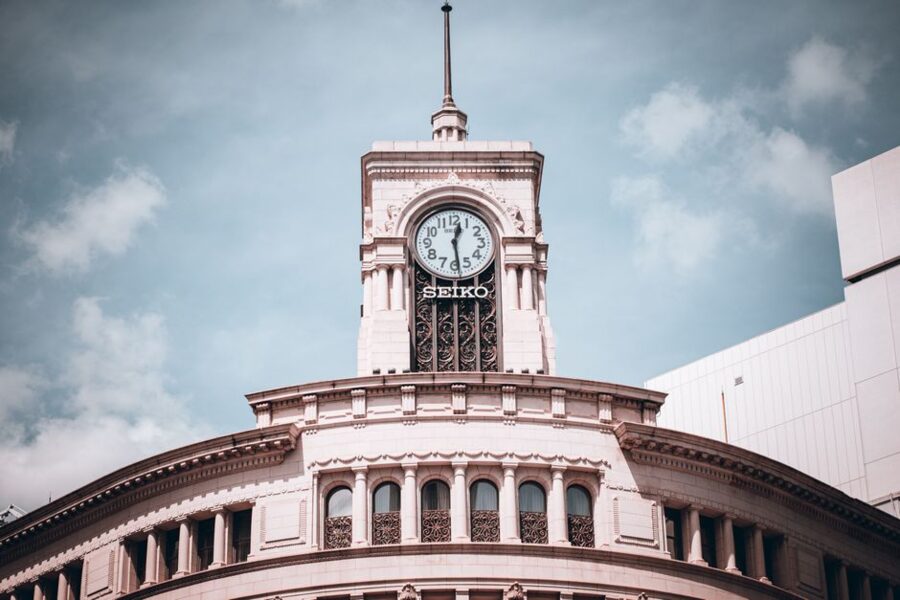
For the flight home, the reverse delivery from the Shin-Marunouchi Building is the neatest trick on the list. Hand the case over before 14:00, have a last afternoon in Ginza, and collect it at Terminal 3 Station on the way to check-in.
Before you fly, save the airport’s coin locker page with its live availability, and set up the ecbo account on your phone while you still have Hong Kong data. Then, when the doors open on 2F, turn right for the counter or look for the locker bank, and you are on the Keikyu platform with your hands free.