

Hong Kong charges no sales tax, so the number on the tag at Harbour City is the number on the receipt, and there is no refund counter to queue at before your flight. That one fact explains half the city’s shopping. The other half is geography: each district does one or two things well, and the mistake is to treat them as interchangeable.
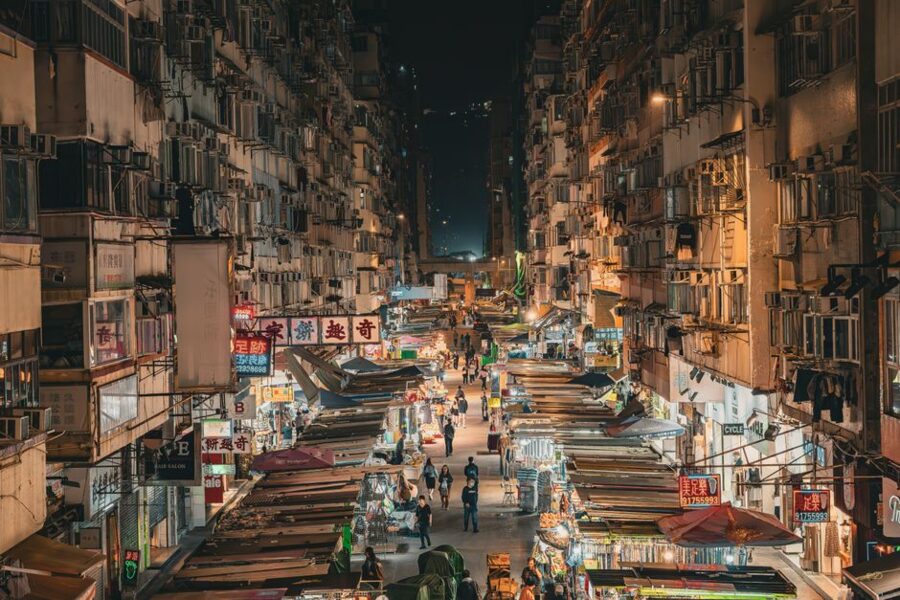
Mong Kok is for street markets and specialist streets, Sham Shui Po for electronics parts and fabric, Tsim Sha Tsui and Central for the big malls, Causeway Bay for the crowd. Stanley and Tung Chung are half-day trips.

A lot has changed since 2020. The old fabric market in Sham Shui Po has moved, Temple Street was relaunched with food stalls, and several names that guidebooks still send people to have gone. Bead Street is shrinking, and the airport’s long-promised mega-mall still has no shops.

In this article
What shopping in Hong Kong is now
The no-tax rule is real and simple: Hong Kong has no sales tax or VAT, so there is no tax-free form, no minimum spend and no airport refund. Anyone who offers to process a tourist tax refund for a fee is selling you nothing.
The allowance that matters is the one at the other end. For mainland Chinese residents going home, China raised the duty-free allowance on goods bought in Hong Kong from RMB 5,000 to RMB 12,000 in July 2024, on top of RMB 3,000 from port duty-free shops; check China Customs before you cross, because the rule is Beijing’s, not Hong Kong’s. Visitors on other passports face their own country’s customs limit on landing, not anything Hong Kong sets.
The city sells two ways. Malls are air-conditioned, fixed-price, open roughly 10:00 to 22:00 and take cards. Streets are where you haggle: market stalls, specialist streets where twenty shops sell the same thing, and the small arcades in old buildings. Most trips want some of each.
What has closed, and what has opened
Retail sales were rising again through 2026, a 16th straight month of growth by August, helped by rising visitor numbers. That has not saved everything. These are the changes that affect a visitor’s plans.
- Sham Shui Po’s fabric market moved. The Yen Chow Street Hawker Bazaar, known as 棚仔, closed on 31 January 2023 after 45 years; its traders went to the new Sham Shui Po Fabric Market on Tung Chau Street.
- Bead Street is thinning out. Three craft-supply shops on Yu Chau Street, Pei Ho Street and Nam Cheong Street announced closures for the end of August 2026, citing online shopping and rent.
- Sincere’s Sham Shui Po store closed on 4 January 2026 after 30 years.
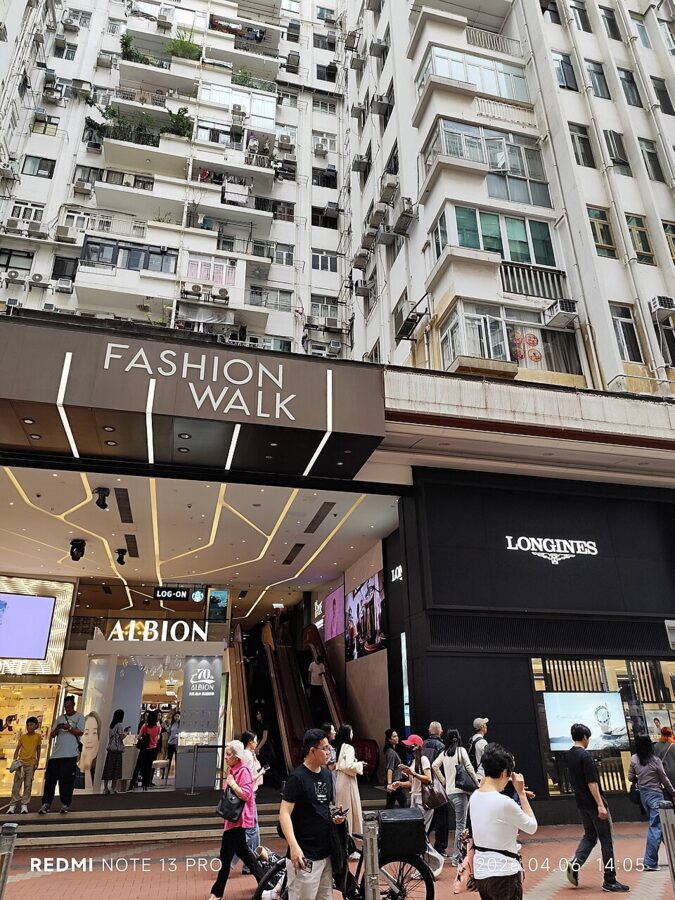
- H&M’s Causeway Bay flagship in Fashion Walk closed on 21 February 2026, and the space was split between smaller tenants.
- DFS closed its Tsim Sha Tsui East store at the end of August 2025 and sold its Hong Kong business to China Duty Free Group early in 2026. Its Canton Road store was clearing shelves in July 2026 amid reports that it too would close.
- city’super’s food hall at Times Square closed on 30 June 2025.
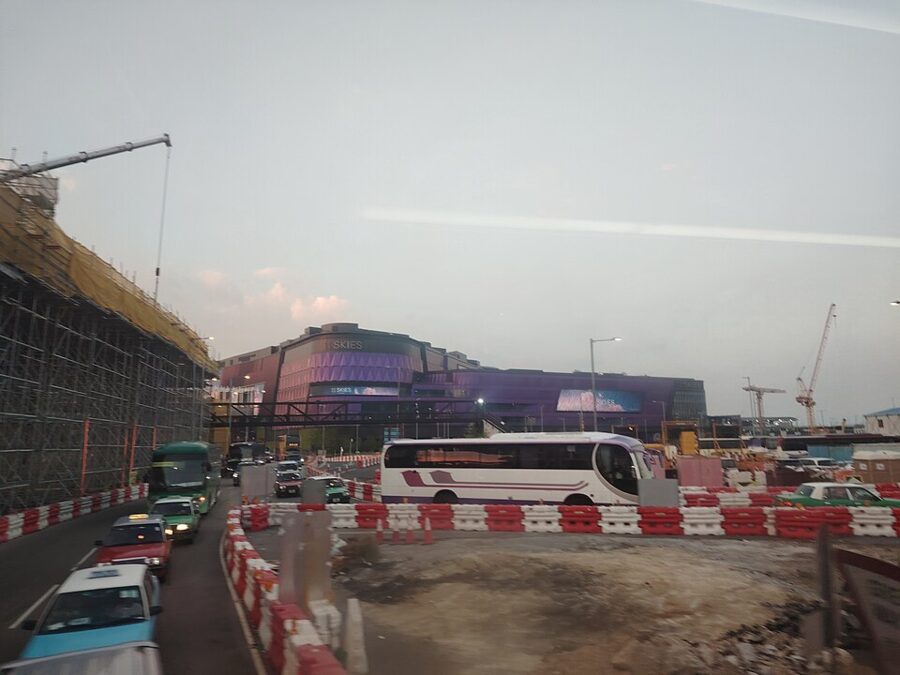
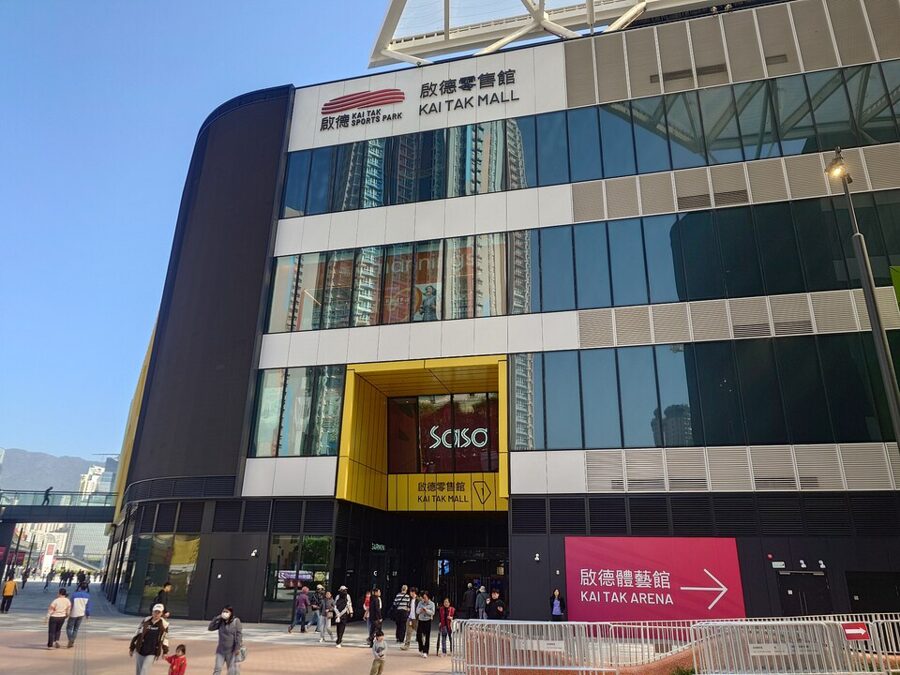
- Kai Tak Mall soft-opened in December 2024, ahead of Kai Tak Sports Park in March 2025: the one big new mall of the period.

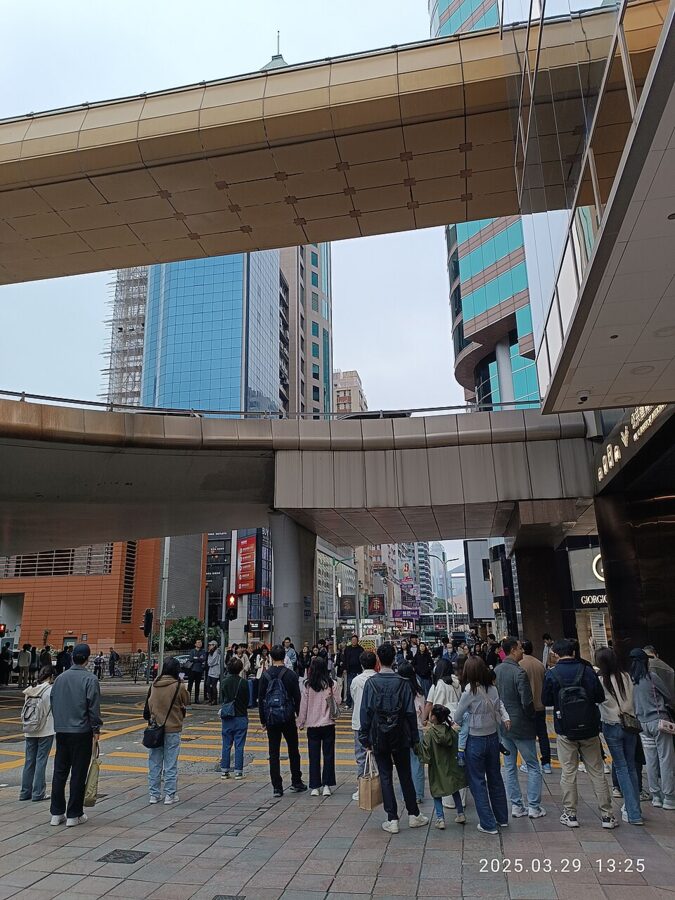
The other change is quieter. Many Hong Kong residents now do their weekend shopping across the border in Shenzhen, which helps explain why some neighbourhood malls feel empty on a Saturday while Canton Road and the SOGO crossing are packed with visitors. For you, that mostly means short queues in the places locals used to fill.

Tsim Sha Tsui and Canton Road
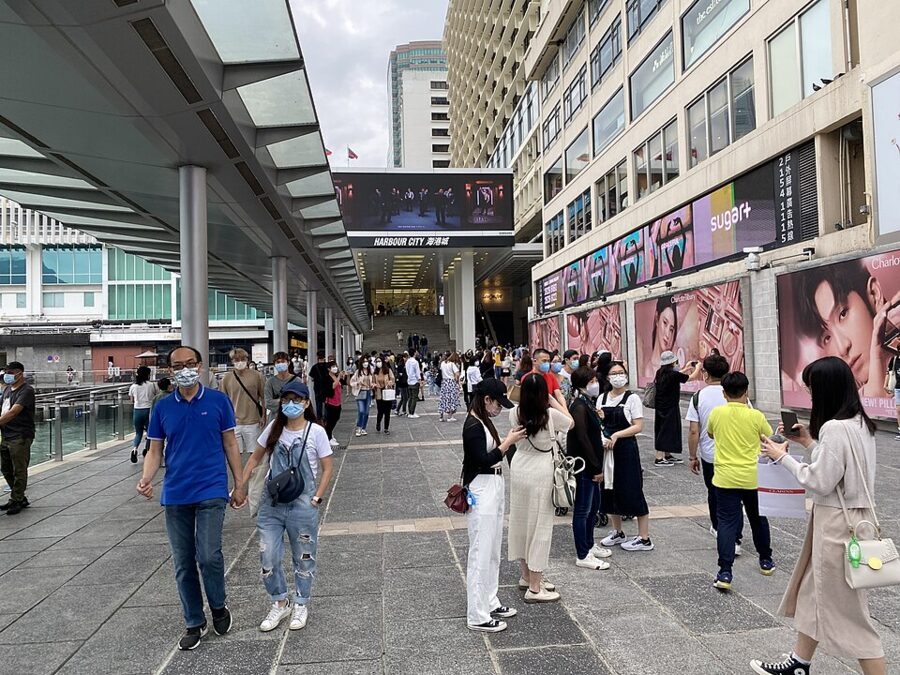
Canton Road 廣東道 is Hong Kong’s luxury street, a run of flagship stores from the Star Ferry north towards Austin Road, with Harbour City along its western side. If you want a brand’s full range in one building, this is the strip. If you want a bargain, it isn’t.
Harbour City
Harbour City 海港城 is the biggest mall on the Kowloon side: over 450 shops across Ocean Terminal, Ocean Centre, Marco Polo and The Gateway, joined by long internal corridors. The mall’s own business hours are 10:00 to 22:00 daily, though individual shops set their own. It opened in 1966 and is marking its 60th anniversary this year.
Three things make it worth the walk. The range is the widest in the city, from the fashion houses on the Canton Road side to mid-priced chains, toys and sportswear. Its Ocean Terminal Deck at the far end gives a free 270-degree view of the harbour. And the mall runs tourist privileges: register free as a “Harbour Cityzen” and you get offers that residents don’t, along with rewards for paying with Alipay+ partner wallets.
My advice is to pick a floor plan before you go in. The building is long rather than tall, the signage assumes you know which block you are in, and walking from Ocean Terminal to The Gateway end and back takes most of an hour if you browse.
K11 Musea and the waterfront
K11 Musea is the newer, more designed alternative, on the waterfront at Victoria Dockside, 18 Salisbury Road. It opens 10:00 to 22:00 daily and is reached from Tsim Sha Tsui station Exit E or East Tsim Sha Tsui station Exits J1 and J2. The building is the attraction as much as the shops: a tall atrium, a rooftop garden and the MoMA Design Store.
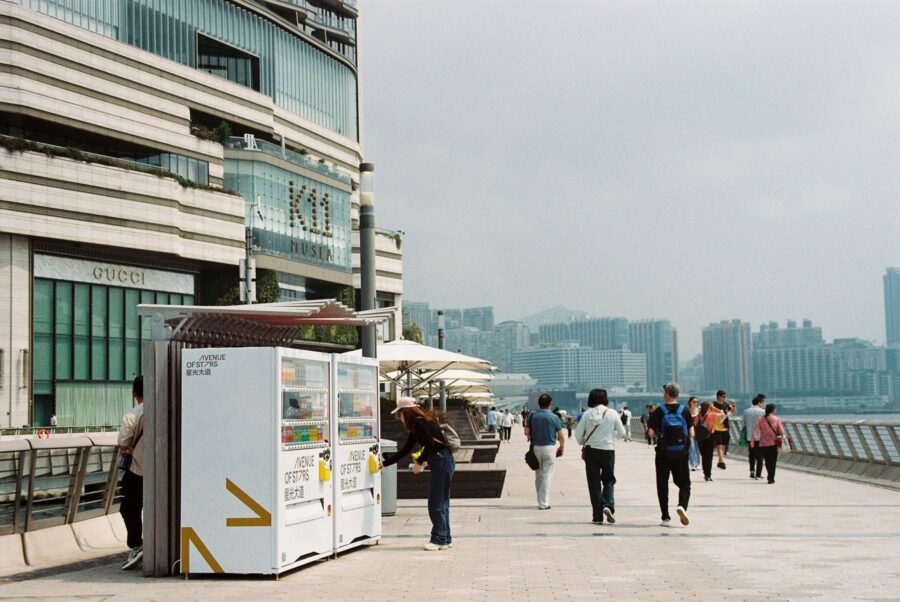
Between the two, Nathan Road and the side streets around Granville Road carry the chain stores, pharmacies and cosmetics shops that serve the hotels. They are convenient rather than special. If you only have an afternoon in Tsim Sha Tsui, spend it in Harbour City and on the waterfront, and save the side streets for Mong Kok.
Mong Kok
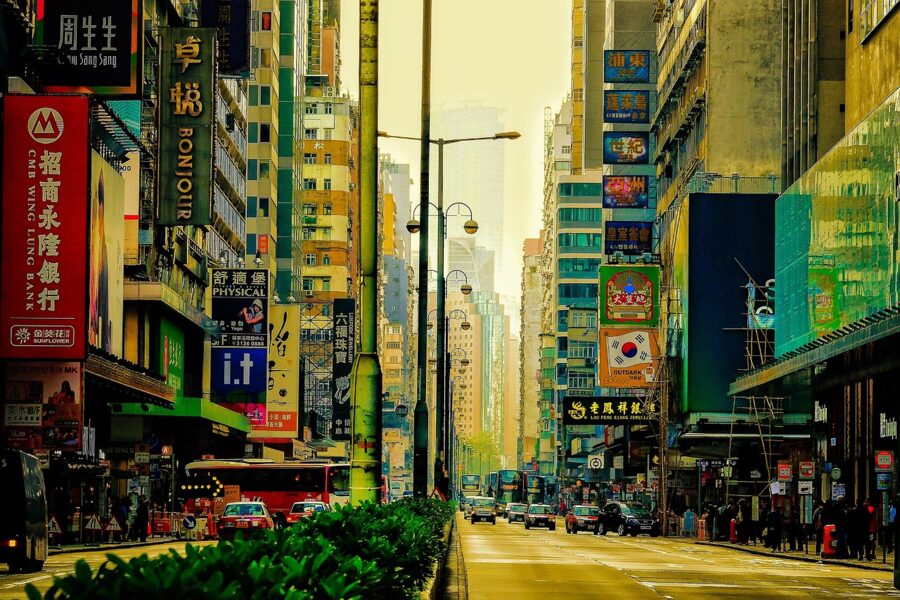
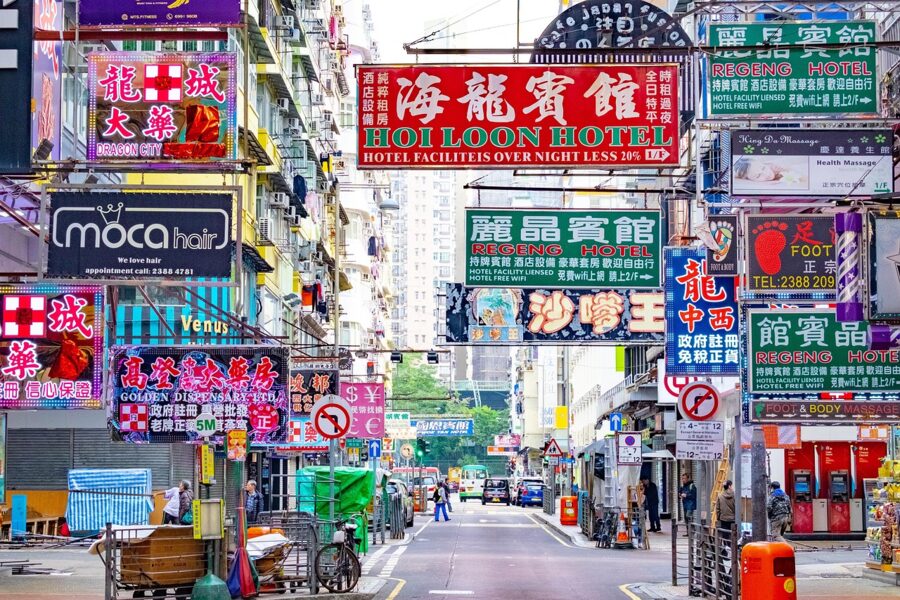
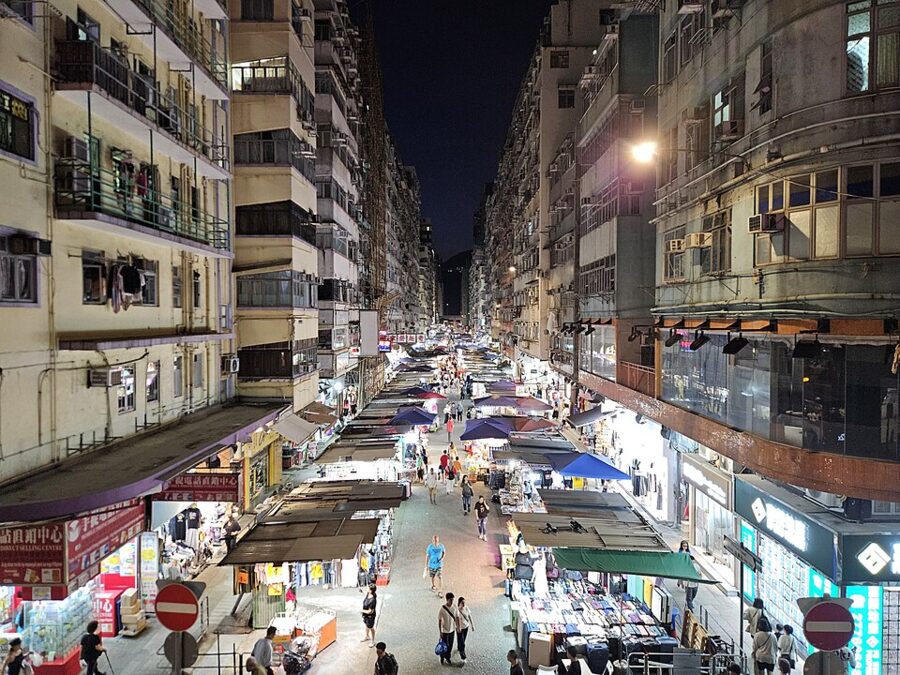
Mong Kok 旺角 is the densest shopping district in the city, and the one I would pick if a visitor had one day. It works as a grid of themed streets: one for market stalls, one for trainers, one for goldfish, one for flowers. Walk it end to end and you cover all of them in an afternoon.
Ladies’ Market
The Ladies’ Market 女人街 fills Tung Choi Street 通菜街 between Argyle Street and Dundas Street, a short walk from Mong Kok station. The Hong Kong Tourism Board counts over 100 stalls. Despite the name it sells to everyone: clothes, bags, phone cases, football shirts, Hong Kong souvenirs and a good deal of copied branding.
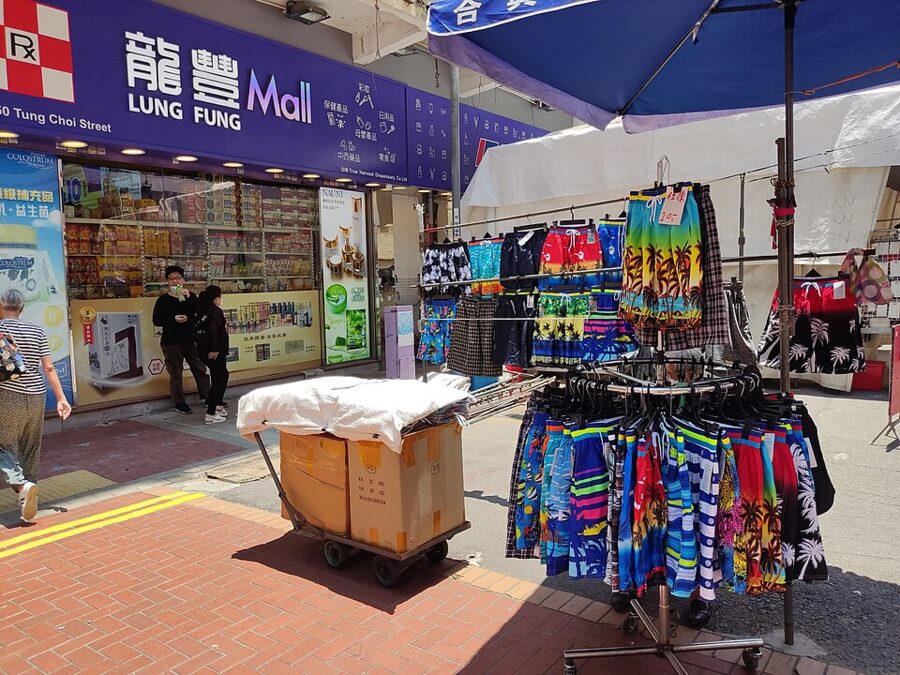

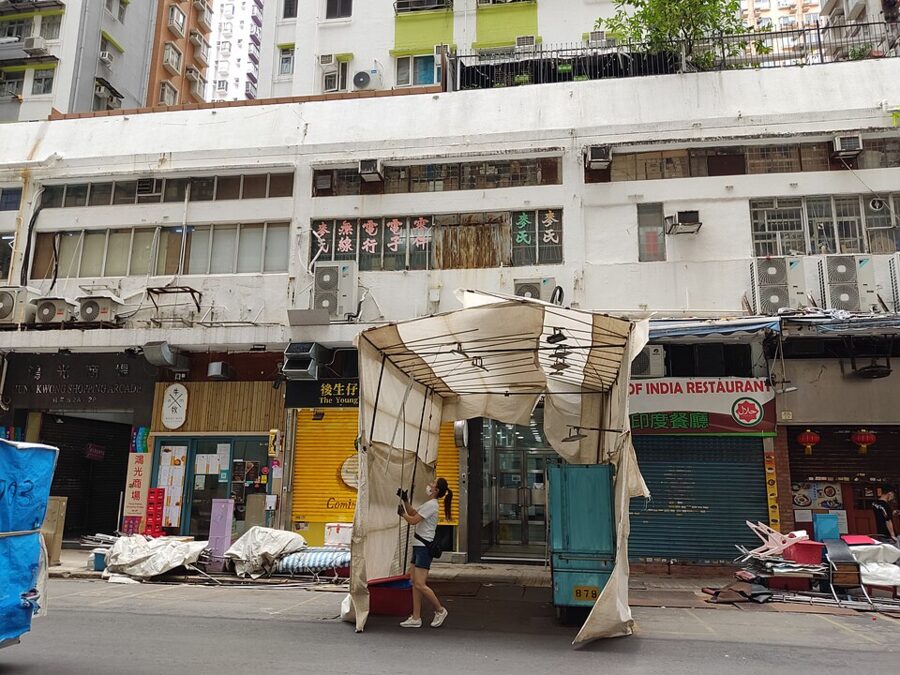
There are no official hours. The stalls are wheeled out and bolted together through the late morning, trade from around midday and are busiest in the afternoon and evening. Go before dark if you want room to look, after dark if you want the atmosphere.
Haggle here; everyone does. Treat anything with a luxury logo as a copy, because it is, and remember that bringing counterfeits home can be an offence where you live. If a pair of trousers off these rails needs shortening, the neighbourhood laundries that do small alterations will take them up.

Sneakers Street and the specialist streets
One block east, Fa Yuen Street 花園街 is “Sneakers Street” 波鞋街: its southern stretch is packed with sports-shoe and sportswear shops, many of them branches of the same few chains. Prices are fixed; the draw is choice, especially in sizes, not discount.

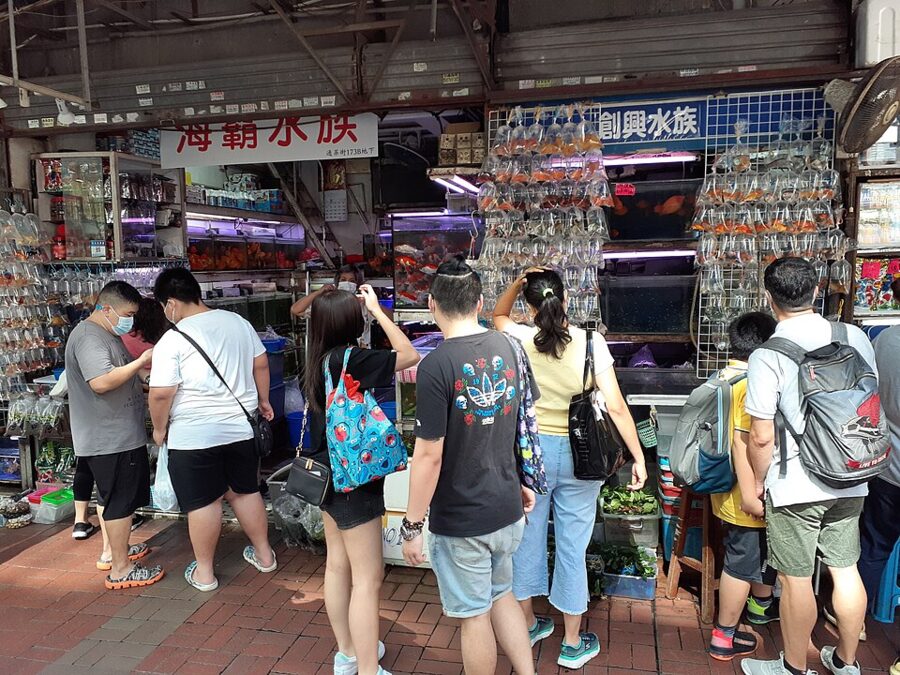
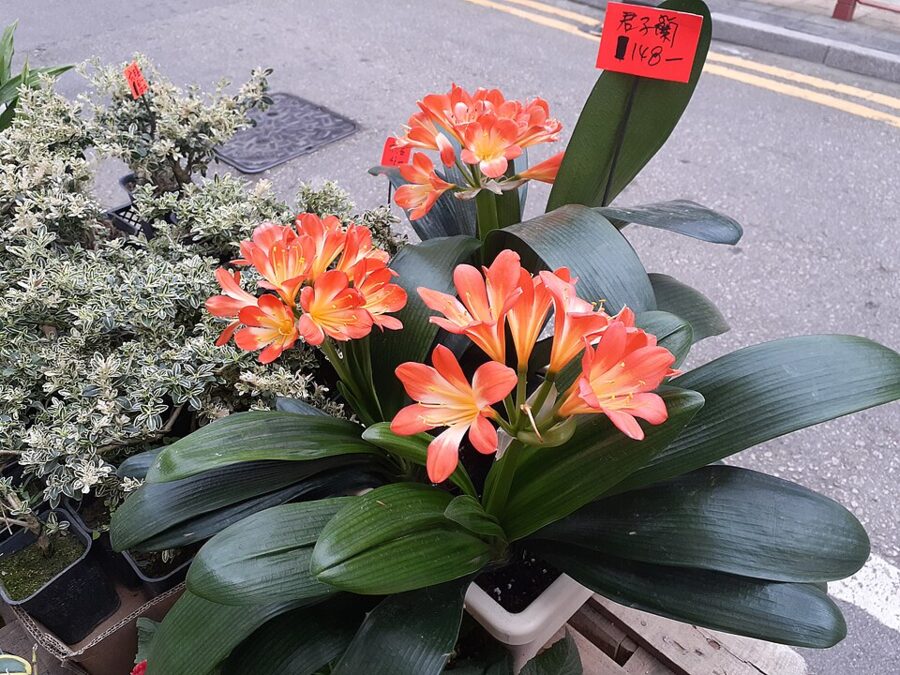
North of Argyle Street, Tung Choi Street becomes the Goldfish Market 金魚街, a row of aquarium shops with fish hung outside in water-filled bags. Keep walking and you reach Flower Market Road 花墟道 and, at its end, the Yuen Po Street Bird Garden. None of it is shopping you take home, but it is the best free hour in Mong Kok.


Langham Place, and the phone shops
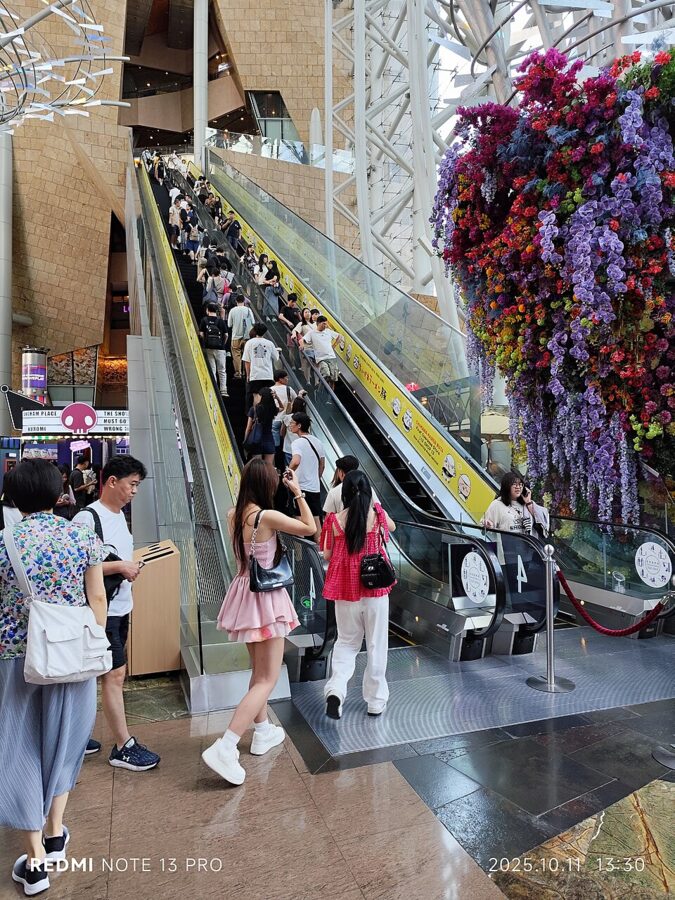
When it rains, or when the streets get too hot, Langham Place 朗豪坊 on Argyle Street is the escape. It is a mid-range mall stacked vertically, known for escalators that climb several floors in one run, with a food court upstairs. It is a good place to sit down rather than a reason to come.
Mong Kok’s other speciality is phones. The shops along Sai Yeung Choi Street South and Nathan Road sell handsets, accessories and prepaid SIM cards, and the small arcades upstairs sell more of the same, more cheaply, with less paperwork. Read the warranty section below before you buy a handset in any of them.
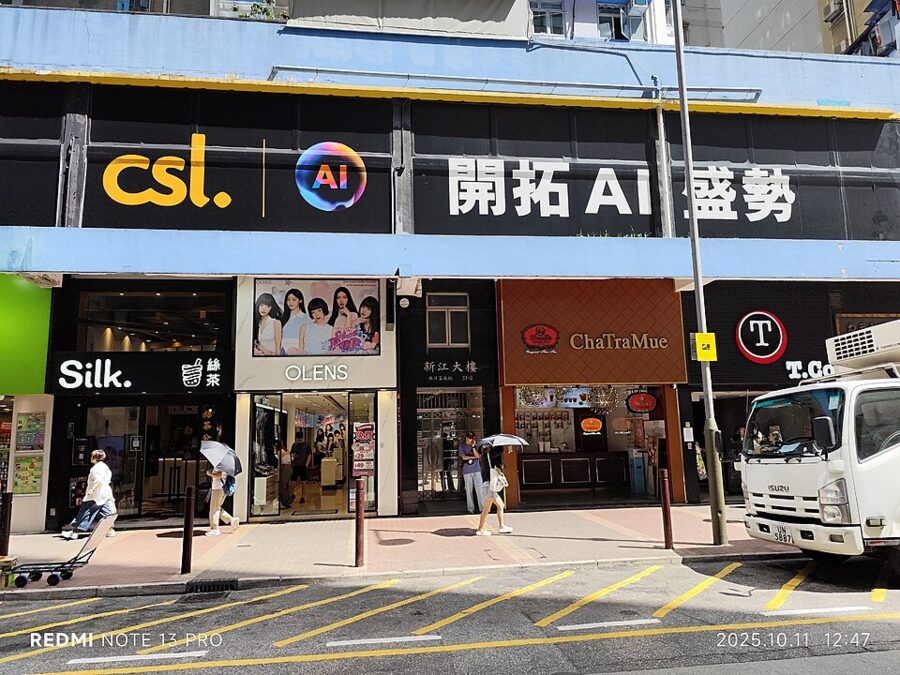
Yau Ma Tei and Temple Street at night
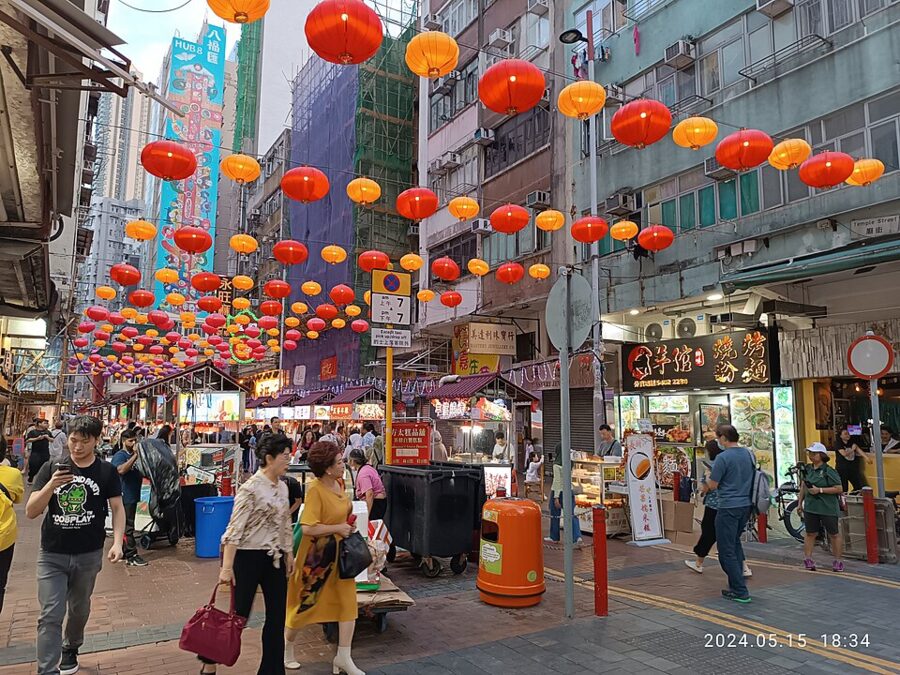
Temple Street 廟街 is the night market, running north from Jordan towards the Tin Hau temple that gives the street its name. The stalls go up through the late afternoon and the street is at its fullest after dark, with fortune tellers and the occasional Cantonese opera singer near the temple end. From Jordan station it is a short walk up to the southern archway.
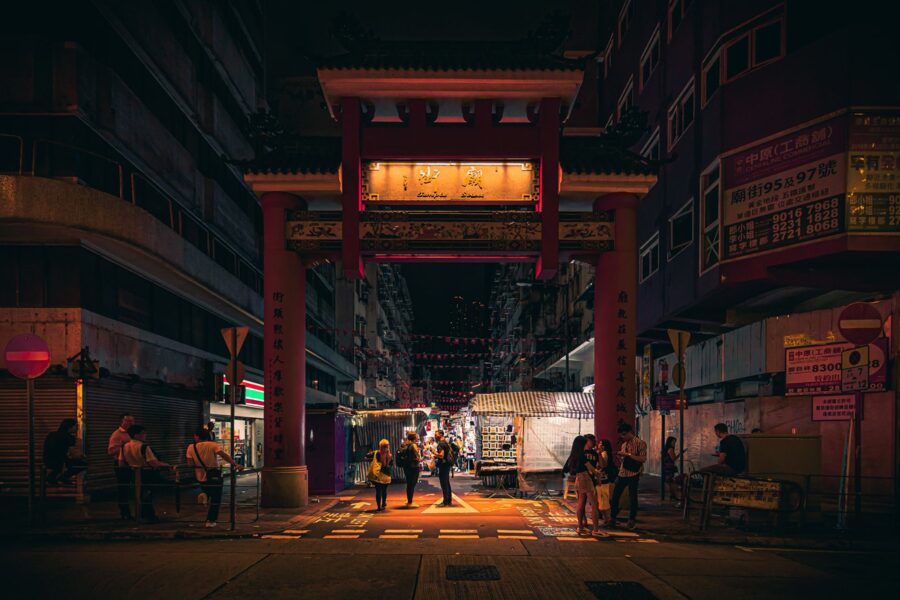
The goods overlap with the Ladies’ Market, with more souvenirs, more second-hand oddments and more electronics of the kind you should not buy. Since December 2023 the stretch near Jordan has also carried cooked-food stalls as part of a government push to bring back night markets. I’d come for dinner and a walk, and buy little.
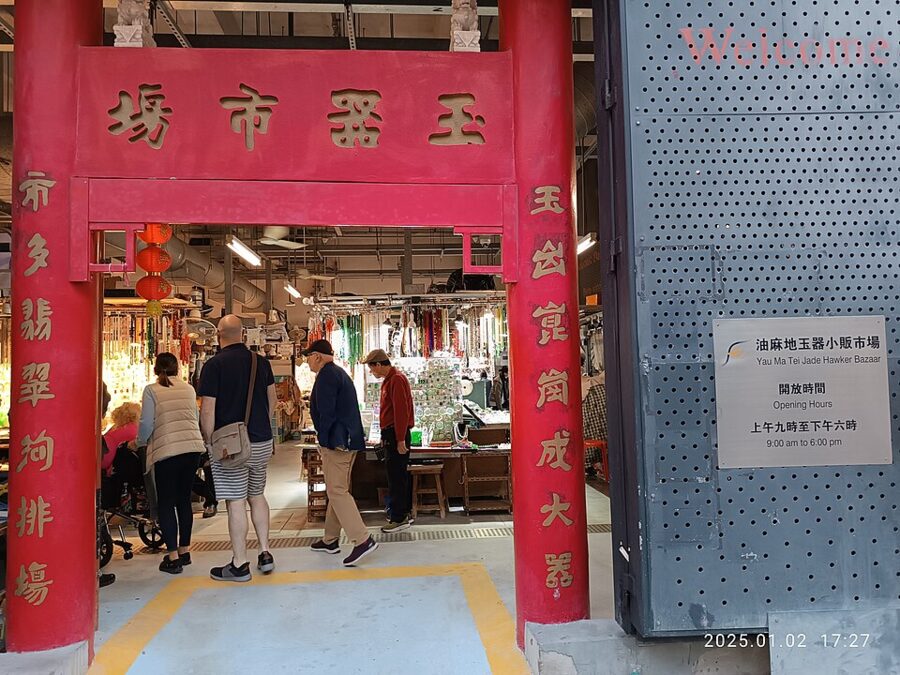
A few streets west, the Jade Market 玉器市場 sits under the Gascoigne Road flyover, entered from Kansu Street and Battery Street, a few minutes from Yau Ma Tei station Exit C. Hundreds of small stalls sell jade bangles, pendants and beads. Most of the cheap pieces are low-grade, dyed or not jade at all; buy what you like the look of at a price you’d pay for costume jewellery, and leave real jade to a jeweller who gives a certificate.
Shanghai Street, between the two, is the other reason to come: kitchenware shops selling woks, cleavers, bamboo steamers and mooncake moulds to restaurants. Those are real Hong Kong goods at trade prices, and they pack better than you’d think.
Central and Admiralty
Across the harbour, Central 中環 is the luxury end of Hong Kong Island and the most pleasant place to shop in the city, because IFC and the Landmark are linked by covered footbridges and you can walk between them without touching the street; Pacific Place is one MTR stop east in Admiralty. Below them, the old lanes still sell cheap clothes, and uphill there are design shops and antiques.
IFC, the Landmark and Pacific Place
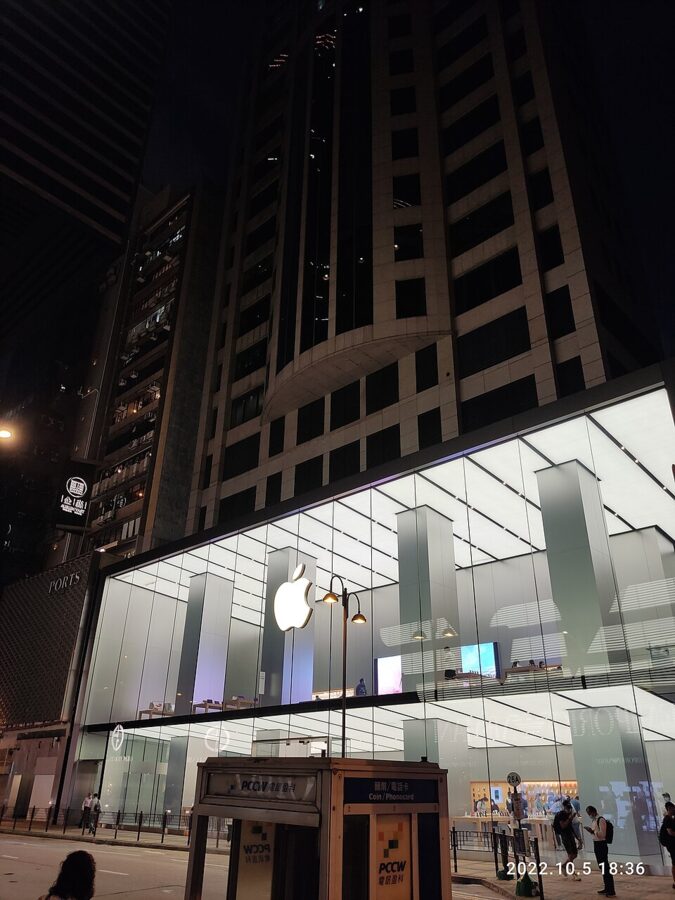
IFC mall sits on top of Hong Kong station, where the Airport Express and Tung Chung line stop, at 8 Finance Street. It has a large Apple store, Lane Crawford and a mix of luxury and premium chains, and its upper terraces look across to Kowloon. If you are leaving on the Airport Express, this is the last big mall before the train.
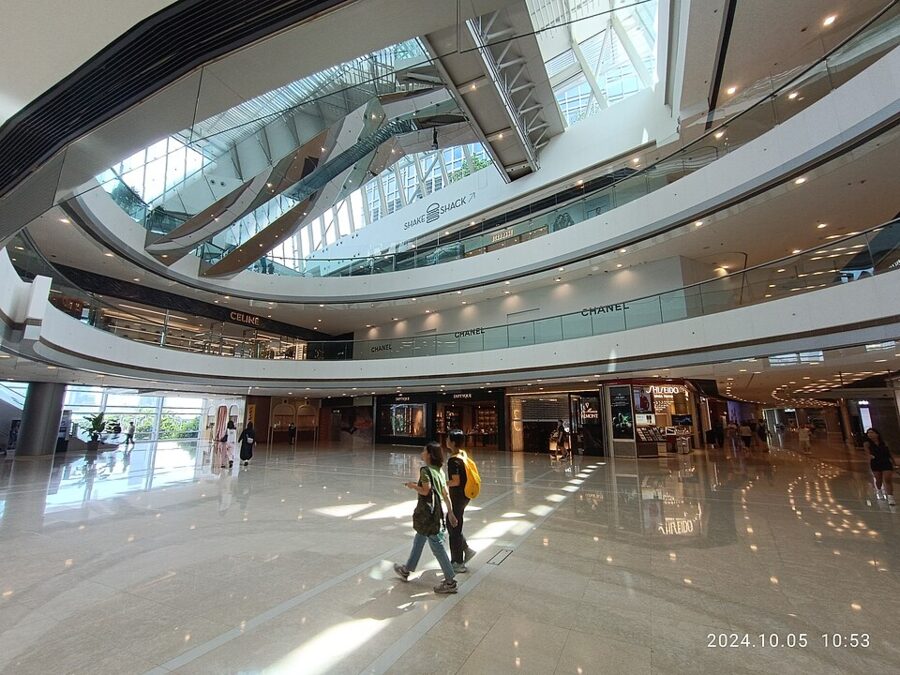
The Landmark 置地廣場, on Pedder Street and Des Voeux Road Central, is the most expensive of the three: the big fashion houses, the luxury watch shops and an atrium that changes its installation with the season. It connects to Central station underground. Browse it; it is free to look.
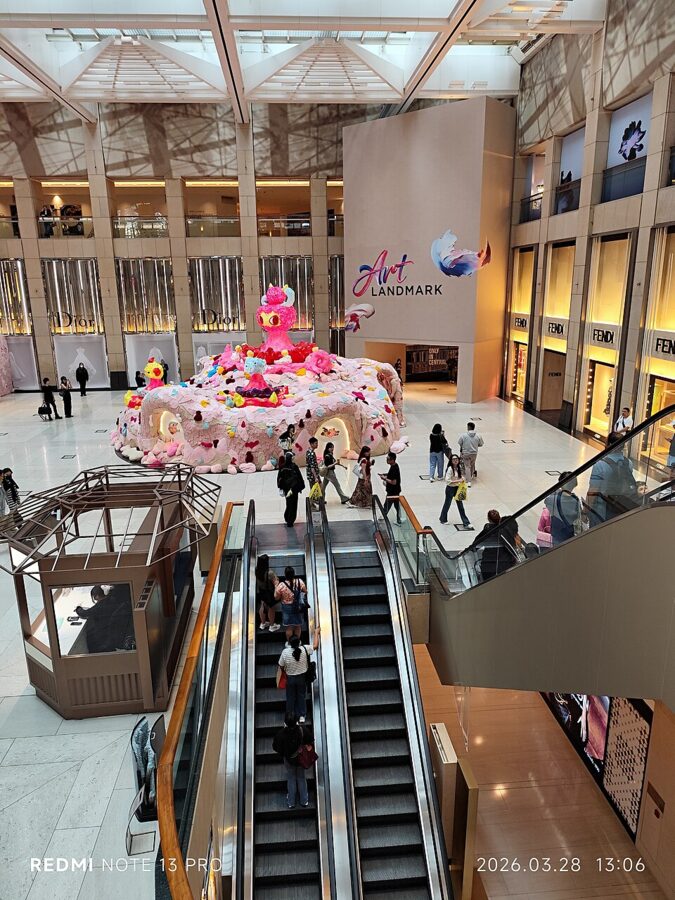
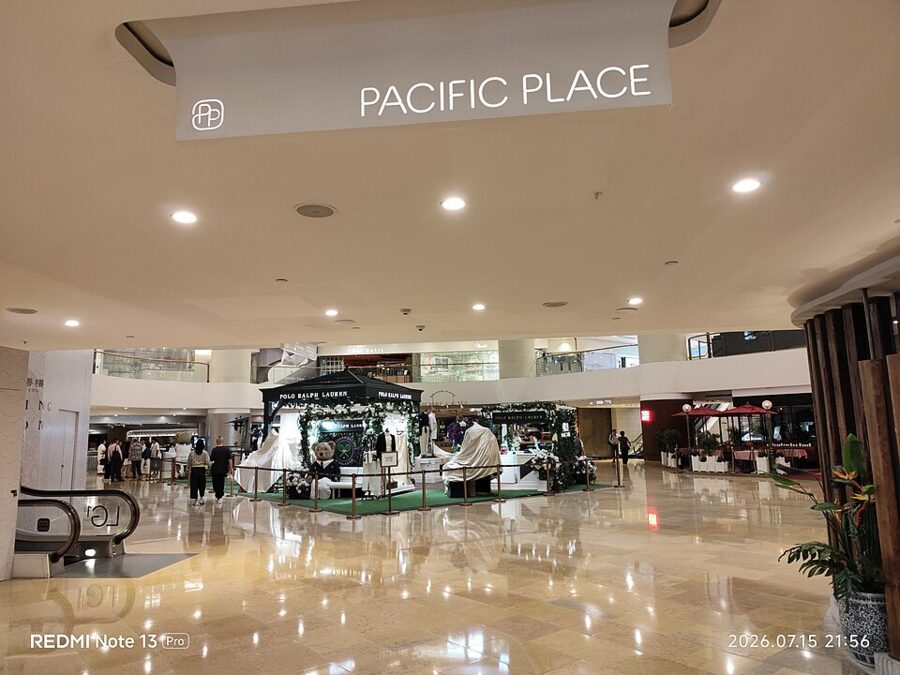
Pacific Place 太古廣場 at 88 Queensway in Admiralty is the calmer, roomier version, connected directly to Admiralty station. It is the one I’d pick for luxury brands without Canton Road’s queues outside the doors.
The lanes, PMQ and Hollywood Road
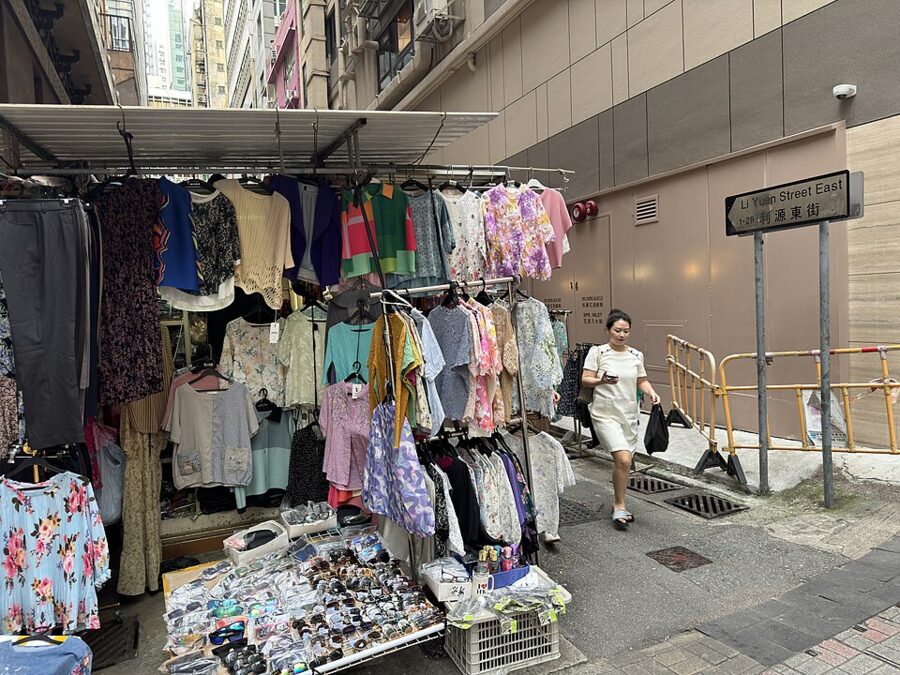
Li Yuen Street East 利源東街 and Li Yuen Street West 利源西街 are two narrow lanes running between Queen’s Road Central and Des Voeux Road Central, lined with stalls selling clothes, handbags, scarves and haberdashery. They are the cheapest shopping in Central. Haggle gently; the margins are thin.

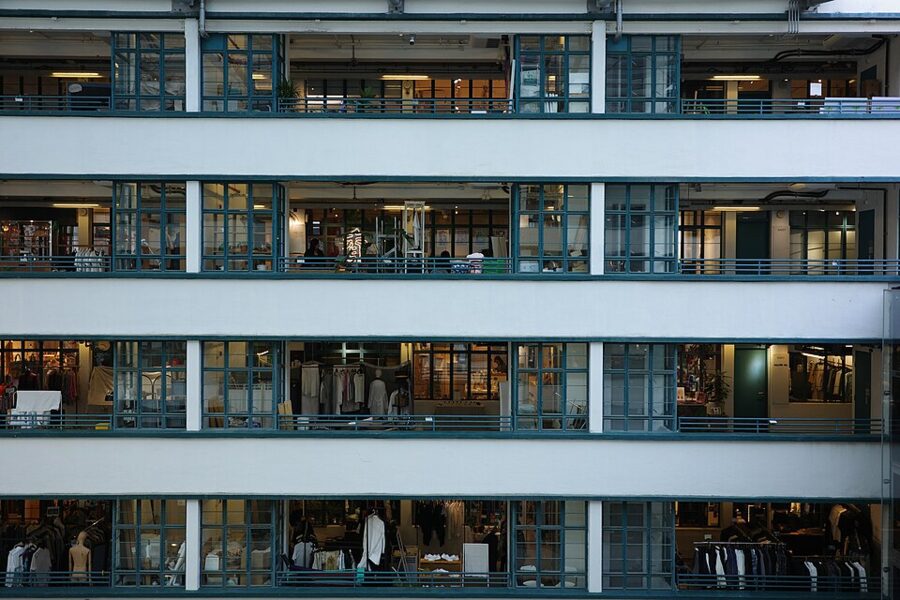
Uphill, PMQ on Aberdeen Street, the former Police Married Quarters, houses more than 100 small studios and shops run by local designers: jewellery, leather goods, ceramics, clothes. It is where I’d send anyone who wants something made in Hong Kong rather than sold in it. This year’s deTour design festival runs there from 20 to 29 November 2026.

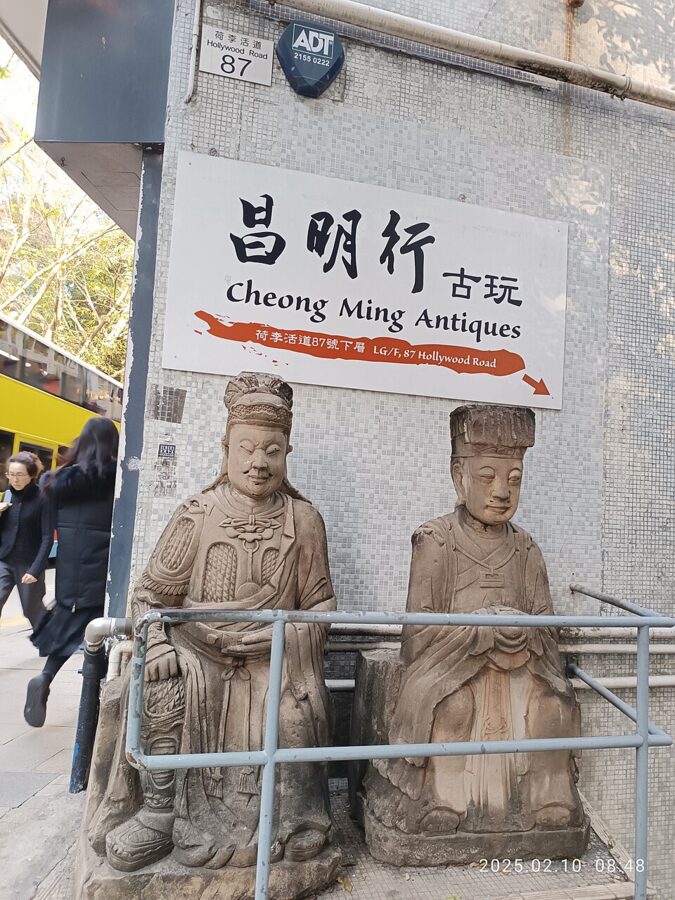
From PMQ, walk west along Hollywood Road into Sheung Wan for the antique shops, and drop down to Upper Lascar Row, better known as Cat Street 摩羅街, for curios, old photographs and Mao-era trinkets. The serious galleries sell with paperwork; the street stalls sell decoration. Assume anything cheap and old-looking is new.
Causeway Bay
Causeway Bay 銅鑼灣 is where Hong Kong shops for itself: department stores, mid-range malls, cosmetics chains and side streets of small shops, packed together around the SOGO crossing on Hennessy Road. It is louder and more crowded than Central and better value. Causeway Bay station’s exits come up in the middle of it.
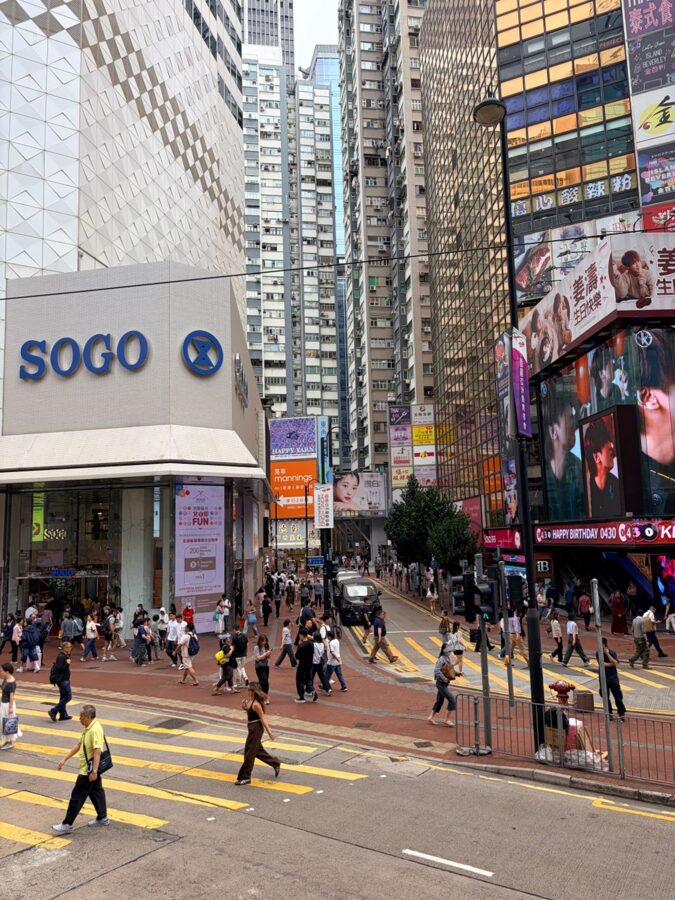
SOGO itself is the most useful single store for visitors: Japanese and international cosmetics on the lower floors, a supermarket in the basement and household goods higher up. Times Square 時代廣場, at 1 Matheson Street, is the other landmark, a vertical mall with mid-range fashion floors and restaurants at the top.
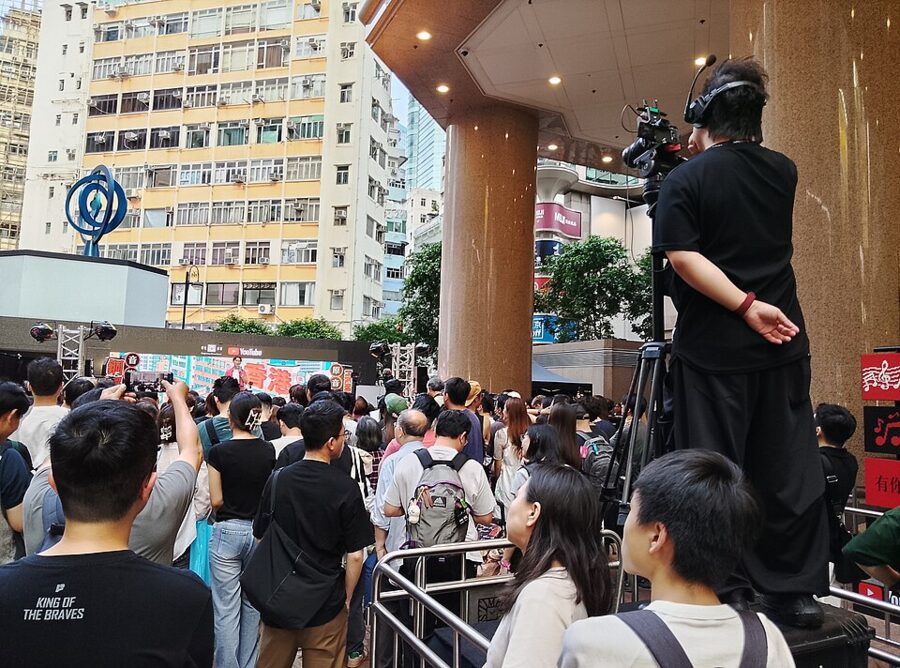
Hysan Place 希慎廣場 at 500 Hennessy Road, is the busier of the newer malls, a tall stack of fashion, beauty and dining floors. Behind it, the Lee Gardens buildings on Hysan Avenue hold the district’s luxury brands in a few quieter blocks. Fashion Walk on Paterson Street lost its H&M in February 2026 but keeps a street of smaller shops.
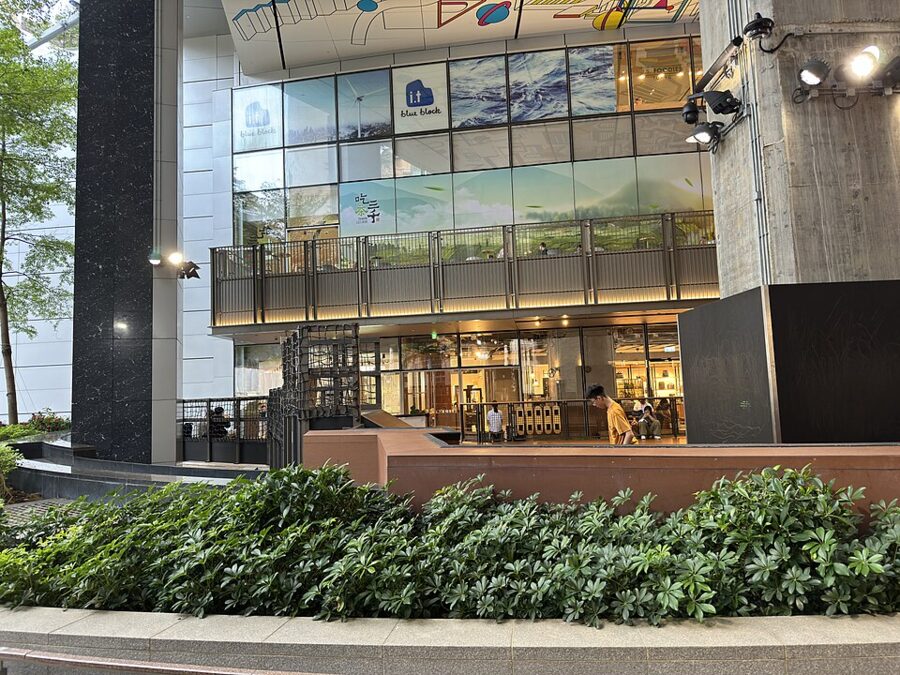

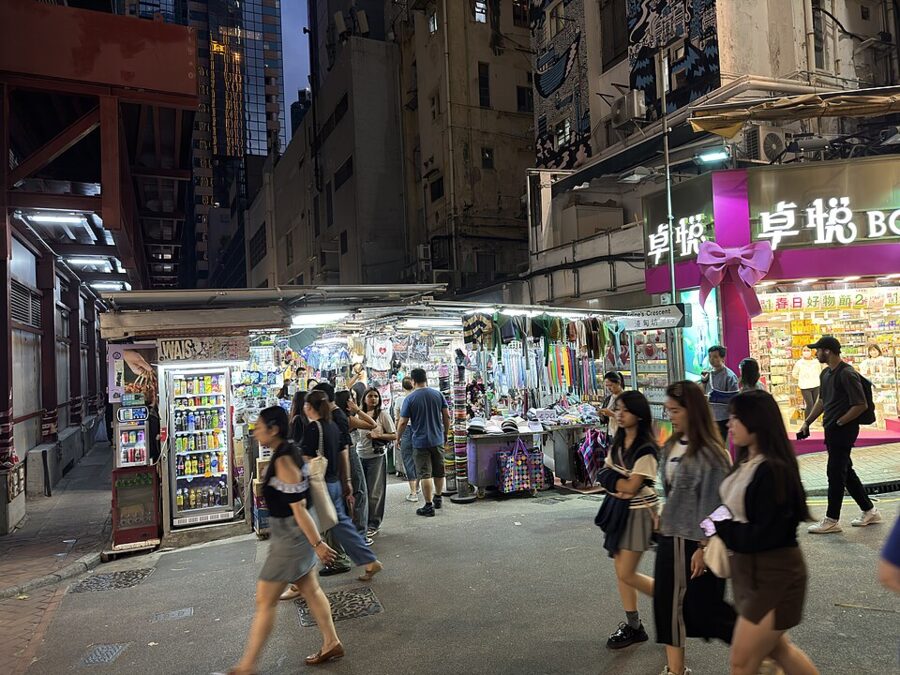
For the street version, walk to Jardine’s Crescent 渣甸坊, a short lane of clothing and accessory stalls between Yee Wo Street and Jardine’s Bazaar, with cosmetics chains on the corners. It is a smaller, more local Ladies’ Market. The pharmacies and cosmetics chains along the surrounding streets are where Hong Kong residents buy their skincare.

Sham Shui Po
Sham Shui Po 深水埗 is the working end of Hong Kong shopping: electronics parts, cheap clothes, fabric, buttons and beads, sold to the people who make and fix things. It is two stops north of Mong Kok on the Tsuen Wan line and nothing like as polished. I like it best of all the districts here, but go knowing that some of what made it famous is closing.
Apliu Street
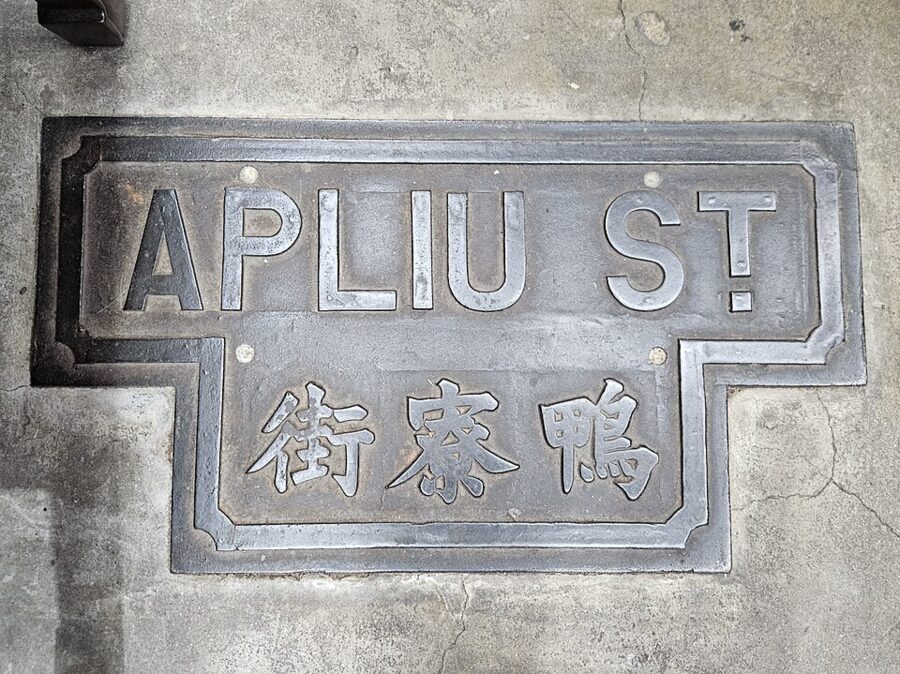
Apliu Street 鴨寮街 is the flea market for gadgets, a short walk from Sham Shui Po station. Stalls down the middle of the road sell phone accessories, cables, batteries, chargers, torches, old film cameras, radios and second-hand devices; the shops behind them sell household goods and more electronics. This is the place in Hong Kong where haggling is expected.
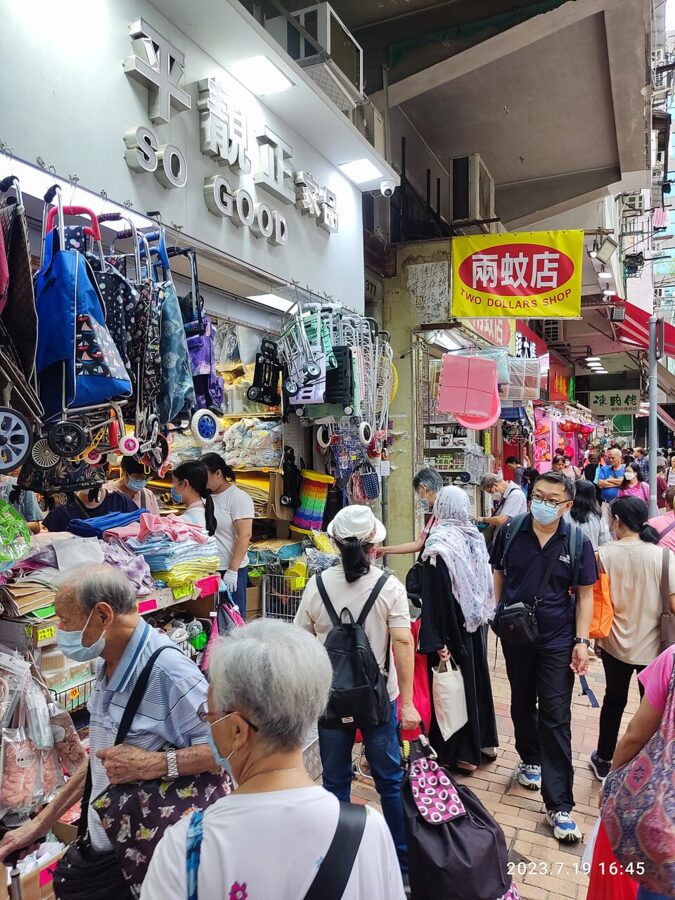

Buy accessories here, not phones. A charging cable, a spare battery for an old camera or an adapter plug is what Apliu Street does best and cheapest. Ask to test anything with a plug before you pay.
Golden Computer Arcade
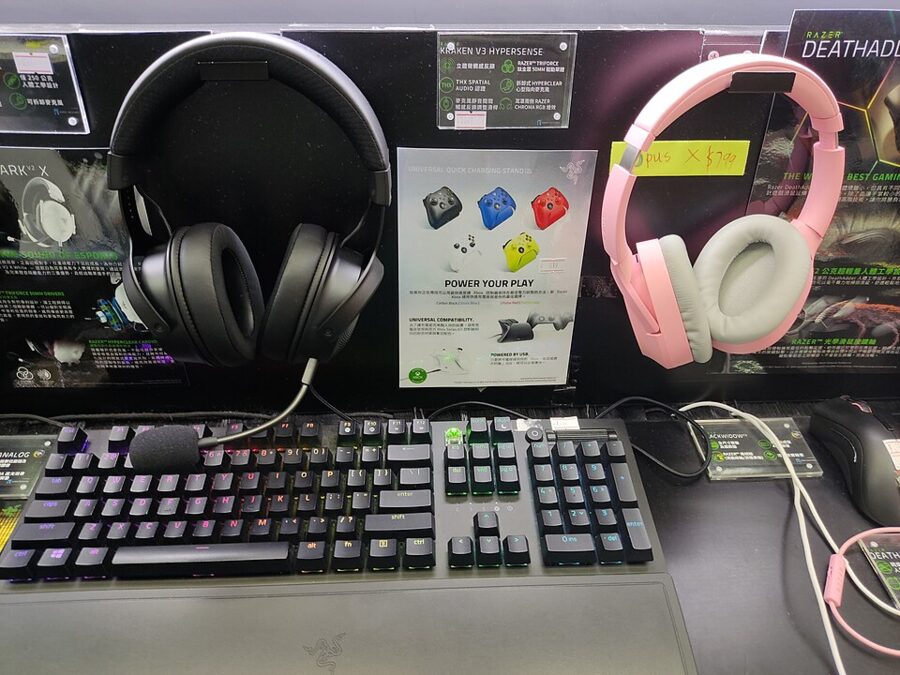
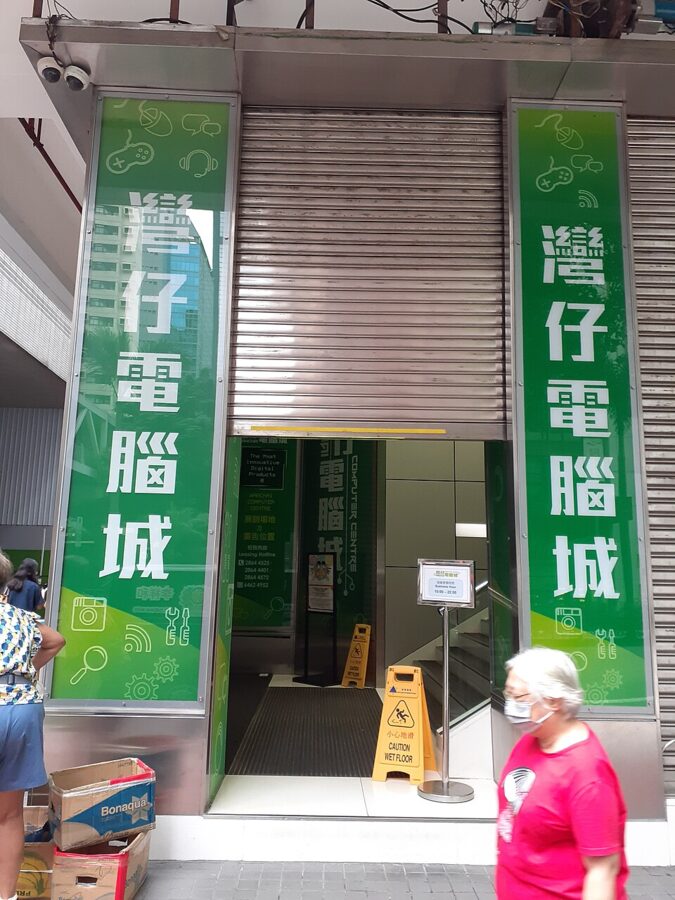
Golden Computer Arcade 黃金電腦商場, at 146 to 152 Fuk Wa Street, is the city’s best-known computer mall. The ground floor and basement are a warren of small shops selling components, storage, keyboards, monitors and game controllers. Prices are good and posted on printed lists at each counter.
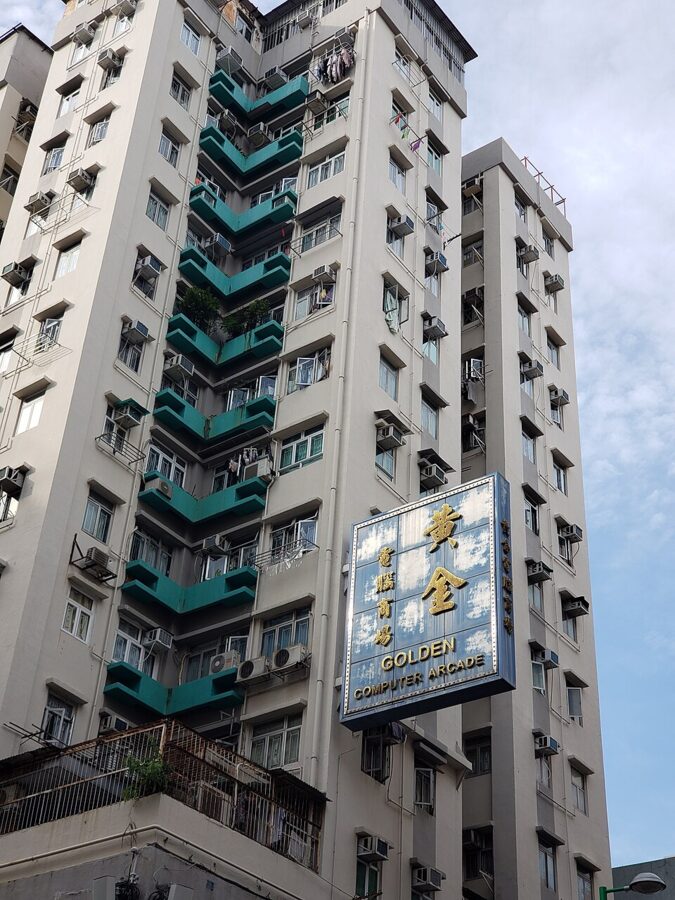
It is strongest for parts and peripherals: if you build your own computer, an hour here beats any mall. For a finished laptop or phone, the same warranty questions apply as anywhere, so read the section below first.

Fabric, buttons and beads
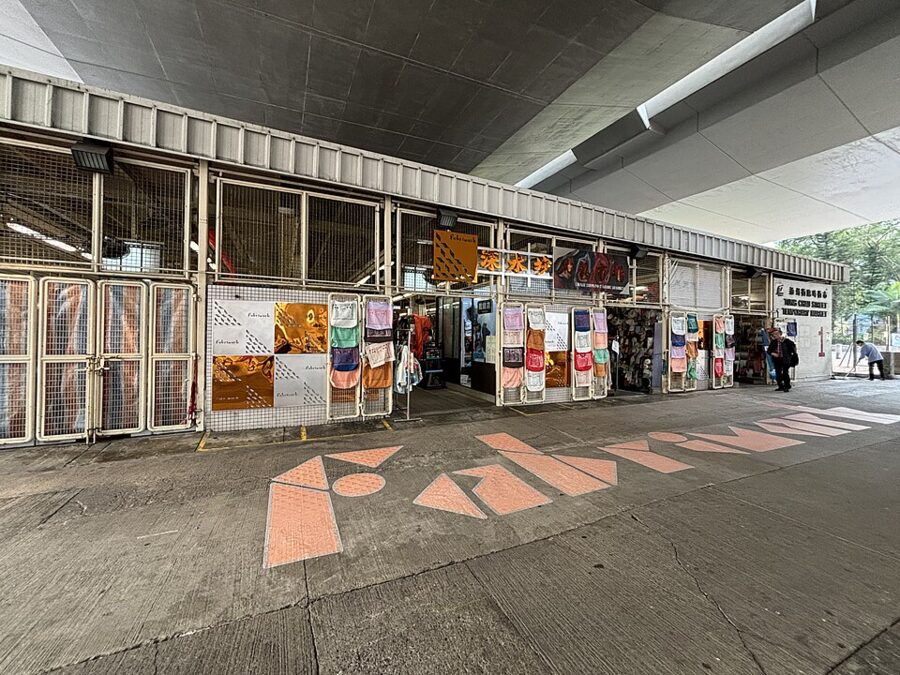
Sham Shui Po was the centre of Hong Kong’s garment trade, and the supply shops are still here. The Sham Shui Po Fabric Market 深水埗布藝市場 at 269 Tung Chau Street took over from the old 棚仔 bazaar in February 2023, with more than 50 stalls across three blocks under the West Kowloon Corridor. Bolts of cotton, silk, lace and suiting are sold by the yard, and many of the traders are the same people who ran stalls at the old site.

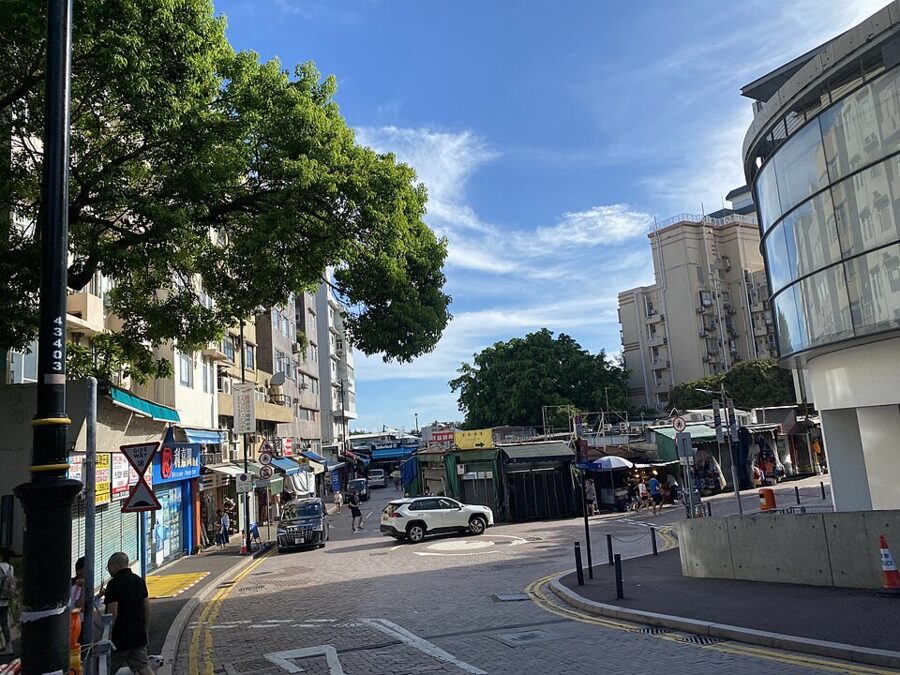
Around it, Ki Lung Street 基隆街 is lined with button wholesalers, Nam Cheong Street sells lace and ribbon, and Yu Chau Street 汝州街, “Bead Street”, sells beads and craft materials. Bead Street is the one in trouble: three craft shops in the area announced they would close at the end of August 2026, and one shopkeeper predicted the street would become a food street. Go soon if it is on your list, and expect gaps.
Out of town: Stanley and Tung Chung
Two places outside the main districts are worth a half-day each, for different reasons. Stanley is a seaside market; Tung Chung is the outlet mall on the way to or from the airport.
Stanley Market
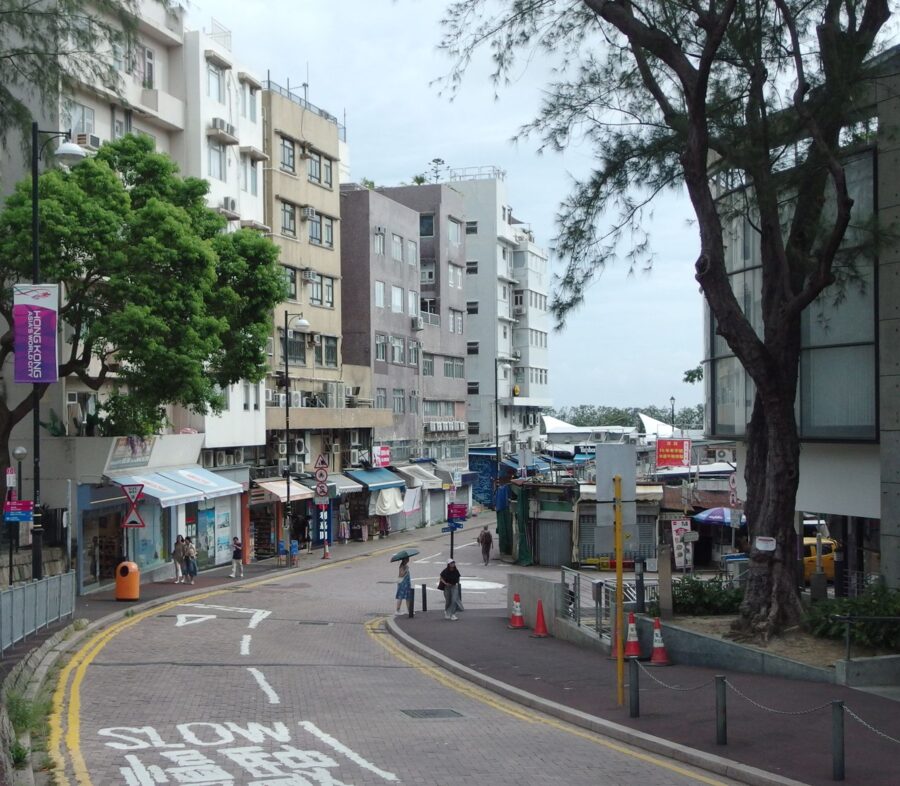
Stanley Market 赤柱市集, on the south side of Hong Kong Island, is a covered warren of lanes selling silk, souvenirs, paintings, children’s clothes and linen, in a small town with a waterfront promenade. Prices are higher than in Mong Kok and the goods overlap. You come for the bus ride and lunch by the water as much as the shopping.

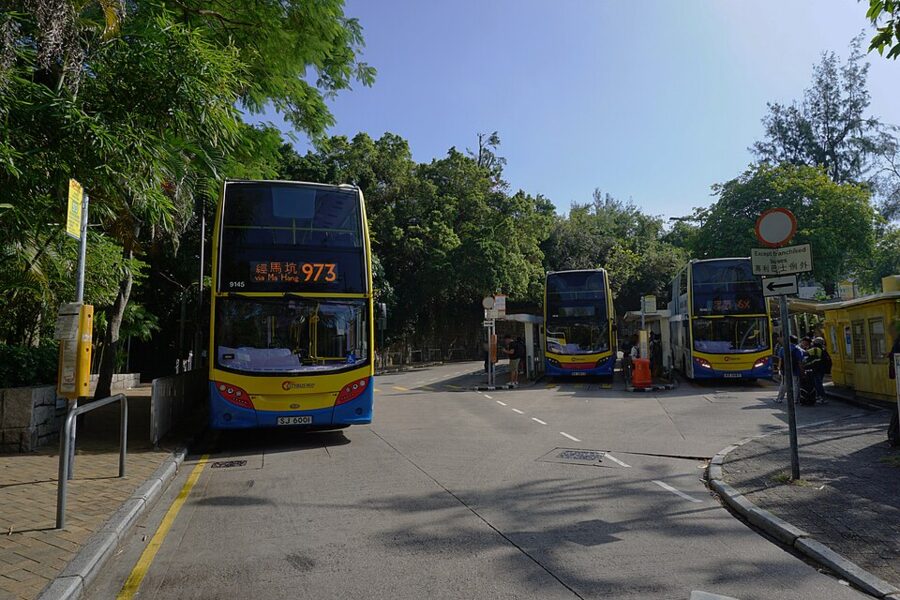
Several Citybus routes link Central and Stanley, some over the hills and some through the Aberdeen Tunnel; the bus apps show which leaves next. Haggle at the stalls, less so in the shops.

Citygate Outlets, Tung Chung
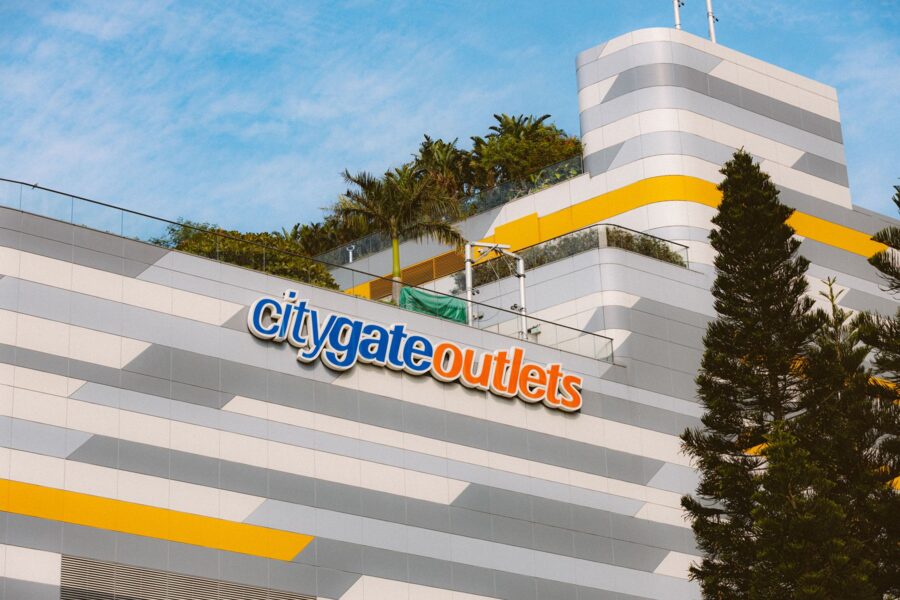
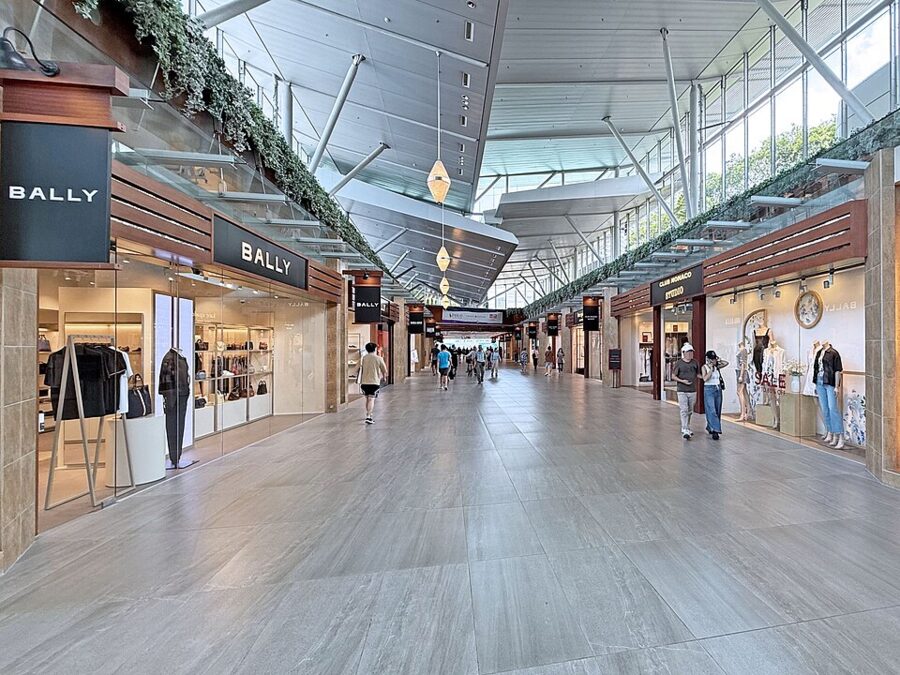
Citygate Outlets 東薈城名店倉, at 20 Tat Tung Road in Tung Chung, is Hong Kong’s main outlet mall: international fashion and sportswear brands selling previous seasons at a discount. It sits above Tung Chung station; take Exit C. From the airport, buses S1 or S64 take about ten minutes, and from the Hong Kong–Zhuhai–Macao Bridge port the B6 takes about fifteen.
Is it worth the trip? If you are going to Lantau anyway, or have a few hours before a flight, yes. If you are staying in Tsim Sha Tsui with no reason to go west, the savings rarely cover the time. And ignore anything you read about shopping at 11 SKIES at the airport: as of November 2026 its retail space is not open.

How to shop well
Prices and haggling
Haggle in markets and on stalls: the Ladies’ Market, Temple Street, Apliu Street, the Jade Market, Stanley, the lanes in Central. Don’t haggle in malls, chain stores, department stores, supermarkets or pharmacies, where prices are fixed and asking only embarrasses everyone. The small independent shops in between, camera and watch shops especially, will often move if you ask for a “best price”.
On a stall, ask the price, look unconvinced, and offer what you’d be happy to pay. I start at around two-thirds of the asking price for anything over HK$100 and expect to meet somewhere in between. Once you’ve named a price and the seller accepts, you’re expected to buy.
Electronics: warranties and grey imports
Hong Kong sells two versions of most phones, cameras and consoles. 行貨 are local-warranty units imported by the brand’s official distributor. 水貨, parallel or grey imports, came in through other channels and are often cheaper, but their warranty may only be honoured in the country they were meant for. Ask which one you are looking at, and get the answer on the receipt.

The Consumer Council’s advice holds: make sure the model and serial numbers on the receipt and the warranty card match the box, insist that any promise the salesperson makes goes on the receipt, and check where the warranty can be used. For a phone, also check that it works on your home networks and isn’t a mainland-only model with a different plug. The big brand stores and electrical chains such as Fortress cost a little more and remove most of these questions.

Steer clear of shops on Nathan Road that call you in from the pavement with a camera at an impossible price. The trick has been the same for decades: the advertised unit is “out of stock”, the replacement is dearer, and the accessories are compulsory. Walk out the moment the price starts to move upwards.
The QTS sign, and when things go wrong
The Hong Kong Tourism Board’s Quality Tourism Services scheme accredits shops, restaurants and hotels that pass an annual assessment: prices clearly displayed, clear product information and proper service. Accredited shops show a QTS decal in the window, with extra decals for 10, 15, 20 and 25 consecutive years. It is not a guarantee of the cheapest price, but it is the best shortcut I know to a shop that will deal with a problem.
If something goes wrong, go back to the shop first. If that fails, the Consumer Council handles complaints from visitors as well as residents and will try to settle them by conciliation. False descriptions, such as a fake sold as genuine or a grey import sold as local stock, are a matter for the Customs and Excise Department under the Trade Descriptions Ordinance, and deception is a police matter. For lost property, emergencies and the rest of the help system, see getting help as a visitor in Hong Kong.
Paying: Octopus, cards and wallets
Malls, chains, department stores and most proper shops take Visa and Mastercard, and most take UnionPay. Many also take mobile wallets, including Alipay+ partner wallets from across Asia. Market stalls are where cash still rules, though more and more show a QR code; carry a few hundred Hong Kong dollars in notes for Temple Street and Apliu Street.
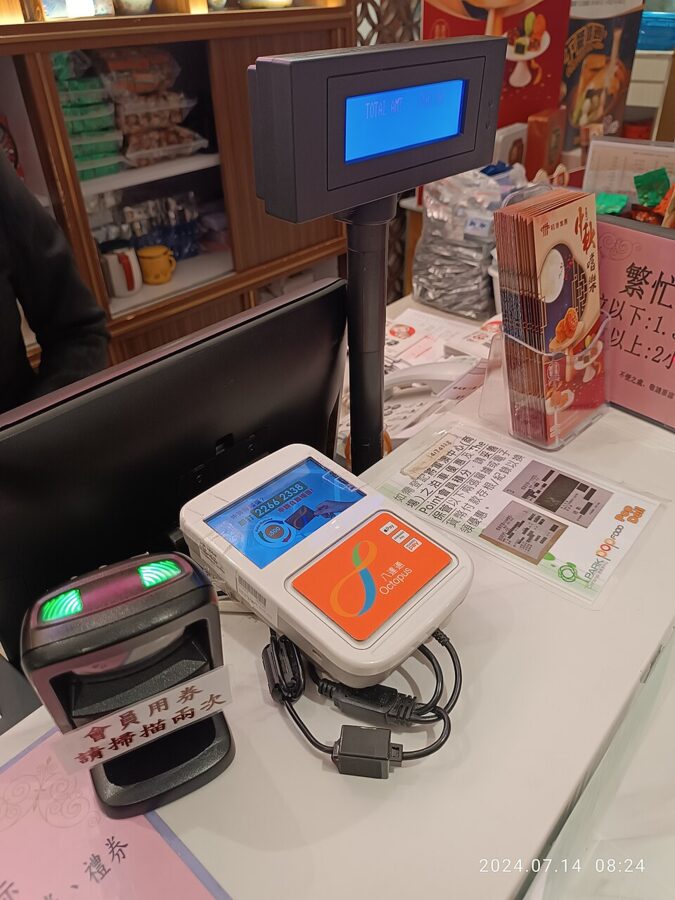
The Octopus card is the other way to pay: convenience stores, supermarkets, bakeries and chain shops take it as well as the MTR. A physical card carries a HK$50 refundable deposit. On an iPhone, visitors can use the Octopus App for Tourists, which issues a digital Octopus paid with a non-Hong Kong Visa, Mastercard or UnionPay card in Apple Pay: HK$100 minimum first load plus the HK$50 deposit, a HK$3,000 ceiling, and no foreign American Express cards as of November 2026.
Opening hours
Hong Kong shops open late and close late. Malls generally run from 10:00 to 22:00, with some shops opening at 11:00; markets keep their own time. The table gives the hours I’d plan around.
| Where | Hours | Note |
|---|---|---|
| Harbour City, Tsim Sha Tsui | 10:00–22:00 daily | Mall hours; some shops differ |
| K11 Musea, Tsim Sha Tsui | 10:00–22:00 daily | Mall hours |
| Jade Market, Yau Ma Tei | 09:00–18:00 | As posted at the gate in January 2025 |
| Ladies’ Market, Mong Kok | No fixed hours | Trading from about midday; busiest afternoon and evening |
| Temple Street, Jordan | No fixed hours | Fullest after dark |
| Apliu Street, Sham Shui Po | No fixed hours | Most stalls trading by late morning |
Sundays are the busiest day in the big districts. Chinese New Year closes many small shops and stalls for several days, while the malls stay open with holiday sales.
Souvenirs, briefly
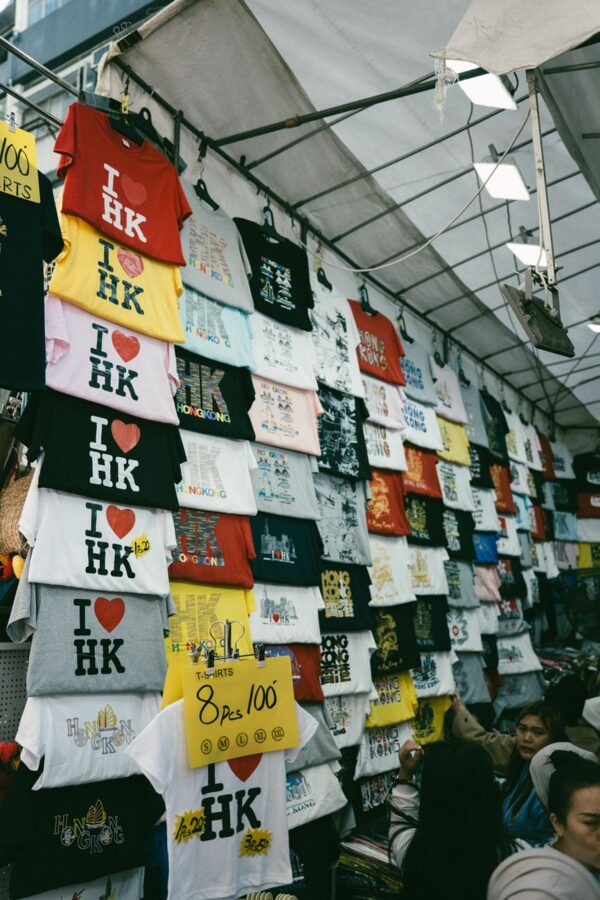
For things to take home, the city’s real specialities are edible and practical: egg rolls and tea from the old bakeries and tea merchants, Chinese medicated oils from any pharmacy, kitchenware from Shanghai Street, and something from a PMQ studio. The “I love HK” stalls in the markets sell the rest.
My route for one shopping day
If I had one day and wanted the most Hong Kong for it, I’d stay in Kowloon and not cross the harbour. Each stop below is one or two MTR stations from the last.
- 10:30, Sham Shui Po. Out of the station and onto Apliu Street while it is still calm, then Golden Computer Arcade and the fabric market on Tung Chau Street.
- 13:00, lunch in Sham Shui Po, then one stop south to Prince Edward.
- 14:00, Flower Market Road and the Goldfish Market, then south down Fa Yuen Street.
- 15:30, the Ladies’ Market, fully up and trading by now; Langham Place if it rains.
- 17:00, the Jade Market before it closes at 18:00, via Shanghai Street’s kitchenware shops.
- 19:00, Temple Street for dinner and a walk as the stalls light up.
- 21:00, Harbour City or K11 Musea for anything you still need, an hour before they close, then the harbour.
Save Central, Causeway Bay and the outlets for another day. Whatever you buy, the price on the tag is the price you pay, so there is no form to keep. Start at Sham Shui Po station before 11:00.