

US$25 buys seven days of unlimited 5G data, unlimited calls and texts and a US phone number from T-Mobile, but only once you are standing in the United States. That one product, on sale since May 2026, has changed the answer to a question Hong Kong travellers have argued about for years. This is what I would use, as of November 2026:
- One or two weeks in the US, phone takes an eSIM: T-Mobile’s U.S. Pass eSIM. US$25 for 7 days, US$30 for 10, US$35 for 14 (about HK$275), plus tax. Buy it in T-Mobile’s Prepaid eSIM app on the airport Wi-Fi after you land.
- Phone has no eSIM (most iPhones bought in Hong Kong before the iPhone 17): roam on your Hong Kong number. csl sells 14 one-gigabyte days for the US and Canada for HK$328; SmarTone’s 7-day worldwide pack is HK$288.
- A month or longer: a monthly prepaid plan in the country you are based in. Verizon’s 15GB plan costs US$45 for the first month; in Canada, Lucky Mobile and chatr both sell 30GB for C$35 a month with automatic top-up.
- Both countries on one trip: csl’s package covers both. Otherwise take T-Mobile’s pass if you land in the US first (it includes 5GB in Canada), or a US, Canada and Mexico eSIM if you land in Canada.
Two things decide which line you fall into: whether your phone takes an eSIM, and whether you need your +852 number for bank codes while you are away.


In this article
Check your phone first
Most of the cheap options in the US and Canada are eSIMs, and many phones bought in Hong Kong cannot take one. Apple’s own dual SIM page lists the iPhone 11, 12, 13, 14, 15 and 16 ranges (minis, the SE and the 16e excepted) as taking two physical nano-SIMs when bought in Hong Kong or Macao, with no eSIM at all. From the iPhone 17 range onwards, Hong Kong models use an eSIM for the second line.
The quick test: dial *#06#. If the screen shows an EID number as well as the IMEI, the phone has an eSIM chip. On an iPhone you can also look under Settings, Mobile Service, for an “Add eSIM” button; Android phones have the same option under SIM settings.
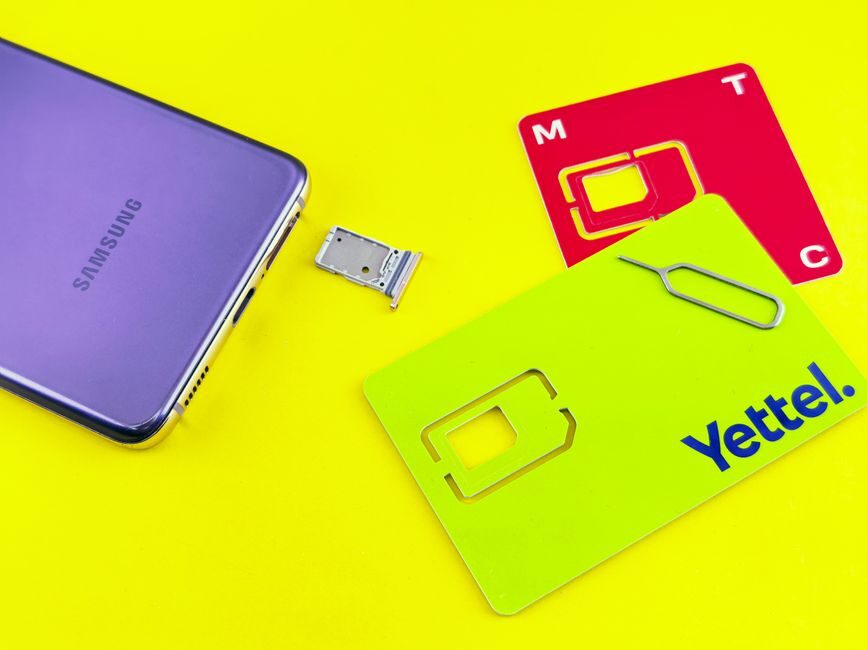
If the answer is no, cross off every eSIM below and look at roaming, a physical SIM from a US or Canadian shop, or a physical travel SIM bought in Hong Kong. If your phone came on a network contract, ask that network whether it is locked; a locked phone rejects every other SIM.
Roaming on your Hong Kong number
Roaming costs the most and asks the least: nothing to install or register, and your +852 number keeps receiving calls and texts. Multi-day packs bought before you go bring the price down; the default rates do not. Prices are from each network’s roaming page in November 2026.
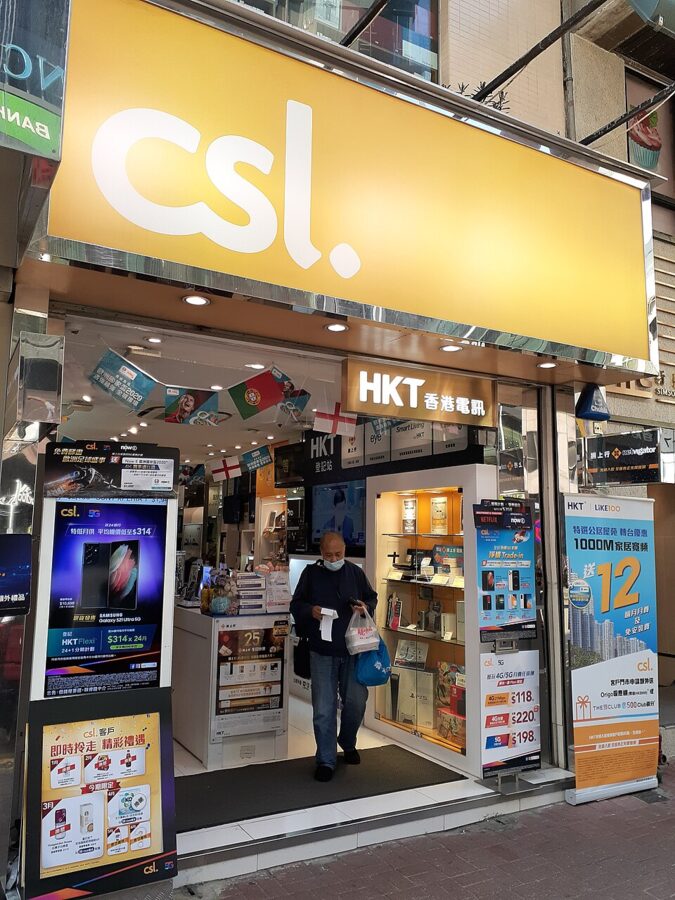
csl
csl’s Data Roaming Pass page sells a USA and Canada package of 14 passes for HK$328, about HK$23 a day. Each pass gives 1GB at full speed for 24 hours, then 512kbps, and covers the US, Canada, Guam, Puerto Rico and the US Virgin Islands. The passes have to be used within three months of purchase. The alternative is a 30-day volume pass for Europe and the Americas, 3GB for HK$238, which suits a light user on a longer trip.
The catch is what happens when the package runs out. csl starts a new pass automatically each day while you remain in a pass destination, at HK$69 each during the package’s validity, so count your days before you fly. If you use a csl Hong Kong prepaid SIM rather than a contract, its Travel SIM offers 30-day passes covering Europe, the US and Canada at HK$238 for 3GB or HK$348 for 10GB.
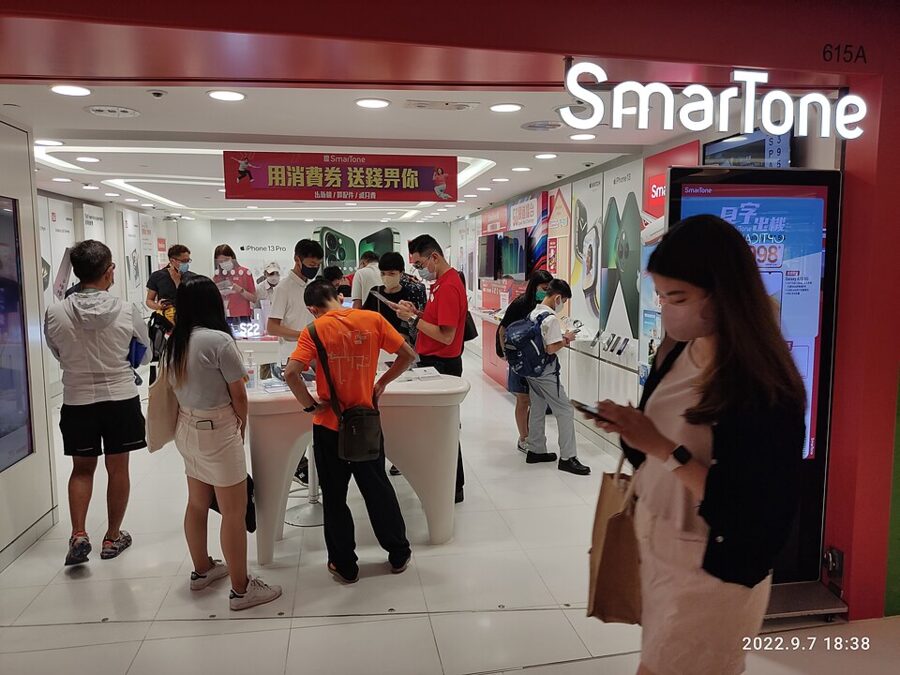
SmarTone
SmarTone’s Multi-Day Roaming Data Pack for worldwide destinations, which includes the US and Canada, is HK$288 for 7 days or HK$518 for 14 days at the discounted prices listed in November 2026 (HK$308 and HK$548 at full price). Each day gives 1.2GB at full speed, then unlimited data at 512kbps. The days need not be consecutive and the pack lasts three months, so a 7-day pack can cover a long weekend in New York now and a few days in Toronto later. Extra full-speed data is HK$28 for 600MB or HK$45 for 1.2GB.

3 Hong Kong
3’s roaming page lists a Data Roaming Daily Pass sold as unlimited at HK$198 a day, and a lighter RoamLite Pass at HK$98 a day; its coverage list includes both the US and Canada. On a postpaid plan with nothing added, 3’s default Daily Charge Cap bills HK$100 a day for 500MB on its designated networks, then slows you to 256kbps. That “day” ends at 23:59 Hong Kong time, which is 10:59 in New York and 07:59 in Vancouver in the northern winter, so a morning of maps can cost you two days.
Roaming does not bring Wi-Fi Calling with it: csl’s terms say its Wi-Fi Calling cannot be used when roaming, so calls on your +852 number abroad are roaming calls. Use WhatsApp or FaceTime over data instead.
Travel eSIMs you set up before you fly
The international eSIM sellers let you install a US or North America plan at home and switch it on as you land. Airalo, for example, lists a US unlimited eSIM on T-Mobile’s network at US$11.50 for 3 days, US$25 for 7, US$46 for 15 and US$68 for 30. Its North America version, covering the US, Canada and Mexico, is US$18.50 for 3 days, US$37 for 7 and US$60.50 for 15. Fixed-data plans start lower.
What they usually lack is a number. Most travel eSIMs are data only: fine for WhatsApp, maps and Uber, but no local SMS and no local line to ring you on. Two settings trip people up on arrival: the eSIM must be the line selected for mobile data, and data roaming must be on for it, because to your phone it is a foreign plan. Read the fair-use note on any “unlimited” plan before you hotspot a laptop from it.
I would pick a travel eSIM over T-Mobile’s pass in two cases: you land in Canada first, or you want data from the jet bridge without hunting for Wi-Fi.
US prepaid: T-Mobile, AT&T and Verizon
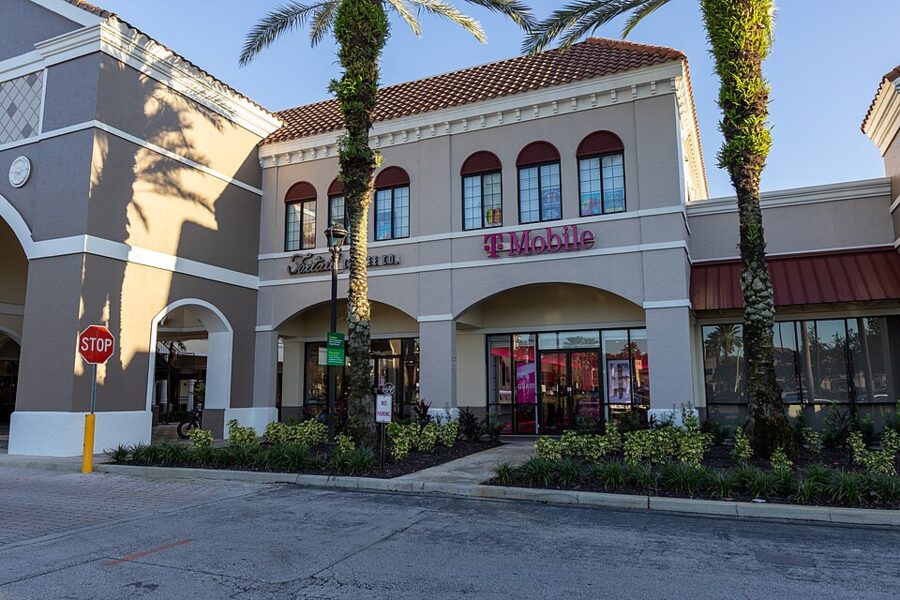
T-Mobile U.S. Pass eSIM
T-Mobile launched the U.S. Pass eSIM on 18 May 2026 for international visitors. Each pass includes unlimited talk and text in the US, Canada and Mexico, unlimited 5G data with 50GB of priority data in the US, hotspot data (14GB on the 7-day pass, 20GB on the 10-day and 28GB on the 14-day), and 5GB of high-speed data while in Canada or Mexico. The 7, 10 and 14-day passes cost US$25, US$30 and US$35; T-Mobile’s launch announcement also priced a 30-day pass at US$50. Taxes and fees are added at checkout.
You must be in the United States to buy and activate it, the plan starts the moment you pay, and the activation day counts as day one. Installation needs Wi-Fi. T-Mobile asks for no ID, the passes do not renew automatically, and it accepts credit and debit cards “from select countries”, so carry a second card in case the first is refused.
For Canada, look for an SMS with a link when you arrive; the 5GB add-on is free on the 7, 10 and 14-day passes but has to be switched on. It only works once the pass has been activated in the US, so on a Vancouver-first itinerary this is the wrong product.

Monthly prepaid plans
For a month or more, an ordinary prepaid plan from one of the three national networks gives you a US number and more data than any travel product. Prices are set for residents paying by AutoPay, so read the first-month figure, which is what a visitor pays:
- T-Mobile Prepaid: Starter Monthly, 15GB, is US$45 for the first month; Unlimited Monthly is US$50. T-Mobile’s AutoPay discount needs a debit card or bank account.
- AT&T Prepaid: the Unlimited plan is US$25 a month, online only and for a new single line, with data at up to 3Mbps. Unlimited Enhanced Plus, at US$45, adds Canada and Mexico with 25GB a month in Canada.
- Verizon Prepaid: the 15GB plan is US$45 for the first month and Unlimited is US$60, with no activation fee. Every Verizon prepaid phone plan includes calls, texts and data in Canada and Mexico, at full speed for the first 2GB a day.
The networks’ budget brands use the same towers. Mint Mobile, which T-Mobile owns, charges new customers US$45 upfront for three months on any plan, unlimited included: the cheapest US number I know of for a stay of a few months. All US prices are before state and local taxes.



Canada prepaid: chatr, Lucky Mobile and Public Mobile
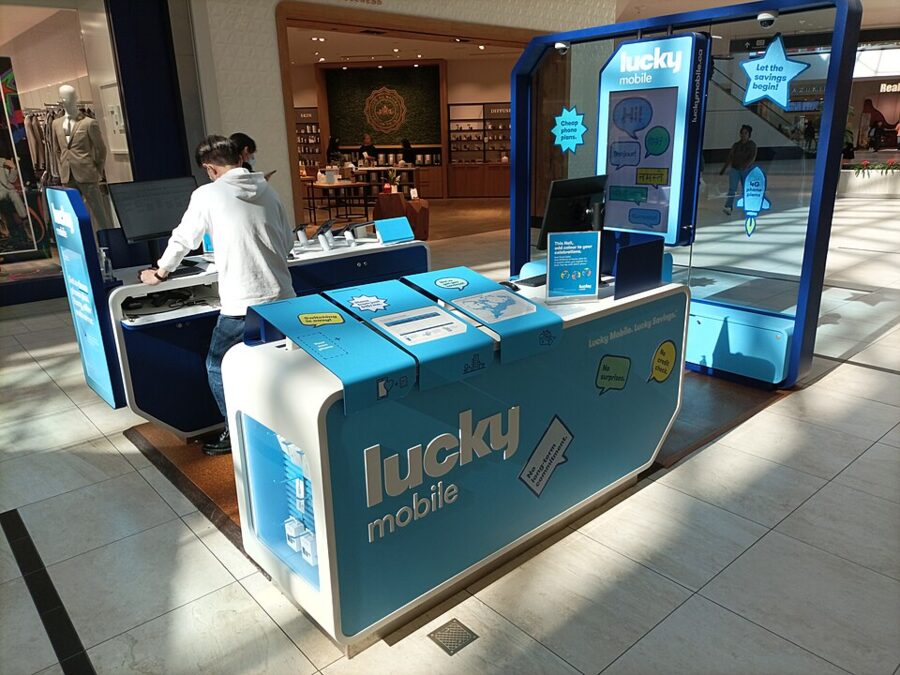
Canada’s big three networks each run a budget prepaid brand, and those are what a visitor should buy: chatr on Rogers, Lucky Mobile on Bell and Public Mobile on Telus. Prices vary by province, include unlimited calls within Canada and are before tax. As of November 2026:
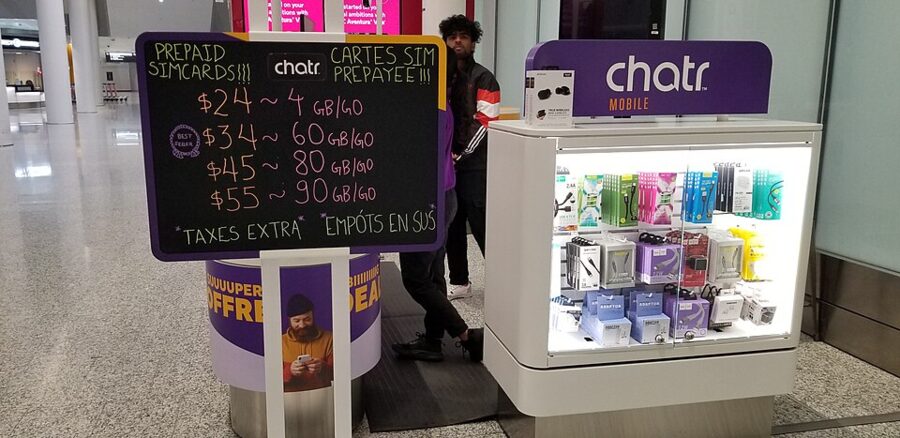
- chatr: plans in Ontario run C$25 for 5GB, C$30 for 15GB, C$35 for 30GB and C$40 for 50GB, counting the bonus data you get for paying by auto-pay. Data is 4G. chatr sells a tourist eSIM you can activate from abroad.
- Lucky Mobile: C$25 for 5GB, C$30 for 15GB, C$35 for 30GB and C$40 for 50GB with Automatic Top-Up, at 4G LTE speeds of up to 150Mbps. The SIM card costs C$10; the eSIM is free.
- Public Mobile: Canada-wide plans from C$22 for 1GB to C$30 for 35GB on 4G, and 5G Canada-US-Mexico plans such as 125GB for C$45. The eSIM normally costs C$5 and the physical SIM C$15.
None of the chatr or Lucky plans include data in the US. If your route crosses the border, the Public Mobile Canada-US-Mexico plan is the Canadian answer.
At the airport
chatr runs its own counters at Toronto Pearson: in Terminal 1 on the arrivals level next to the CIBC kiosk, open daily 06:00 to midnight, and in Terminal 3 on the arrivals level beside Tim Hortons, 09:00 to midnight. It also has a counter at Montréal-Trudeau. Bring your passport, which chatr says you may need for registration; staff can help with activation.

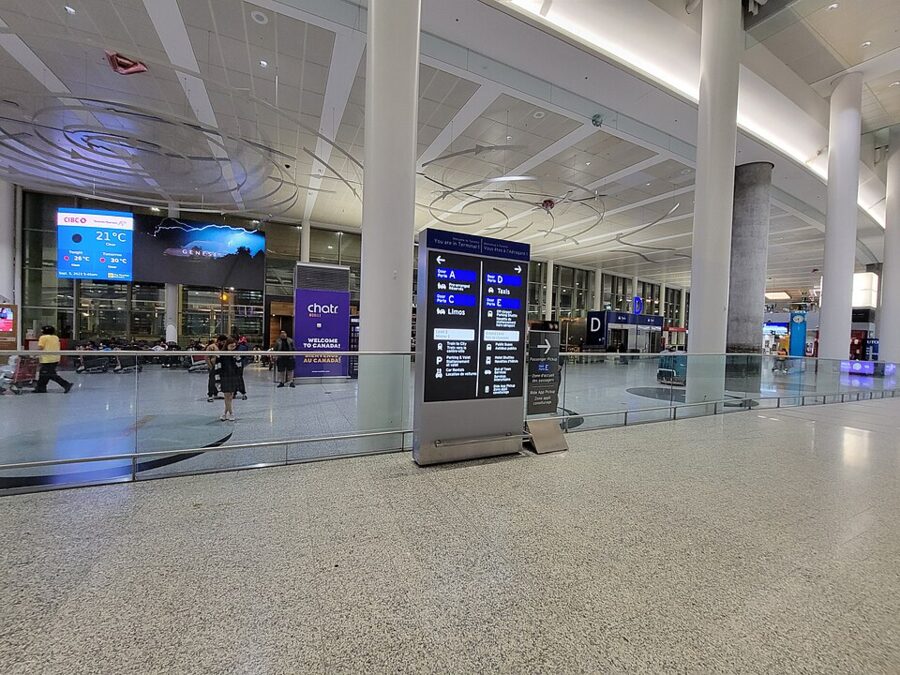

Vancouver is not on chatr’s airport list. Landing at YVR, I would install a chatr or Lucky tourist eSIM on the airport Wi-Fi in the arrivals hall, or set it up at home the night before.

One trip, both countries
Vancouver and Seattle, or Toronto and New York, on one trip needs a plan that keeps working when the phone changes country. In order of convenience:
- csl or SmarTone roaming: both packs cover the US and Canada, so a pass bought in Hong Kong carries on across the border. Both charge per destination per day, so a day spent in both countries may use two passes.
- T-Mobile U.S. Pass, if the US comes first: 5GB in Canada once you switch on the free add-on.
- Verizon Prepaid, for a month or longer: Canada is in every plan, at 2GB a day full speed.
- Public Mobile Canada-US-Mexico, if Canada comes first and you are staying a month.
- A North America travel eSIM, if you want it set up before you leave Hong Kong.



Calls, texts and your +852 number
Keep your Hong Kong SIM in the phone and switched on, even if you never use its data. Many Hong Kong banks and services still send security codes to your +852 number by SMS, and texts arrive whether or not data roaming is on. Turn data roaming off for the Hong Kong line, set the travel plan as the line for mobile data, and you will not pay roaming charges by accident.
A local number earns its place when people in the US or Canada need to call you back: a restaurant waitlist, a hotel, a driver who cannot find you. That is the case for T-Mobile’s pass or a monthly plan over a data-only eSIM.
Side by side, and my pick
Prices as listed by each provider in November 2026, before US or Canadian sales tax.
| Option | Price | Data | Days | Number | Both countries | Needs eSIM |
|---|---|---|---|---|---|---|
| csl USA and Canada package | HK$328 | 1GB a day, then 512kbps | 14 passes | Your +852 | Yes | No |
| SmarTone worldwide pack | HK$288 / HK$518 | 1.2GB a day, then 512kbps | 7 / 14 | Your +852 | Yes | No |
| 3 Daily Pass | HK$198 a day | Sold as unlimited | Per day | Your +852 | Yes | No |
| T-Mobile U.S. Pass | US$25 / US$30 / US$35 | Unlimited, 50GB priority | 7 / 10 / 14 | US | 5GB in Canada | Yes |
| Airalo US unlimited | US$25 | Unlimited | 7 | None | No | Yes |
| Airalo North America unlimited | US$37 | Unlimited | 7 | None | Yes | Yes |
| Verizon Prepaid 15GB | US$45 first month | 15GB | 30 | US | 2GB a day in Canada | No |
| Lucky Mobile or chatr | C$35 | 30GB | 30 | Canadian | No | No |
| Public Mobile Canada-US-Mexico | C$45 | 125GB | 30 | Canadian | Yes | No |
My pick for a typical two-week trip is the T-Mobile U.S. Pass, if your phone takes an eSIM and the US comes first: a US number, more data than you will use, and a day rate below every roaming pack except csl’s. On an older Hong Kong iPhone, or a trip that starts in Canada, I would roam: csl’s 14-pass package on csl, SmarTone’s pack on SmarTone, and keep my own number. Monthly plans only pay once you stay past three weeks.
Tonight, dial *#06# and look for the EID. If it is there, download T-Mobile’s Prepaid eSIM app before you leave for the airport, and buy the pass on the terminal Wi-Fi as soon as the aircraft is at the gate.