

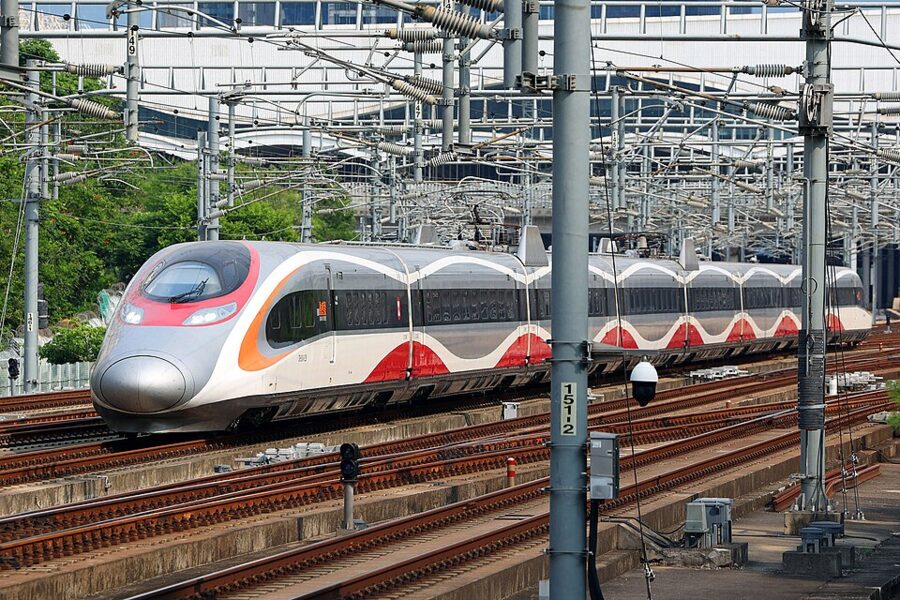
The 17:00 from West Kowloon runs non-stop and reaches Guangzhou South at 17:48, and a second-class seat costs HK$251. That is the train to Guangzhou now: the high-speed line from Hong Kong West Kowloon Station (香港西九龍站), with 37 trains a day to Guangzhou South (广州南站) and 13 to Guangzhou East (广州东站), at the same fare to either.
Which one you want depends on where you are sleeping. Guangzhou South is out in Panyu, 48 minutes to about an hour and a half from Hong Kong depending on the stops. Guangzhou East is in Tianhe, the modern centre, and the trains there take 1 hour 31 to 1 hour 52 minutes. If your hotel is in Tianhe, take the East train when the times suit you; for anywhere else, take the South train and the metro.
The old Intercity Through Train from Hung Hom to Guangzhou East no longer exists: it stopped in January 2020 and was formally ended in July 2024.
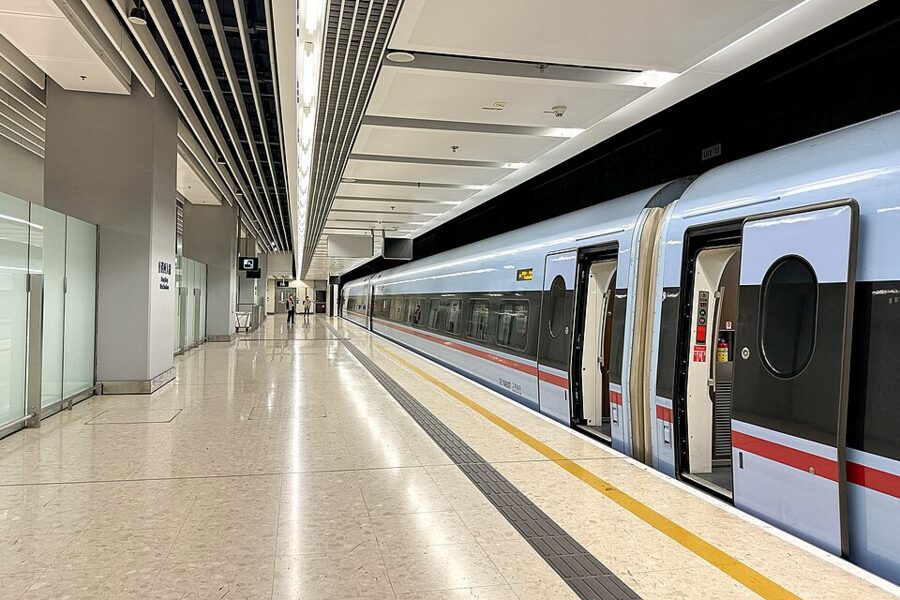

| Guangzhou South 广州南 | Guangzhou East 广州东 | |
|---|---|---|
| District | Shibi, Panyu, about 17 km south of the old centre | Tianhe, next to the business district |
| Trains a day from West Kowloon | 37 | 13 |
| Journey | 48 min–1 h 25 min, most about an hour | 1 h 31 min–1 h 52 min |
| First and last from Hong Kong | 07:20 (08:22 for the first short-haul train) and 22:37 | 07:41 and 21:02 |
| Last train back to Hong Kong | 21:28 | 20:40 |
| Adult fare, second / first class | HK$251 / HK$402 | HK$251 / HK$402 |
Times are from the MTR timetable in force since 11 October 2026 and fares are MTR’s for November 2026. China Railway sets the fares in renminbi (RMB 215 for second class) and MTR resets the Hong Kong dollar price on the first of each month, so check the current fare chart before you budget to the dollar.


In this article
Guangzhou South or Guangzhou East
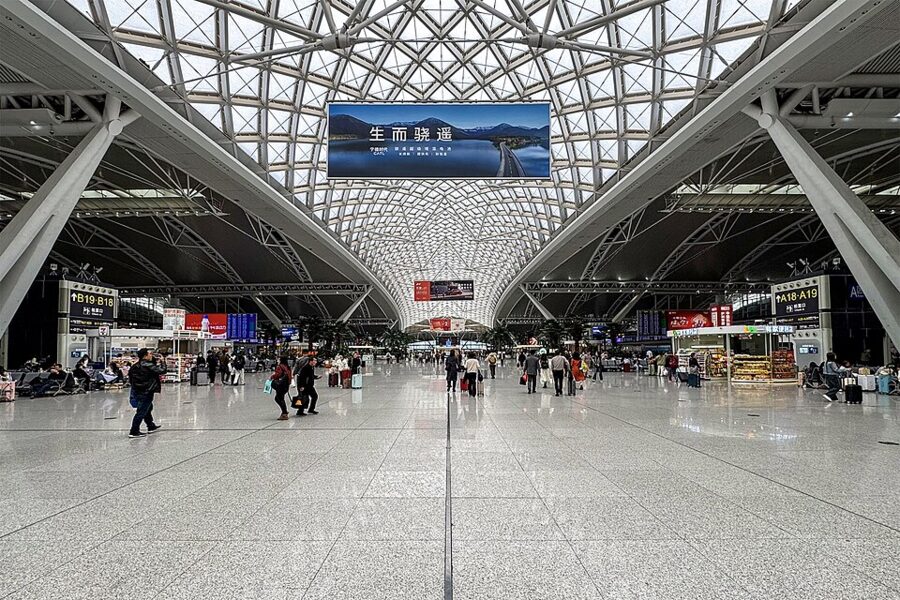
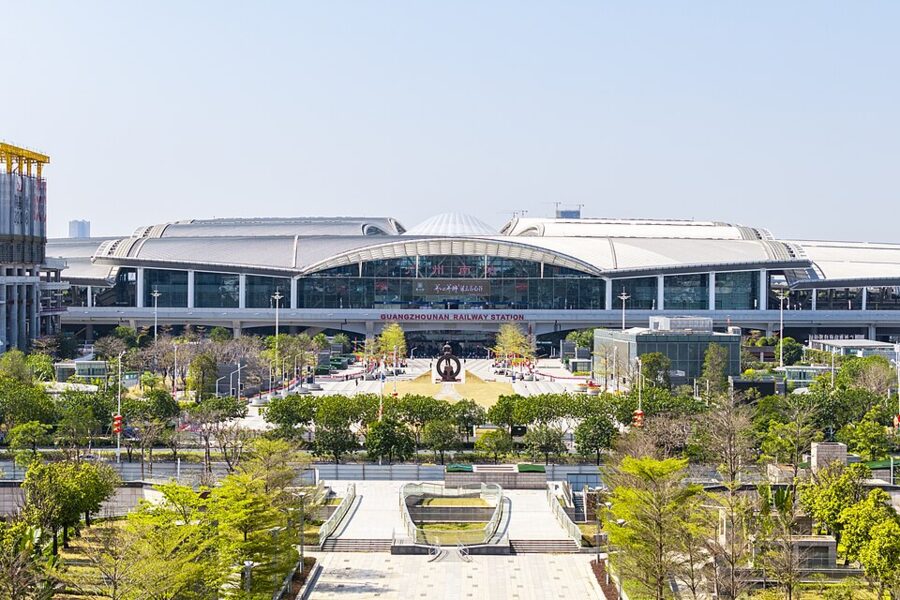
Guangzhou South gets the frequency and the fast trains. Of its 37 daily trains, 24 are short-haul services that run from Hong Kong to Guangzhou and back, and the quickest of them, the non-stop G6526 at 17:00, takes 48 minutes. The other 13 are long-distance trains heading deeper into China, such as the G382 that carries on to Beijing West; the trains to Beijing have their own page. Whether one of those sells you a seat for the short hop shows up on 12306 when you search.
The cost of Guangzhou South is the ride in. It sits in Shibi, Panyu, and from the platform to a hotel in Tianhe or Yuexiu I budget 45 minutes to an hour on the metro. It is the right station for Panyu itself, for Haizhu and the old city along Metro Line 2, for Foshan, and for changing onto a train to anywhere else in China.

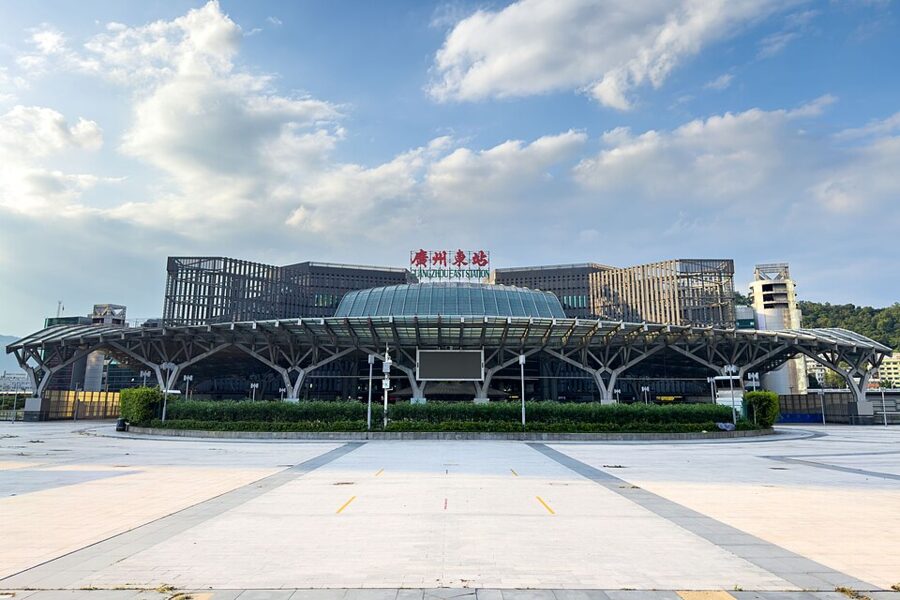
Guangzhou East is slower because its trains wander. Every one of the 13 stops at Shenzhen North and at one to three stations in Dongguan, and most also call at Guangzhou Xintang in Zengcheng before reaching Tianhe. You give up 30–40 minutes on the train and get most of it back at the other end, since Guangzhou East is already in the district where most business hotels are.
My rule: Tianhe, Zhujiang New Town or the Canton Tower side of the river by the East train if one leaves within the hour; otherwise the next South train and the metro. The East trains are also the ones for Guangzhou Xintang (HK$216). A handful of long-distance trains stop at Guangzhou North in Huadu (HK$280), which is no use for the city itself.

Times worth knowing
For a day trip, the 08:22 from West Kowloon reaches Guangzhou South at 09:19, and the last train back leaves Guangzhou South at 21:28, arriving at West Kowloon at 22:33. That gives you twelve hours in the city. The quickest run home is the non-stop G6503, 10:14 from Guangzhou South and in Kowloon 47 minutes later.
The East trains leave Hong Kong at 07:41, 08:30, 09:28, 10:40, 11:41, 12:23, 13:38, 14:32, 15:51, 16:49, 17:42, 18:54 and 21:02. Coming back, the first leaves Guangzhou East at 07:25 and the last at 20:40, so an evening dinner in Tianhe means a metro ride to Guangzhou South for the later trains.

For weekends, Golden Week and Lunar New Year I book the day sales open. If the train you want is gone, 12306 lets you join a waiting list for it, and the trains either side are usually less than half an hour away.
Fares, classes and children
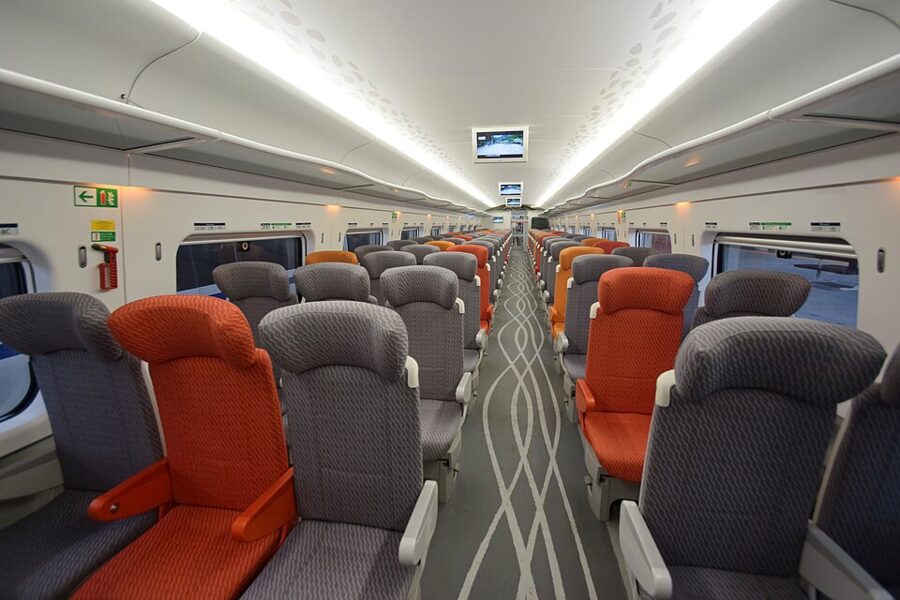
Second class is five seats across and fine for an hour. First class (HK$402) is four across with more legroom, and worth it on the longer East trains. A few trains also sell premium (HK$452) and business class (HK$753), and some Guangzhou South trains have a premium first class at HK$552.

Children aged 6 to 13 pay a child fare, half the adult price in second and first class: HK$126 and HK$201. A child under 6 rides free on an adult’s lap, but still has to be declared with their own document when you book, and a second under-6 with the same adult needs a child ticket. From 14, the fare is adult.
Buying the ticket, and which ID to use
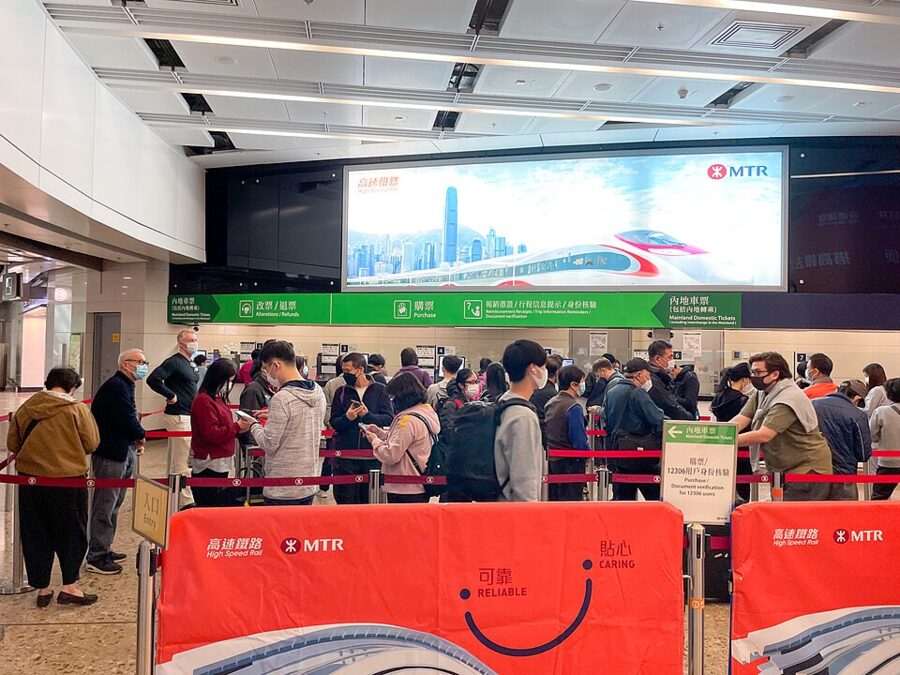
There are three places to buy, and nothing to print. Your identity document is the ticket: you scan it at West Kowloon, at the boarding gate and at the exit in Guangzhou. Each document holds one ticket per train per day.
- China Railway’s 12306 website and app. The one I use. It sells trains up to 15 days ahead, takes Visa, Mastercard, UnionPay and WeChat Pay HK, and handles changes and refunds online. Sales run 05:00–01:00 (05:00–24:00 on Tuesdays); refunds work around the clock.
- MTR’s designated ticket agents in Hong Kong, which charge no handling fee.
- The counters and machines on Level B1 at West Kowloon, where you can pay with an Octopus.

Book with the document you will cross the border on, because that is what the gates and the officers check:
- Hong Kong permanent residents who are Chinese citizens: the Home Return Permit (回鄉證). On 12306, enter your name in simplified Chinese and register with a Hong Kong mobile number.
- Hong Kong permanent residents who are not Chinese citizens: the Mainland Travel Permit for Non-Chinese Citizens, accepted on 12306, at the counters and by agents. Holders use the staff channel at the gates, not the automatic ones.
- Visitors: your passport. On the English 12306 site, foreign passport holders register with an email address.
A ticket can be changed once, for date, train or class, up to 45 minutes before departure from Hong Kong or 30 minutes before departure from Guangzhou. A changed ticket cannot then be refunded, so change it only once you are sure. Tickets bought from an agent are changed through that agent or at a station.
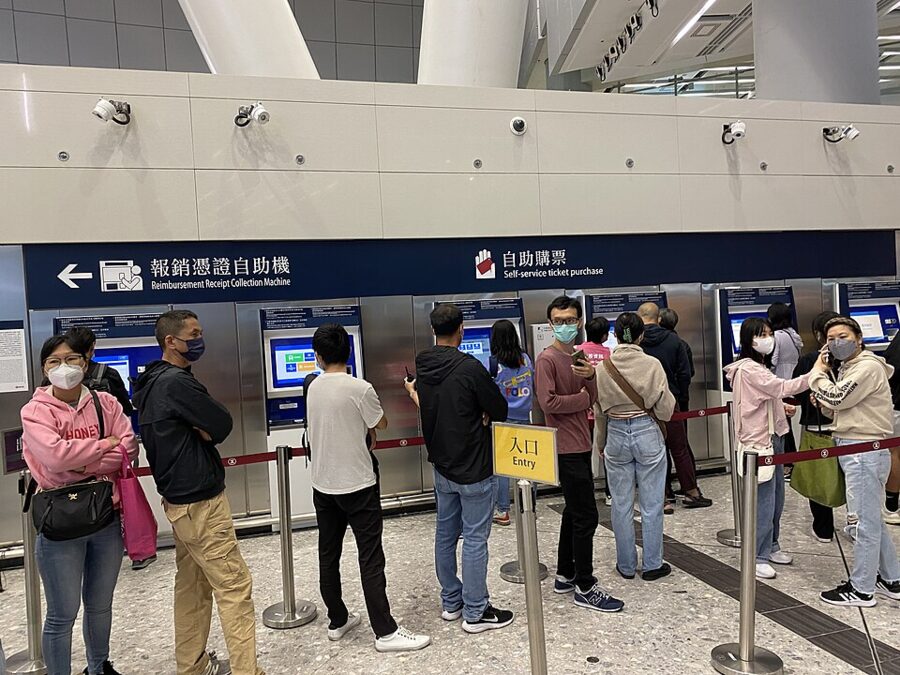

At West Kowloon: the 30-minute cut-off
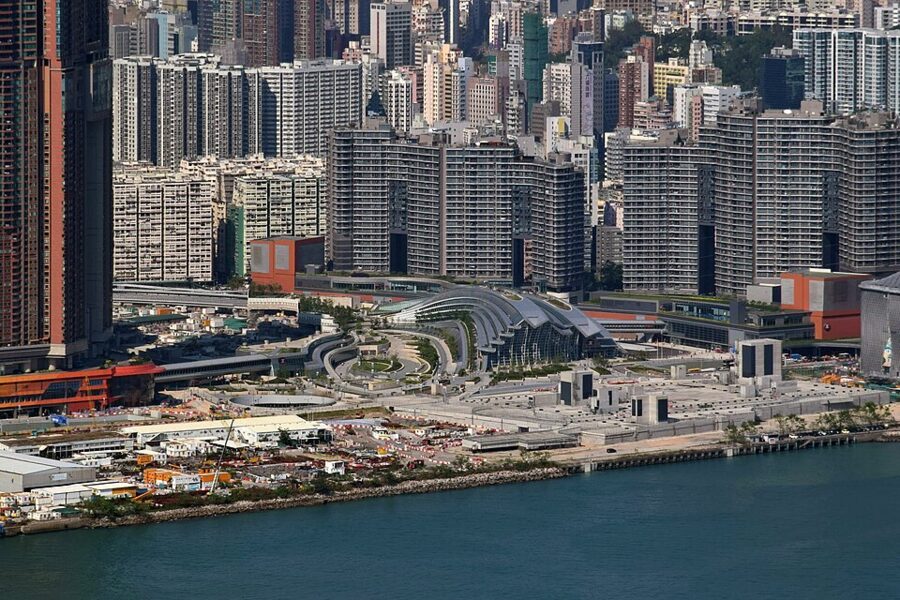
West Kowloon Station is joined by footbridge and tunnel to Austin on the Tuen Ma Line and to Kowloon station on the Tung Chung Line and the Airport Express, so from the airport you ride the Airport Express to Kowloon and walk across. Taxis drop you on Level B1. If you are picking where to stay in Hong Kong around an early train, Jordan and Tsim Sha Tsui are a short taxi ride away.
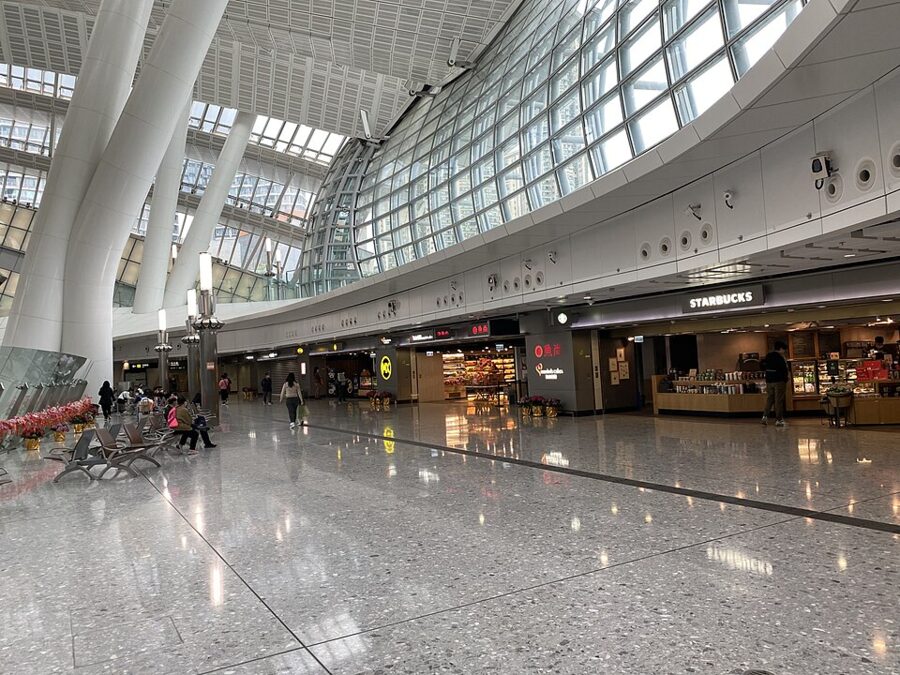

The process is the same as for the Shenzhen trains, covered in the guide to crossing to Shenzhen. You can start 90 minutes before departure. The ticket and ID check on Level B1 closes 30 minutes before the train leaves, and nothing gets you past it after that. Then security, then Hong Kong departure and mainland entry one after the other on Level B3, and the boarding gates, which open 15 minutes before departure and shut five minutes before.
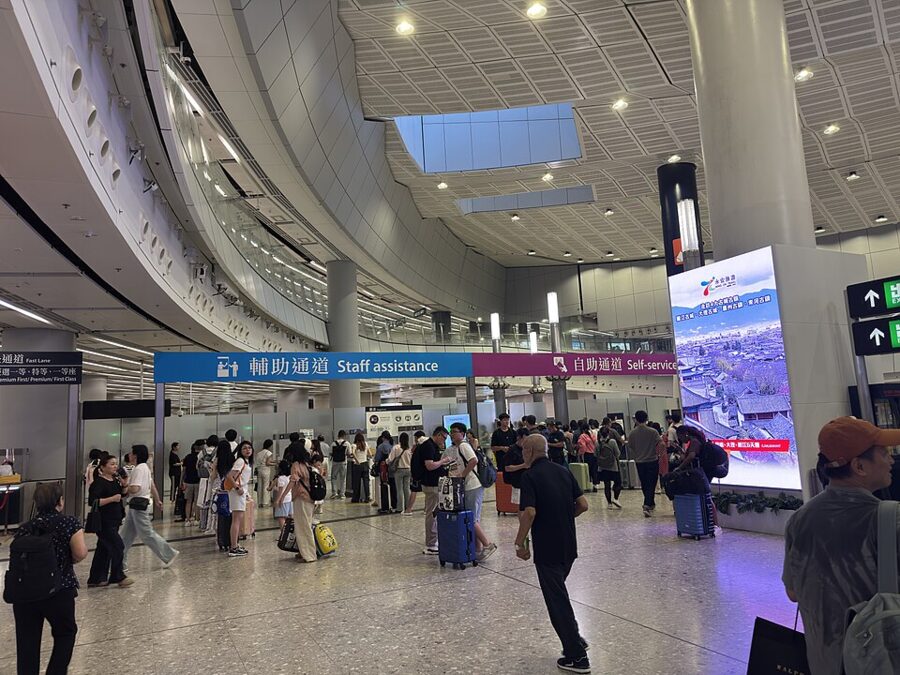

MTR reckons the whole thing takes 30–45 minutes and tells passport holders and weekend travellers to allow more, so on a foreign passport I arrive an hour ahead. The baggage limit is 20 kg in total for an adult and 10 kg for a child, with no single piece over 130 cm in length, width and height added together. There is no checked luggage; you lift it onto the rack yourself.


Arriving in Guangzhou
You have already cleared immigration in Kowloon, so in Guangzhou you walk off the platform and out through the exit gates like any domestic passenger, scanning the same document again. Before you go, set up Alipay or WeChat Pay with a foreign card on Hong Kong data; both pay for the metro and most taxis, and a few hundred renminbi in notes covers the rest.
Guangzhou South
Metro Lines 2, 7 and 22 meet under the station, along with Foshan’s Line 2. Line 2 is the useful one: it runs north through Haizhu to Gongyuanqian, for Beijing Road, and on to Guangzhou Railway Station. Line 22 runs south to Panyu Square, and Foshan’s Line 2 heads west into Foshan. For Tianhe, change from Line 2 to Line 1 at Gongyuanqian, or take a taxi.
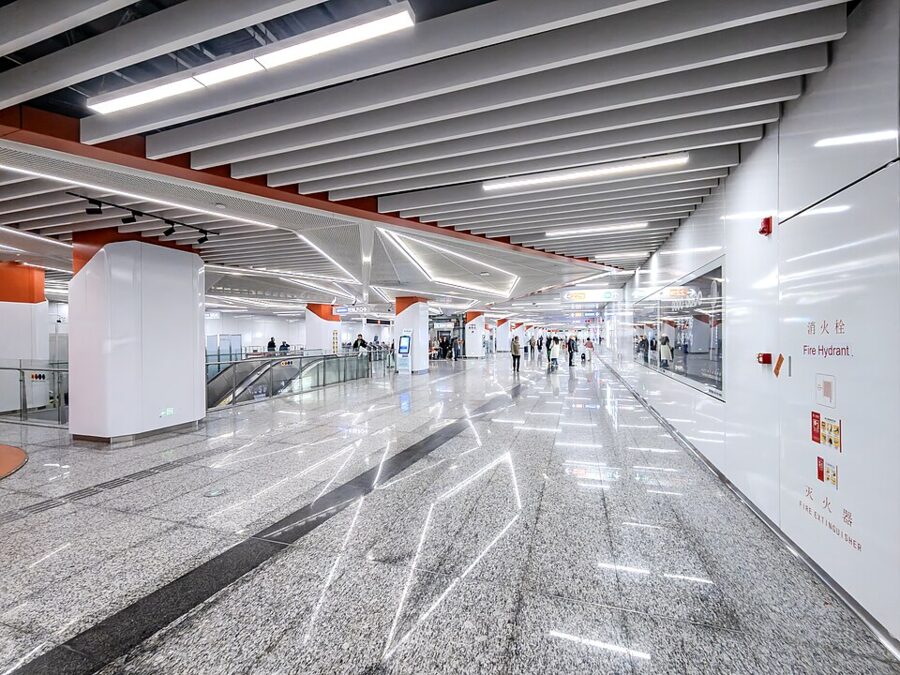

The last three trains from Hong Kong reach Guangzhou South at 23:14, 23:23 and 23:36. By then the metro is closing down, so if you are on one of them, plan on the taxi rank and have your hotel’s address in Chinese on your phone.
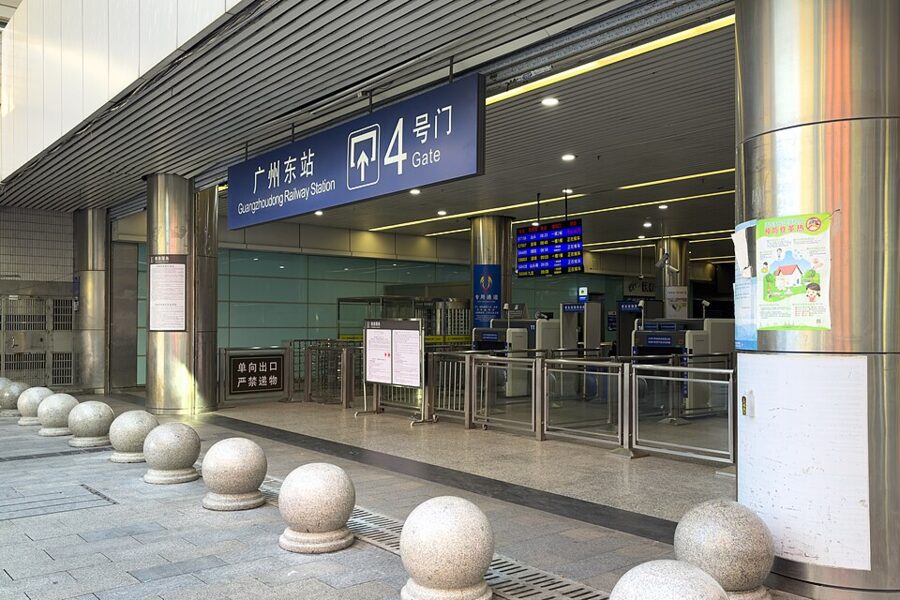
Guangzhou East
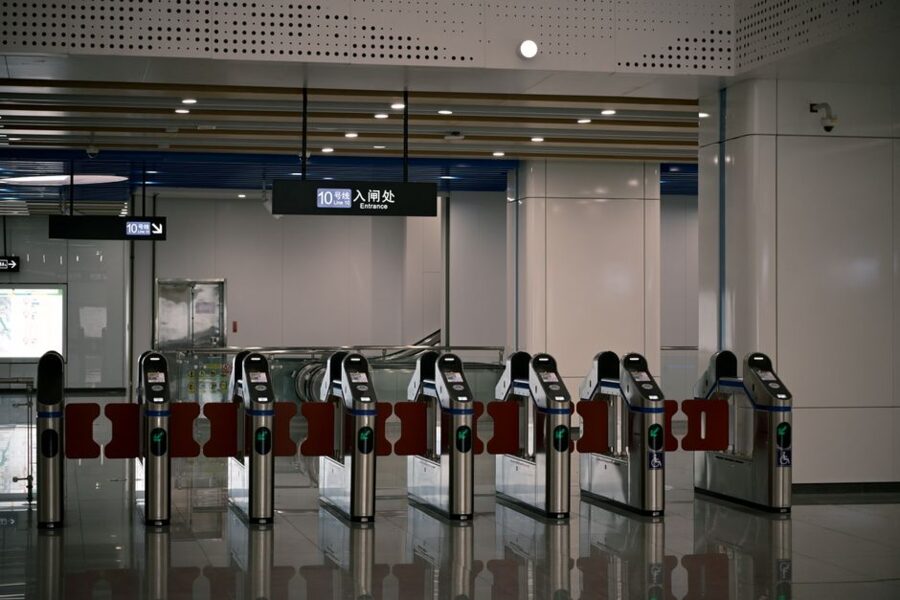
Guangzhou East sits on Linhe Zhonglu in Tianhe, with Metro Lines 1 and 3 underneath. Line 1 runs west through Tiyu Xilu and Gongyuanqian to the old city, and Line 3 north to Baiyun International Airport.


What happened to the Hung Hom through train
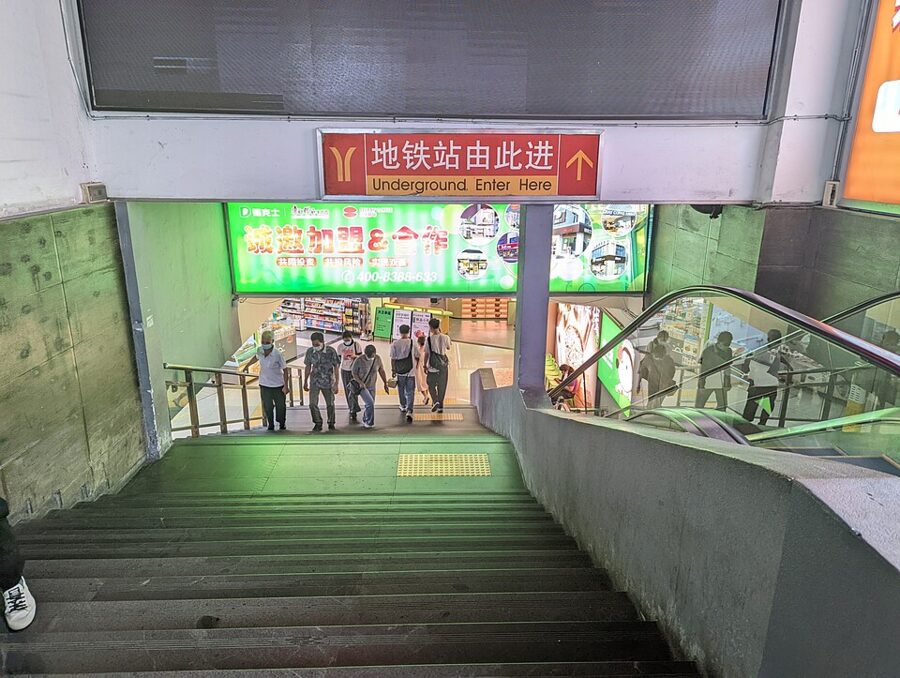
For decades the train to Guangzhou left from Hung Hom. The Intercity Through Train ran over the East Rail tracks to Guangzhou East in about two hours, with Hong Kong immigration at Hung Hom and mainland checks at the far end.
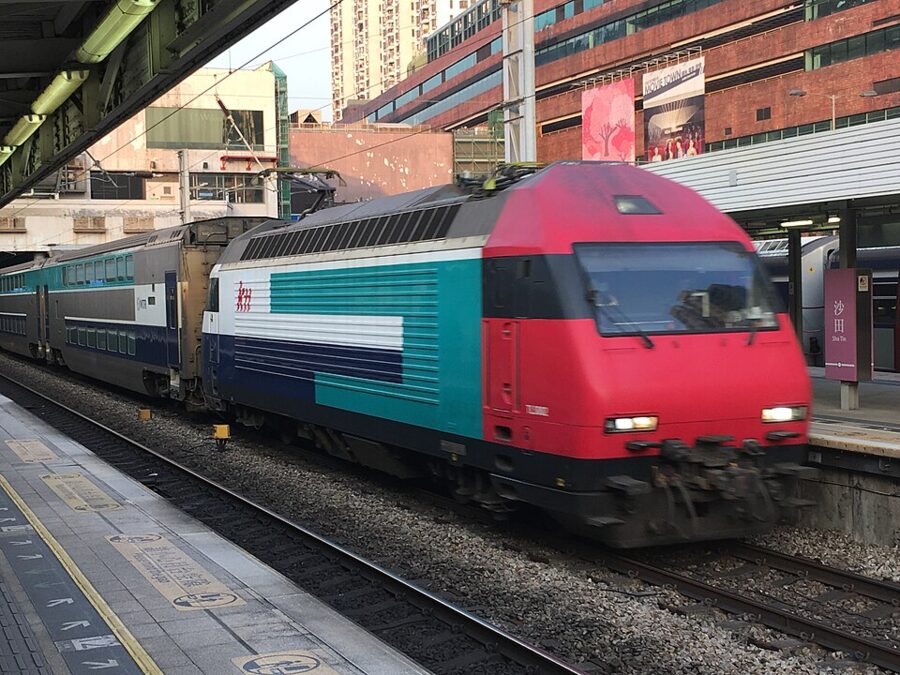

Service stopped on 30 January 2020, when Hong Kong closed the Hung Hom control point at the start of the pandemic, and it never came back. On 31 July 2024 China’s General Administration of Customs closed the through-train border posts, including the one at Guangzhou East, saying the high-speed line now met the demand. Any timetable showing departures for Guangzhou from Hung Hom is out of date.

Coach, Lo Wu or plane
Coach. The cross-border coaches cost about HK$110 from Kowloon to Guangzhou against HK$251 for the train, pick up at hotels and malls, and cross at Shenzhen Bay, where you get off with your bags for both immigration checks. Allow three to four hours. The coach wins for a group splitting costs or a hotel in Panyu or Huadu that sits on its route; for anyone else the train is two or three hours faster.
East Rail to Lo Wu, then a train from Shenzhen. Ride the East Rail Line to Lo Wu (HK$52.20 from Admiralty on an Octopus), walk the bridge through both border controls, and Shenzhen Railway Station is beside Luohu Port. Intercity trains run from there to Guangzhou East; times and fares are on 12306, and you buy that ticket separately. It wins when every high-speed train is sold out on a holiday weekend, or when you live on the East Rail Line and dislike the trip to West Kowloon.
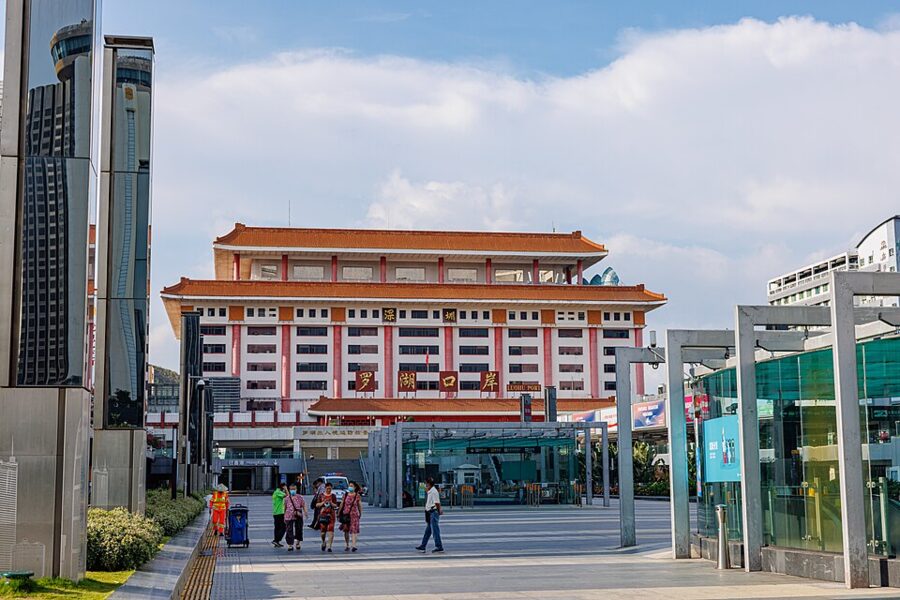

It does not solve a visa problem: the five-day Shenzhen visa issued at Lo Wu covers Shenzhen only.
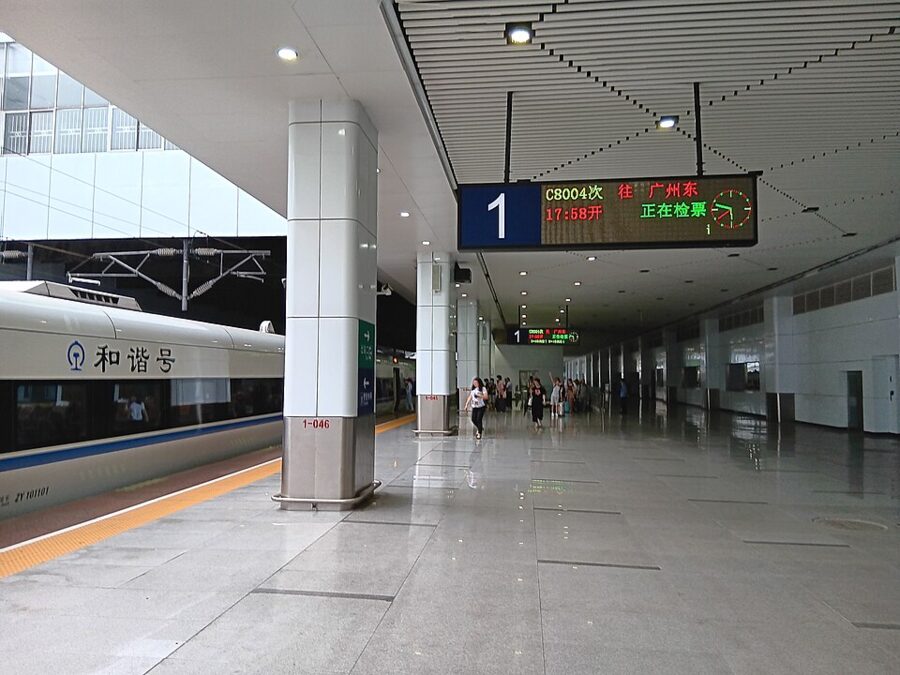

Plane. Skip it. Between the airports and the rides in, the train has you in Guangzhou hours earlier.
Papers: which passport, which rule
Mainland immigration happens at West Kowloon, so you need the right papers in Kowloon. Hong Kong Chinese residents cross on the Home Return Permit and need nothing else; non-Chinese permanent residents can use the permit for non-Chinese citizens instead of a visa. A foreign national with a Hong Kong permanent identity card but neither permit is a visitor on that passport.
As of November 2026, ordinary passports from 50 countries, including the UK, Canada, Australia, New Zealand, Japan, South Korea and most of the EU, enter visa-free for 30 days under a scheme due to run until 31 December 2026; the US is not on the list. The 240-hour visa-free transit covers 57 nationalities, Americans included, if you hold a dated onward ticket to a third country or region, and West Kowloon is one of its designated ports; a return to Hong Kong does not count as onward. Everyone else needs a China visa from Hong Kong. Foreign visitors also fill in the free online arrival card from the National Immigration Administration, with the Guangzhou hotel address to hand.
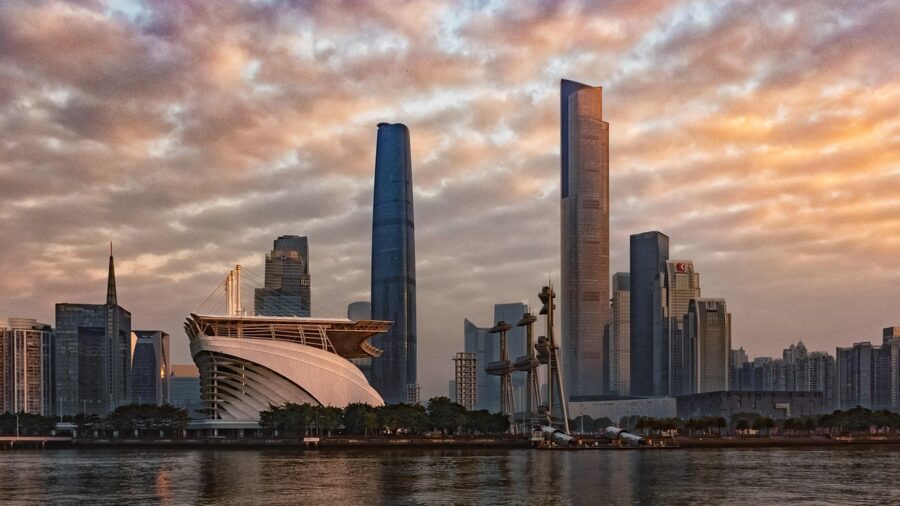
Book on 12306 tonight with the document you will cross on, pick the South or East train by where you are sleeping, and be at Level B1 at West Kowloon an hour before it leaves. The 30-minute cut-off is the only part of this trip that does not forgive.