

Fly Hong Kong to Beijing on Air China in the evening, connect to Europe the next afternoon, and the airline will put you up for the night, with breakfast and the hotel car, for nothing. As of November 2026 the rule is simple to state: one Air China ticket starting 999, both flights operated by Air China, a connection of 6 to 30 hours that runs past midnight, an economy fare that is not in booking class O, I, X or N, and a request made more than 24 hours before you land. Beijing Capital and Chengdu Tianfu both qualify. Beijing Daxing stopped on 16 October 2026.
You apply on Air China’s additional services page, in the Air China app or through the airline’s hotline, never at the airport. Rooms are limited and handed out in order, so book the day you buy the ticket. The full rules on Air China’s transit accommodation page cover arrivals up to 31 December 2026; if your connection lands in January, check that page again before you count on a bed.
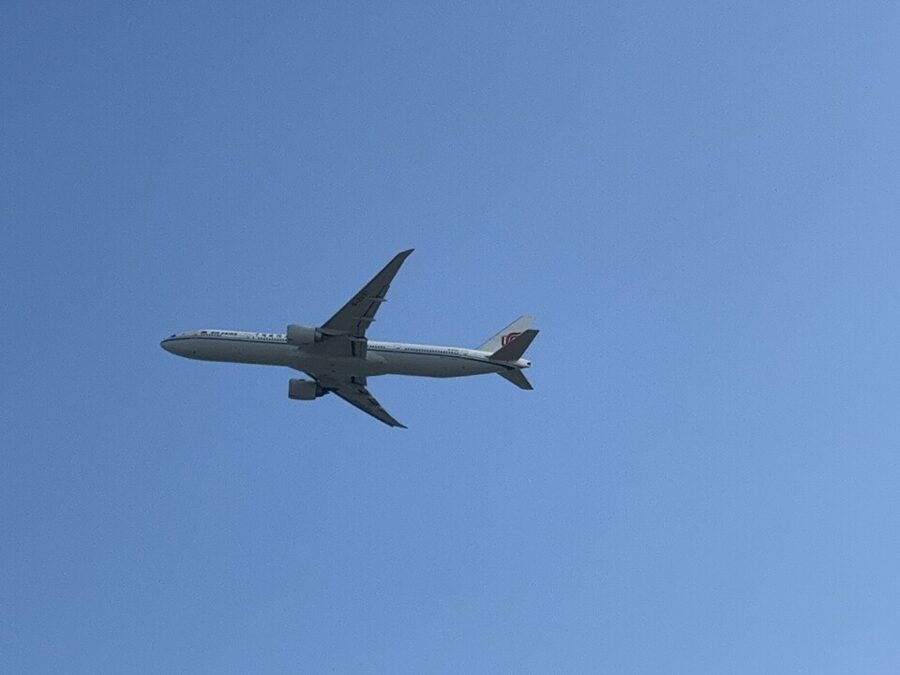

Starting in Hong Kong, you count as coming from a “region”, not a domestic point. Hong Kong to Beijing to London is therefore a regional-to-international connection, and both flights must be flown by Air China’s own aircraft. A Hong Kong leg sold under a CA number but flown by another airline does not qualify.
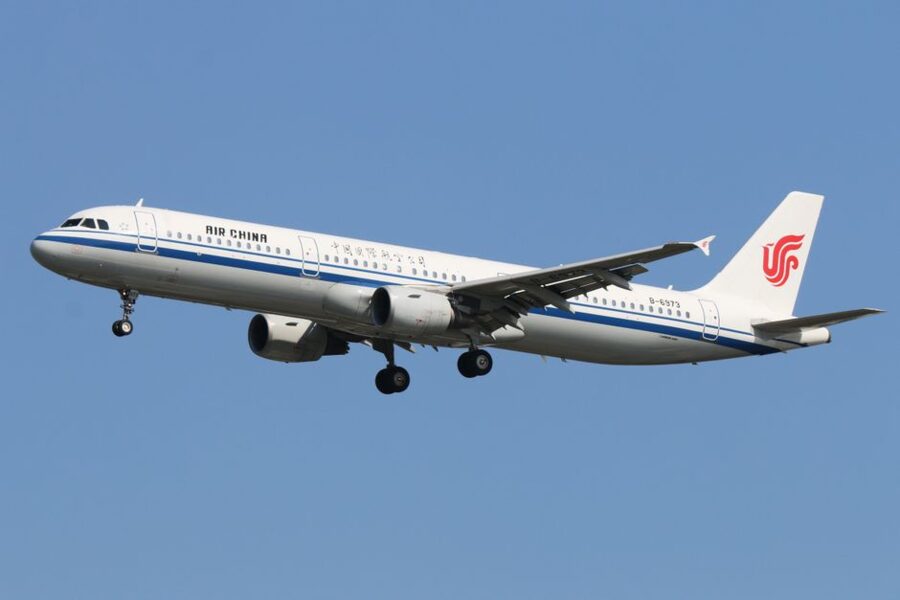
Chengdu has a twist. Since 31 July 2026 Air China’s Hong Kong flights, CA427 and CA428, use Chengdu Shuangliu, while the free hotels sit beside Tianfu, about 50km away, and their cars only run to Tianfu.

In this article
The fine print on your ticket
Air China judges each connection by three points in a row: where you came from, the transit city and where you go next. Each trio can earn one night, so Hong Kong, Beijing, Frankfurt, Beijing, Hong Kong can earn a night in each direction.
It must be one Air China ticket (the number starts 999) with both flights on the same booking, or a run of consecutive ticket numbers issued because the trip had too many flights for one. Both flights must carry a CA number. Two separate tickets, even two Air China tickets, get nothing.
| Your connection | Overnight window | Who gets a room |
|---|---|---|
| Hong Kong or abroad, via Beijing or Chengdu, to another international or Hong Kong flight | 6–30 hours, across midnight | Economy classes G, E, Y, B, M, U, H, Q, V, W, S, L, P, K and T; Business and First |
| Hong Kong or abroad to a mainland flight, or the reverse | 6–30 hours, across midnight | The same economy classes; Business and First |
| Mainland to mainland | 6–24 hours, across midnight | The same economy classes except T; Business and First |
A same-day connection also counts if your first flight lands at or before 08:00 and you wait at least six hours. The booking class is the single letter on your e-ticket next to each flight. If it reads O, I, X or N, there is no hotel, and the same goes for award tickets, free tickets, infant tickets, children travelling alone and any ticket you have upgraded or plan to upgrade.
Business and First passengers can ask for the deluxe hotel in Beijing Capital and Chengdu Tianfu. On Hong Kong to Beijing to London, either flight in Business is enough; when one flight is a mainland one, the international or Hong Kong flight has to be. In the standard hotels, Business and First passengers and PhoenixMiles Gold or Platinum members can pick from the list and get priority for a room of their own. Everyone else takes the hotel the system assigns.
Booking the night, step by step
- Buy the ticket first. The request has to go in more than 24 hours before your first flight is due to land (50 hours for the deluxe hotel), in Beijing time, which is Hong Kong time anyway.
- Open Air China’s additional services page or the app’s Transit Accommodation section, register with a mobile number and verify your 13-digit ticket number.
- Enter your name as on the ticket (surname/given name), passport number and ticket number. For the flight, give the second flight, the one leaving Beijing or Chengdu, with its date; the departure city is the transit city.
- Confirm the hotel. Unless you fly Business or hold PhoenixMiles Gold or above, the system picks it for you.
- Find the confirmation under Orders/Itinerary. Put the hotel’s name and contact details on your phone before you land.
The deluxe hotel can only be booked through Air China’s sales and service hotline, whose numbers for Hong Kong callers are on Air China’s Hong Kong contact page. The hotline is also the fix when the website refuses a ticket bought through an online agency, as it can. Travelling together on separate bookings, you can end up in two hotels; one call can put the second booking into the first one’s hotel.

Several passengers on one request get the lowest hotel any of them qualifies for, so a Business passenger travelling with an economy companion gets the standard hotel too.
Beijing Capital: Terminal 3 and four hotels in Shunyi
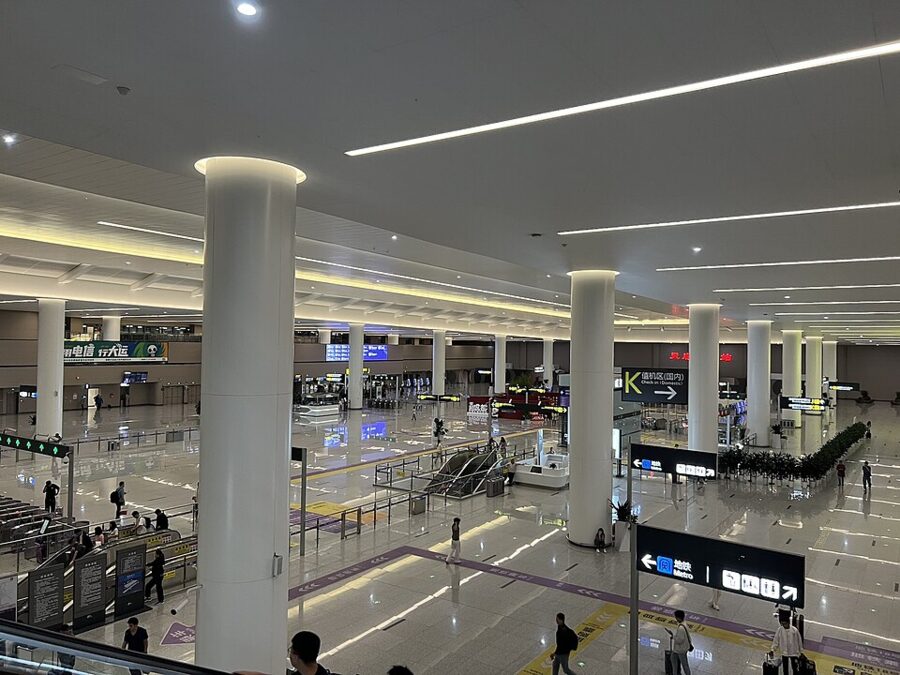
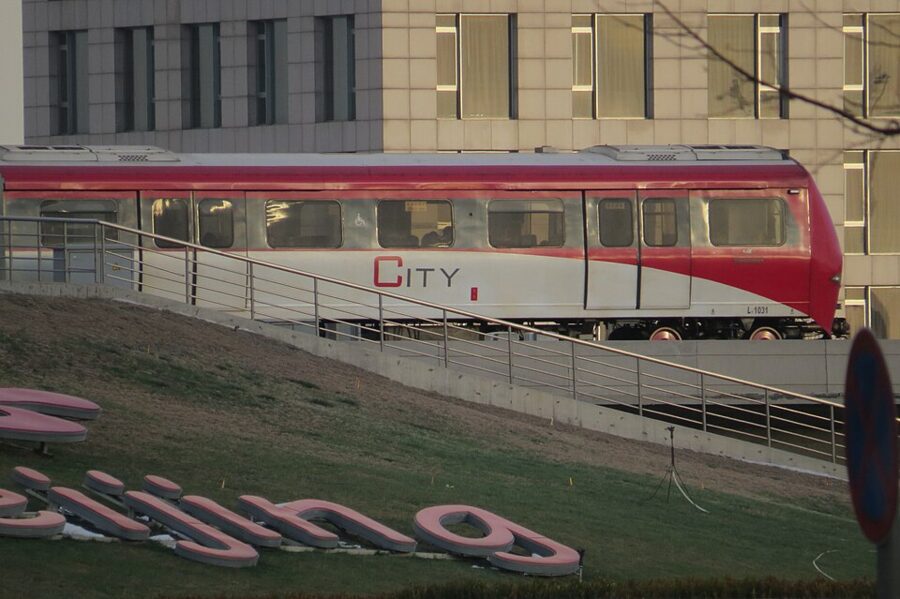
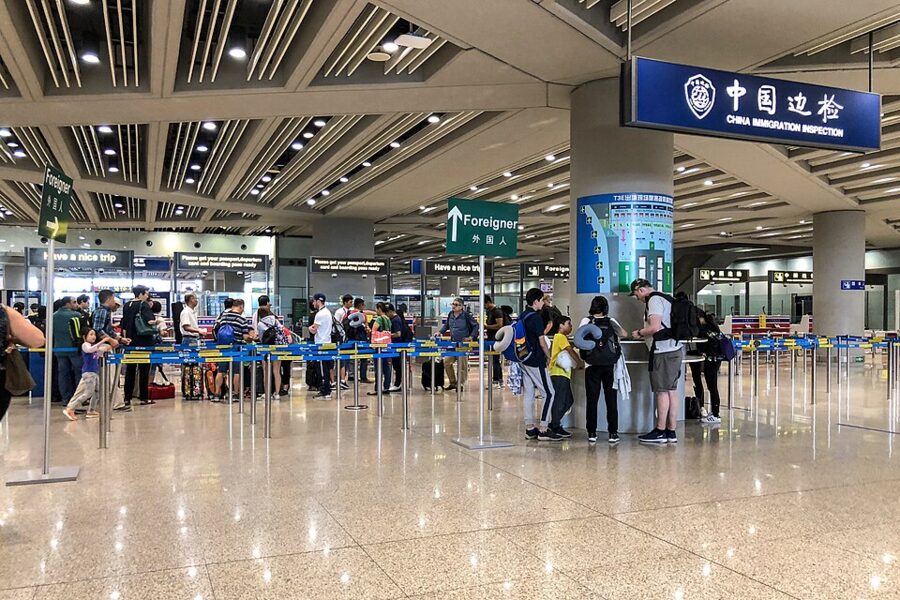
Air China’s international arrivals at Capital come in at Terminal 3-E. You clear immigration there and ride the airport train to Terminal 3-C for the baggage hall.
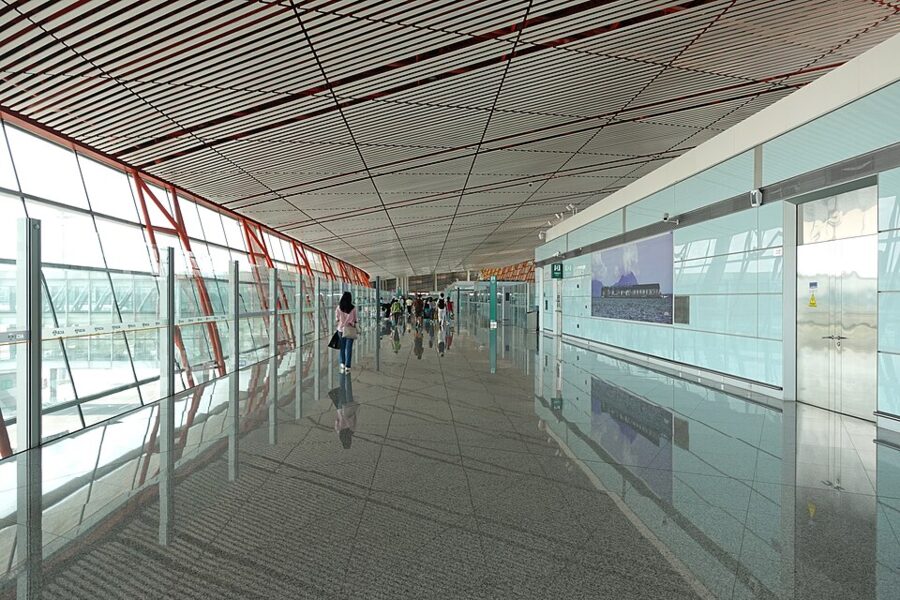

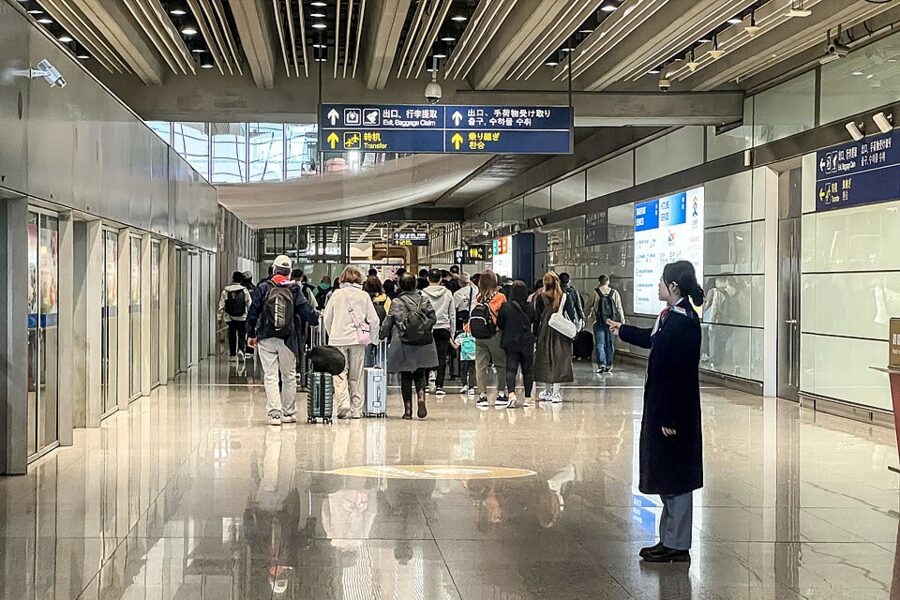

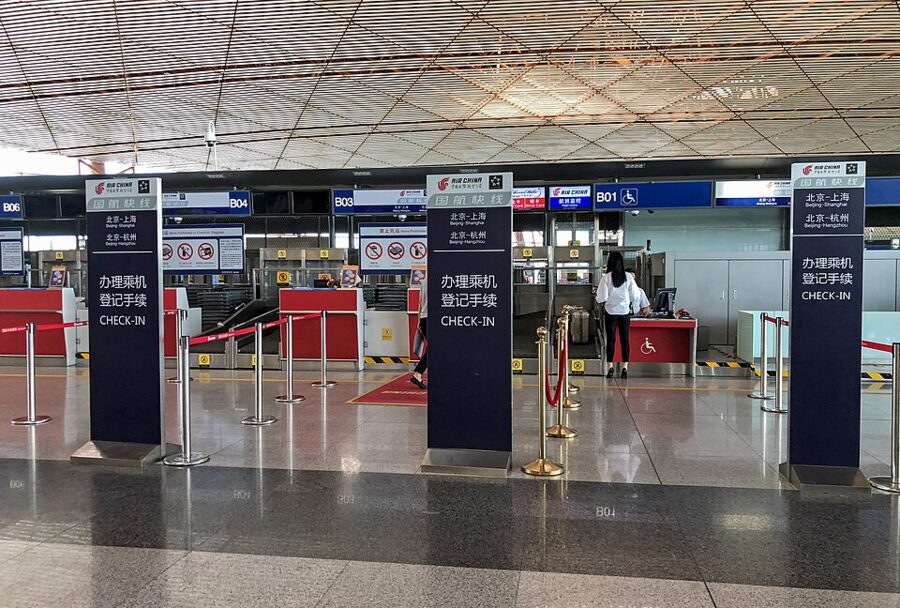
Collect any bags and follow the arrivals signs out of the baggage hall. The Air China Transit Service Counter is on level 2 of Terminal 3-C, opposite Exit B, the exit for international, Hong Kong, Macau and Taiwan arrivals. Show your passport and boarding passes, and the staff call your hotel to send its car.
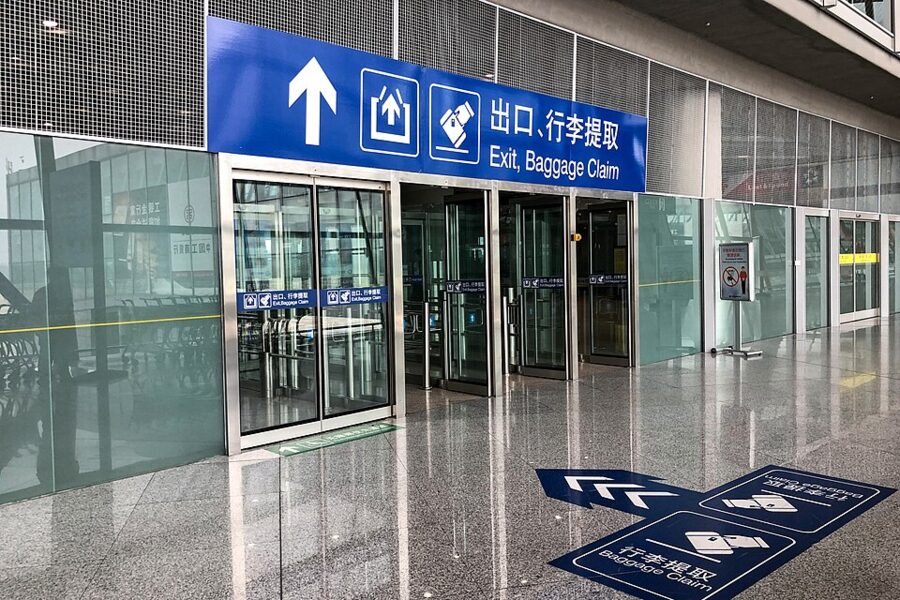

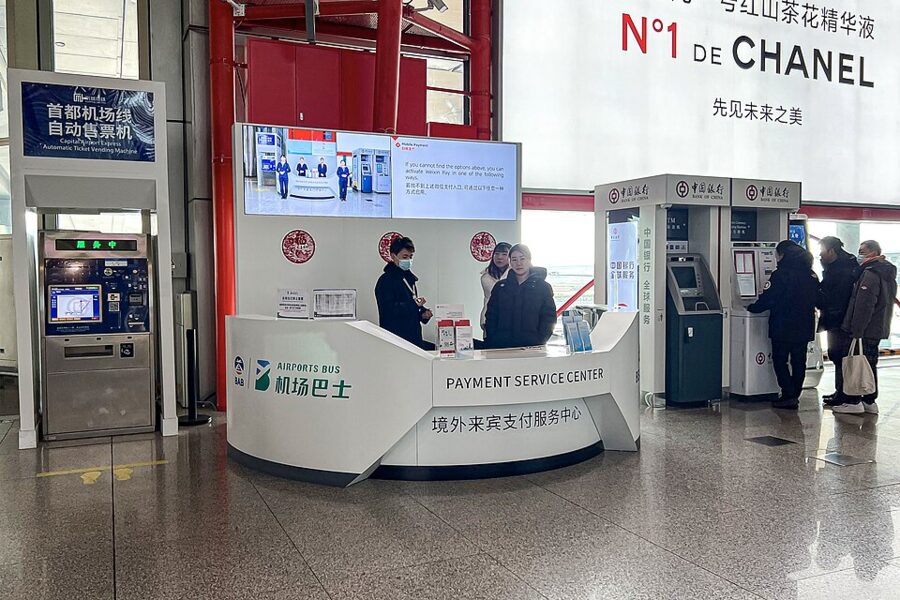
Air China does not publish the counter’s hours. If it is closed, the rules tell you to contact the hotel directly, so you need its number and mobile data the moment you land. A Hong Kong prepaid SIM with a mainland data pass does that, and keeps WhatsApp and Google Maps working where a mainland hotel’s wifi will not.
The standard hotels are all in Shunyi, the district around the airport:
- Beijing Airport Lanwan International Hotel (北京空港蓝湾国际酒店), 22 Tianzhu East Road, with separate pickup lines for Terminals 2 and 3
- Beijing Fuyong Yulong International Hotel (北京福永御龙国际酒店), Ronghui Park, Airport Industrial Street
- Beijing Kaisheng Xingfeng International Hotel (北京凯盛兴丰国际酒店), 2 Tianzhu East Road
- Beijing Aulympic Airportel (北京空港奥竺宾馆), 36 Xiaotianzhu Road, also with Terminal 2 and 3 pickup lines
The deluxe hotel is the Beijing Guoce International Convention and Exhibition Center (北京国测国际会议会展中心) in the airport economic zone, with its own free shuttle to Capital. Keep the Chinese names on your phone; they are what a driver will recognise.
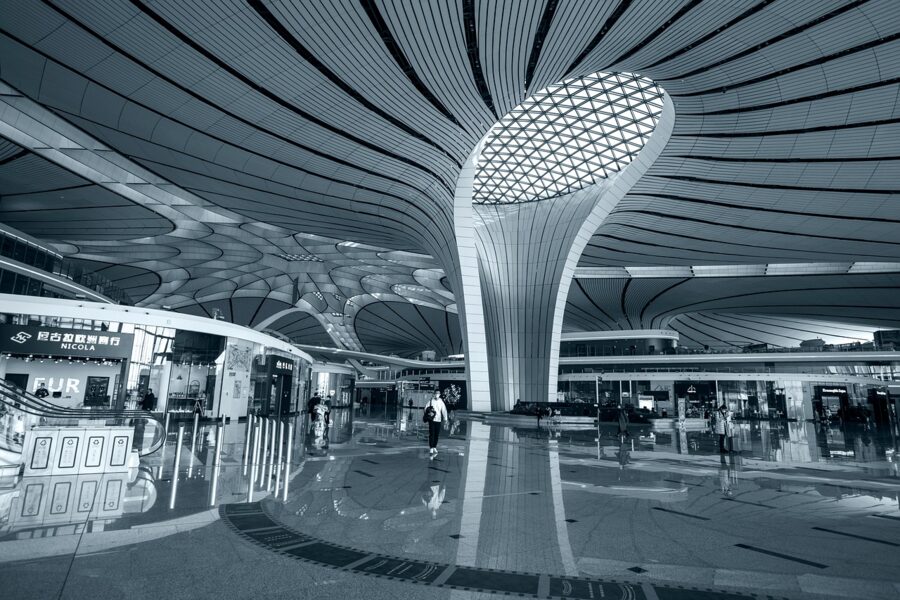
Daxing is out. Its transit hotel, the Voyage Garden Hotel, took arrivals from 27 April to 15 October 2026, and the service ended the next day. If your Air China flight uses Daxing, budget for your own room; the Capital hotels will not send a car there either.
Chengdu: Tianfu hotels, Jianyang addresses and the Shuangliu catch
The standard Chengdu hotels are in Jianyang (简阳), the county town next to Tianfu airport, not in Chengdu itself. Guests at the Ramada put the hotel bus ride at about 20 minutes. The hotels that send cars to Tianfu:
- Chengdu Jianyang Derunda Hotel (成都简阳德润达酒店), 326 Fengshan Road
- Ramada by Wyndham Jianyang (成都简阳华美达酒店), 8 Zhiyan Lane, Dongxi Avenue
- Chengdu Tianjin International Hotel (成都天锦国际酒店), Mianfeng Community, Jiancheng Subdistrict
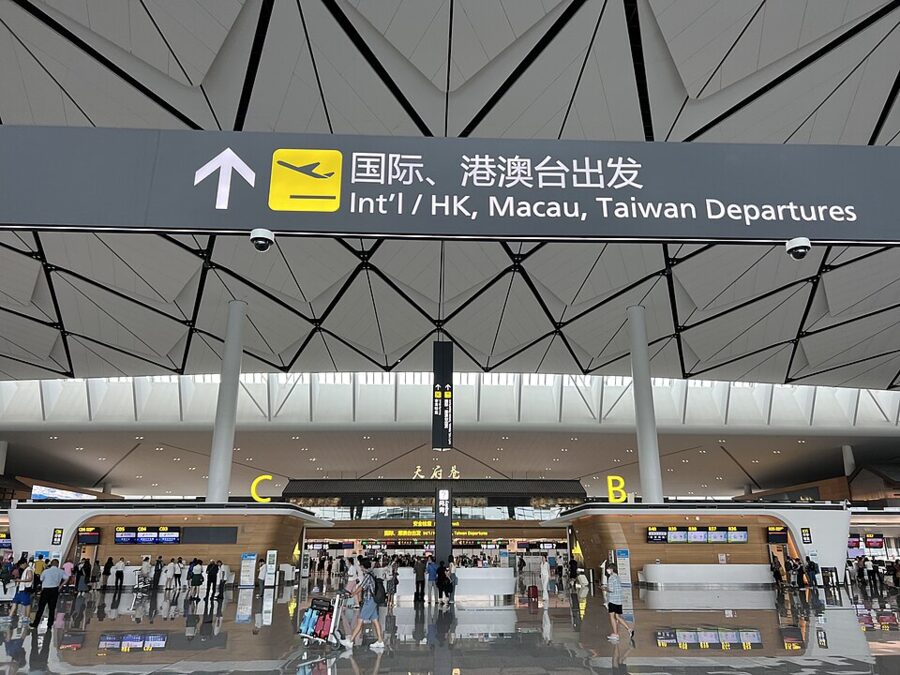

Beijing has a counter; in Chengdu the rules tell you to contact the hotel yourself, or ask the hotline to arrange the pickup. Message the hotel the day before with your flight number. If you forget, an Air China counter in the terminal can usually phone the driver, and the bus can take a quarter of an hour to appear.
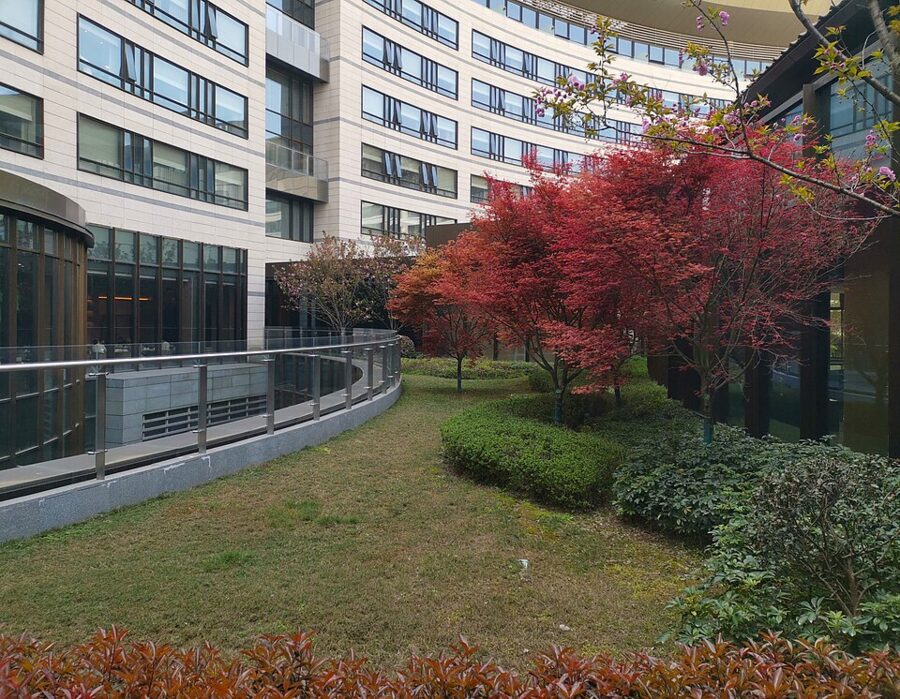

The deluxe hotel, the Chengdu Joyhub Air Hotel (成都天府空港云享酒店), is inside the airport between Terminals 1 and 2. For a Business passenger with an early flight it is the best of Air China’s transit nights, because the morning commute is a walk.
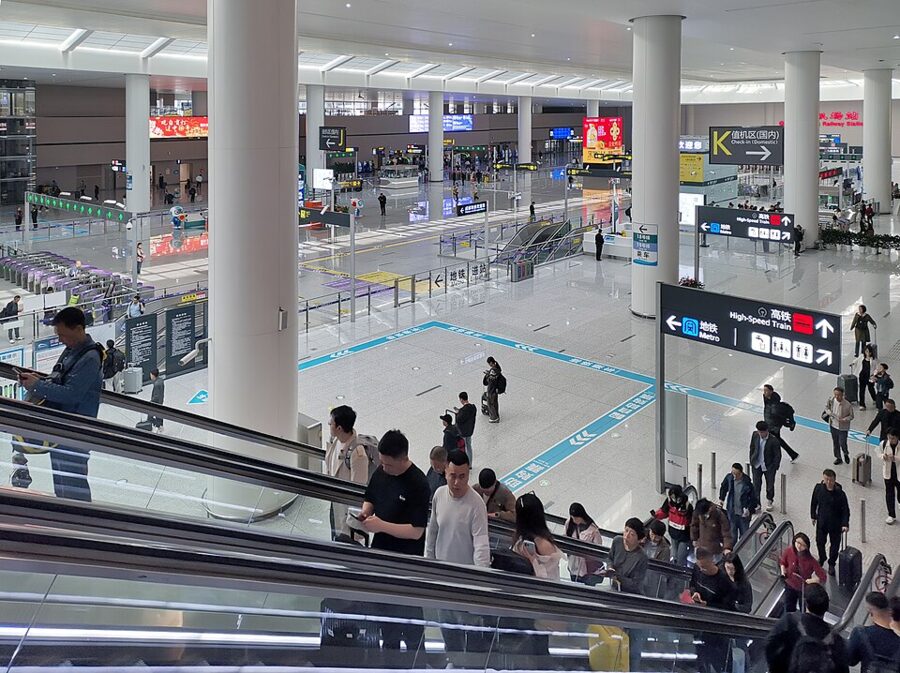

Now the catch. Air China’s rules accept Shuangliu-to-Tianfu and Tianfu-to-Shuangliu connections for the Chengdu hotels, so CA428 from Hong Kong followed by an international flight out of Tianfu can still earn the night. But every one of those hotels states that it will not collect from or deliver to Shuangliu. The leg between the airports is yours to arrange and pay for.
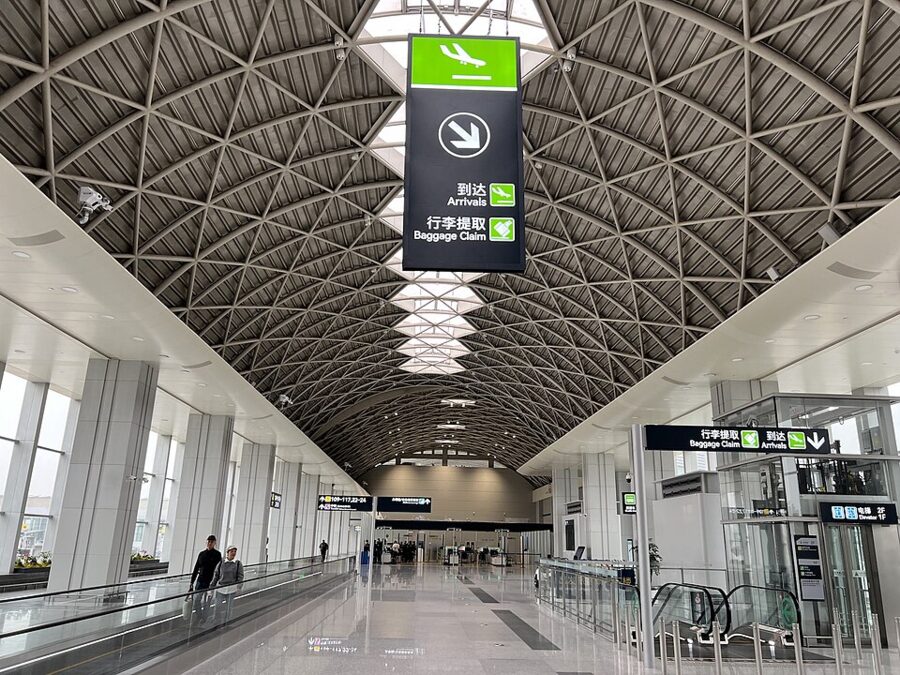

Coming home it bites harder. Land at Tianfu from Europe, sleep in Jianyang, and the hotel bus takes you back to Tianfu, while CA427 to Hong Kong leaves from Shuangliu. I would allow at least two hours for the cross-town transfer, and check the airport on your booking screen the week you fly: Air China’s notice of the move names CA427 and CA428, and nothing guarantees it stays that way.

Leaving the airport: permits, passports and checked bags
A transit hotel means entering the mainland for the night, and Air China takes no responsibility if you are refused. Which document gets you in depends on the passport.
An HKSAR passport holder enters on the Home Return Permit (回鄉證), as on any trip across the border. Carry the passport too: the hotel asks for the travel document the ticket was bought with plus your boarding passes, and for most Hong Kong people that is the passport. A Hong Kong permanent resident who is not a Chinese citizen is treated as a holder of their foreign passport, unless they have the permit for non-Chinese citizens.
Foreign passports have three routes. Holders from the 50 countries on China’s 30-day visa-free entry list walk in. Nationals of the 57 countries in the 240-hour transit scheme can stay up to ten days if they fly on to a third country or region; Hong Kong to Beijing to London qualifies. Anyone else staying under 24 hours needs a temporary entry permit from the border officers to leave the airport, under the National Immigration Administration’s transit rules, and should not count on one; for a full China visa, apply in Hong Kong before you fly.

For bags, ask the check-in agent in Hong Kong where your suitcase is tagged to. A bag checked through to London normally stays airside in Beijing while you sleep, so pack the night’s things in your cabin bag. If the tag says Beijing, collect it, take it to the hotel and check it in again in the morning.
Is it worth it, or should you pay?
For an overnight connection of ten hours or more, take the free room. Breakfast and both transfers are covered, and a bed in Shunyi beats a bench in Terminal 3.
On a short night it stops being worth it. Land at 23:30, queue for immigration, wait for the car, and for a 07:30 departure you are back at Terminal 3 by 05:30, with four or five hours in bed. In that case, and whenever your passport makes entry uncertain, stay airside.
At Capital, eligible Air China connecting passengers can use Air China’s transit lounge without leaving the secure area: showers, snacks, unlimited time in the lounge and a room for up to four hours, booked at the lounge. A paid hotel near Terminal 3 still means clearing immigration, so it only beats the free one if you want to choose where you sleep. Only one Air China extra is allowed per flight, whether the transit hotel, the transit lounge, the Business car transfer or the free air-rail and air-bus link, so book the hotel and you cannot claim the lounge.

With more than eight hours at Capital and a passport that qualifies for visa-free transit, Air China passengers can also join a free half-day Beijing tour, with transport, guide and tickets included. Places are limited and handed out at the counter on the west side of the Terminal 3 international arrivals level.
Where it goes wrong
Most refusals come from the ticket. Two tickets instead of one, a Hong Kong leg flown by a partner airline, an O or N fare, or a request made inside the 24 hours: any one of them ends it, and nobody at the airport can override the system. An upgrade at the gate on the first flight can cost you the bed too.
The second trap is the airport. Daxing is out of the scheme, and Shuangliu is outside the shuttle runs. Check which airport each flight uses on your booking screen, not on the schedule you saw when you bought the ticket.
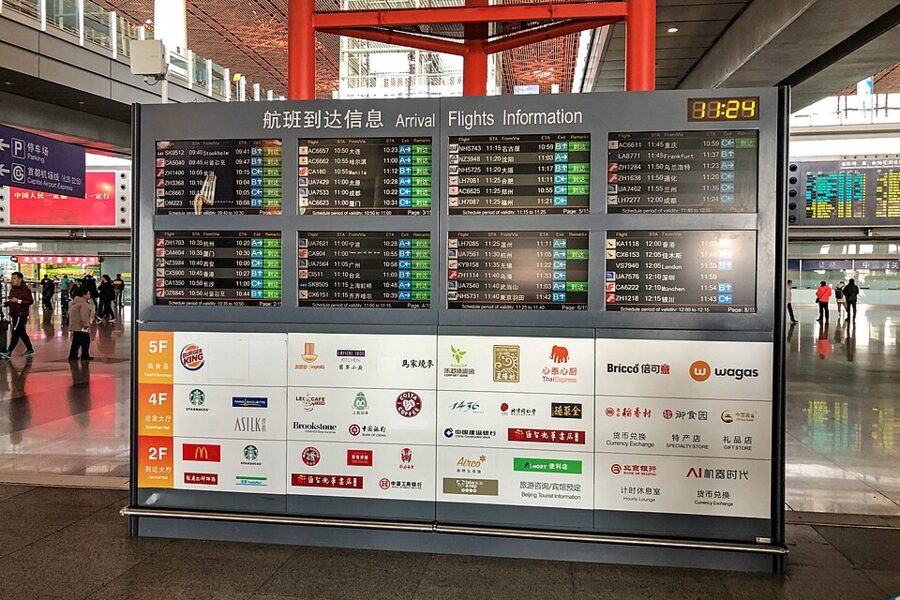

The third is the late change. If Air China retimes your flight, the system can cancel the hotel order without much notice. Look at Orders/Itinerary two or three days before you fly, while there is still time to rebook before the 24-hour limit; after that, the hotline is the only way back in.

So before you leave for Chek Lap Kok, have four things on your phone: the hotel confirmation, the hotel’s name in Chinese, its contact number and working mobile data. Then, at Terminal 3-C, it is a short walk out of baggage claim to the counter opposite Exit B, and somebody else’s car takes it from there.