

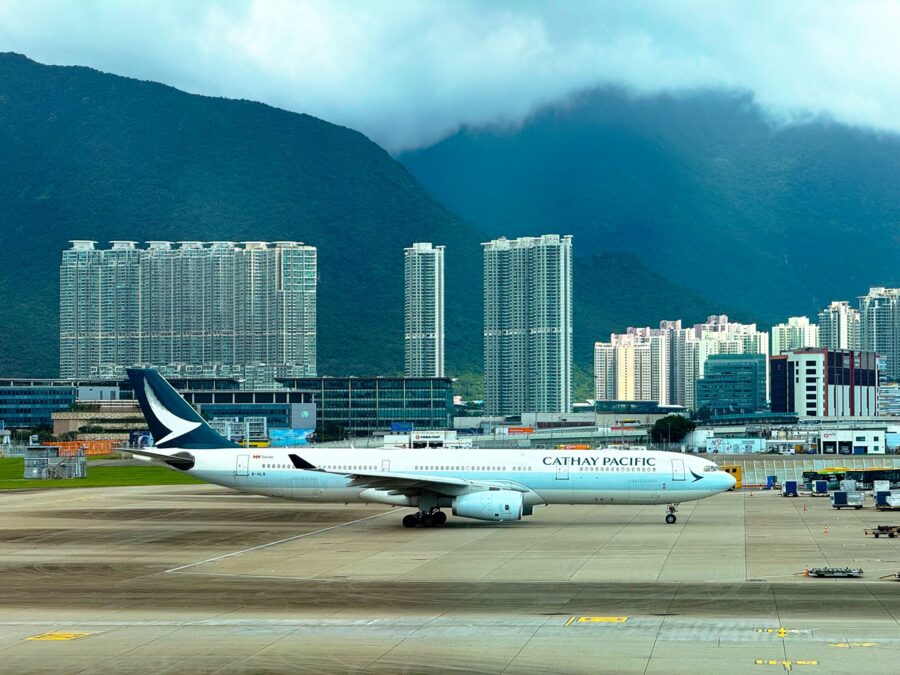
A Cathay Pacific Economy ticket out of Hong Kong includes at least one 23kg checked bag, and only the cheapest fare stops at one. As of November 2026 Cathay counts bags by the piece on its own flights, whether you are flying to Taipei, London, New York or Auckland: Economy Light gets one bag of 23kg, Economy Essential and Economy Flex get two, Premium Economy two of 23kg, Business two of 32kg and First three of 32kg.
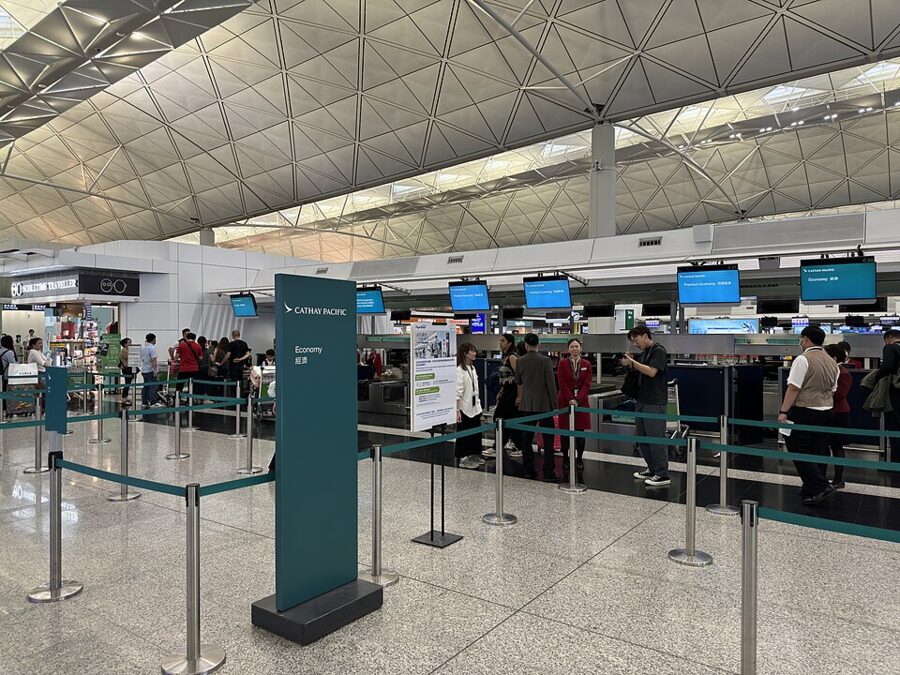

In the cabin, Economy and Premium Economy passengers get one bag of up to 7kg plus a small item, Business 10kg and First 15kg. An extra checked bag bought online at least 24 hours ahead costs US$90 to Japan, Taiwan, the mainland or South East Asia and US$180 to North America. Leave it to the airport and the same bag is US$100 or US$200 (about HK$780 or HK$1,560).

Whether the bag reaches your final airport depends on the ticket, not the airline. On one ticket it goes through. On a Cathay ticket that includes an HK Express flight sold under a CX number, it goes through on Cathay’s allowance. On two separate tickets you will usually collect it in Hong Kong, clear immigration and check it in again, and since 10 June 2026 HK Express checks in at Terminal 2, not Terminal 1 where Cathay lands you.

In this article
Checked and cabin allowance by fare
Your allowance is printed on the e-ticket receipt and in Manage Booking: “1PC” or “2PC” means pieces, “23K” means a weight total. Cathay’s baggage calculator works out the figure for any route and status; these are its answers for flights from Hong Kong.
| Fare | Checked bags | Cabin |
|---|---|---|
| Economy Light (輕便票價) | 1 × 23kg | 1 bag + small item, 7kg |
| Economy Essential (標準票價) | 2 × 23kg | 1 bag + small item, 7kg |
| Economy Flex (彈性票價) | 2 × 23kg | 1 bag + small item, 7kg |
| Premium Economy | 2 × 23kg | 1 bag + small item, 7kg |
| Business | 2 × 32kg | 1 bag + small item, 10kg |
| First | 3 × 32kg | 1 bag + small item, 15kg |
Each checked piece may measure up to 158cm in total (length plus width plus height). The cabin bag can be 56 × 36 × 23cm including wheels and handles, and the small item 40 × 30 × 15cm, small enough for under the seat. Cathay’s crew will not lift your bag into the locker, so if you cannot lift it, check it in.
Two traps. If you win an Upgrade Bid, you keep the allowance of the ticket you paid for, so an Economy Light passenger sitting in Business still has one checked bag. And an infant without a seat gets one 23kg bag, plus a car seat and a foldable stroller, not a second adult allowance.
Power banks are the cabin rule that catches people. Cathay allows two per passenger, in cabin baggage only, stowed under the seat in front rather than in the overhead locker, and you may not use them or charge them on board.
What an extra bag costs
Cathay prices extra pieces by zone, in US dollars, and collects them in local currency. Zone 1 is the mainland, Macao, Taiwan, Japan, Korea and South East Asia; Zones 2 and 3 are South Asia and the Middle East; Zone 4 is Europe, Australia, New Zealand and South Africa; Zone 5 is North America.
| From Hong Kong to | Prepaid (24h+ ahead) | Regular | Overweight piece (23–32kg) |
|---|---|---|---|
| Zone 1 | US$90 | US$100 | US$60 |
| Zones 2 and 3 | US$117 | US$130 | US$100 |
| Zone 4 | US$135 | US$150 | US$130 |
| Zone 5 | US$180 | US$200 | US$150 |
An oversized bag, between 158cm and 203cm in total, is US$200 on top. Nothing over 32kg or 203cm travels without approval, and if Cathay agrees it charges four times the extra-piece rate; ask Customer Care at least three working days before you fly. Direct flights between Hong Kong and Auckland or Christchurch have their own price: HK$1,720 a piece, or HK$1,550 prepaid.
The prepaid rate needs a ticket issued by Cathay (the number starts 160) with every flight marketed and operated by Cathay, and covers up to three extra pieces. It is not sold for journeys to or from India, to Manila in December, or on multi-city and stopover trips to the US or Canada. Between 24 hours and one hour before departure you can still buy online at the regular rate; after that it is the airport counter.
Prepaid bags are non-refundable, with a few exceptions: Cathay cancels the flight, you upgrade, or you move from Economy Light to Essential or Flex on the same route. That last one is the useful escape if you bought a bag on Light and then decided to change fares anyway. Cathay members can pay with Asia Miles through Miles Plus Cash, though not for oversized or over-32kg charges.
Status, oneworld and the member extras
Green members get nothing extra. Silver gets a 10kg cabin bag and priority tagging but no extra checked piece on Cathay’s own flights. Gold adds one checked piece and a 10kg cabin bag, and Diamond adds one piece and a 15kg cabin bag, so a Gold member on Economy Essential checks three bags of 23kg. The cabin extras apply only on flights marketed and operated by Cathay, and only if your membership number is on the booking.
Holders of another oneworld airline’s status are treated differently. Emerald adds one piece on any fare. Sapphire adds a piece only when your ticket includes one bag, which on Cathay means Economy Light, because oneworld caps the Sapphire benefit at two checked bags. If you are weighing whether Cathay status is worth keeping, Gold is the first tier where the baggage benefit changes what you pay.
Sports equipment and oversized items
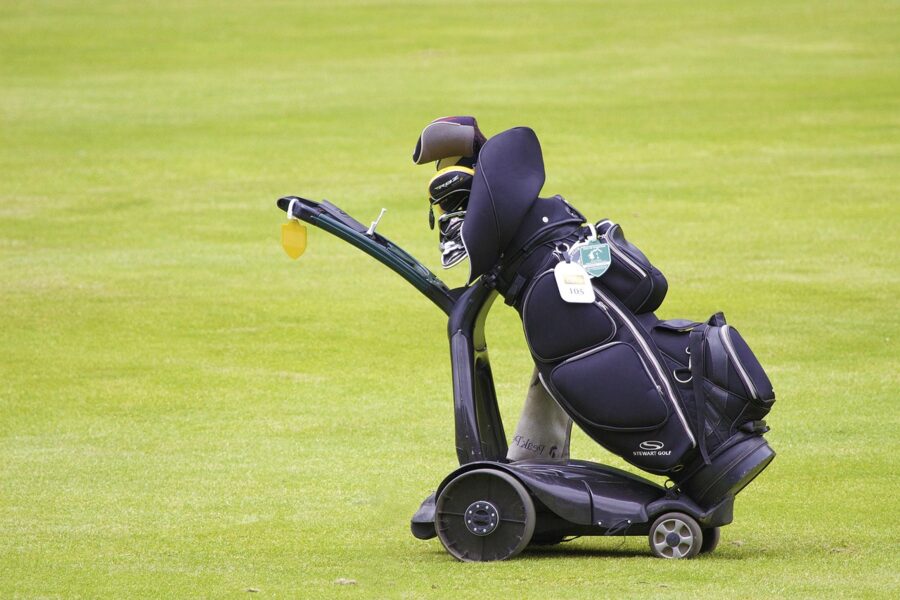
A golf bag, skis, a surfboard, fishing gear or a bicycle counts as one piece of your normal allowance, up to 203cm long, under the usual weight limits. So a 27kg ski bag on an Economy ticket is one piece plus an overweight charge, not a separate fee.
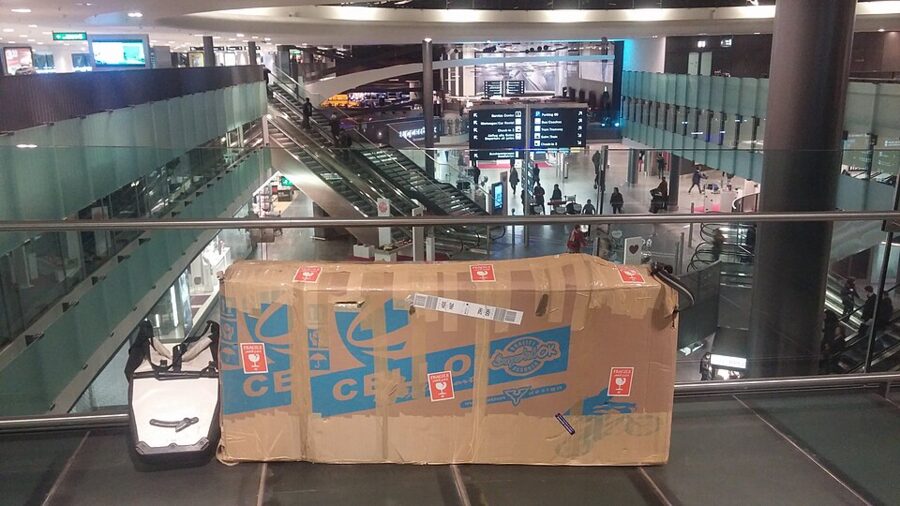
Bicycles need a call to Customer Care at least 72 hours before departure, because hold space for them is limited and goes first come, first served. Pack it in a hard case or bike box with the pedals off or turned in, the handlebars turned or fixed, and the tyres deflated. Sporting guns need a Hong Kong import licence before you land, and the rules are on Cathay’s sports equipment page. A cello or anything else too big for the locker that must stay with you means buying it a seat.

Will my bag go through to the next airline?
Cathay will tag a bag to your final destination in three cases: the whole trip is on one ticket, every connecting flight is operated by Cathay, or you hold separate tickets onto a partner airline and the journey starts on Cathay. It may refuse where customs rules get in the way, and if your first flight is on another airline, whether the bag is tagged through is that airline’s decision.
One ticket, two airlines
On one ticket the bag goes through and the allowance comes from the “most significant carrier”, the airline flying the first sector that crosses an IATA area boundary. Cathay’s own example: Paris to Beijing via Hong Kong, Premium Economy to Hong Kong and Economy on to Beijing, uses the Premium Economy allowance all the way. Make it a stopover in Hong Kong and you have two checked portions, so the Beijing flight reverts to Economy rules. Journeys that start or end in the US or Canada follow a separate set of carrier rules.
Flying on to Australia or the US with a domestic connection there, expect to collect the bag and clear customs at the first airport even on one ticket.
HK Express flights on a Cathay ticket
Cathay sells seats on HK Express flights under its own CX numbers. Book one on the same ticket as a Cathay flight and the bag goes through, and the HK Express sector carries your Cathay allowance: one or two 23kg pieces in Economy depending on the fare, two of 32kg in Business. You also get a hot meal or snack on board, and lounge access in Hong Kong if your Cathay cabin or status earns it.
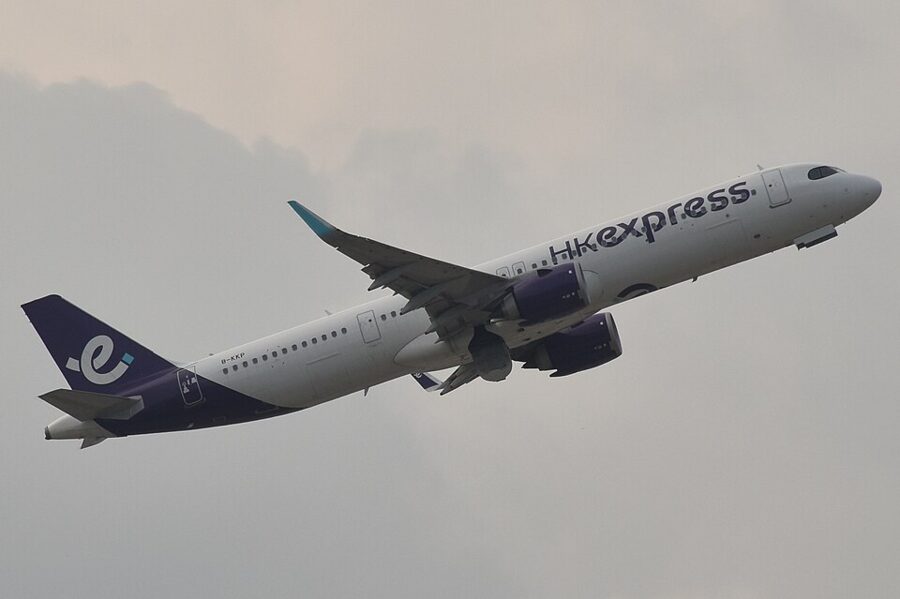
Both conditions matter. The same HK Express flight bought from HK Express directly, or carrying only a UO number, is a separate low-cost ticket with its own paid baggage, and nothing from your Cathay booking carries across. Connecting HK Express to HK Express on its own tickets, the airline’s U-Connect service tags bags through and covers a missed connection; for destinations not served direct from Hong Kong it is added at a fee.

Transferring with the bag checked through
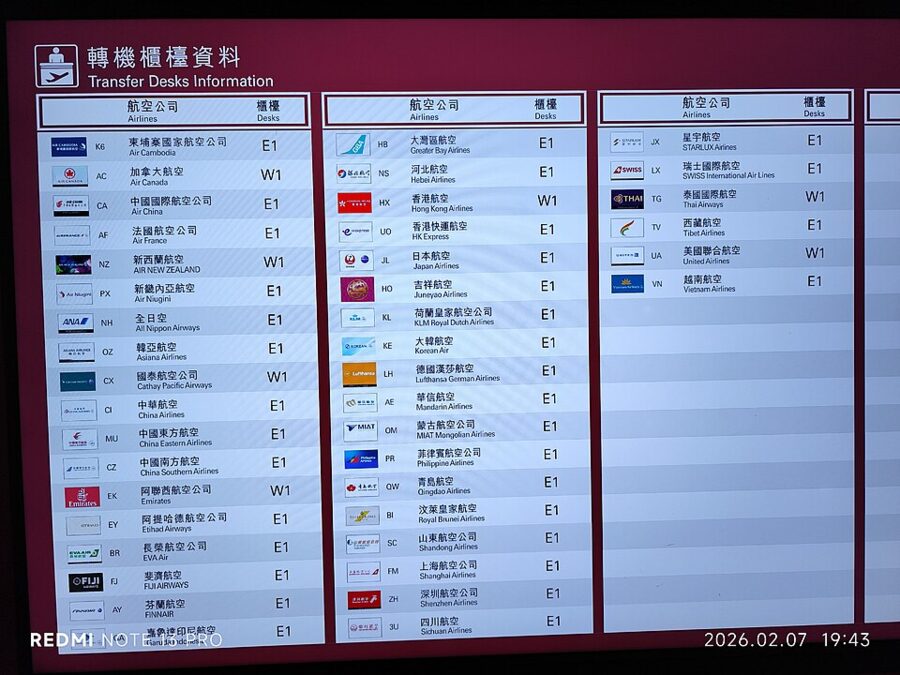
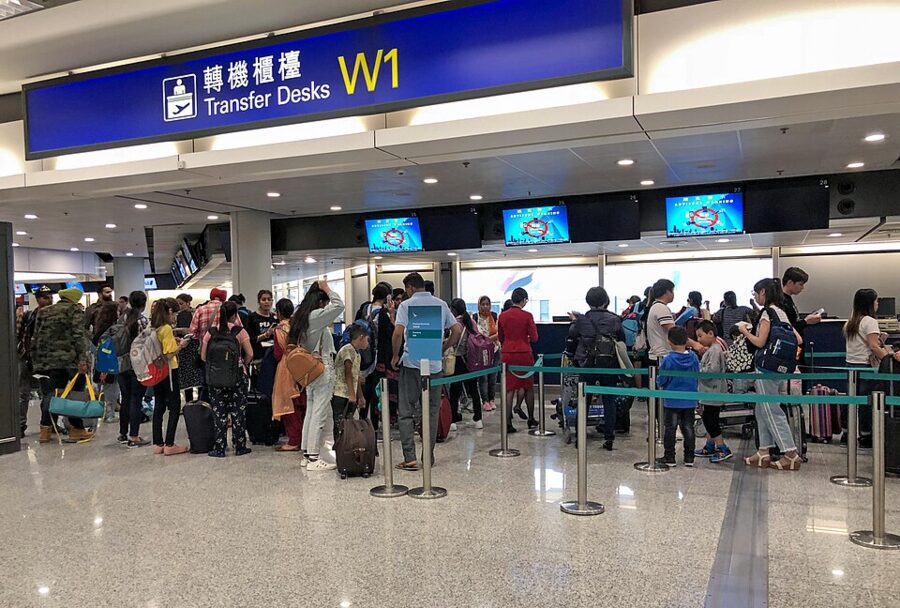
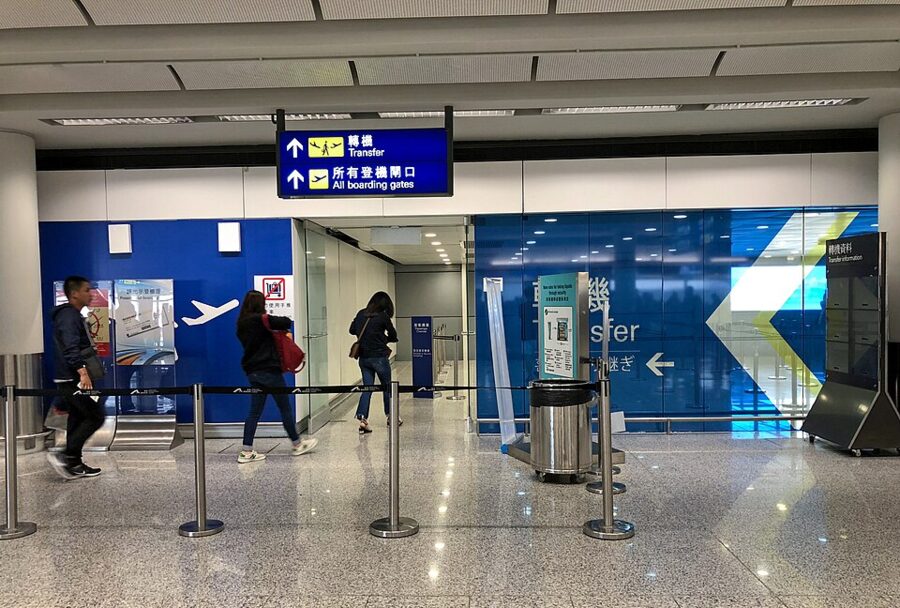
Arriving on Cathay with your onward boarding pass, follow the transfer signs up to Level 6 and go through transfer security; you never see the baggage hall. Without the onward boarding pass, go to Cathay’s transfer desk in area W1 first. HK Express transfer passengers use desk E1.

Separate tickets through Hong Kong: collect and re-check
This is the connection that goes wrong. If the bag was not tagged through, you are entering Hong Kong, which only works if your passport lets you. HKSAR passport holders and permanent residents have no question to answer; a visitor on a foreign passport needs to be visa-free for Hong Kong or hold a visa, so check the Immigration Department’s list for that passport before you book.
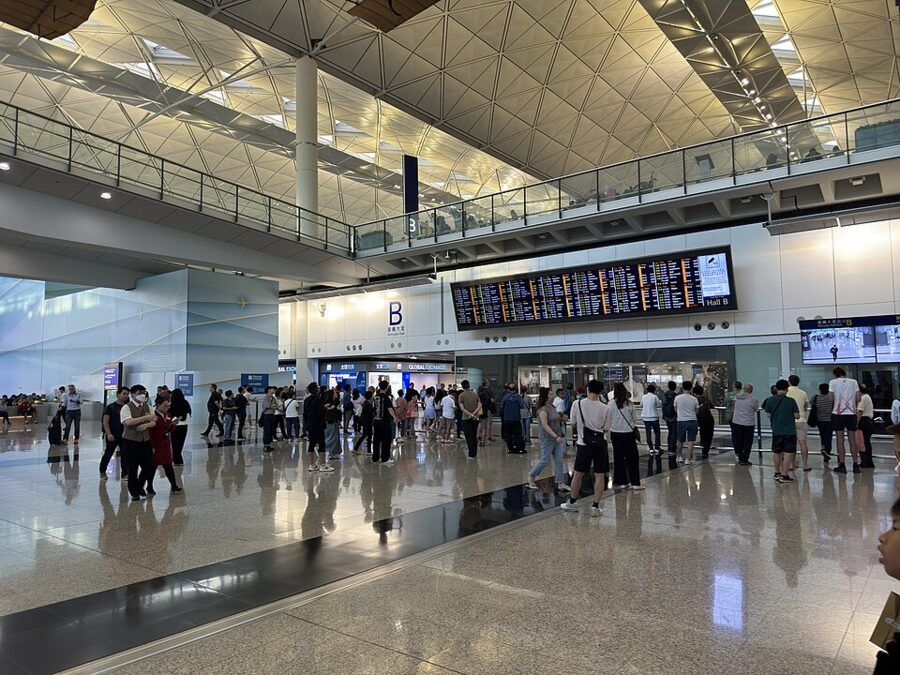

- Clear immigration in Terminal 1 and collect the bag from the belt.
- Go through customs into the arrivals hall, then up to the departures check-in hall on Level 7.
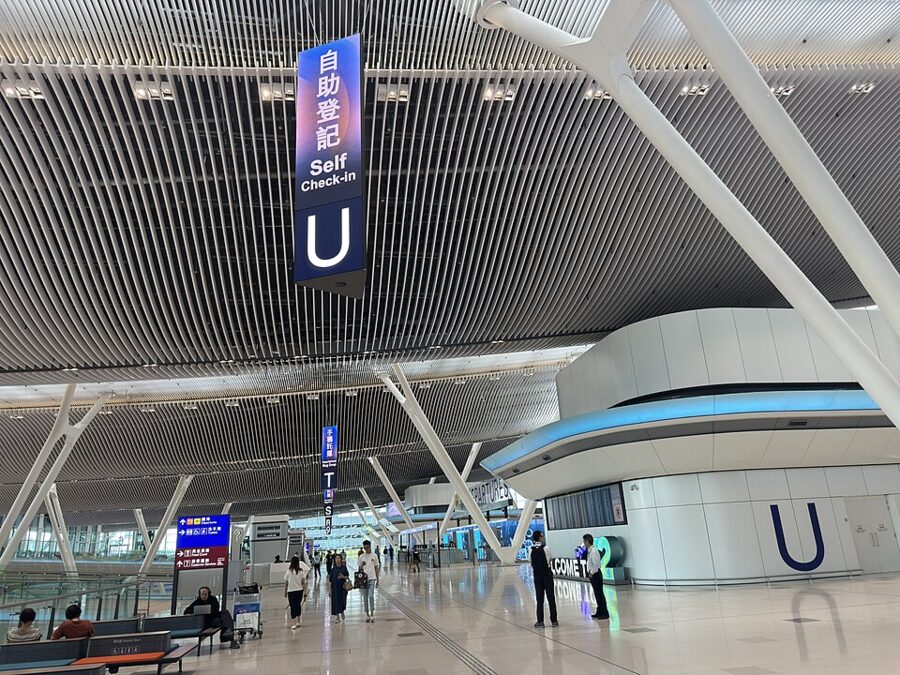
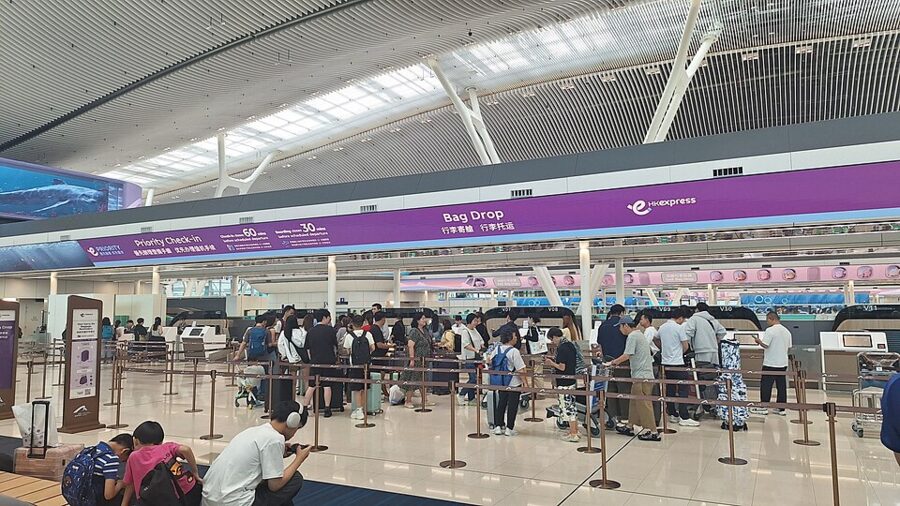
- For Cathay, check in at Terminal 1, Aisles A, B or C. For HK Express, Hong Kong Airlines or Greater Bay Airlines, cross to Terminal 2; HK Express is at Aisle U.
- From Terminal 2, clear security and immigration there and take the people mover to the Terminal 1 gates.
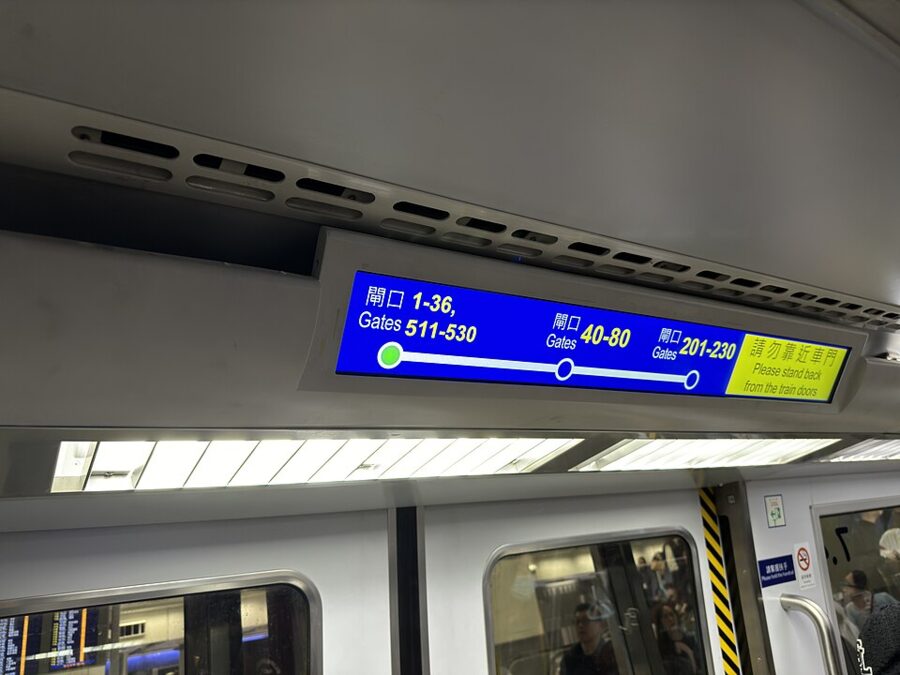

Both Cathay’s counters in Terminal 1 and HK Express’s at Aisle U open three hours before departure and close one hour before. Fifteen airlines moved their check-in to Terminal 2 between 27 May and 10 June 2026, so a connection that worked last year may now involve a walk across the building.
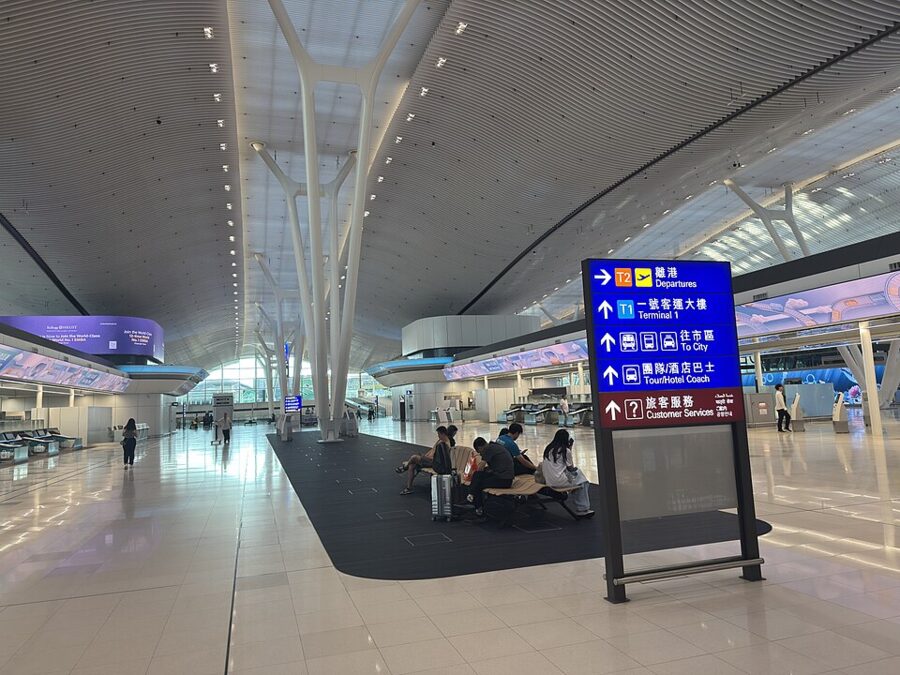

I would not book less than three hours between a scheduled Cathay arrival and a separate-ticket departure. Immigration queues, a slow belt and the walk eat most of it, and the counter closes 60 minutes before departure no matter why you are late. On separate tickets the second airline owes you nothing if the first one runs late.

On HK Express’s own tickets, checked bags are an add-on bought with the booking, later in Manage My Booking, or at the airport. Your Cathay allowance does not follow you onto it, so price the HK Express bag before deciding a separate ticket is the cheaper option.

In-town check-in and bag drop
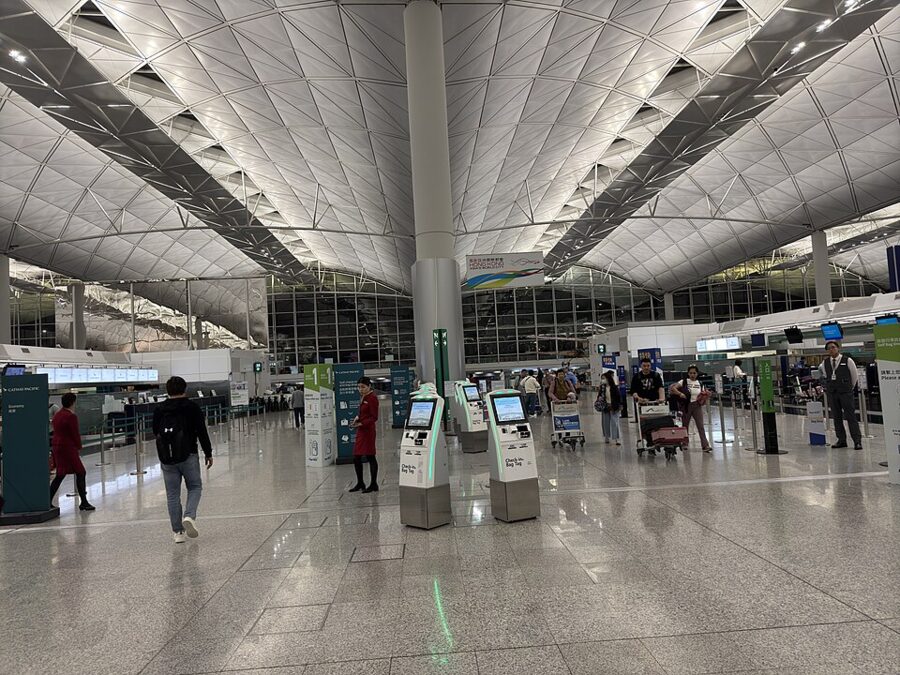
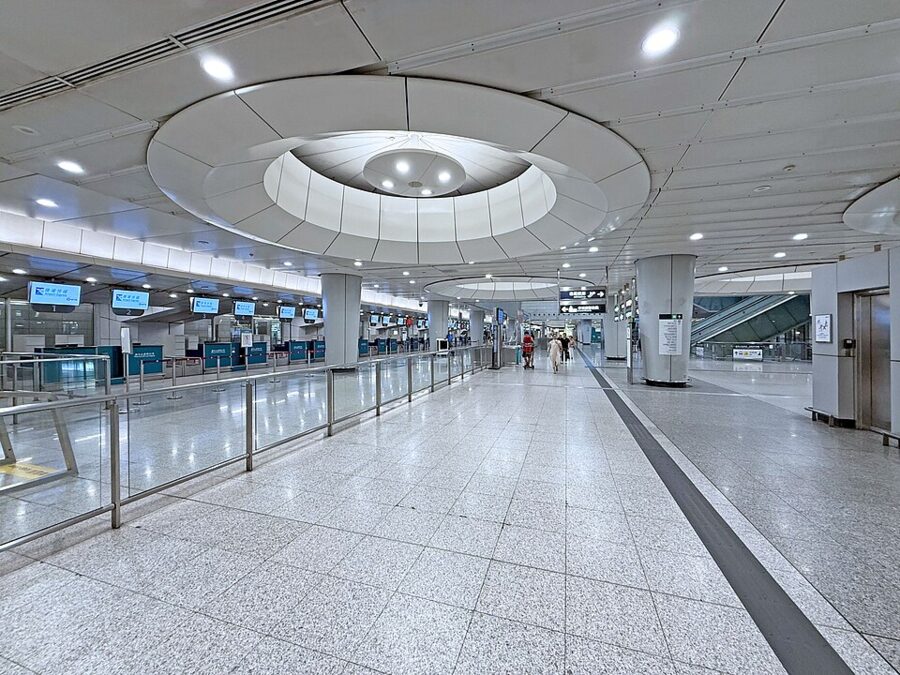
Leaving from Hong Kong, drop the bag in town and ride the Airport Express without it. Cathay’s kiosks and bag drop at Hong Kong Station run 06:00–23:00 and at Kowloon Station 06:00–15:00, from 24 hours to 90 minutes before departure, for passengers with an e-passport or other electronic travel document. Bags must fit 145 × 100 × 85cm, and the service cannot handle infants, upgrades, extra legroom seats or flights operated by another airline, which rules out HK Express flights sold under a CX number. The MTR in-town check-in page lists the other airlines and their hours.

Lost, delayed or damaged bags
If the bag does not come off the belt in Hong Kong, report it before you leave the baggage hall: Cathay’s baggage service counter is between carousels 10 and 12, before customs. Keep the reference number, which is how you track the case online and how any claim is matched to it.
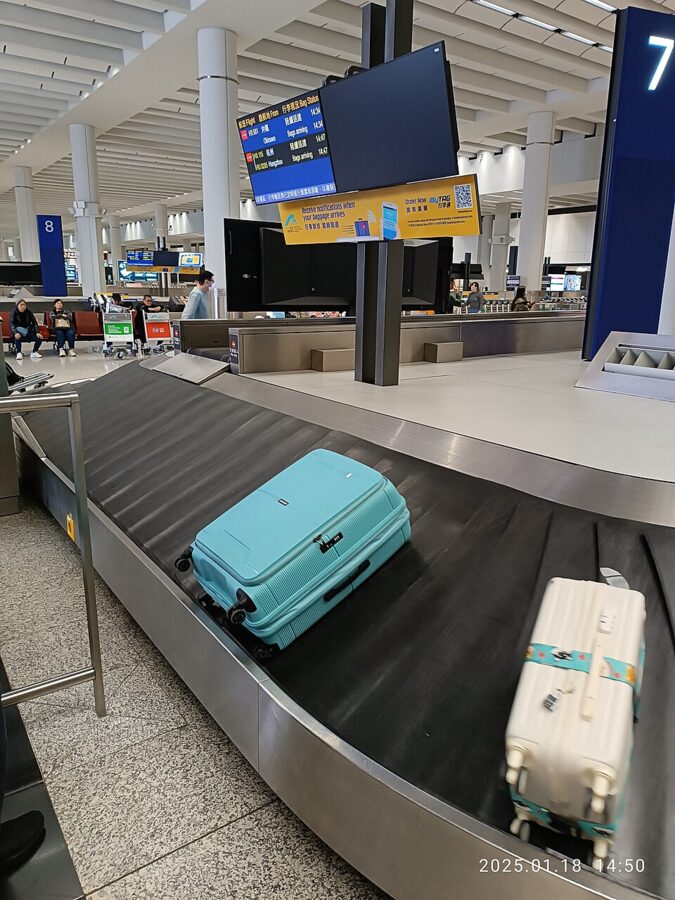
The deadlines in Cathay’s conditions of carriage are short: report damage in writing within seven days of getting the bag, and a delay within 21 days. Scratches, dents, broken wheels, zips and locks count as normal wear and are not covered. Where the Montreal Convention applies, the most Cathay pays for lost, damaged or delayed baggage is 1,519 Special Drawing Rights a passenger unless you declared a higher value, so claim on travel insurance too. Details and the claim form are on the delayed and damaged baggage page.
Tonight, open Manage Booking and read the baggage line on your ticket. If it says 1PC and you are packing two bags, buy the second one now, while the prepaid price still applies.