

The SIM kiosks at Vietnam’s airports sit between the baggage belts and the exit, and since 15 April 2026 the clerk will want two things before your phone works: your passport and a live selfie. Allow ten minutes there, five at an ATM, and the ride into town is the easy part. Here is the first hour, in the order you do it, as of November 2026.
- Data first. Buy a tourist SIM or eSIM at the network kiosk after customs, or land with an eSIM you installed in Hong Kong. Viettel’s own tourist list starts at VND 60,000 (about HK$19) for seven days with 5GB a day, plus the price of the SIM.
- Then dong. Take VND 2–3 million from a bank ATM in the arrivals hall and refuse the machine’s offer to charge you in Hong Kong dollars. Bring some HK$ or US$ cash as a backup; Vietcombank buys HK$ notes at about VND 3,200 each.
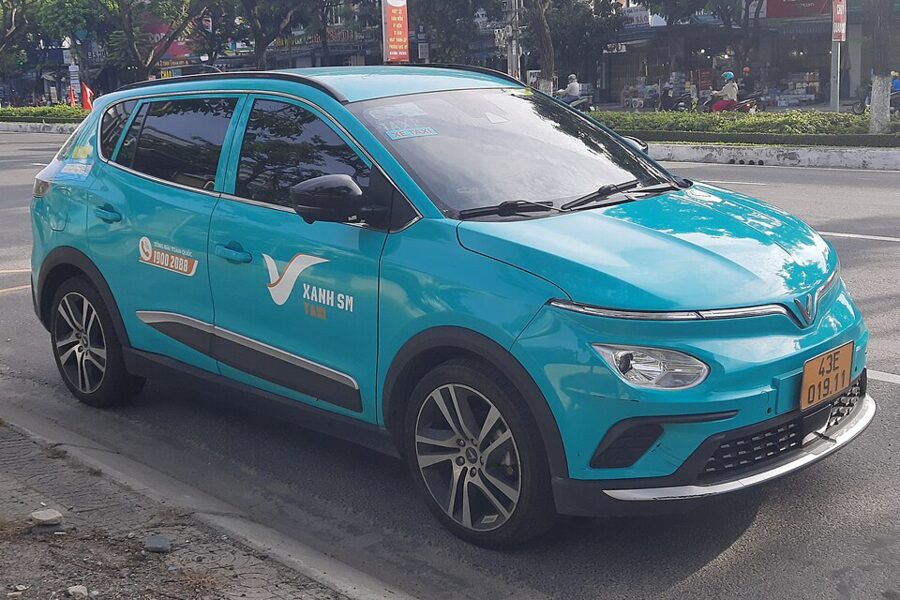
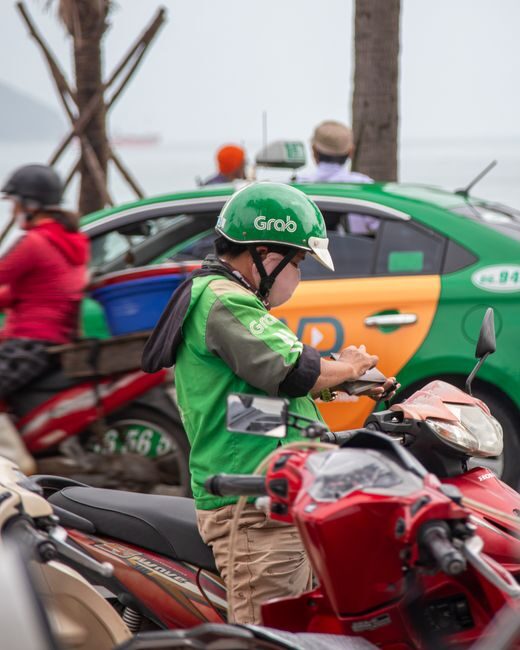
- Then the ride. In Ho Chi Minh City, book a Grab, Be or Xanh SM car (about VND 150,000–250,000 to Ben Thanh Market). In Hanoi, the cheap way is Bus Express 86 to Hanoi Railway Station for VND 50,000. In Da Nang the beach is a short metered taxi away.
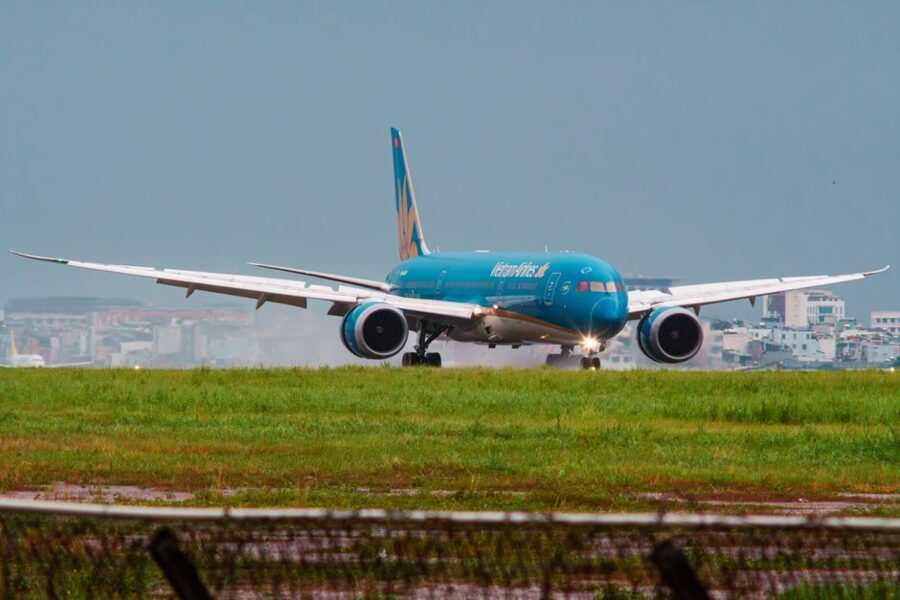

One step comes before all three. On an HKSAR passport you need a Vietnamese e-visa, US$25 for a single entry, and the officer at the desk will look for it; the passports that get in without one, and how the arrival queue works, are in the guide to Vietnam’s e-visa and arrival process.
In this article
Money: dong, ATMs and the exchange desk
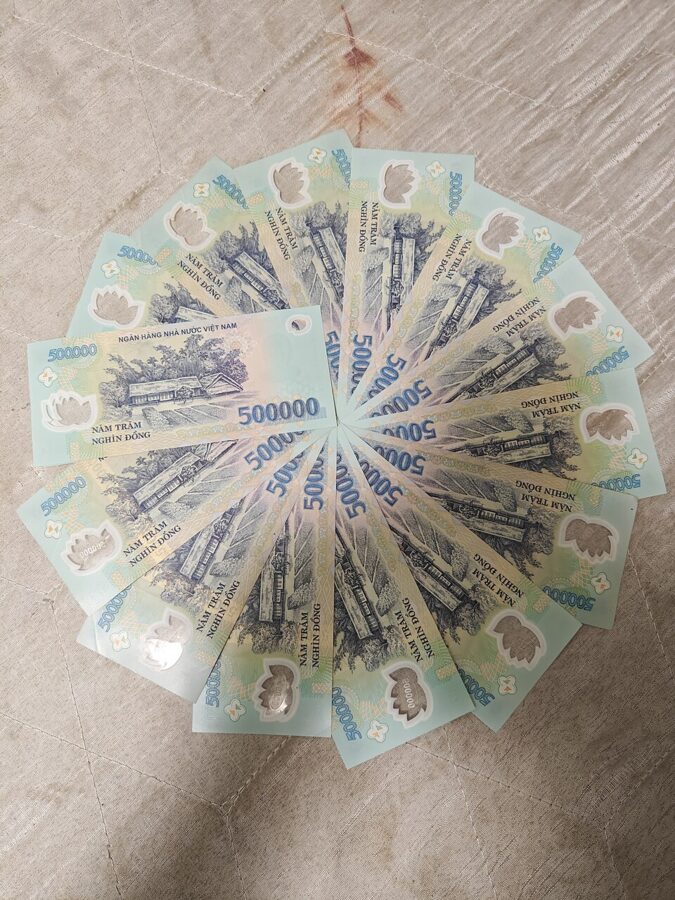
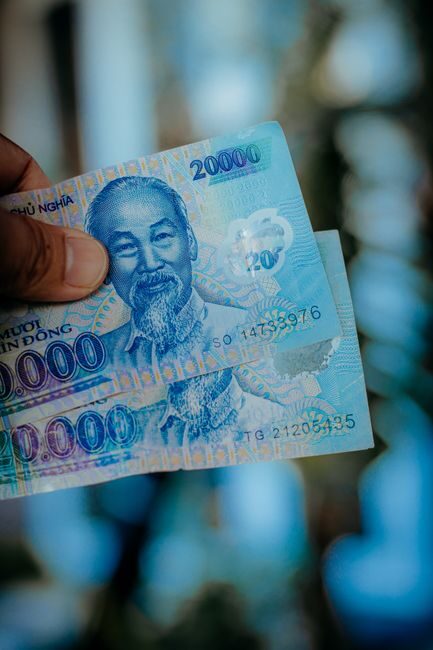
Everything in Vietnam is priced in Vietnamese dong, written VND or with a small “đ” after the number, and shops, taxis and hotels charge in it. Everyday notes run from VND 1,000 to VND 500,000, and the higher values are plastic. The zeros are the hazard: VND 20,000 and VND 500,000 are both blue and easy to confuse in a dark taxi.
ATMs at the airport
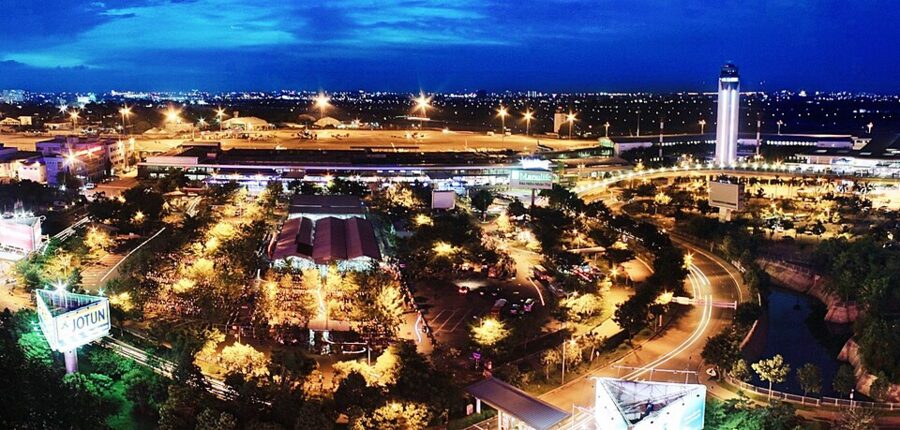
An ATM is the simplest way to get dong, and the airports tell you where theirs are. At Tan Son Nhat, the airport services company SASCO lists four ATMs at column 14 and one at column 3 on the ground floor of the international arrivals hall. Da Nang’s own guide puts ATMs in the public arrivals area of Terminal 1, a five-minute covered walk from the international terminal.
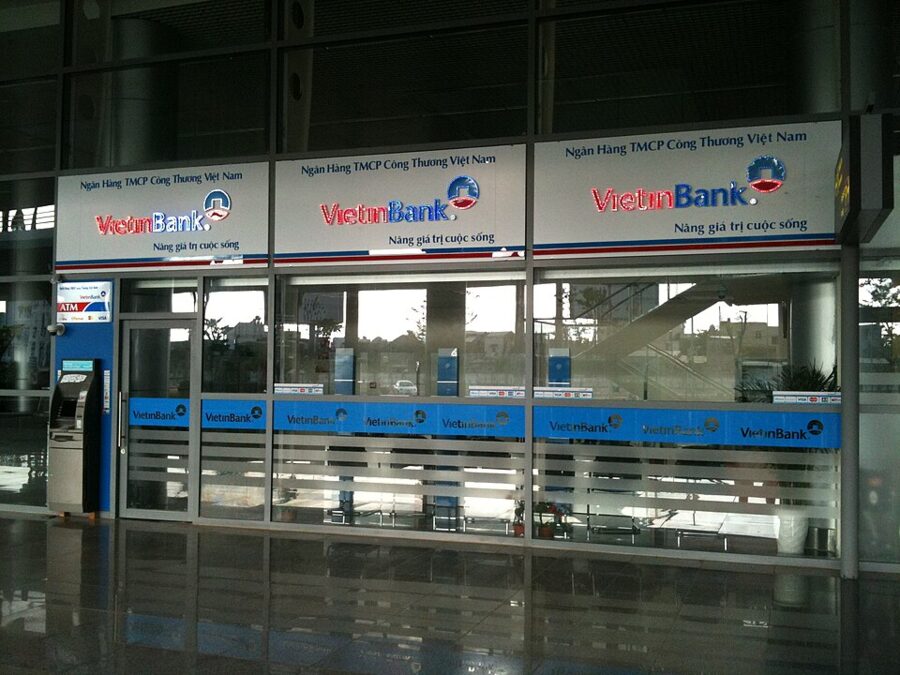

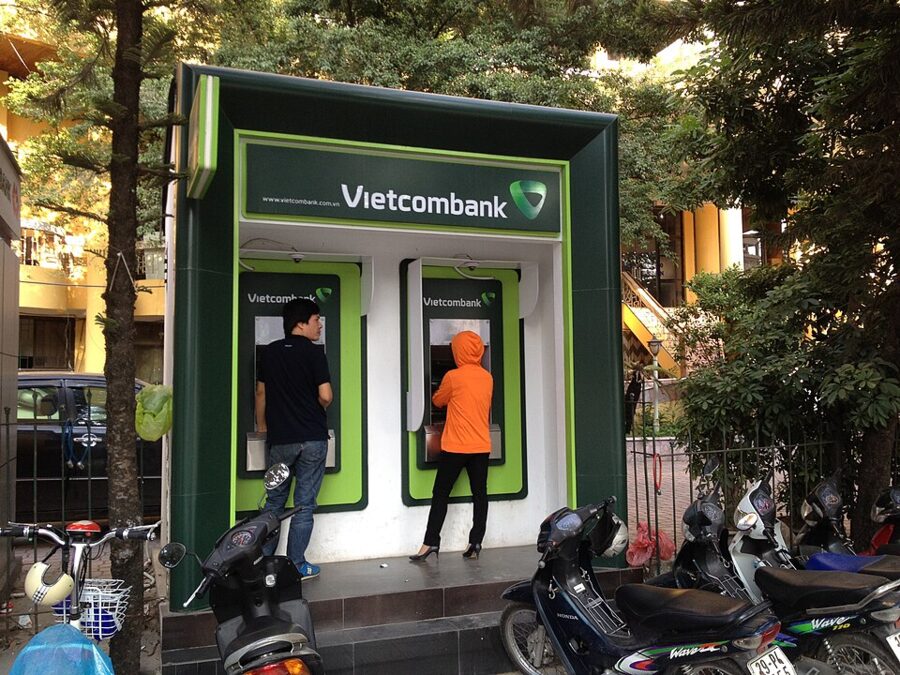
The fee is set by the bank that owns the machine, and the screen shows it before you confirm. Your Hong Kong bank adds its own overseas-withdrawal charge on top, so one large withdrawal costs less than three small ones. When the screen offers to bill you in Hong Kong dollars, choose dong: the “conversion” uses the ATM bank’s own rate, which is never better than your card’s.

Changing Hong Kong dollars
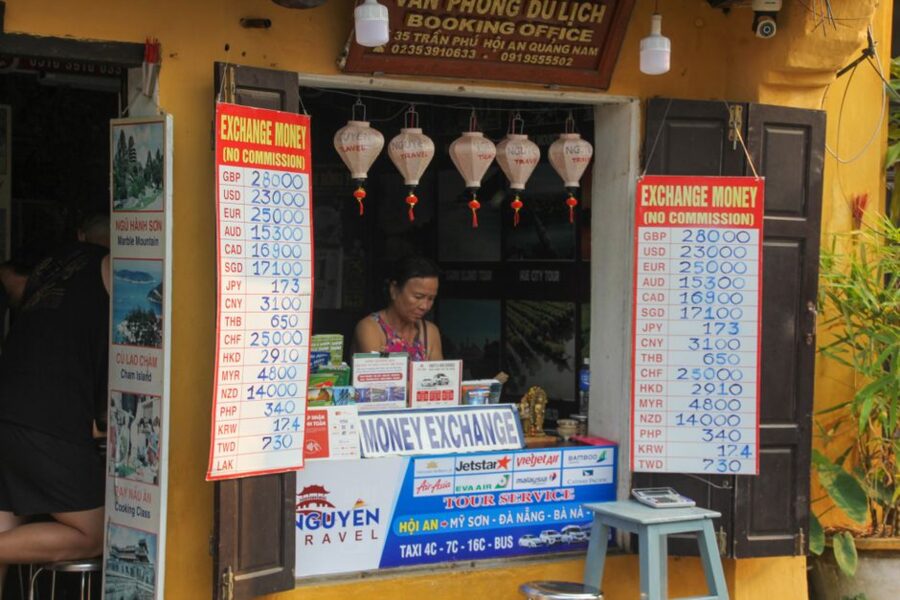
Hong Kong dollars are easy to change. Da Nang’s international terminal has exchange counters in the public arrivals area that list HKD among the currencies they buy, and Vietnamese banks quote it daily. On 22 November 2026 Vietcombank bought HK$ notes at VND 3,195.97 and US$ notes at VND 25,570.
The gap matters if you carry a lot of cash. Vietcombank’s cash rate for HK$ was about 1% below its transfer rate that day, while for US dollars the gap was barely 0.1%, so US$100 notes change more cleanly than Hong Kong ones. Change enough at the airport for the first day, then compare the board in town against the bank’s published rate on your phone.
Cards and QR codes
Visa and Mastercard work at hotels, airlines, supermarkets and chain cafés, and you can add a card to Grab. Small restaurants, street stalls and many taxis are cash only: Da Nang airport tells arriving passengers that only a few taxi firms, such as Tien Sa and VinaSun, take cards.
Vietnam’s own QR system is everywhere, but it will not help you yet. NAPAS, the national payment switch, has linked its VietQR Global codes with Thailand, Laos, Cambodia, mainland China, Singapore and South Korea, and mainland Alipay users have been able to scan them since April 2026. Hong Kong is not on that list as of November 2026, so don’t count on paying a stall by scanning its code with PayMe or your bank’s FPS app. Carry cash.
SIM card or eSIM: what to buy, and the new registration
Vietnam has three main networks, Viettel, VinaPhone and MobiFone, and all three sell tourist packs. Viettel has the widest coverage outside the cities, which matters if you are heading to the mountains or the Mekong Delta; in Hanoi, Ho Chi Minh City and Da Nang any of the three is fine.
Where the kiosks are
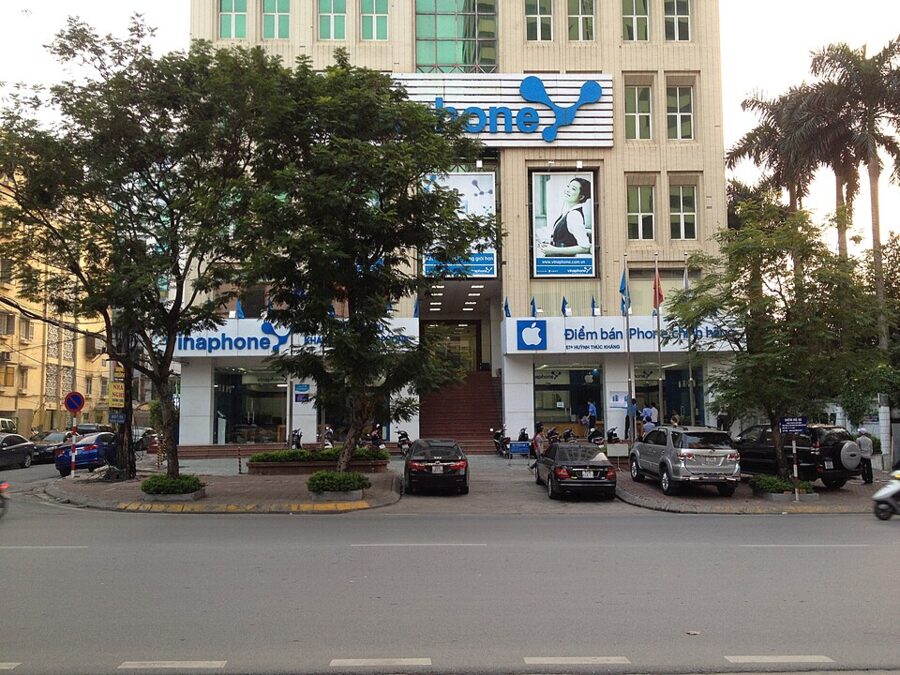
You cannot miss them. At Tan Son Nhat they are in the international arrivals hall after baggage claim; at Noi Bai, in the arrivals hall of Terminal 2 after immigration; at Da Nang, the airport says SIM counters work in the baggage claim area itself, so you can be online before you reach customs. City stores of the three networks sell the same packs with less of a queue.

What it costs
Viettel publishes its tourist packages in English, and the list was last revised in November 2025; it was still on Viettel’s site in November 2026. These are package prices, and the SIM card itself is extra.
| Viettel package | Validity | Data and calls | Price |
|---|---|---|---|
| 5G60T | 7 days | 5GB a day | VND 60,000 |
| 5G80T | 15 days | 5GB a day | VND 80,000 |
| 5G150T | 30 days | 5GB a day | VND 150,000 |
| 5G180H | 30 days | 5GB a day, 30 minutes on-net and 15 minutes to other networks | VND 180,000 |
Expect the airport kiosk to quote more than this, often as a bundle with the SIM. The bundle is still cheap next to roaming, but ask for the package code and the total in dong before you pay. VinaPhone and MobiFone do not publish current tourist prices in one place, so read their boards at the kiosk.
Registration: passport and a live selfie
Every Vietnamese SIM is registered to a person. Under Circular 08/2026/TT-BKHCN from the Ministry of Science and Technology, in force since 15 April 2026, that registration includes facial verification. For a visitor that means your original passport (a photo or copy is refused), a photo of the data page taken on the spot, a live selfie, and an electronic signature on the contract.
At a Viettel kiosk you do this yourself on your phone by scanning the QR code on the SIM pack, with the clerk helping if the face match fails. Have the airport Wi-Fi on before you start. Viettel asks for an email address if you are buying an eSIM, because the QR code for the profile is sent there.
One rule catches people. From 15 June 2026, a SIM moved into a different phone has its outgoing calls and texts suspended within two hours until the owner repeats the face check. Register the SIM in the phone you will use for the whole trip, and do not swap it into a spare.
Or land with an eSIM
A data-only travel eSIM bought online in Hong Kong is the quickest option: install it at home, switch it on as you land, and book your car from the baggage belt. It gives you no Vietnamese number, which matters only if a hotel or a driver wants to call you. If you already carry a Hong Kong SIM with an Asia data pass, check that Vietnam is on its list before you rely on it.
From the airport into town
All three cities have the same three choices: an app car at a fixed price, a metered taxi from the rank, or a bus. The app is usually the safest bet for a first-timer, because the price is set before the door shuts.
| Airport | Cheapest sensible ride | App car or taxi |
|---|---|---|
| Tan Son Nhat (Ho Chi Minh City) | Bus 109 from T3, after the free shuttle from T2 | About VND 150,000–250,000 to Ben Thanh, 25–45 minutes |
| Noi Bai (Hanoi) | Bus Express 86, VND 50,000, 05:15–22:10 | Fixed app fare for a ride of about 30km |
| Da Nang | Danabus 12, VND 8,000, 05:30–19:00 | Metered taxi, from about VND 17,000 a kilometre |
Tan Son Nhat, Ho Chi Minh City
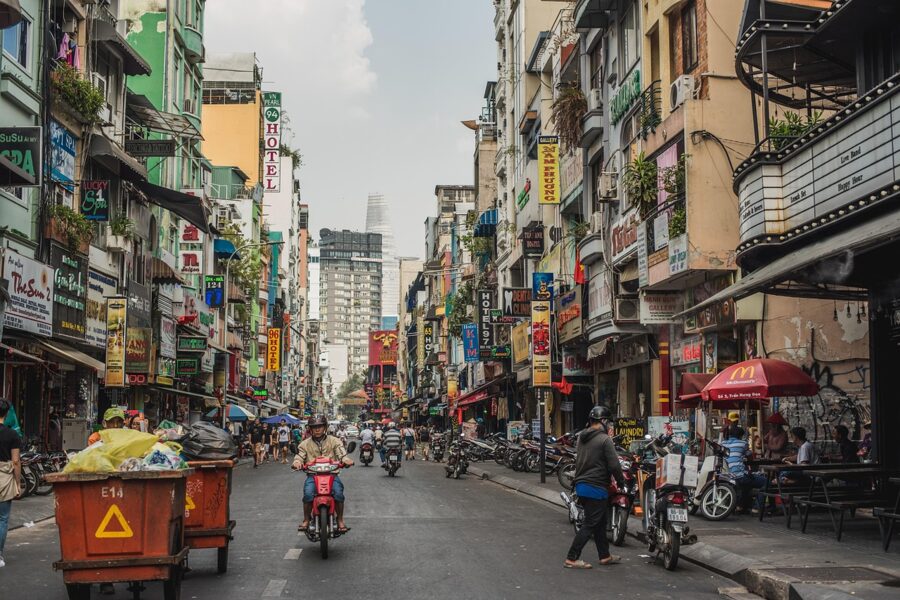
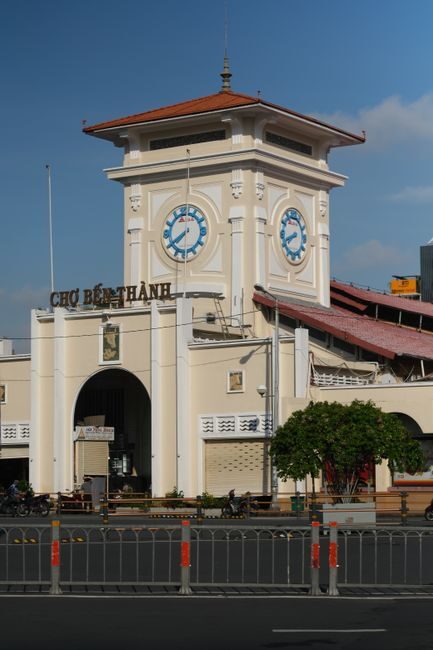
Hong Kong flights arrive at the international terminal, T2, and the city centre is about 7km away as the crow flies. Grab, Be and Xanh SM all pick up here; follow the signs to the pick-up zone your app names, because app cars do not stop at the arrivals kerb. Expect about VND 150,000–250,000 to Ben Thanh Market in normal traffic and 25–45 minutes, an hour in the evening rush or a downpour.

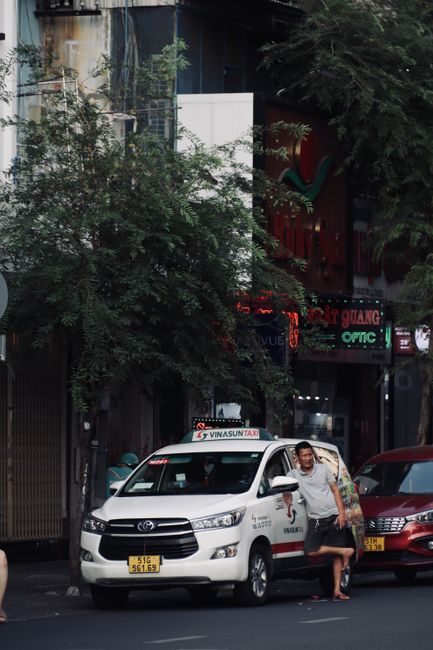
The metered firms are Vinasun, in white cars with red and green stripes, and Mai Linh, in green. Use the rank outside arrivals, check the meter is running, and pay in dong. If you need to leave a case for a day trip, the airport’s left-luggage counter at Tan Son Nhat is at columns 13 and 14, next to the ATMs.
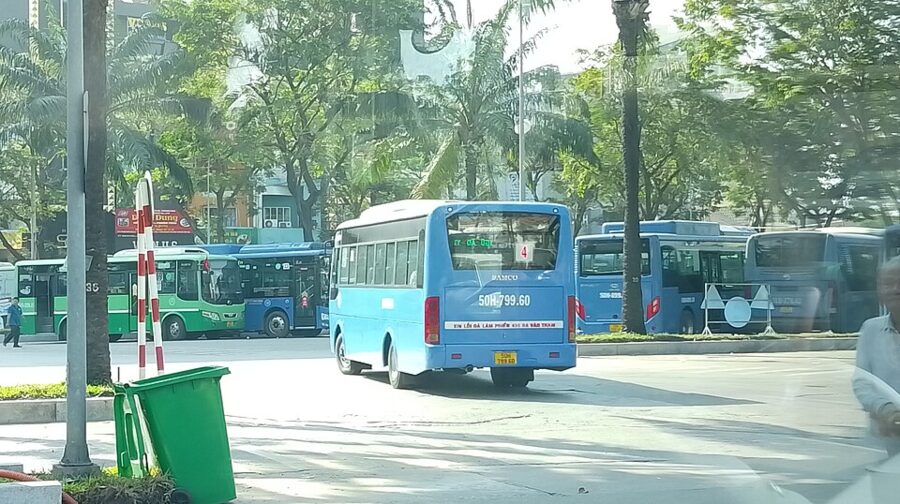
Bus 109, the electric airport bus to the Saigon bus terminal beside September 23 Park, has run from the domestic terminal, T3, since 28 April 2025, so from the international hall you first take the free inter-terminal shuttle. It runs from 06:00 to 02:00, every 10–15 minutes. Ho Chi Minh City has waived fares on 134 bus routes for the second half of 2026; whether the 109 is one of them is not clear, so carry small notes.
One date to watch. Long Thanh, Ho Chi Minh City’s second airport about 40km east of the centre, is due to open on 24 December 2026, but Tan Son Nhat keeps its North-East Asian routes until the end of October 2027. Check the airport code on your ticket: everything above applies to SGN only.
Noi Bai, Hanoi
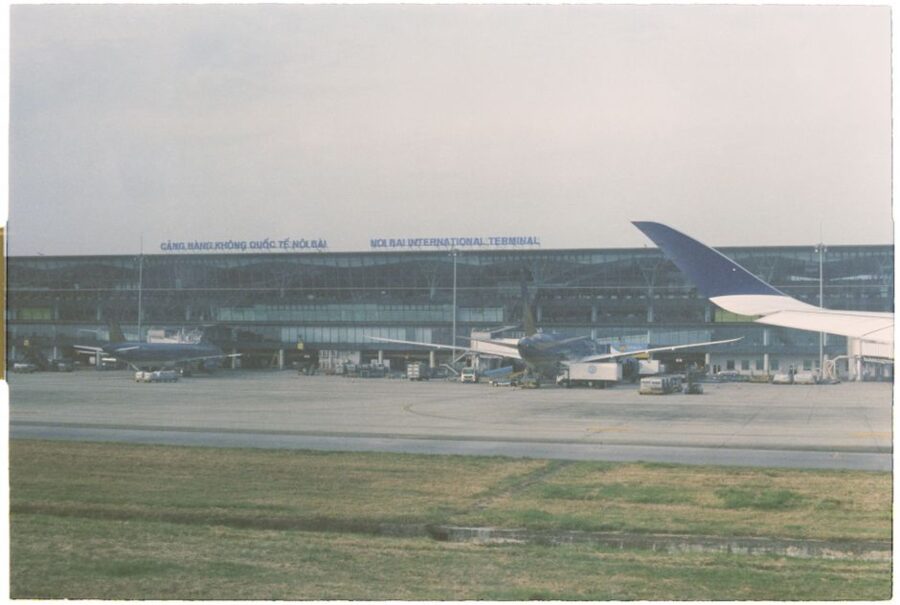
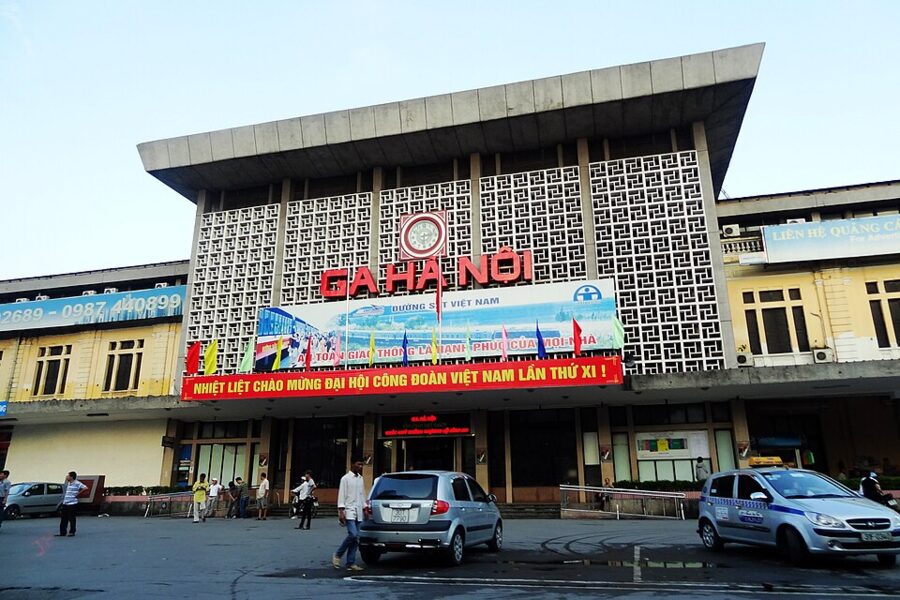
Noi Bai is about 30km north of the Old Quarter, so the fare matters more here than in Ho Chi Minh City. The best-value way in is Bus Express 86, run by Hanoi Transport Corporation’s BRT branch: VND 50,000 (about HK$15), every 45 minutes from 05:15 to 22:10, from the airport to Hanoi Railway Station. Its sister route, the 68, goes to Ha Dong for VND 55,000; the operator sells tickets for both online at busnoibai.com.
A car is the better choice with two people and big cases, or after the last bus. Book in Grab, Be or Xanh SM from the arrivals hall; the app fixes the fare before you leave. Metered taxis wait at the rank too, but agree nothing with anyone who approaches you inside the hall.

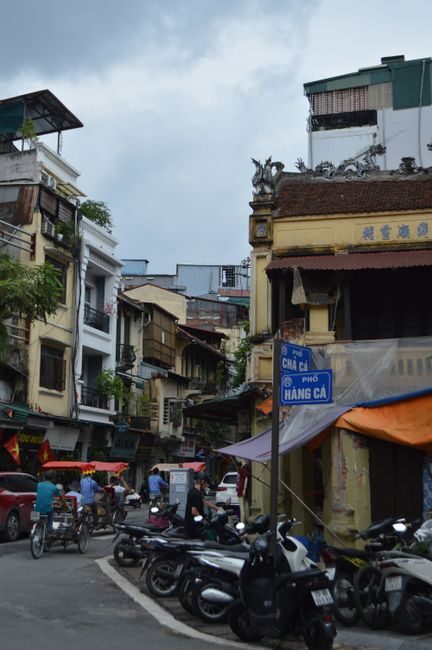
Da Nang
Da Nang’s airport is almost in town: the Han River is a 40-minute walk away, and the beach hotels a short taxi ride. International flights use Terminal 2. Taxis wait at the second lane outside arrivals, reached from pillar 3, and staff there will call one for you.
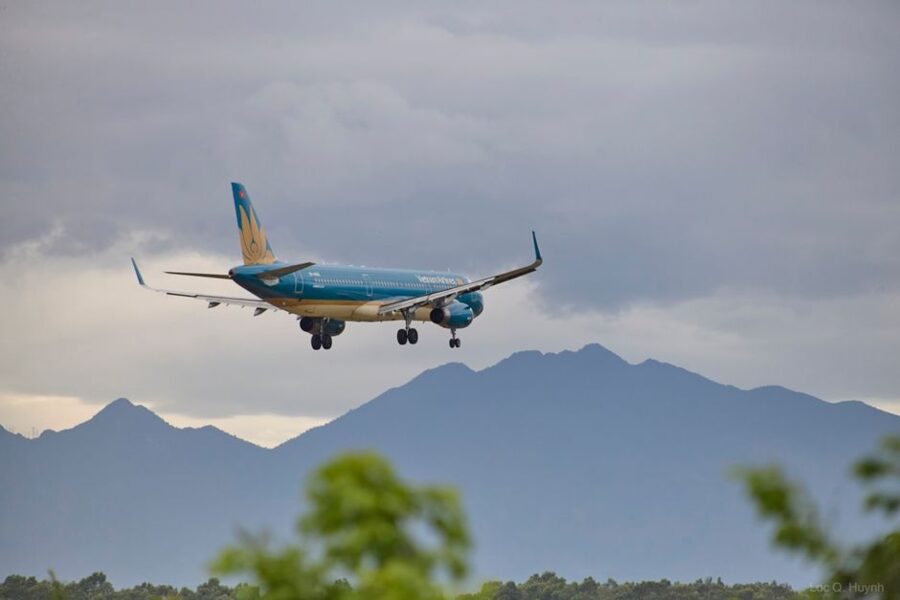
The airport’s reference chart, still on its website in November 2026, sets out the meter: a five-seat taxi charges about VND 17,000 a kilometre for the first 5km and about VND 11,000 a kilometre after that, and an airport access fee of VND 10,000–30,000 may be added. The same chart lists fixed reference fares in US dollars to resorts and sights, for example US$6.30 (about VND 160,000) to the Furama on the beach and US$16.70 to Hoi An. Pay in cash unless you have picked a firm that takes cards.
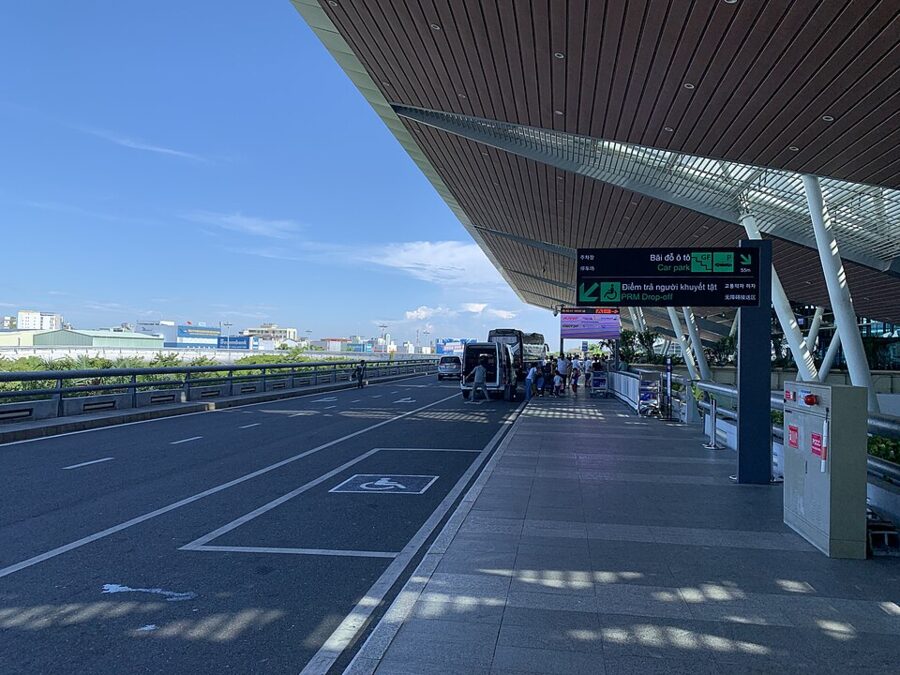

App cars pick up in front of the glass building in the car park, also signed from pillar 3; tell the driver you are at T2, not the domestic T1. Two Danabus city routes stop at pillars 7 and 8 from 05:30 to 19:00. Route 12 costs VND 8,000 and runs through the centre west of the river, and route 06 crosses the Dragon Bridge to the beach road for VND 15,000, or VND 22,000 for the full run.

For Hoi An, Hai Van Bus runs from the airport to the Cua Dai car park for VND 120,000 between 07:30 and 16:00. Outside those hours it is a taxi for the 30km or so, or a car booked through your Hoi An hotel.

My pick
I’d install a travel eSIM in Hong Kong the night before, so the phone works at the baggage belt, and buy a Viettel tourist pack at the kiosk only if you are staying more than a week or want a local number. Take VND 3 million from a bank ATM in the hall, choosing dong when the machine asks. Then book the car in the app before you reach the doors, or in Hanoi, walk out to the 86 with a VND 50,000 note ready.
Ten minutes at the kiosk, five at the ATM, and the passport goes back in your pocket. Keep it there: the hotel will want it next.