

A large locker in a Seoul subway station costs KRW 4,400 for the first four hours on a weekday, takes a checked suitcase, and will not open again after midnight. That is the whole system in one line: cheap, everywhere, and strict about the clock.

The short version, as of November 2026:
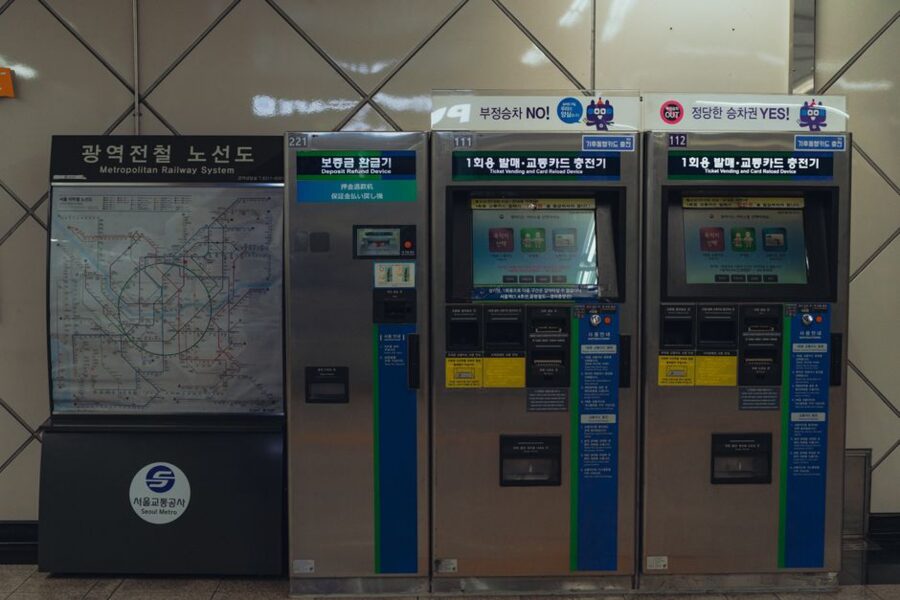
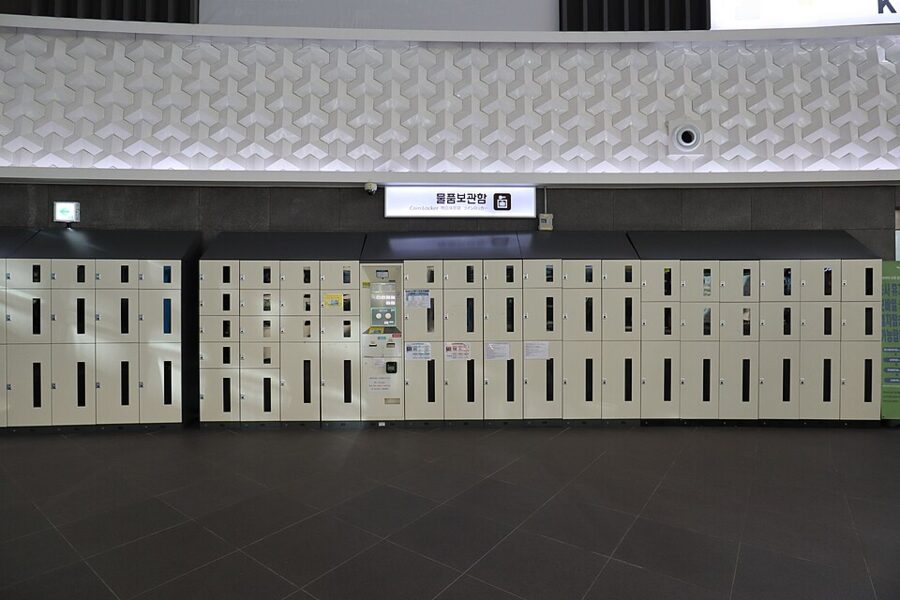
- Seoul subway lockers: Seoul Metro (서울교통공사) runs 5,557 lockers, called T-Locker (또타라커), at 273 stations. Four hours costs KRW 2,200, 3,300 or 4,400 on a weekday by size, more at weekends. They open 05:00–24:00. Since August 2026 you can scan the QR code on the door and pay on a web page, without installing the app.
- Staffed counters in Seoul: Seoul Metro’s T-Luggage (또타러기지) at six stations, including Seoul Station, Myeongdong and Hongik University, 09:00–22:00, from KRW 3,000 for four hours. Zimcarry (짐캐리) has counters at Seoul Station, Hongik University and the Express Bus Terminal.
- Busan: the Zimcarry counter inside exit 5 of Busan Station charges by the day, KRW 10,000 for a large suitcase, 09:00–22:00. It will also send the bag to your hotel in Haeundae the same afternoon, KRW 20,000 for a large case.
- My pick: a T-Locker for anything up to cabin size, T-Luggage for a big case in Seoul, Zimcarry at Busan Station.
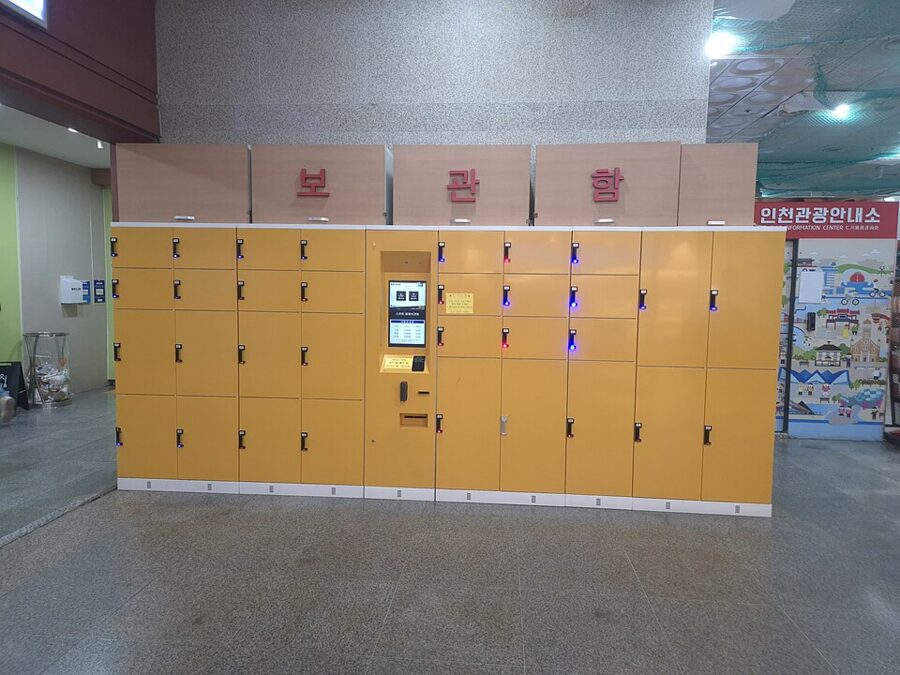

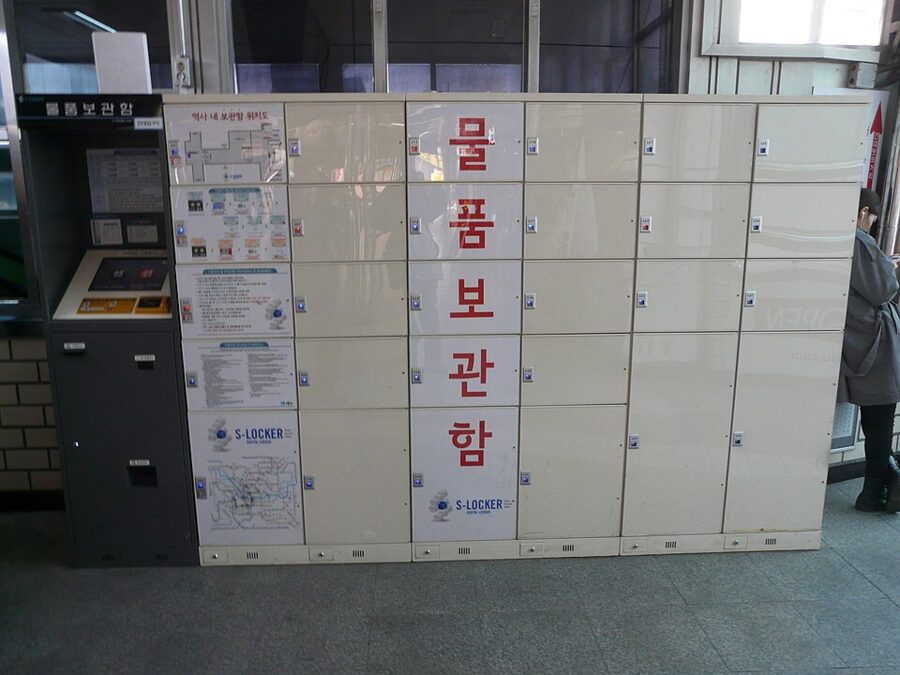
The signs say 물품보관함 (lockers) or 짐보관 (luggage storage). Incheon Airport lists no self-service lockers at all; for its staffed counters and Seoul Station’s, see left luggage at Incheon and Seoul Station.

In this article
How Seoul subway lockers work
T-Locker covers every station Seoul Metro runs: Lines 2 to 8, Line 1 between Seoul Station and Cheongnyangni, and the eastern end of Line 9 from Samjeon to VHS Medical Center. The airport line, Korail’s suburban stretches and the Sinbundang Line are outside it. Prices, from Seoul Metro’s T-Locker page, are the same at every station:
| Size | Locker (cm) | Weekday, 4 hours | Weekend, 4 hours | Each extra hour |
|---|---|---|---|---|
| Small | 50 × 30 × 60 | KRW 2,200 | KRW 3,100 | KRW 500 |
| Medium | 50 × 45 × 60 | KRW 3,300 | KRW 4,600 | KRW 800 |
| Large | 50 × 90 × 60 | KRW 4,400 | KRW 6,100 | KRW 1,000 |
A backpack goes in a small locker and a cabin bag in a medium. Only the large takes a checked suitcase, and at busy stations those are the first to go. A full weekday in a large one, ten hours, comes to KRW 10,400.
The hours are the catch. Lockers work 05:00–24:00, every day, and outside those hours you cannot put anything in or take anything out. Miss midnight and the bag stays in overnight while the meter runs. Seoul Metro’s helpline runs 06:00–24:00 and promises someone on site within two hours, and it charges you for the call-out if the problem was your mistake.

Paying: QR code, app or screen
There are two ways in. The lockers now carry a QR code: scan it, choose the web option, and pay on the page. Seoul Metro finished rolling this out to every station with lockers in August 2026, so a one-off user no longer needs an app or an account.
The other way is the T-Locker app (또타라커), which also shows a live map of free doors station by station. Use it to check that a large door is free before you drag a suitcase across town. The app’s reviews in autumn 2026 were full of people stuck at the payment step being asked to register a card, so if you use it, set it up on hotel Wi-Fi rather than in front of the locker. Older cabinets work from the screen on the unit itself.
Both the QR page and the app need data on your phone. If you are still sorting that out, Korea SIM cards and Wi-Fi rental at Incheon are the quickest fix on arrival.
Staffed storage in Seoul
A counter costs more than a locker, but it takes any size of bag and there is a person to hand it to. Seoul has two networks.
T-Luggage (또타러기지), Seoul Metro’s own
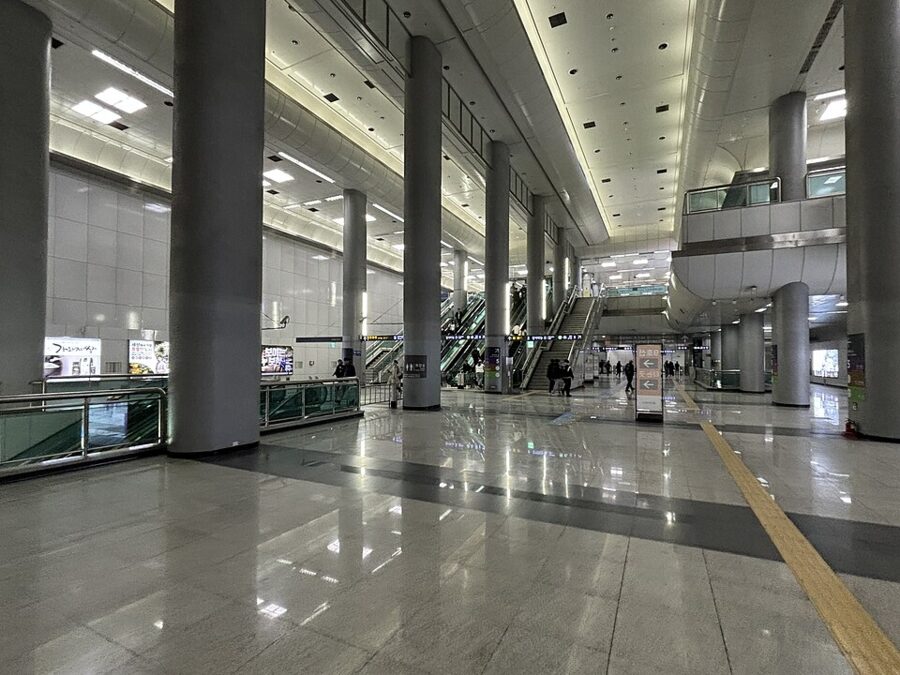
Six counters, all in the first basement, open 09:00–22:00 every day. You can turn up or book on the T-Luggage site.
| Station | Line | Where |
|---|---|---|
| Seoul Station (서울역) | 1 | B1, towards exit 1 |
| Hongik University (홍대입구역) | 2 | B1, towards exits 3 and 4 |
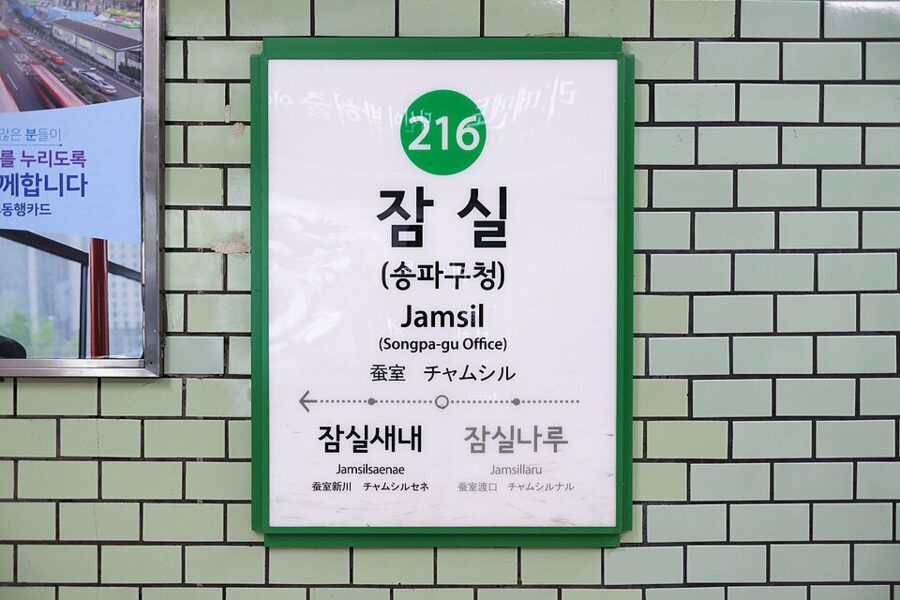
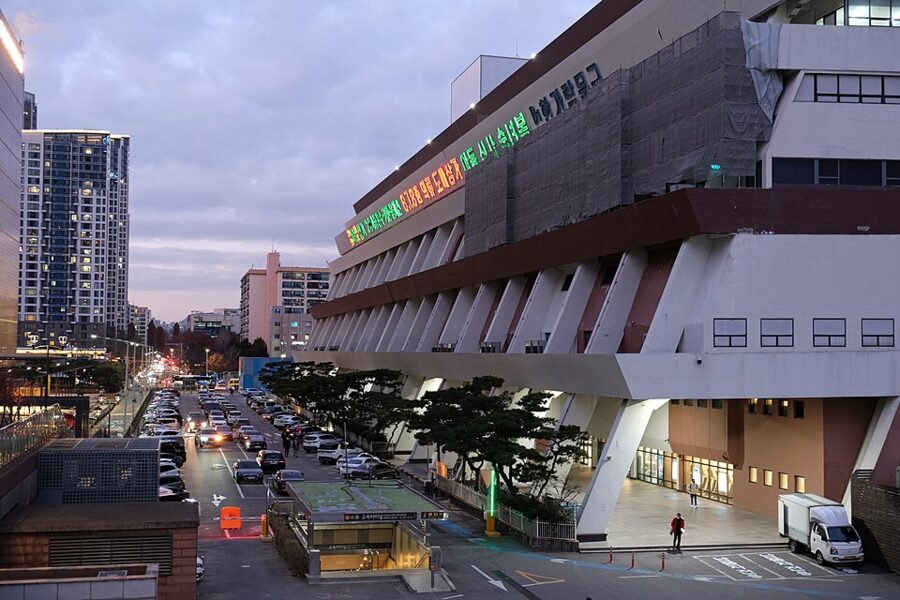
| Jamsil (잠실역) | 2 | B1, towards exits 3 and 4 |
| Myeongdong (명동역) | 4 | B1, towards exits 9 and 10 |
| Gimpo Airport (김포공항역) | 5 | B1, towards the I-Center |
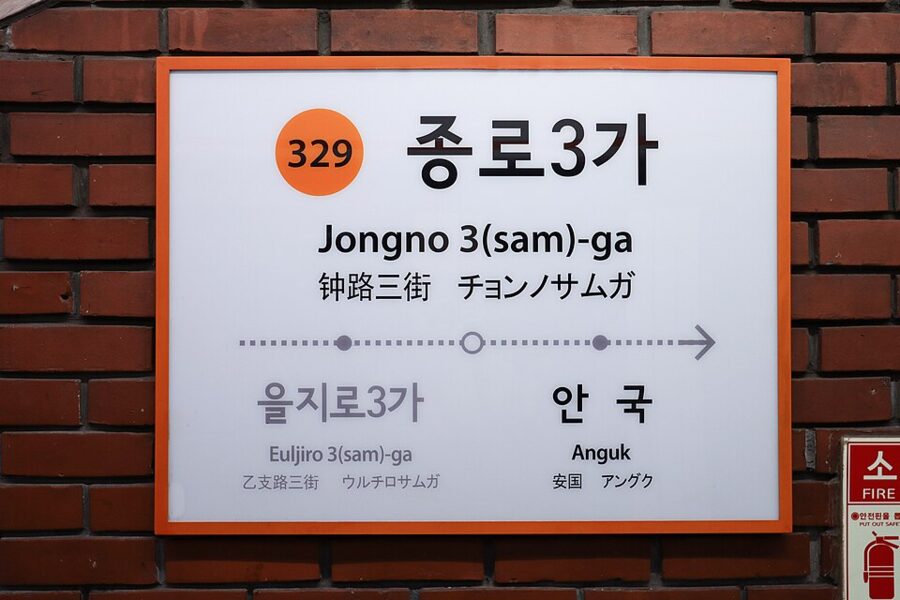
| Jongno 3-ga (종로3가역) | 5 | B1, towards exit 6 |
Four hours costs KRW 3,000 for a bag up to 20 inches, KRW 4,000 up to 23 inches, KRW 6,000 up to 27 inches and KRW 9,000 above that on weekdays. At weekends the same sizes cost KRW 4,000, 6,000, 9,000 and 13,000. Every extra hour is KRW 1,000, whatever the day.
T-Luggage also delivers. Counter to counter within Seoul costs KRW 17,000 on a weekday for a bag up to 23 inches; a station to Incheon Airport run costs KRW 20,000, or KRW 29,000 at weekends. Its English site names only Incheon’s Terminal 2 as the airport end, which matters if you fly Cathay or HK Express from Terminal 1.


Zimcarry (짐캐리), Korail’s partner
Zimcarry is a Busan company that runs the storage and delivery counters at 13 KTX stations. Korail opened the Seoul Station one in March 2025 and took bookings for it through its Korail Talk app (코레일톡); walking up works too. Zimcarry’s counter list gives each one’s hours and prices. In Seoul the counters that matter are Seoul Station (second floor, inside exit 3, 08:00–21:50), Hongik University (B2, opposite exit 5, 09:00–21:50) and the Express Bus Terminal (next to the ticket office, 10:00–21:50).
All three charge per four hours, measured on the bag’s longest side: KRW 5,000 for a suitcase up to 55 cm, KRW 8,000 for 56–70 cm and KRW 10,000 above that. Each extra hour adds KRW 1,000 or 2,000, and the day is capped at KRW 10,000, 18,000 and 20,000. For a big case kept all day, that is several thousand won more than T-Luggage.
Seoul, station by station
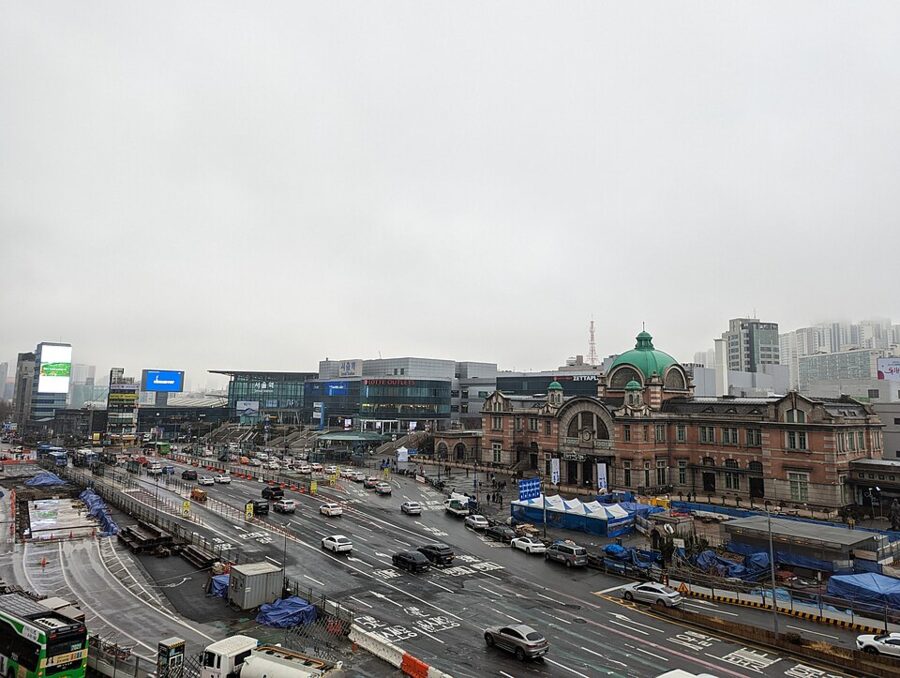
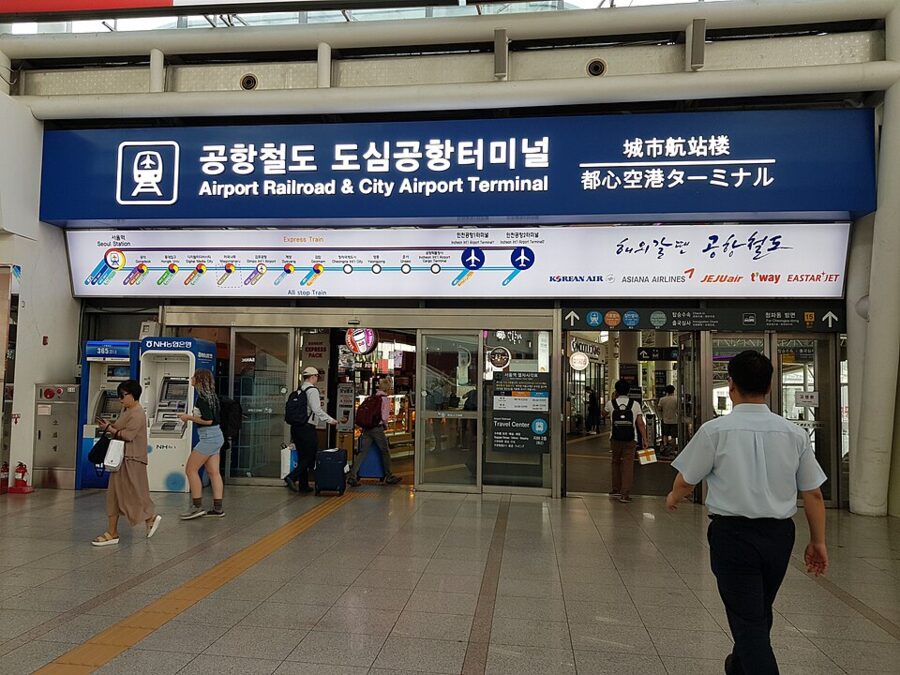
Seoul Station (서울역)
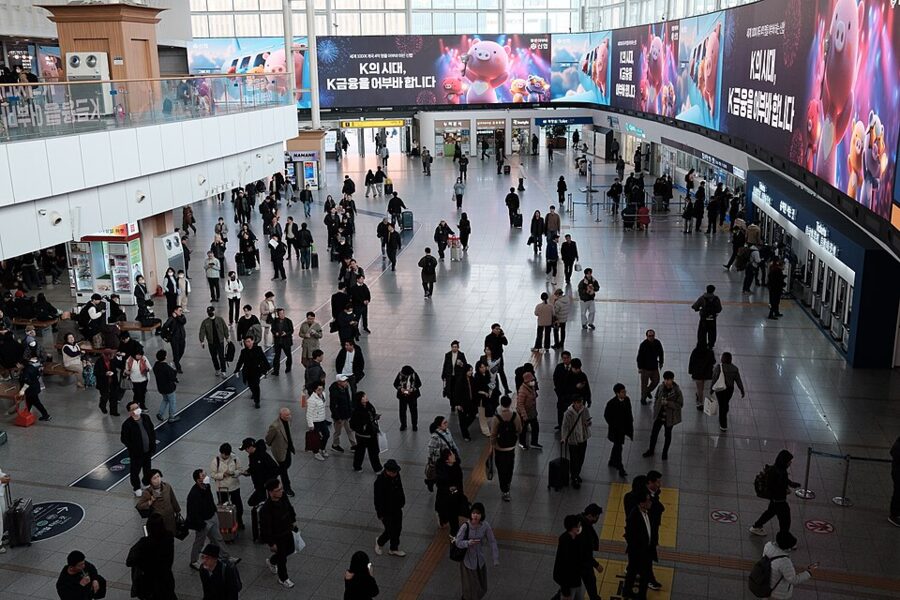
Three choices under one roof: Zimcarry upstairs in the KTX station, T-Luggage in the subway basement towards exit 1, and T-Locker banks in the subway station. For a large case all day I would take T-Luggage over Zimcarry: a 27-inch case for ten hours on a weekday costs KRW 12,000 there against KRW 18,000 upstairs.


Myeongdong (명동역)
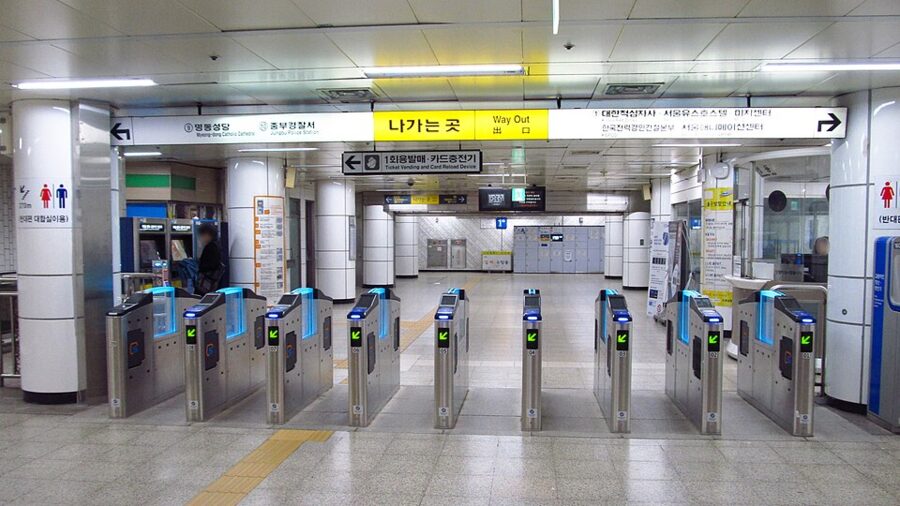
The T-Luggage counter is in the Line 4 basement towards exits 9 and 10, a sensible place to leave a suitcase if you are checking in to a Myeongdong hotel at 15:00 and arrived on the morning flight. With a counter in the station, there is no reason to hunt for a free large locker on a Saturday.

Hongdae (홍대입구역)
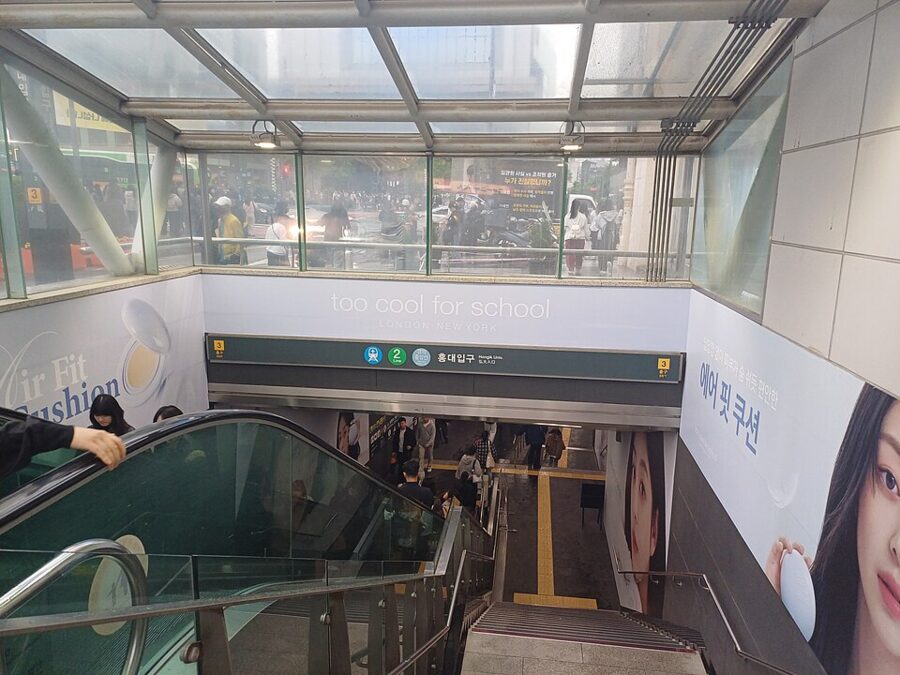
Hongik University Station is where the airport train meets Line 2, which makes it the best-served stop in Seoul: T-Luggage on the Line 2 side towards exits 3 and 4, and Zimcarry on B2 opposite exit 5, inside the station. If you arrive on AREX and stay in Hongdae, you never have to carry the bag up to the street.
Gangnam (강남역)
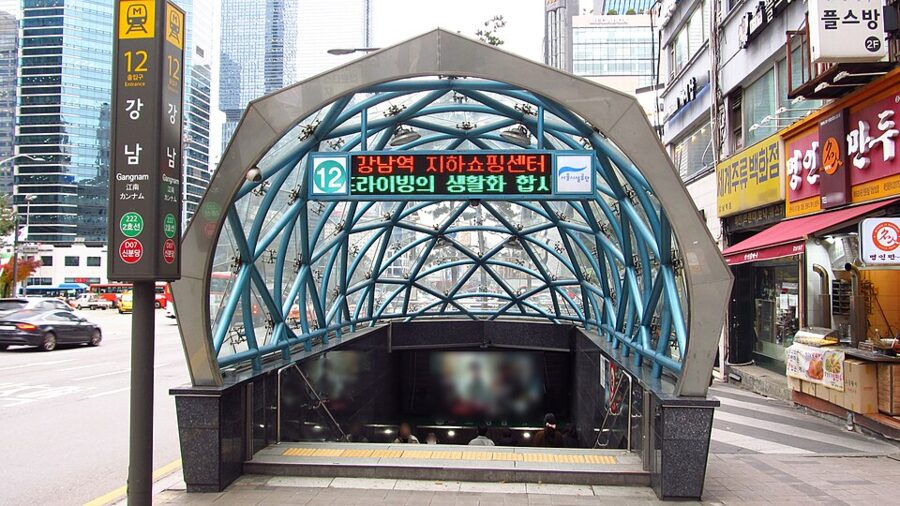
Gangnam’s Line 2 station is on the T-Locker map but has no staffed counter. The nearest are Zimcarry at the Express Bus Terminal, on Lines 3, 7 and 9, and T-Luggage at Jamsil, six stops east on Line 2. If the bag is going to a Gangnam hotel, Zimcarry’s delivery adds a KRW 5,000 surcharge for Gangnam, Seocho and Songpa.



The other KTX stations in Seoul
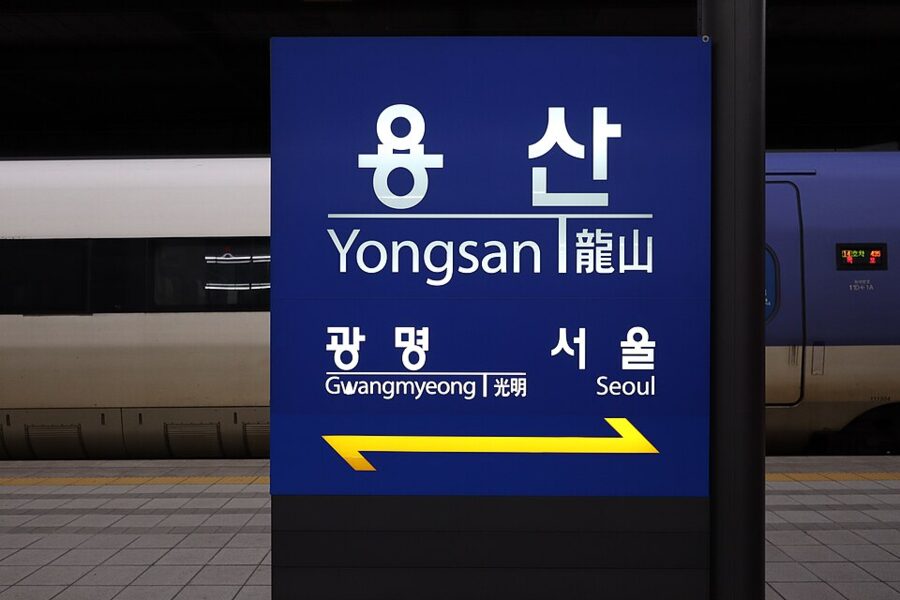
Yongsan (용산역), where KTX trains to Gwangju and Mokpo start, has a Zimcarry counter inside the station that charges a flat KRW 5,000 a day for a suitcase. It keeps office hours, 09:00–18:00, and closes on Saturdays and Sundays, so it is no use for a weekend trip. Gwangmyeong (광명역), south-west of the city, has one inside exit 8 on the east side, 08:00–20:00, closed on Sundays.

Busan
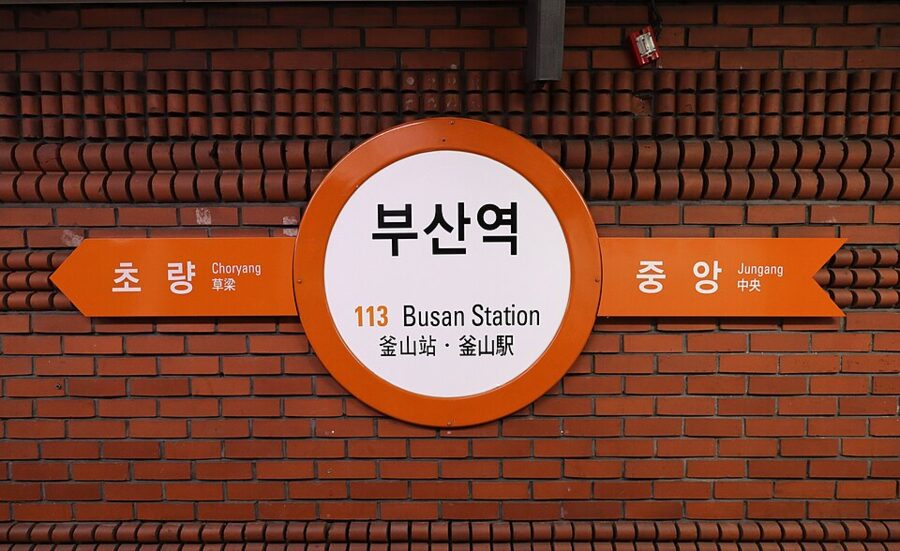
Busan Station (부산역)
Most people step off the KTX and walk straight to the lockers on the first floor, which is why those fill first. The station has a second set on the second floor, in a quieter lobby, with more large doors. No current price list for these lockers is published, so read the screen before you pay.
The better answer is Zimcarry’s home counter, inside exit 5 of the KTX station, open 09:00–22:00 every day. Unlike its Seoul counters it charges by the day: KRW 5,000, 8,000 or 10,000 for a suitcase up to 55 cm, 56–70 cm or longer, and KRW 3,000–8,000 for other bags.
The day ends at closing time: come back after 22:00 and you collect the next morning and pay for another day. Busan Ilbo counted about 500 bags a day here in early 2025, and Zimcarry warns that at weekends and in the January–February and July–August peaks it can stop taking bags early.

Haeundae and delivery
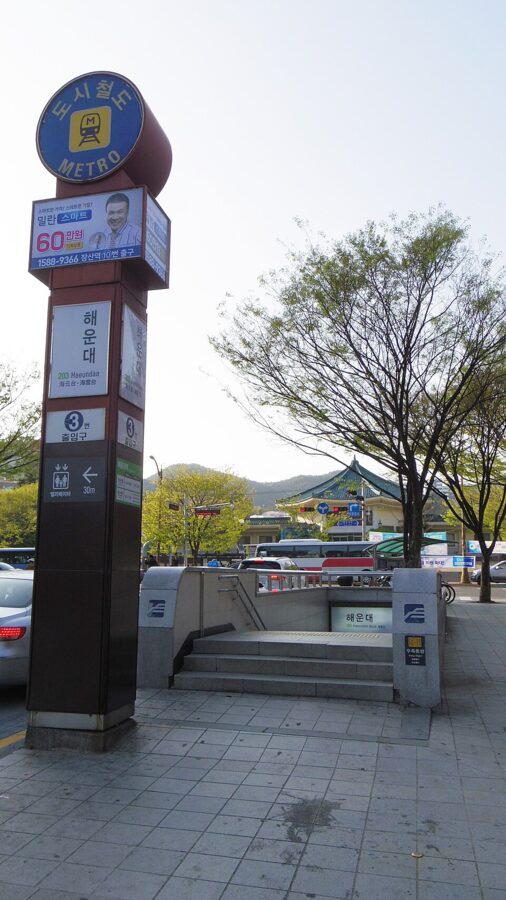
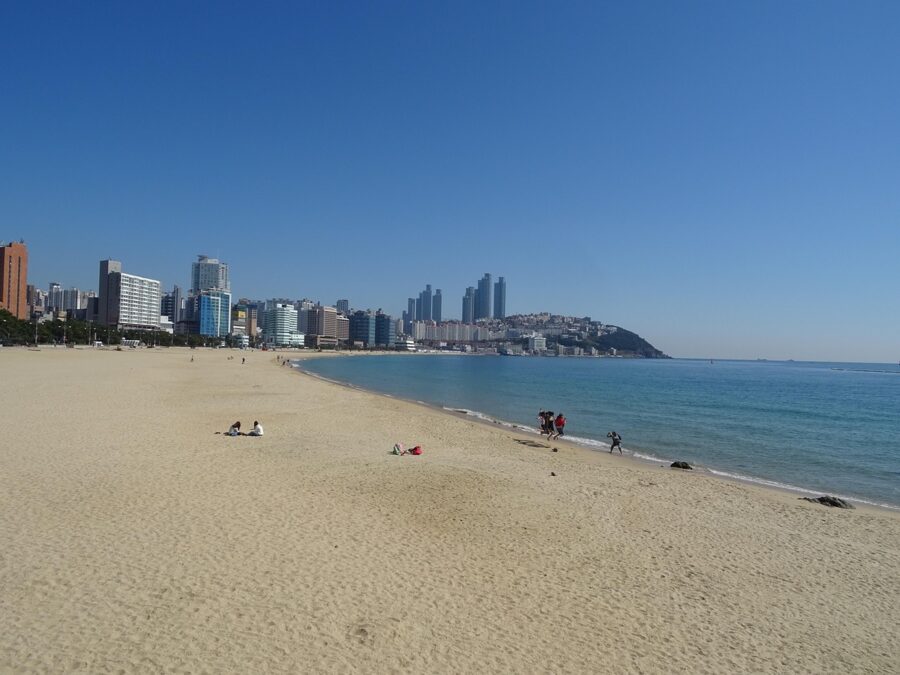
Haeundae Station on Line 2 has lockers too, but if you are staying by the beach the bag need not come with you. Zimcarry sends it from Busan Station to your hotel the same day: drop it by 14:50 and it arrives from 16:00. It costs KRW 12,000 for a bag up to 55 cm, KRW 16,000 up to 70 cm and KRW 20,000 above that, plus KRW 3,000 for Songjeong and Gijang. Book online by 11:00 on the day, or at the counter before 15:00.
It works the other way too. Leave the bag at the hotel desk by 11:00 and it is waiting at the Busan Station counter from 15:00, which suits an afternoon KTX. Zimcarry delivers only within 30 km of the starting point, and only to and from the hotel you are staying at. It turns away paper and plastic shopping bags, boxes, umbrellas and anything perishable, so pack everything into one proper case.

Gimhae Airport and the port
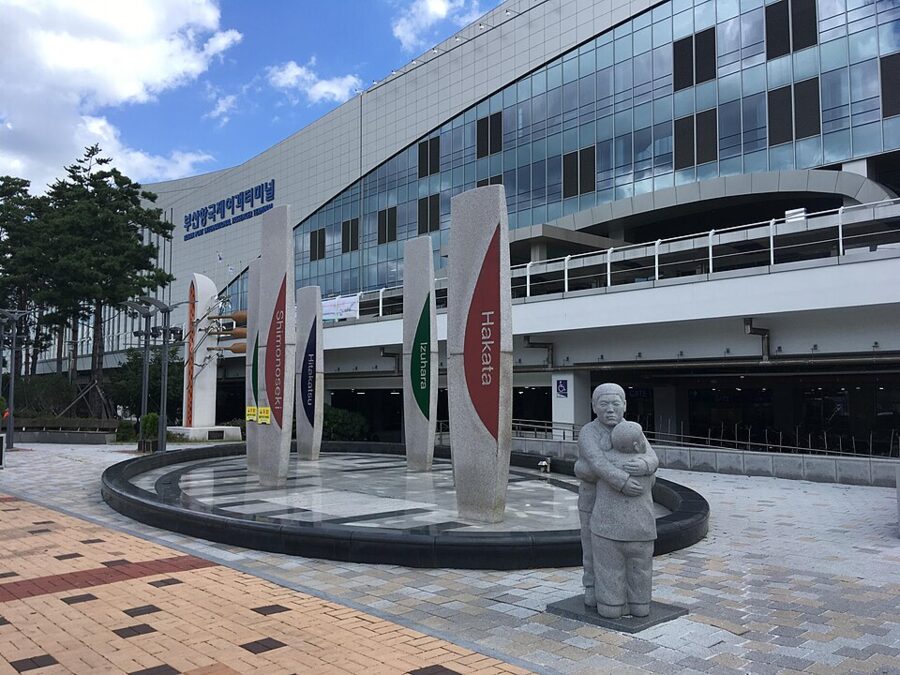
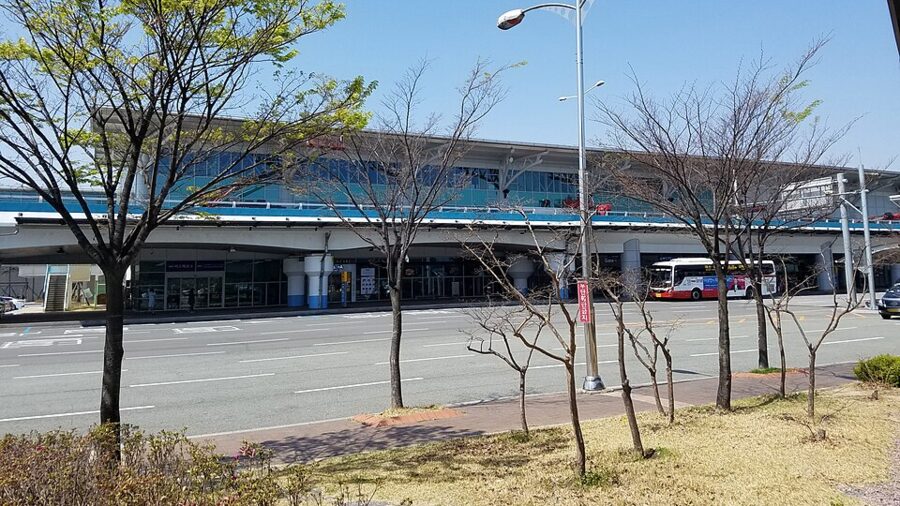
The Busan–Gimhae light rail runs from Sasang to the airport, where Zimcarry has counters in both terminals. The international one is on the first floor inside exit 3, on the left of the arrivals hall, 06:00–21:30, and charges by the four hours like Seoul: KRW 5,000 for a small suitcase, capped at KRW 20,000 a day for a large one. If you are taking the ferry to Japan, there is another counter at Busan Port International Passenger Terminal, second floor inside gate 4, 10:00–19:00.


Other KTX hubs
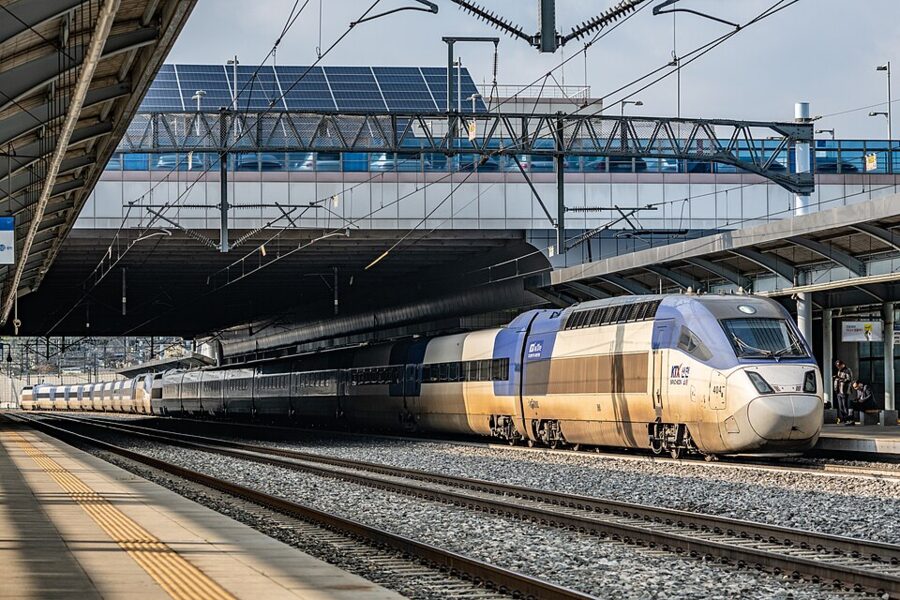
Outside Seoul and Busan, the counters at KTX stations keep shorter hours than the trains, and the parcel counters close on Sundays. These are Zimcarry’s listings for November 2026:

| Station | Where | Open |
|---|---|---|
| Dongdaegu (동대구역), Daegu | KTX parcel counter, opposite the emart24 Sinam branch | 08:00–20:00, closed Sunday |
| Daejeon (대전역) | Exit 4, by the surface car park entrance | 08:00–20:00, closed Sunday |
| Gyeongju (경주역) | First floor, far left of exit 1 | 09:00–18:00 daily; collect from its lockers until 23:00 |
| Gangneung (강릉역) | Inside exit 2 | 09:00–18:00 daily; collect from its lockers until 23:00 |
| Yeosu Expo (여수엑스포역) | First floor, inside exit 2 | 09:00–18:00 |
Gyeongju and Gangneung charge the Busan day rates, KRW 5,000–10,000 for a suitcase. The parcel counters at Dongdaegu and Daejeon price storage by the item: KRW 5,000 a day for a suitcase or a large bag.

What lockers refuse, and what goes wrong
Seoul Metro’s lockers will not take valuables, food, live animals or plants, guns or drugs. Anything left more than five days is moved to a separate store, and anything unclaimed after a month is given away or destroyed. Zimcarry’s lockers carry similar rules; its counters take payment up front and do not refund it, even if you collect after an hour.
Most problems come from the clock. A locker that shuts at midnight and a counter that shuts at 21:50 do not care that your train was late, so leave the bag where you will end the day. Keep the receipt or the screen with the door number and PIN; a lost Zimcarry slip means a wait while staff check your name and phone number. And take out your passport, charger and medicine before you close the door.
My pick
For a backpack or a cabin bag in Seoul, a T-Locker: a medium door is KRW 3,300 on a weekday, and scanning the QR code means no app and no account. For a full-size suitcase in Seoul, T-Luggage at Seoul Station, Myeongdong or Hongdae, booked ahead at weekends. In Busan, skip the first-floor lockers and walk to the Zimcarry counter inside exit 5. If you are heading to Haeundae, pay the KRW 20,000 and let the suitcase take the taxi.
Whichever you use, put an alarm in your phone for half an hour before it closes. The large locker that cost KRW 4,400 at lunchtime does not open at 00:01.