

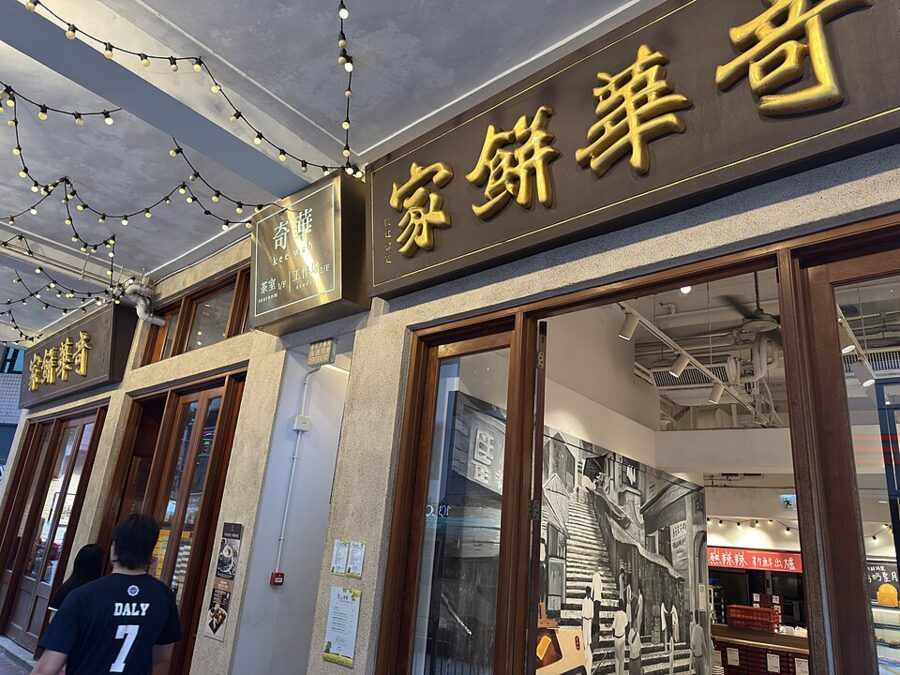
Kee Wah Bakery lists its 400-gram tins of egg rolls from HK$118, and its shop past security in Terminal 1 stays open until 23:00. That is your safety net. The better souvenirs are made or sold a few MTR stops from your hotel, by shops Hong Kong families have used for generations.
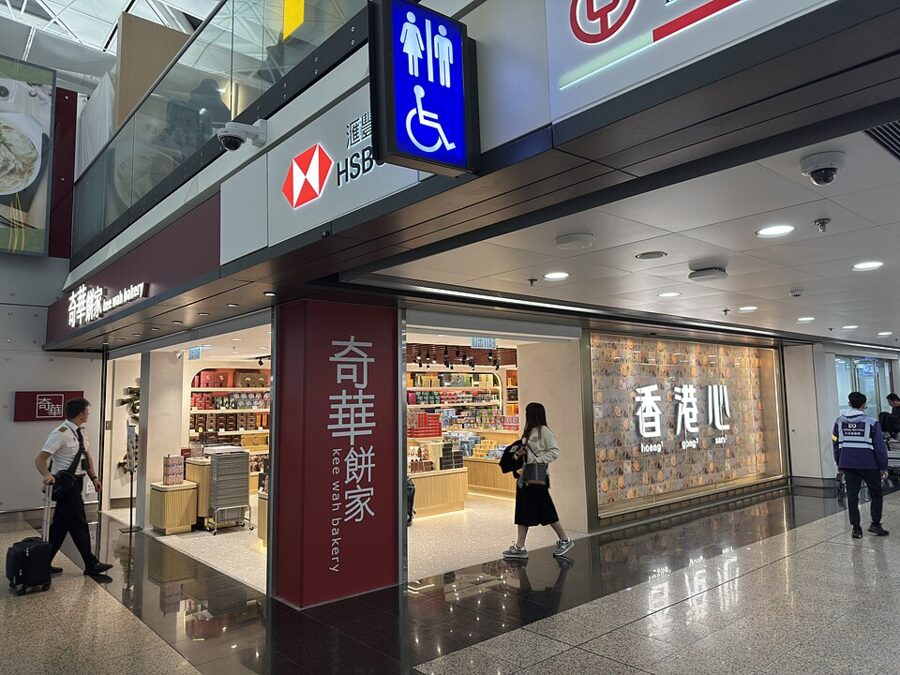

If you have one afternoon, this is what I would buy. Egg rolls or wife cakes from Kee Wah (奇華餅家) or Hang Heung (恆香老餅家). A tin of butter cookies from Jenny Bakery (珍妮曲奇) in Sheung Wan or Tsim Sha Tsui, open 10:00–19:00, with a queue. Loose tea from Ying Kee Tea House (英記茶莊) on Queen’s Road Central, and a small bottle of White Flower oil from any pharmacy.
With a day to spare, go further. Buy a carbon-steel wok or a cleaver from Chan Chi Kee (陳枝記) on Shanghai Street, a hand-painted plate from Yuet Tung China Works in Kowloon Bay, a die-cast minibus from TINY, or a sheet of this year’s stamps from the General Post Office.
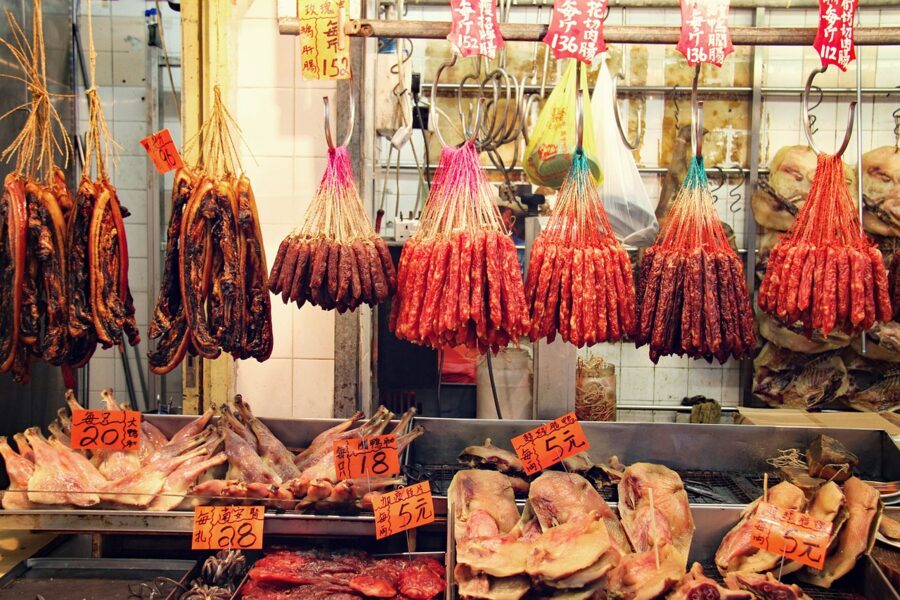
Know what to leave behind. Lap cheong sausage, anything else with meat in it, and XO sauces made with ham are what border officers in the UK, the US, Australia and Taiwan take off travellers, and Taiwan fines first offenders up to NT$200,000 for pork. If you are carrying baby formula out of Hong Kong, the limit is 1.8 kg a person.
In this article
Made here, or only sold here
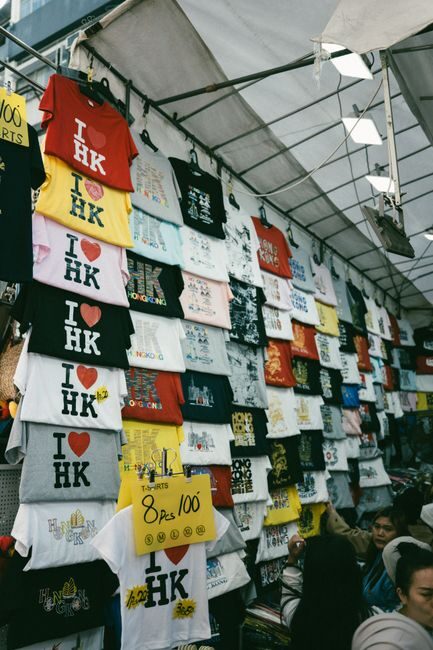
Walk through the Ladies’ Market in Mong Kok or the lanes of Stanley Market and you will see the same magnets, chopstick sets, silk purses and “I love HK” T-shirts on stall after stall. They are cheap and they say Hong Kong on them. Very little of it is made here, and the labels will usually tell you so. I would not spend a whole afternoon on them.
A souvenir worth carrying home is one a Hong Kong family would also buy. That means things from shops with a name over the door and a history: bakeries that have been making wife cakes since before the war, a tea merchant that moved its business from Guangzhou to Central in 1950, a knife shop on a street of restaurant suppliers, a porcelain works painting famille rose plates by hand.
Kee Wah files its traditional biscuits under “made in Hong Kong” (香港製造) in its own online shop and says it bakes in its own Hong Kong factory. Hang Heung is still on Castle Peak Road in Yuen Long, where it began. Those details are what you are paying for.
The second group is newer: Hong Kong design. G.O.D. (住好啲), which opened in 1996, makes homeware and clothing out of neon signs, tenement letterboxes and Cantonese wordplay. Model makers turn minibuses, trams and taxis into die-cast miniatures.
Hongkong Post issues stamp sets on local subjects every few months. None of it is old, but all of it is designed and sold here, and nobody back home has it.
Food that survives the flight
Baked goods are the easiest souvenir to get right: they are light, shelf-stable for weeks, and nearly every bakery packs them in tins built for suitcases. Buy them last, keep the tins in your cabin bag, and you will land with egg rolls rather than egg-roll crumbs.
Egg rolls
Hong Kong egg rolls (蛋卷) are thin sheets of batter baked on a flat iron and rolled while hot into a crisp, buttery cylinder. Kee Wah sells several flavours in 400-gram tins from HK$118, and six-stick boxes of its honeycomb-pattern egg rolls from HK$32. Its all-butter recipe is the newest version on the shelf.

The cult option is Duck Shing Ho (德成號) at 64 Java Road, North Point, a former grain and oil shop that turned to hand-rolled egg rolls in the 1960s. Tins ran HK$135–264 in mid-2026, when counter sales ran only on Thursdays, Fridays and Saturdays, most stock went to pre-orders, and before Lunar New Year the shop stops selling over the counter altogether: in 2026 it reopened to walk-in customers on 23 February, the seventh day of the new year. Go on a Thursday, Friday or Saturday morning, and have Kee Wah as your back-up.
Wife cakes and almond cookies
Wife cakes (老婆餅) are flaky pastry around a sweet winter-melon filling, and Hang Heung in Yuen Long is the name most Hong Kong people give you. The bakery dates from 1920. Its flagship at 62 Castle Peak Road in Yuen Long (Yuen Long MTR station, Exit B or C) opens 08:00–20:00 and now houses a small museum of Chinese pastry and a baking workshop.
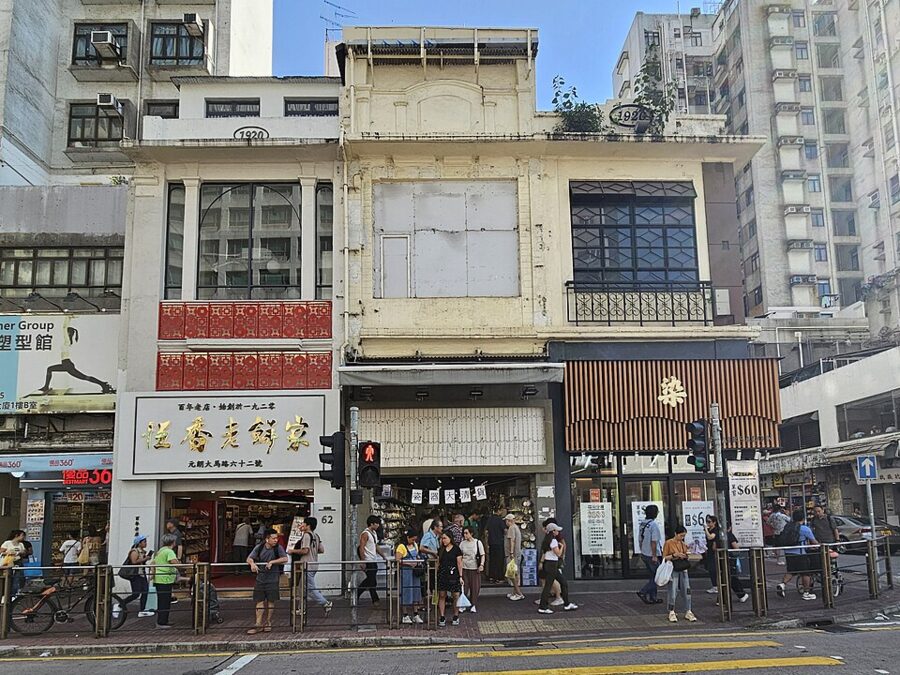

You do not need to go to Yuen Long. Hang Heung has a shop on Hankow Road in Tsim Sha Tsui (Exit A1, 11:00–20:00), one at West Kowloon high-speed rail station (07:00–20:00) and three at the airport: one landside in Terminal 2 and two past security in Terminal 1, all open 07:00–23:00. Wife cakes are at their best fresh, so buy them on your last day.
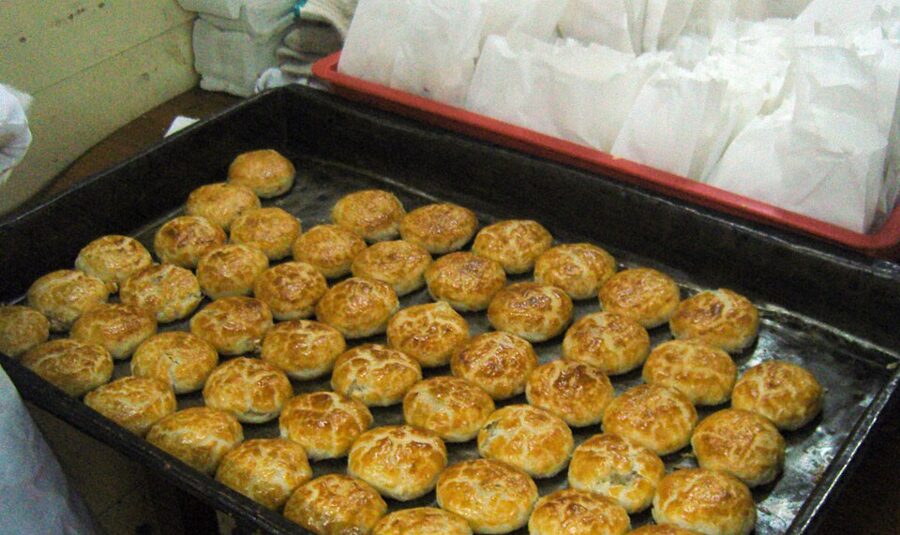

Almond cookies (杏仁餅) are the third classic, dense and crumbly with a whole almond pressed in or a stamped top. Kee Wah’s 12-piece box is HK$60, and its box made with the M+ museum for the “Design Ah!” exhibition, with a raised 啊 on every biscuit, costs the same.
That box is the one I would give a design-minded friend. Kee Wah also does a five-piece wife-cake box at HK$62.
Butter cookies
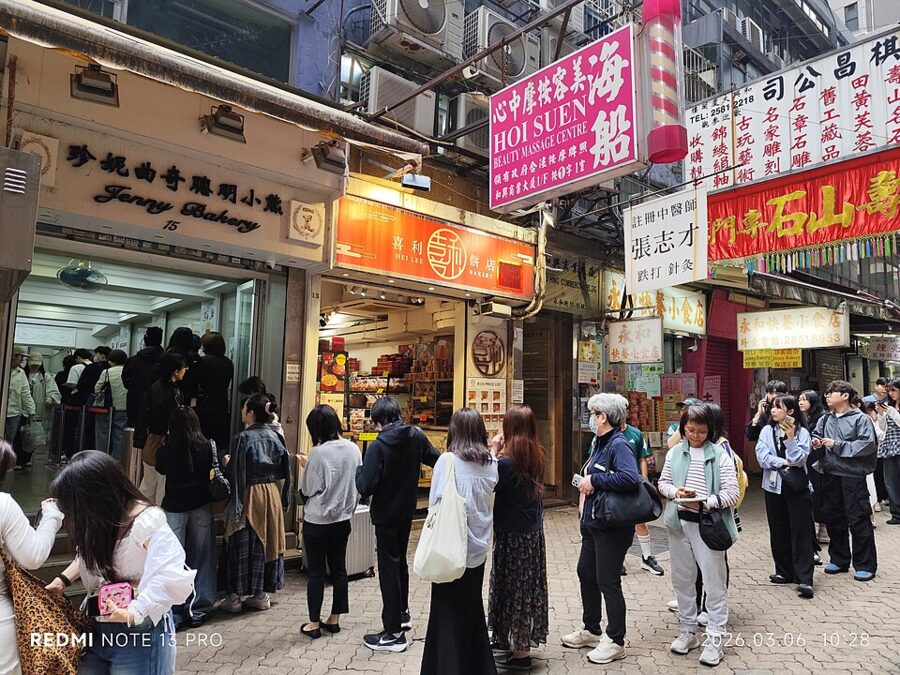
Jenny Bakery started in Stanley in 2005 and is famous for teddy-bear tins of melt-soft butter cookies in two-mix and four-mix assortments. It now has two Hong Kong shops: Shop 42, first floor, Mirador Mansion, 62 Nathan Road, Tsim Sha Tsui (Exit D), and 15 Wing Wo Street, Sheung Wan (Exit E2). Both open 10:00–19:00.
The bakery says the cookies keep for three months, and it changes the tin designs regularly because of counterfeits. It disowns tins sold by other shops, so buy only at those two counters.
Tea
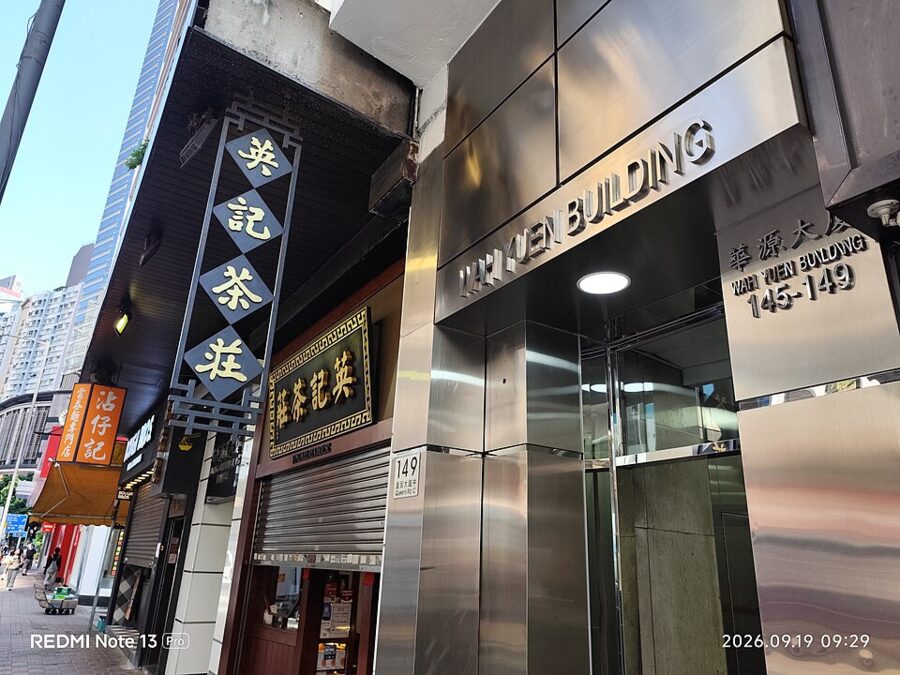
Ying Kee Tea House was founded in Guangzhou in 1881 and moved to Central in 1950. It sells pu’er, tieguanyin, jasmine and its other teas in tins and gift boxes, and it is a tea merchant first and a gift shop second. The branch at 151 Queen’s Road Central is the easiest to find; another is at 170 Johnston Road, Wan Chai.
For a more modern tea shop, LockCha (樂茶軒) has a teahouse in the K.S. Lo Gallery in Hong Kong Park (10 Cotton Tree Drive, Admiralty) and a flagship tea shop at Tai Kwun on Hollywood Road. Both sell loose leaf and tea ware, and the Hong Kong Park teahouse is a good place to taste before you choose.
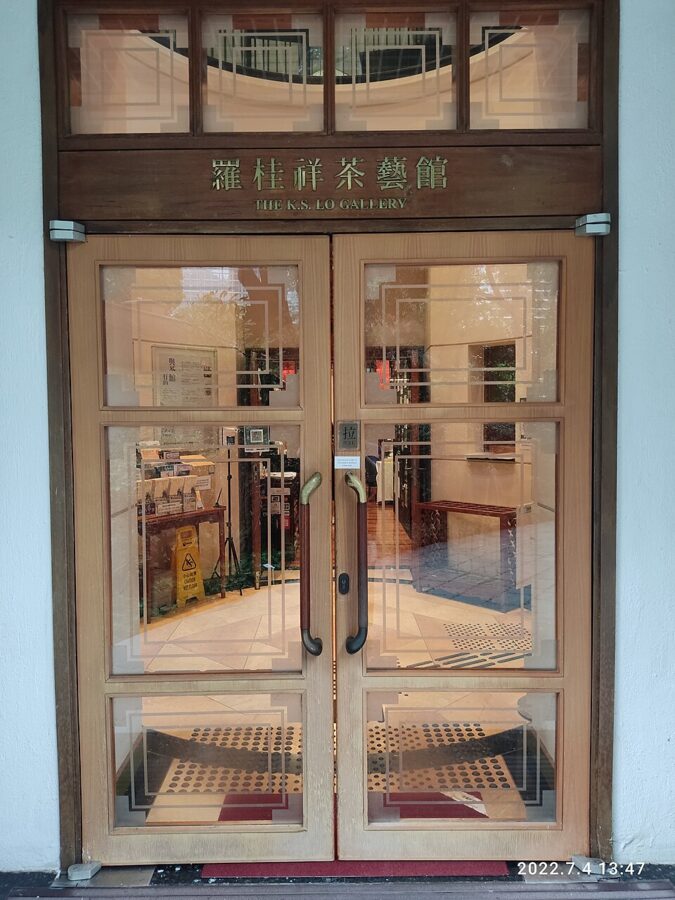

Dry tea is the least trouble at the other end, but it is still food: Australia wants all food declared on the arrival card, and the US wants every agricultural product declared.
XO sauce and dried seafood
XO sauce is a Hong Kong invention of the 1980s: dried scallops and dried shrimp cooked down with chilli, garlic and oil. The Peninsula says its Spring Moon restaurant introduced its XO chilli sauce in that decade, and the jars sold at the Peninsula Boutique in the hotel on Salisbury Road are still made by hand in Hong Kong.
Lee Kum Kee’s supermarket version lists dried shrimps and dried scallops and no ham. Many restaurant and hotel recipes add Jinhua ham, and that turns the jar into a meat product at the UK and US borders. Read the ingredients before you pack it.
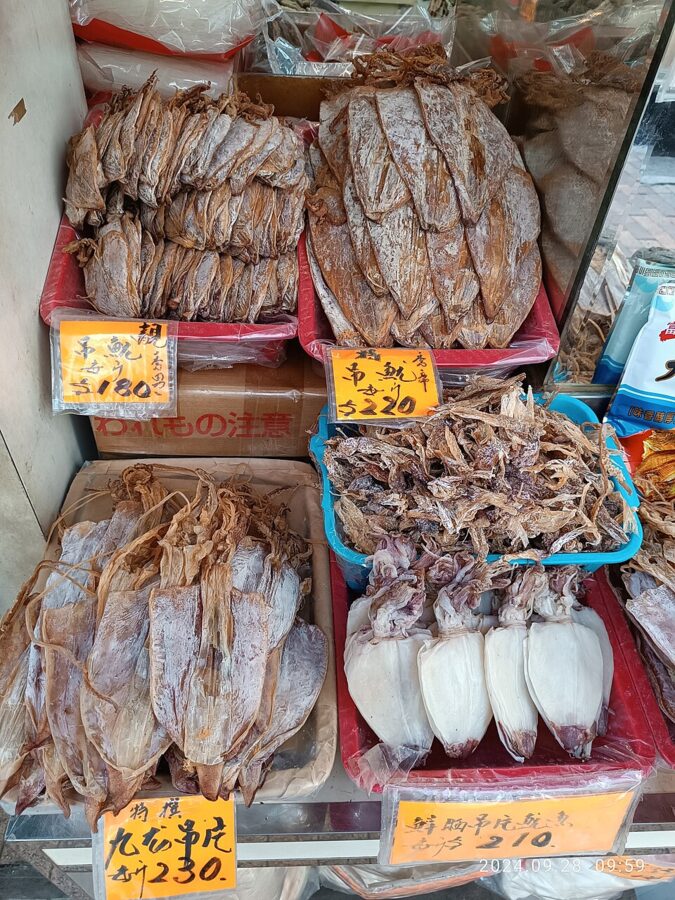
Dried seafood is a Hong Kong speciality in its own right. Des Voeux Road West, running from Sheung Wan into Sai Ying Pun, is lined with shops selling dried scallops, shiitake, fish maw and salted fish. Dried scallops (乾瑤柱) are the useful gift: light, expensive enough to be special, and easy to cook with.
The UK allows up to 20 kg of fish products per person from outside the EU, which covers dried scallops and shrimp. Skip shark fin and anything you cannot name.
Medicated oils and herbal remedies
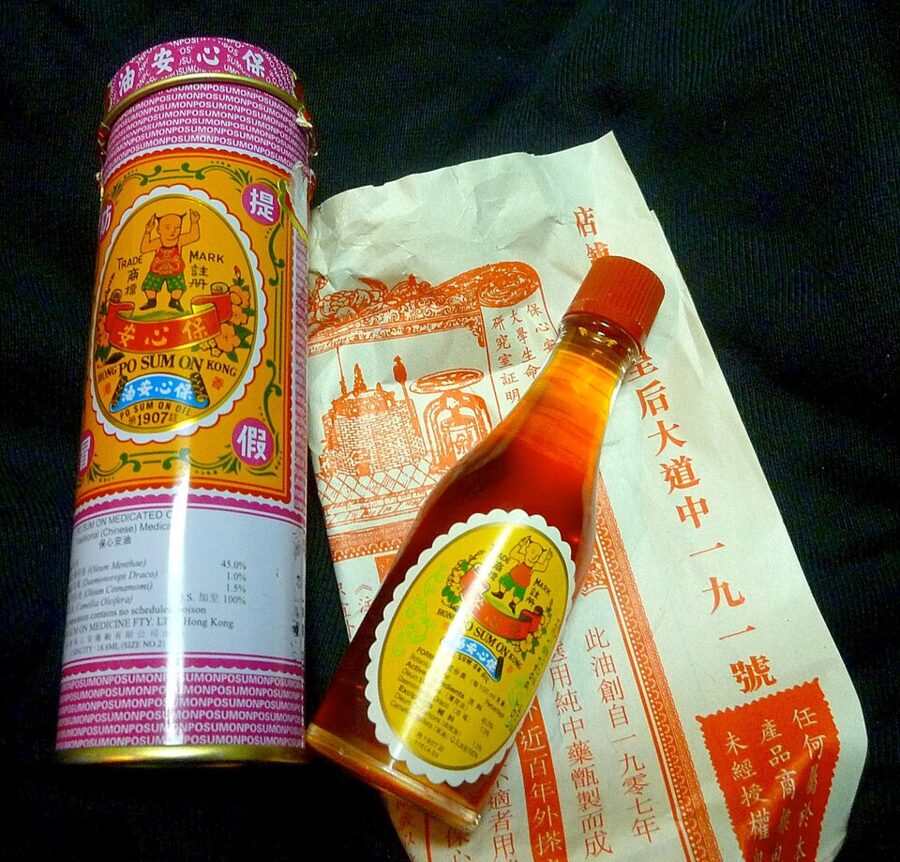
Every Hong Kong household has a little bottle of medicated oil in a drawer, rubbed on temples for headaches, on stomachs for wind and on bites for itching. The best known is White Flower oil (白花油), made by Hoe Hin Pak Fah Yeow since 1927. Po Sum On (保心安) oil and balm have been made in Hong Kong for over a century, now in a GMP-certified factory, and Wong To Yick (黃道益) wood lock oil is the one for sprains. All three are sold at pharmacies across the city.
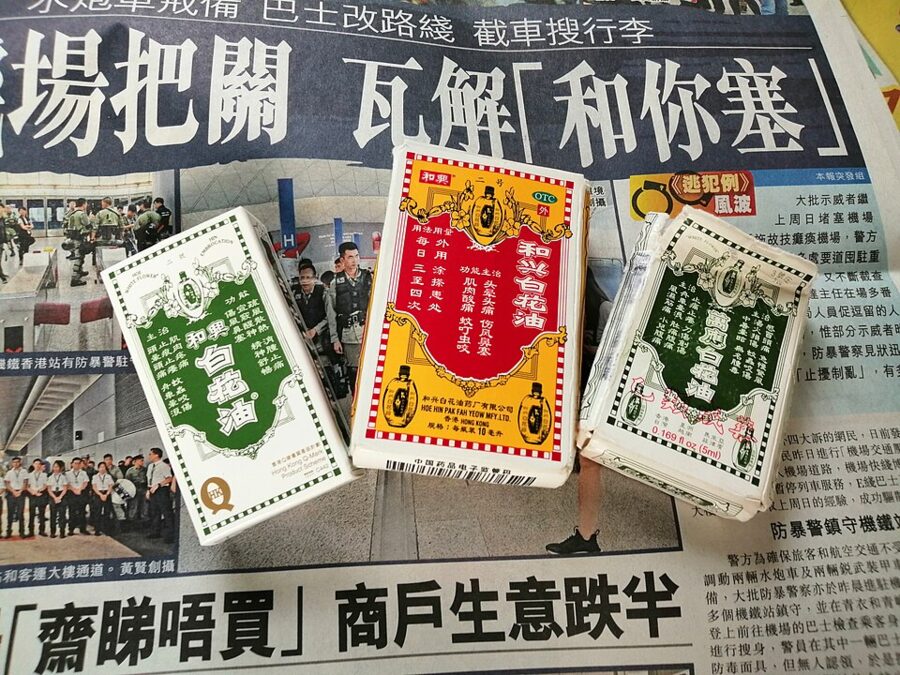

Two things to check before you pack. The small bottles fit inside the 100 ml limit for liquids in your cabin bag, but larger bottles belong in checked luggage. And some herbal products and Chinese medicines list animal ingredients: those meet the same meat and animal-product rules as food at the other end, and in the US and Australia they need declaring. Stick to the plant-based oils and balms, which are what most people want anyway.

Kitchenware, porcelain, type and tiles
Shanghai Street kitchenware
The stretch of Shanghai Street (上海街) through Yau Ma Tei is Hong Kong’s restaurant-supply street: woks, bamboo steamers, cleavers, stainless steamer racks, wooden wok turners and the round chopping blocks every Cantonese kitchen uses. The shops sell to restaurant cooks first and visitors second.
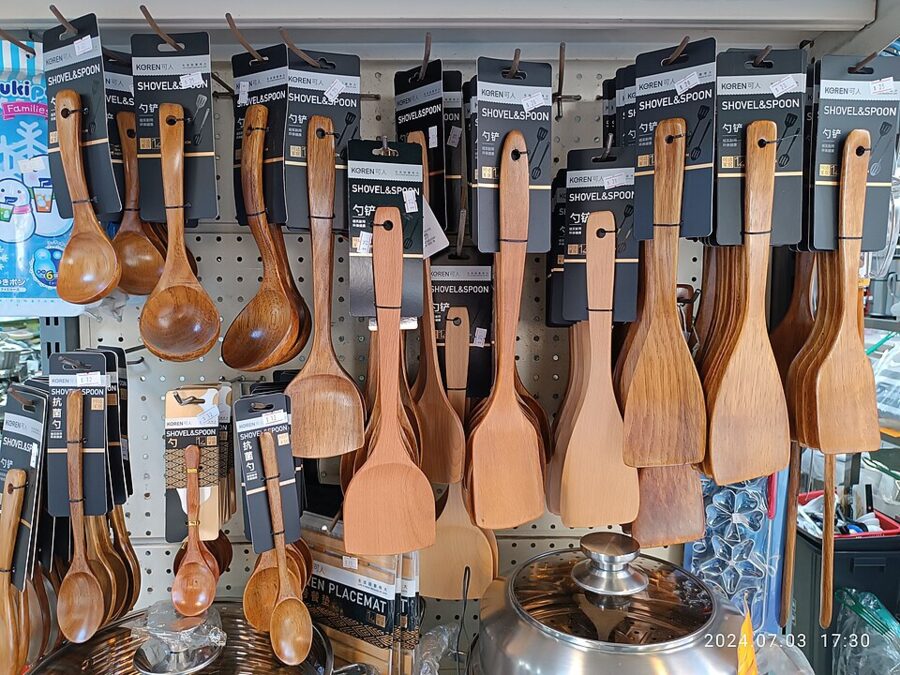
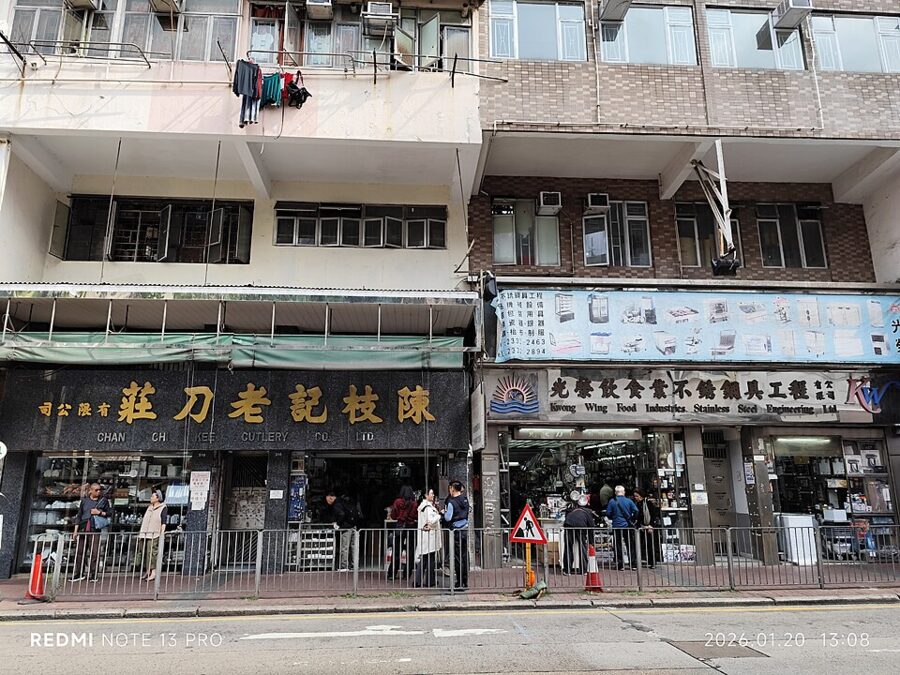
Chan Chi Kee at 316–318 Shanghai Street is the name to know: a family knife shop selling its own cleavers and slicers, and hand-hammered carbon-steel woks that need seasoning before first use. Au Li Cheong (區利昌), also on Shanghai Street, is the other old cutlery name. A Chinese cleaver is the souvenir that gets used every day, but it goes in your checked bag, wrapped, and never in your cabin bag.
Hand-painted porcelain
Yuet Tung China Works (粵東磁廠) was founded in 1928 and was Hong Kong’s first workshop for hand-painted Canton enamel porcelain (廣彩). At its peak it employed more than 300 painters to decorate plates and vases for export. It still paints by hand, now on the third floor of the Kowloon Bay Industrial Centre (Unit 1–3, 15 Wang Hoi Road), and its work toured with Hong Kong craft-heritage exhibitions in 2026.
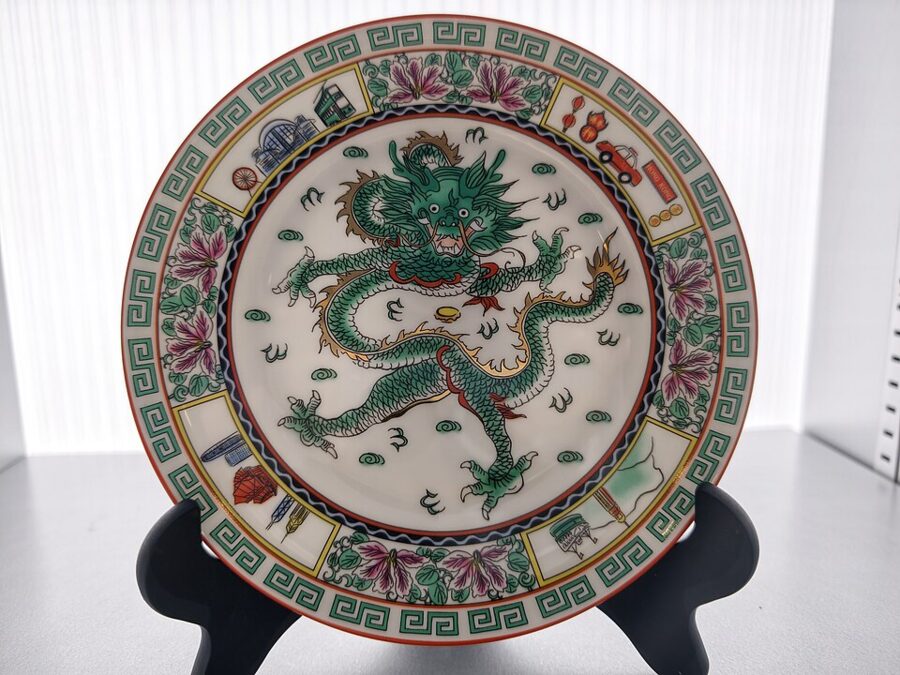

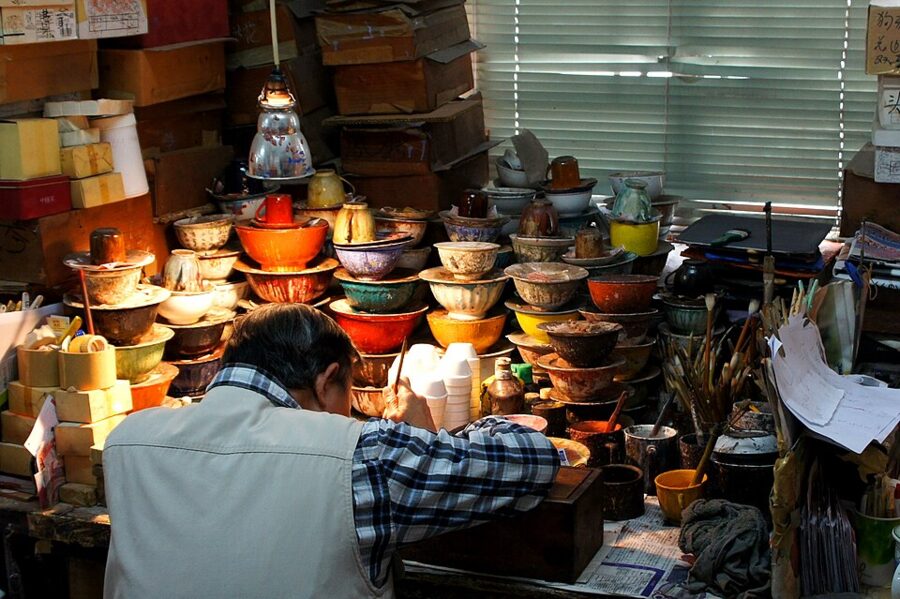

Ask about prices at the works: single dishes and bowls sit at one end, dinner sets and pieces painted with a family name or crest at the other. A hand-painted plate is the most Hong Kong object on this list, and the least likely to be found at home.
PMQ, letterpress and local makers
PMQ (元創方), the former Police Married Quarters at 35 Aberdeen Street in Central, now houses more than a hundred studios and shops run by local designers: jewellery, leather, ceramics, prints and stationery. Its deTour design festival runs from 20 to 29 November 2026.
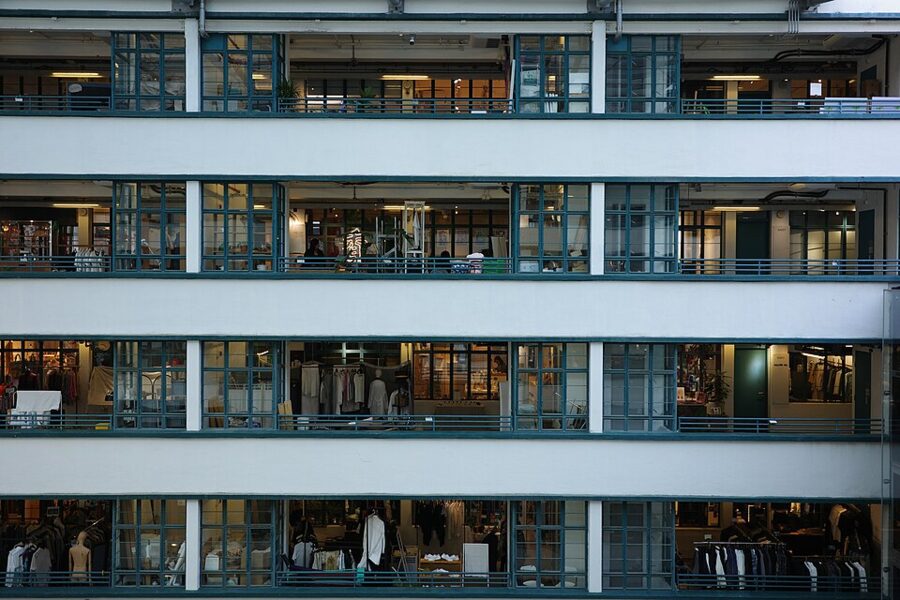

PMQ is also where Hong Kong’s letterpress printing survives. The Hong Kong Open Press (香港活字館), run by Print Art Contemporary, keeps lead type and Heidelberg presses donated by retired printers, and runs regular guided sessions where you set type and print your own card on a hand press. Print Art Contemporary’s International Letterpress Festival exhibition runs from 27 November 2026 to 10 January 2027, closed on Mondays. A card you printed yourself, with your name in Chinese lead type, is a better souvenir than anything on the market stalls.
Mahjong tiles
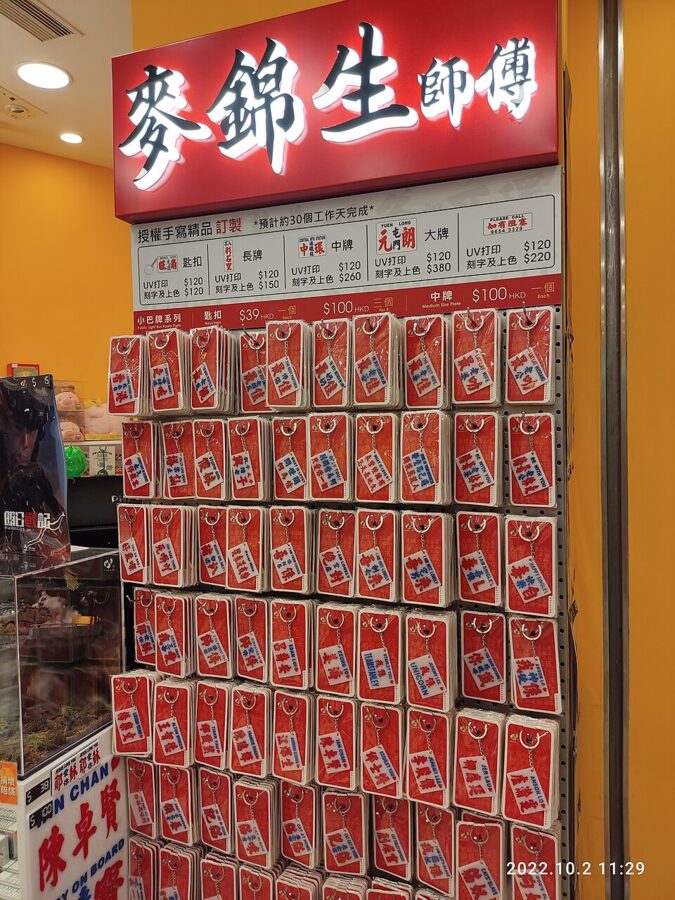
Hong Kong mahjong sets are larger and heavier than the Japanese kind, and the old ones were carved by hand, each character cut and painted in. Biu Kee (標記蔴雀) on Jordan Road is one of the last shops still carving tiles by hand. In 2022 the Buildings Department ordered its stairwell shopfront removed as an unauthorised structure and later said it would consider keeping it, and the shop was still carving tiles in late 2025.
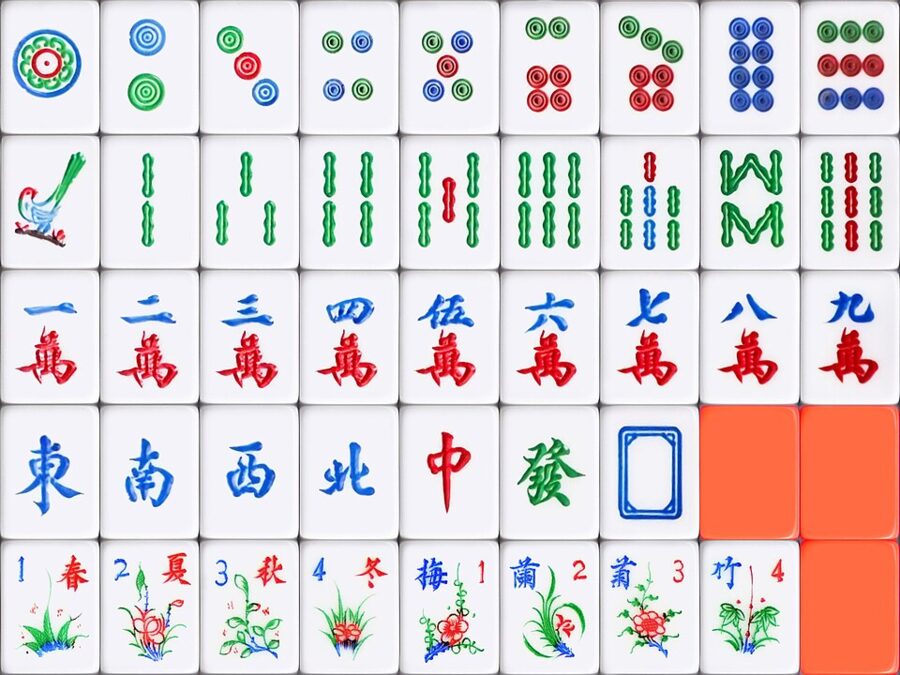

A full hand-carved set is made to order and takes months, so it is a commission rather than a purchase. The cheaper and quicker option is a few single tiles carved with a name or a lucky character, which fit in a pocket. Ask the price at the counter before you order.
Trams, minibuses and stamps
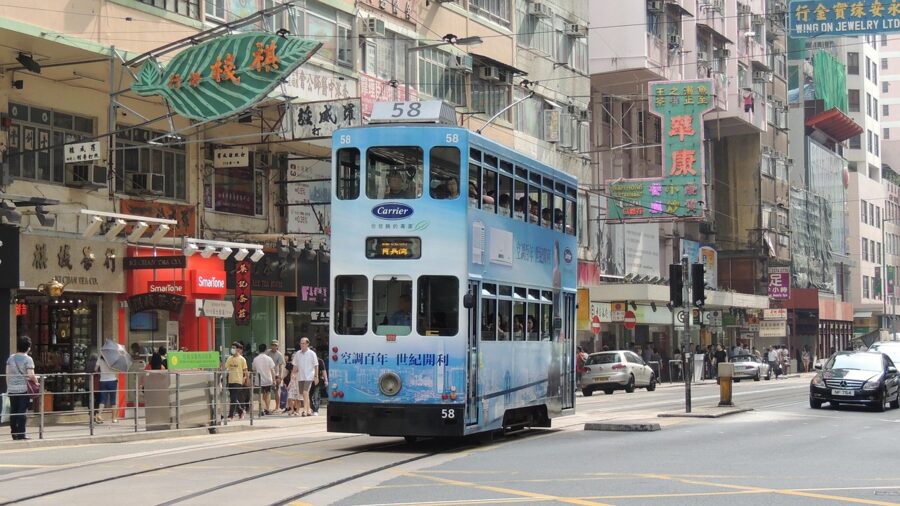
Hong Kong’s transport is part of its identity, and the souvenirs follow. TINY (微影) makes die-cast models of red and green minibuses, taxis, buses and trams. Its own shops include ones at the Peak, Miramar in Tsim Sha Tsui and Kai Tak Sports Park.
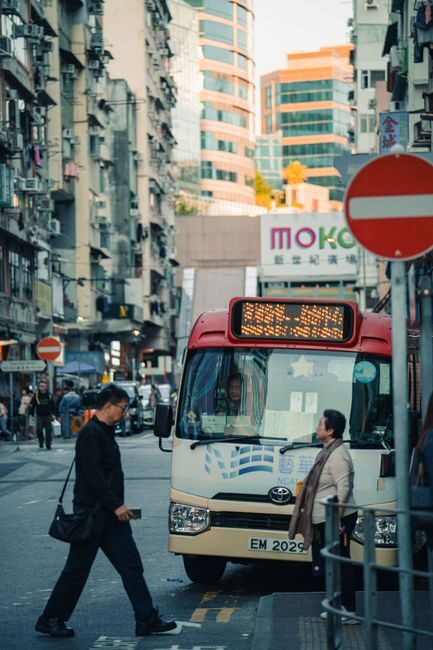

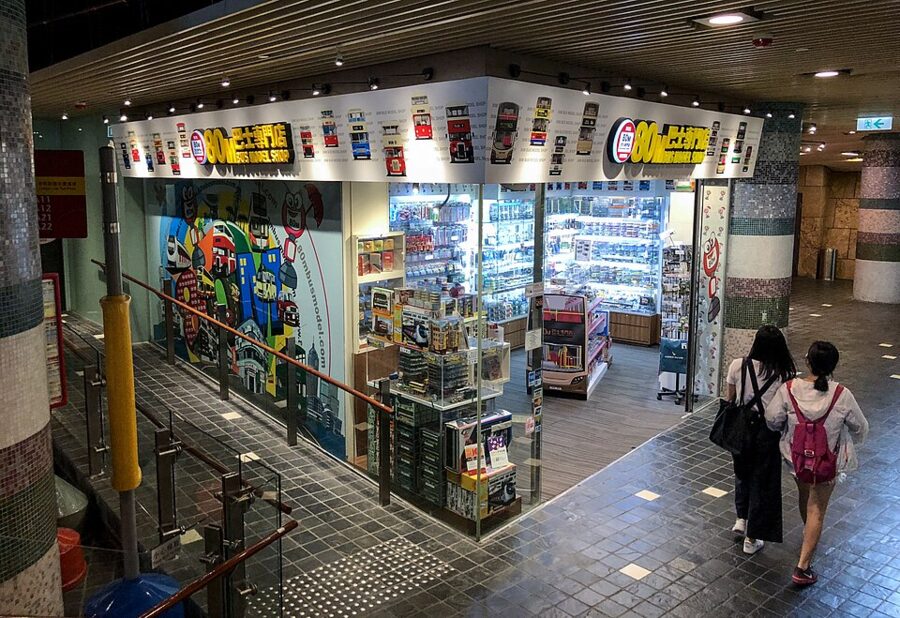
For buses, the 80M Bus Model Shop (80M巴士專門店) sells scale models of Kowloon Motor Bus and Citybus double-deckers, with shops on Sai Yee Street in Mong Kok (11:30–20:30), on the 11th floor of Langham Place (12:00–21:00) and in Tsuen Wan. It also carries tram models.

The tram shop is HK Tram Store (叮叮老香港辦館), which started in 2013 as a tram culture shop at the Peak. It is now at Shop 117 on the first floor of Central Market, 93 Queen’s Road Central (11:00–20:30), with a second branch at 99 Catchick Street, Kennedy Town (11:00–20:00). It sells tram models, evaporated-milk teacup sets, socks printed with Cantonese slang and alloy fridge magnets, which were HK$58 on its own website in November 2026.
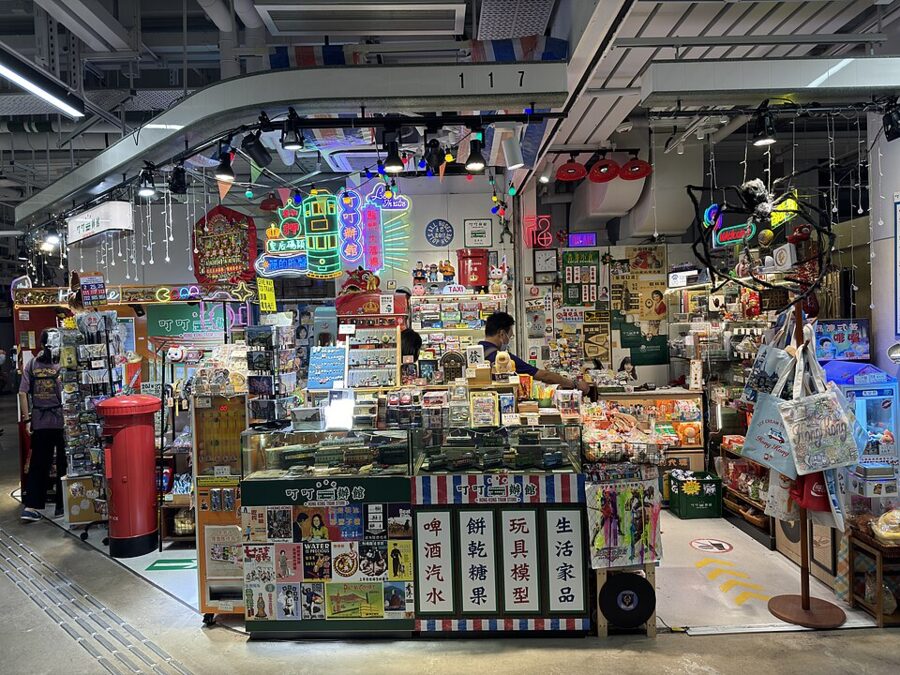

G.O.D. has two shops in Central, at 6 D’Aguilar Street and 48 Hollywood Road (both 10:00–20:00), and one past security near Gate 60 at the airport (07:00–23:00). Kee Wah has joined in too, with HK$72 cookie boxes shaped like a tram and a ferry; both were sold out online in November 2026.
Stamps are the cheapest good souvenir in Hong Kong. Hongkong Post issues special sets every few months: the “Hong Kong Past and Present: Kowloon City District” set came out on 20 August 2026 and “Development of Public Housing in Hong Kong II” on 14 October 2026. Stamps are sold at every post office.
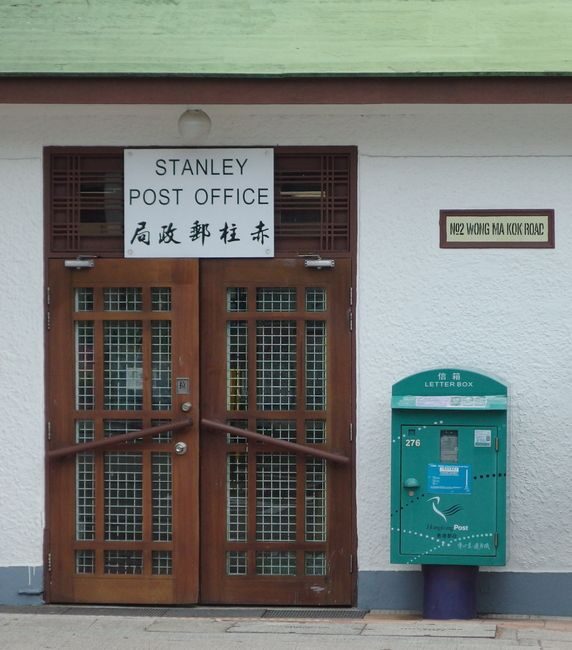
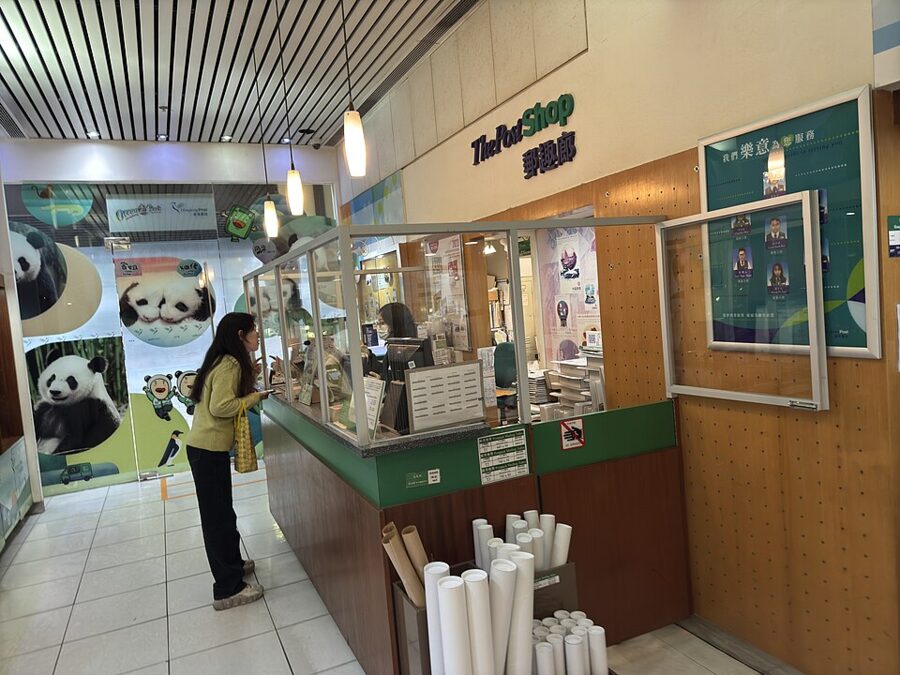
The Post Shop on the ground floor of the General Post Office, 2 Connaught Place, Central, opens Monday to Saturday 10:00–18:00 and sells postal souvenirs, such as the San Tin Post Office designs at HK$58 each or HK$100 for both.

Where to buy, district by district
You can buy almost everything on this list in three areas and the airport. Central and Sheung Wan come first: Ying Kee and G.O.D. in Central, PMQ, LockCha at Tai Kwun, the tram shop in Central Market, the General Post Office, Jenny Bakery on Wing Wo Street and the dried seafood shops along Des Voeux Road West. Allow a full afternoon and walk it.
Kowloon is the second area. Tsim Sha Tsui has the other Jenny Bakery, Hang Heung on Hankow Road and TINY at Miramar. Yau Ma Tei and Jordan have Shanghai Street’s kitchenware and Biu Kee’s mahjong tiles, and Mong Kok has the 80M bus models. Yuet Tung is further out, in Kowloon Bay.
The third area is anywhere with a specialist: North Point for Duck Shing Ho’s egg rolls, Yuen Long for Hang Heung’s flagship, Wan Chai for Ying Kee’s second shop. Do these only if you have a reason to be in the district.
The airport catches everything else. Kee Wah, Hang Heung and G.O.D. all have shops past security that stay open until 23:00, and Kee Wah’s online shop offers free collection at your boarding gate on orders of HK$1,000 or more.
What customs at home will stop
Start with Hong Kong’s own rule. A person aged 16 or over may take no more than 1.8 kg of powdered formula out of Hong Kong without a licence, and only if they have not left Hong Kong in the previous 24 hours. That applies whether you fly, take a cross-border bus into Guangdong or board the train to Beijing at West Kowloon. The Trade and Industry Department’s powdered formula page has the details and the exceptions for travellers with a baby.
Then the country you are flying to. These are the rules as they stand in November 2026; check the official page before you fly.
- United Kingdom. From outside the EU you cannot bring in meat, meat products, milk or milk-based products. Fish products, including dried scallops and shrimp, are allowed up to 20 kg per person. Details are on GOV.UK’s bringing food into Great Britain page.
- United States. Declare all food and agricultural products. Many meats are prohibited, and undeclared prohibited items carry civil penalties of up to US$1,000 for a first offence. See CBP’s agricultural products page.
- Australia. Declare all food on your Incoming Passenger Card; officers inspect it and decide. Declaring costs nothing; not declaring risks a fine. The Australian Border Force food page explains it.
- Taiwan. No pork products, and Hong Kong lap cheong counts. A first offence is fined up to NT$200,000 and a repeat up to NT$1,000,000, and foreign visitors who cannot pay on the spot can be refused entry.
Biscuits, cookies, egg rolls, tea and medicated oils are the safe side of the line almost everywhere, provided you declare them where asked. The things that cause trouble are meat, fresh produce and, for Australia, egg products. One more thing for the airport: knives, cleavers and woks with sharp edges go in checked luggage, and liquids over 100 ml do too.
My short list by budget
These are the souvenirs I would buy at each price point, with prices as listed by the shops in November 2026. Where a shop prices by the piece or by the order, ask at the counter.
| Budget | What to buy | Where | Price |
|---|---|---|---|
| Under HK$100 | “Design Ah!” almond cookie box | Kee Wah | HK$60 |
| Under HK$100 | Five wife cakes in a box | Kee Wah | HK$62 |
| Under HK$100 | A sheet of this year’s special stamps | Any post office | Face value |
| Under HK$100 | Tram fridge magnet | HK Tram Store, Central Market | HK$58 |
| HK$100–300 | 400-gram tin of egg rolls | Kee Wah | From HK$118 |
| HK$100–300 | Hand-rolled egg rolls | Duck Shing Ho, North Point | HK$135–264 |
| Varies | Loose tea in a tin | Ying Kee or LockCha | Varies by tea |
| Varies | Carbon-steel wok or a cleaver | Chan Chi Kee, Shanghai Street | Ask at the counter |
| Made to order | Hand-painted porcelain | Yuet Tung China Works | Ask at the works |
| Made to order | Hand-carved mahjong set or single tiles | Biu Kee, Jordan Road | Ask at the counter |
If I could buy only one thing, it would be the cleaver: it is made for Hong Kong kitchens, nobody at home will have one like it, and it will be in use for twenty years.
And if the afternoon runs out, Kee Wah’s counter past passport control in Terminal 1 is open until 23:00. Buy the egg rolls there, and carry them on board, not in the hold.