

Lose an Octopus card in Hong Kong and the money on it is simply gone. Lose a passport and you lose a morning to a police report room and another to your consulate. Almost every problem a visitor runs into here sits somewhere between those two, and almost all of them have a counter, a form or an app that deals with them, if you know which one.
As of November 2026 the jobs split like this: the Tourism Board for questions, 999 for emergencies, the public hospitals and what they charge you as a non-resident, the lost-property offices, the bodies that take complaints, the Observatory’s warnings and the handful of apps that now do the work of the old tourist apps. On the subject of those: the “HK Travel Buddy” that older guides call an app was always the Hong Kong Tourism Board’s chat service rather than a standalone app, and it is still running, now on WhatsApp, LINE, Facebook Messenger and Instagram as well as a web chat.

In this article
- Where the Tourism Board can help, and where it can't
- Calling 999
- Public hospitals: what A&E costs a visitor
- Lost property, by where you lost it
- Shopping and service disputes
- Typhoon signals and rainstorm warnings
- Heat, haze and the small health stuff
- The apps worth installing
- My short list for a first visit
Where the Tourism Board can help, and where it can’t
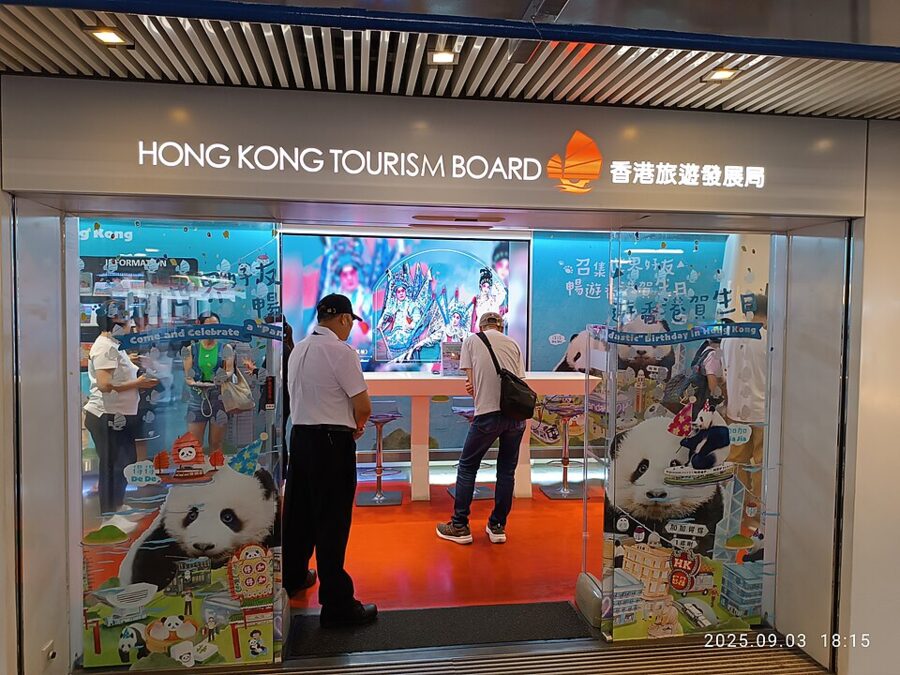
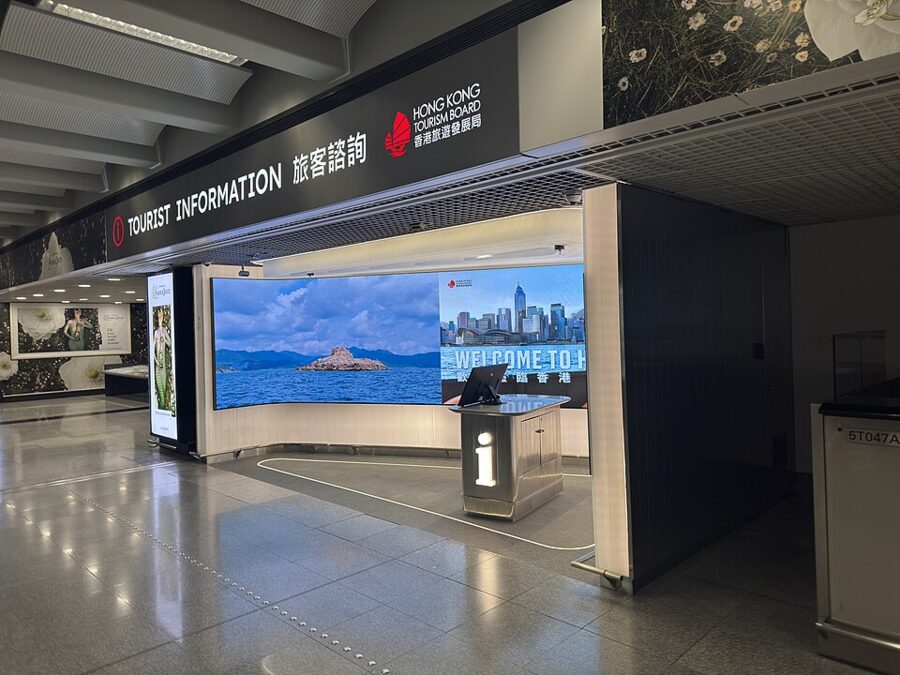
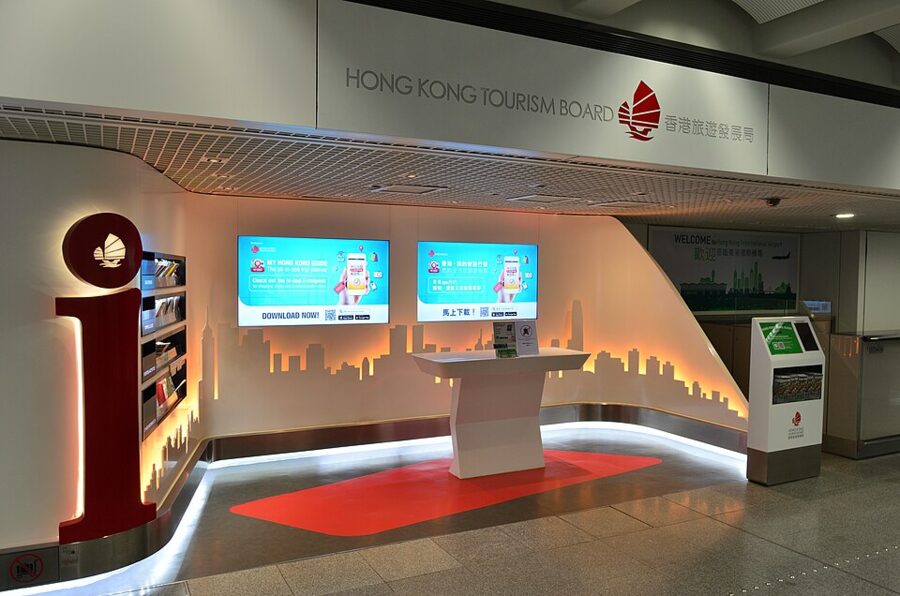
The Hong Kong Tourism Board (香港旅遊發展局) runs the visitor centres, the visitor hotline and the chat service. Its staff and its volunteer “Hong Kong Pals” will plan a route, tell you which exit to take for a market, book selected tours and hand you maps. What they cannot do is act for you: they don’t take police reports, settle a dispute with a shop or replace documents. Think of them as the friend who knows the city and the right office, then go to that office.
The visitor centres
Two are staffed every day with published hours. West Kowloon offers advice and kiosks but no published hours, and the other two are self-service kiosks that get staff only at busy times. These are the locations and hours the Board publishes for November 2026.
| Centre | Where | Hours |
|---|---|---|
| Hong Kong International Airport | Buffer Halls A and B, Arrivals Level, Terminal 1 | 08:00–21:00 daily, staffed |
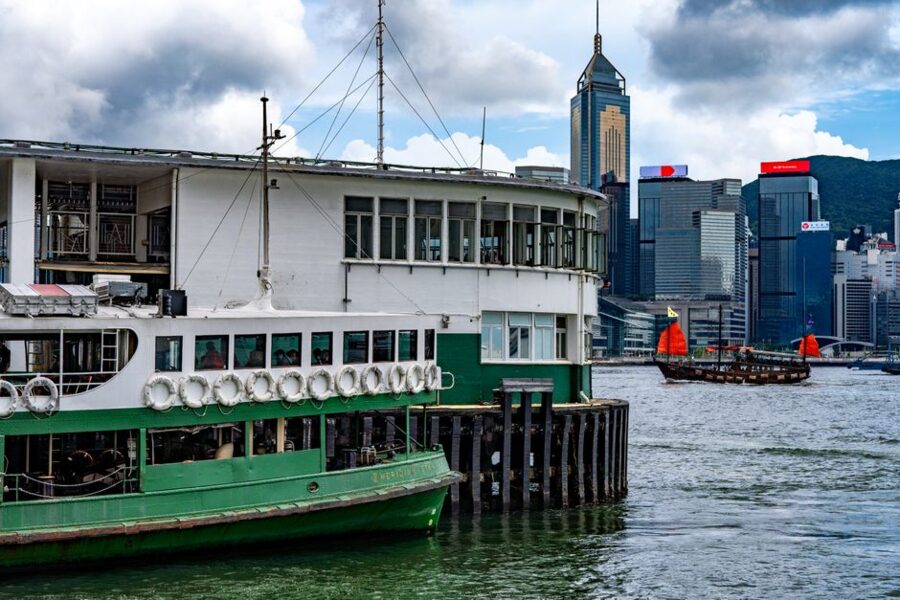
| Kowloon | Star Ferry Concourse, Tsim Sha Tsui | 08:00–20:00 daily, staffed |
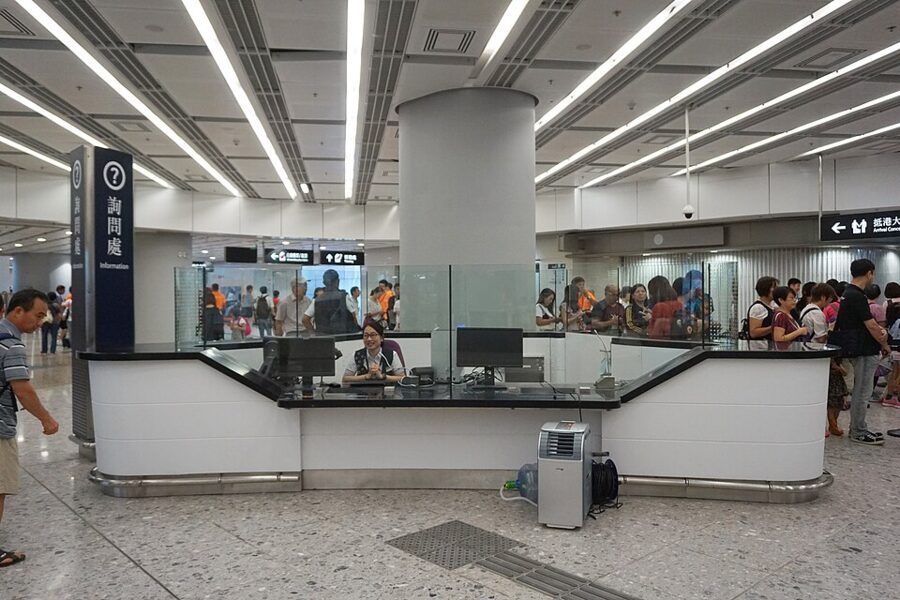
| Hong Kong West Kowloon Station | B2 Level, Arrival Concourse | Kiosks and itinerary advice; no hours published |
| Hong Kong-Zhuhai-Macao Bridge Hong Kong Port | G/F, Passenger Clearance Building | Self-service; staffed on special holidays |
| Convention and Exhibition Centre | Main entrance, HKCEC Phase 1, Wan Chai | Self-service; staffed during major exhibitions |
The Kowloon centre is the useful one. Besides advice, it sells the Tourist Octopus (including a China T-Union version that also works on the mainland), sells the Discover Hong Kong tourist SIM, helps with booking some tours and runs “Meet the Locals” sessions with residents, which need booking ahead. For data, the networks’ own Hong Kong prepaid SIM cards are usually cheaper.

Hong Kong Travel Buddy, then and now
The name has stuck from the Board’s earlier chat service. Today you reach it from the “Contact us” page of the Discover Hong Kong site, either as a browser chat or through WhatsApp, LINE, Facebook Messenger or Instagram. Live agents answer 09:00–18:00 daily, and an AI assistant takes over outside those hours.
I’d use it the way I’d use a well-informed concierge: opening hours, how to get somewhere, whether an event is on. For anything with money or documents at stake, go to the body that can act: the police, the hospital, the Consumer Council. The Board’s visitor hotline keeps the same 09:00–18:00 hours, extended on some holidays, and it is also the place to ask about a shop or restaurant in its QTS scheme.
Calling 999
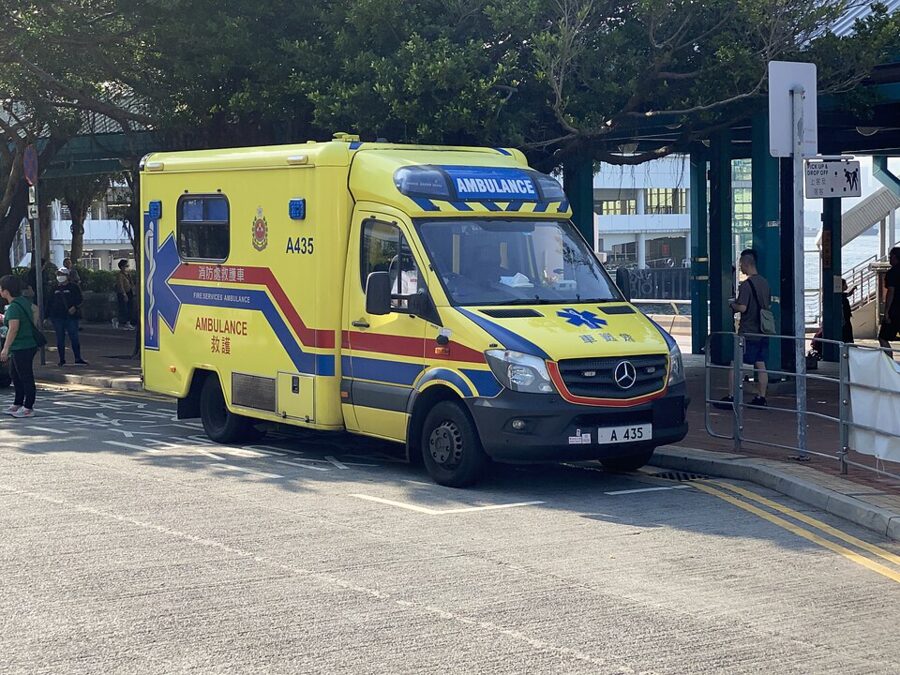
The number for police, fire and ambulance is 999, from any phone. The Hong Kong Police say all 999 operators speak English as well as Cantonese, so speak slowly, say what happened and give the exact place: building name, street, nearest MTR exit. Ambulances are run by the Fire Services Department, which asks callers four things: what happened, where, the patient’s condition, and a number to call you back on.

Two extras are worth knowing. People with a speech or hearing impairment can reach the emergency services by SMS; the details are on the government’s emergency help page for visitors. And if you plan to hike, install the police’s HKSOS app before you go: it connects to the 999 call centre with one press and sends your location, which matters on a trail where you can’t describe where you are.
Mobile coverage in the country parks is patchy, and that is the real reason for HKSOS. In town, a call is quicker than any app.

Police report rooms and the online e-Report Centre
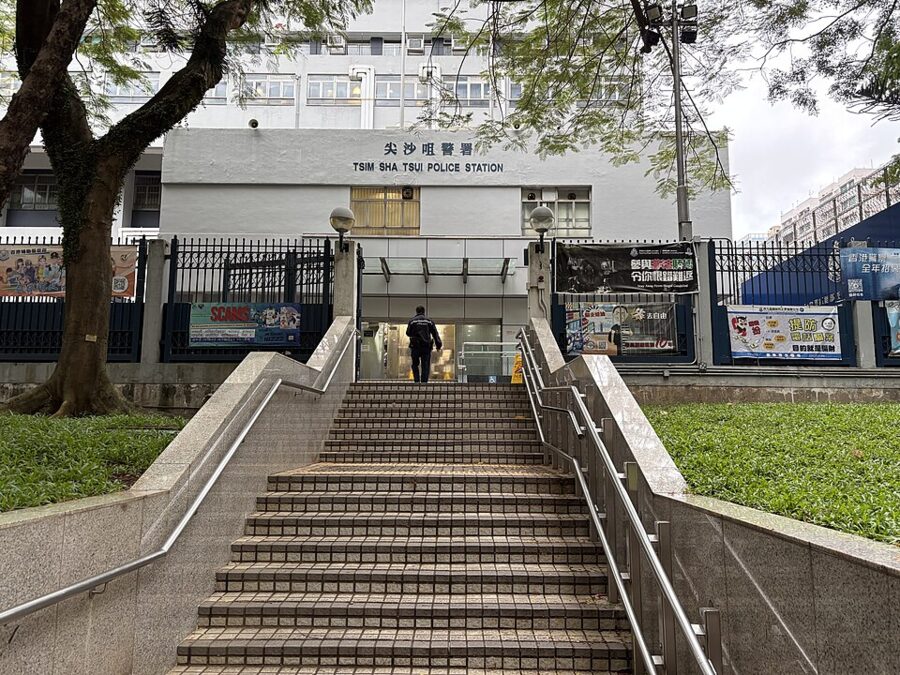
For anything that isn’t an emergency, such as a stolen phone, a lost wallet or a lost passport, you make a report at a police station report room. Many report rooms now have self-service kiosks for lost-property reports, and since 2023 a report about something lost on the MTR can be passed straight to the MTR’s own lost-property system with your consent, which saves a second report.
The police also take lost-property reports online through the e-Report Centre, on the website or the Hong Kong Police Mobile Application launched in August 2025. Since August 2025 you must log in first, either with iAM Smart, which is for residents, or with a police digital-services account. For a visitor that makes the report room the faster route. You can still file a lost-property report online after you have flown home, though the police warn that extra steps follow if the item turns up.
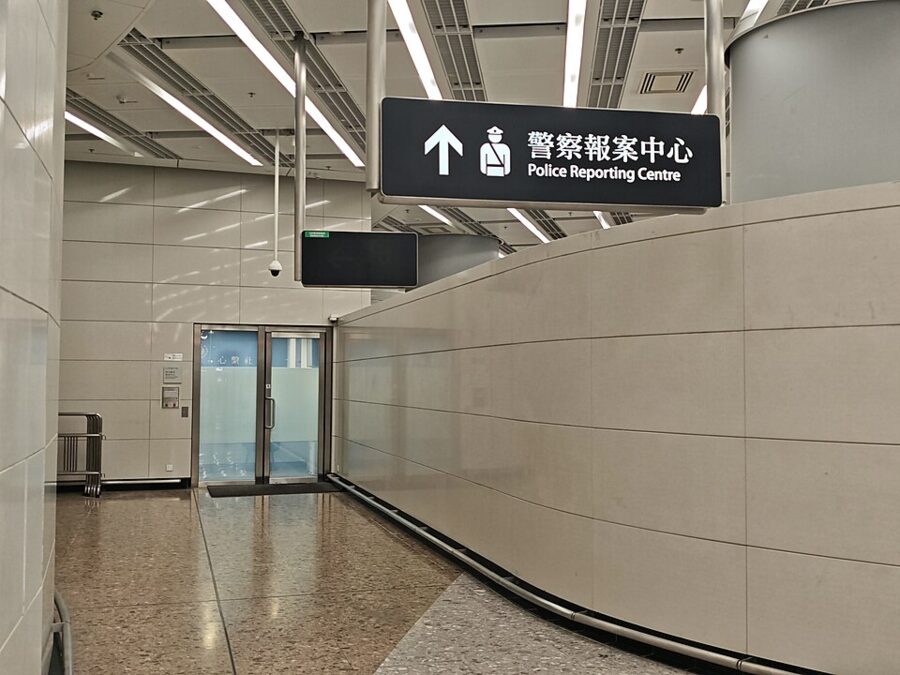

Keep the report reference number. Your insurer will ask for it, and so will your consulate if a passport was involved.
Public hospitals: what A&E costs a visitor
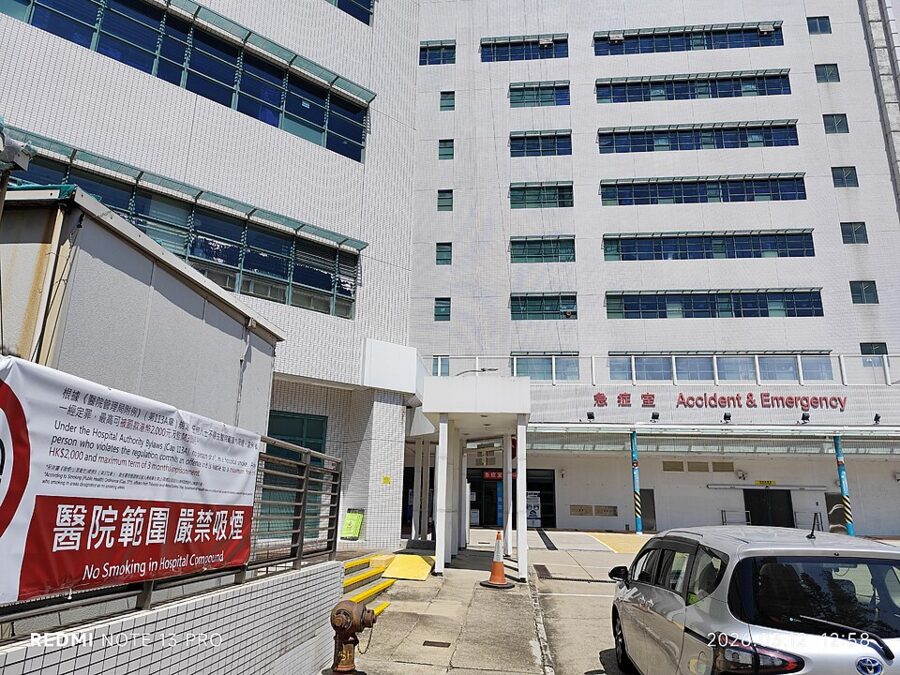
Hong Kong’s public hospitals are run by the Hospital Authority (醫院管理局), and their Accident and Emergency departments treat everyone. What changes is the bill. Under the public healthcare fee reform that took effect on 1 January 2026, an A&E attendance costs HK$2,100 for a non-eligible person. That means you if you are a visitor on a foreign passport, a mainland visitor on an exit-entry permit, or anyone without a Hong Kong identity card.
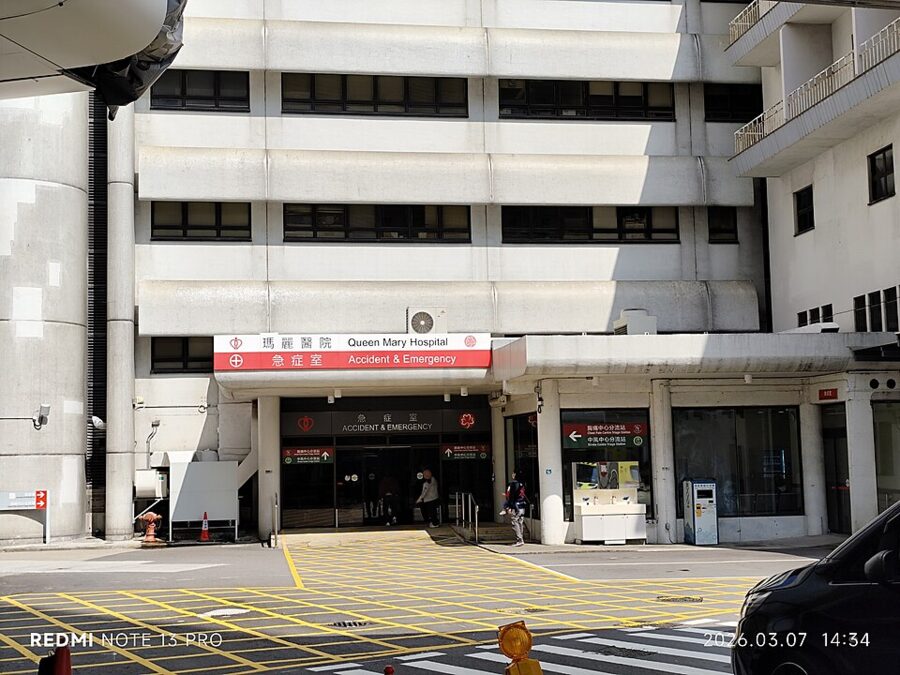
Eligible persons, meaning Hong Kong identity card holders (with some exceptions) and resident children under 11, pay HK$400, and are exempt if triaged as critical or emergency. That exemption does not extend to visitors. Leave before you see a doctor, and you can claim back HK$1,850 of the HK$2,100 within 24 hours of registering.
Triage decides the wait, not the order of arrival. The Authority’s pledge is immediate treatment for critical cases, 95% of emergency cases seen within 15 minutes and 90% of urgent cases within 30. Everyone else waits, sometimes a long time, and the Authority publishes live A&E waiting times by hospital. If you are admitted, the meter changes too.
| Service (public hospitals, from 1 January 2026) | Non-eligible person |
|---|---|
| Accident and Emergency, per attendance | HK$2,100 |
| General ward, per day | HK$7,400 |
| High dependency unit, per day | HK$21,000 |
| Intensive care, per day | HK$35,600 |
| Family medicine clinic, per attendance | HK$500, plus HK$40 per drug item |
| Specialist outpatient, per attendance | HK$850, plus HK$90 per drug item |
Those are the Hospital Authority’s own published fees and charges. Five nights in a general ward is HK$37,000 before anything else, which is the whole argument for travel insurance that covers hospital costs, and for checking it covers hiking if you plan to.
When it isn’t an emergency
A fever, a sprain or a bad stomach does not need A&E. A private general practitioner will usually see you the same day and is often quicker than the public family medicine clinics, which charge visitors HK$500 a visit. Ask your hotel for the nearest clinic.
For medicines, the Tourism Board’s advice is to buy prescription drugs only at a registered pharmacy, which displays the ℞ sign at the shopfront, and only with a valid prescription. The shops that sell cosmetics, snacks and painkillers side by side are fine for paracetamol, not for antibiotics.


Lost property, by where you lost it
The rule that saves most lost things in Hong Kong is speed plus detail. Know the time, the line or route, the direction and, in a taxi, the receipt. After that it depends on where you lost it.
On the MTR
Anything left on a train, a station, the Light Rail or an MTR bus goes into the MTR’s central system. Register the loss online on the MTR lost property page within six weeks, then check the handling status there. The one Lost Property and Concessionary Travel Office is at Admiralty Station, open 08:00–20:00 daily.
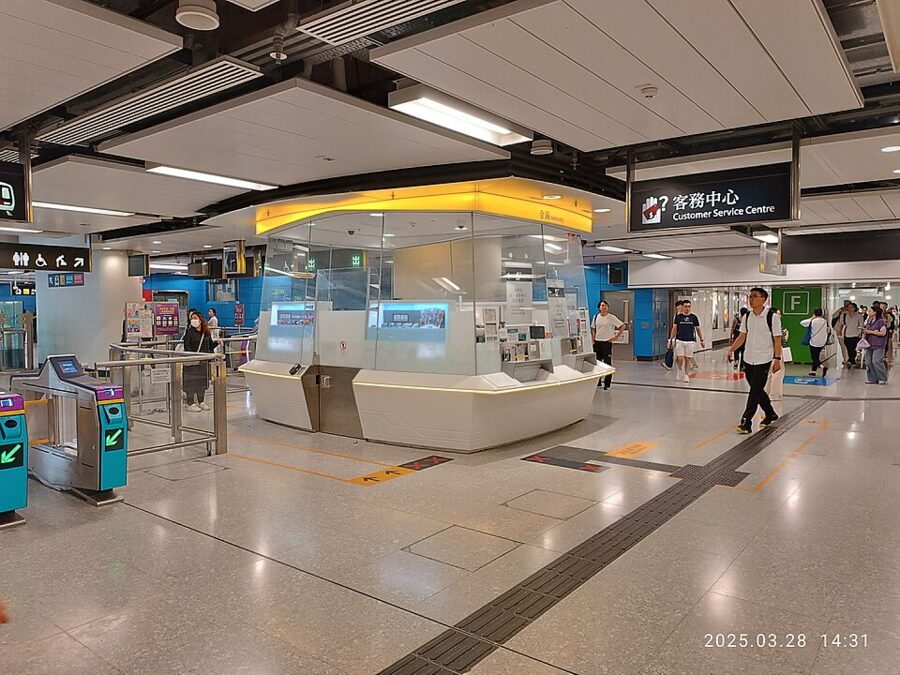
The MTR now offers to deliver verified lost items through SF Express, paid by the receiver, but only to Hong Kong addresses and not for electronics, cash, valuables or tickets. A hotel address works. If your flight leaves before the item is found, ask a friend in town to collect it, or ask the MTR what it can arrange.
In a taxi
Ask for the printed receipt every time; the Transport Department makes refusing one an offence. It carries the taxi’s details, and without them a lost phone is hard to trace. If you do leave something behind, register it with the Road Co-op Lost & Found online service listed on the Transport Department’s taxi page, giving a full description of the item and your contact number, or ask the department for help.
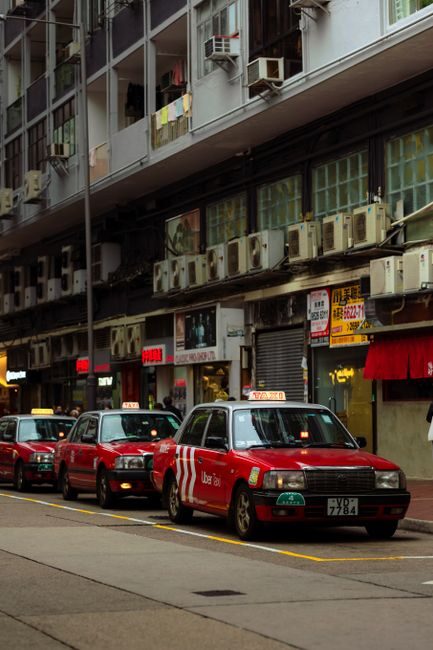
Drivers are bound by the public service vehicle regulations to hand found property in at a police station within six hours, unless the owner claims it first with proof. So if the online registration draws a blank, the police are your next call. The e-payment rule helps here too: a card or wallet payment gives you a record of the time and the fare even without a paper receipt.
On a bus, a ferry or at the airport
Buses and ferries are run by private companies, and each keeps its own lost property, so contact the operator with the route number, direction and time. A card or Octopus payment helps pin down which bus you were on.
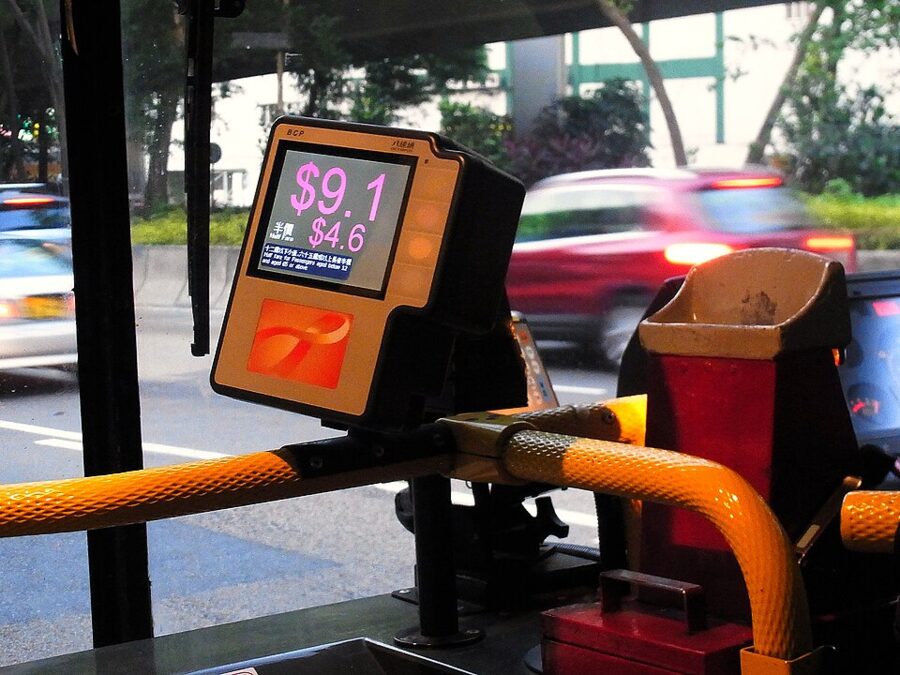

At the airport, the Airport Lost and Found is in Room 5A005 on the Terminal 1 arrival level (L5) and keeps items for up to three months, except perishable food. Anything left on the aircraft, and bags that didn’t arrive, are a matter for the Baggage Enquiry Desk in the reclaim hall and your airline’s handling agent, not the Lost and Found. The details are on the airport’s lost and found page.
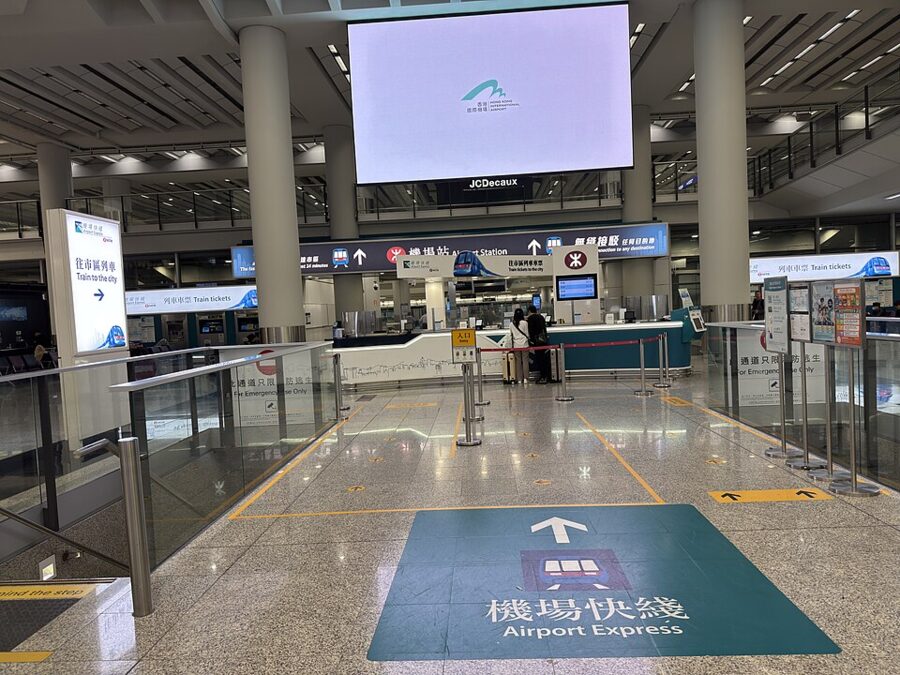

A lost Octopus card
A standard Octopus card is like cash. Octopus will only take loss reports for personalised cards, cards linked to a bank account and cards on automatic top-up, which a visitor rarely has. Lose an ordinary card and the balance goes with it.
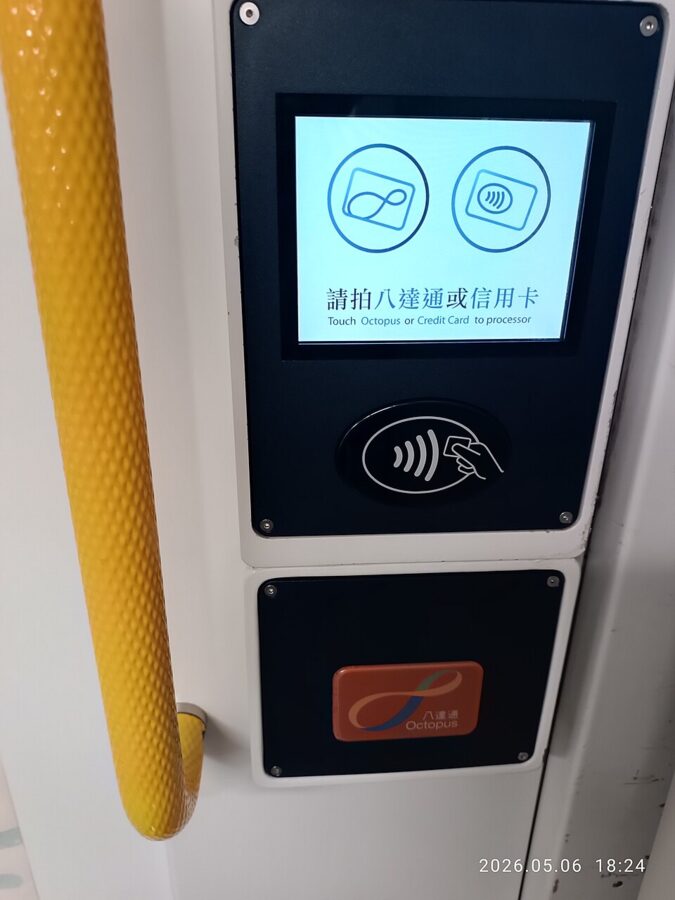
My advice is not to carry a large balance at all. On an iPhone or a Huawei phone, the Octopus App for Tourists adds a Mobile Octopus that you top up with a foreign credit or debit card, and a phone with a passcode is harder to lose money from than a plastic card. Otherwise tap your contactless bank card: the Tourism Board lists contactless bank cards and mobile wallets alongside Octopus and cash as ways to pay for public transport.
A lost passport
This section is for a visitor on a foreign passport. HKSAR passport holders deal with the Immigration Department directly, and mainland visitors with their own authorities.
- Report the loss to the police at the nearest report room and keep the reference number. The Tourism Board and the police both make this the first step.
- Contact your consulate for an emergency travel document or a new passport. The government keeps a list of consulates on its emergency help page linked above.
- Tell your airline early if the new document will not be ready before your flight.
- Watch your limit of stay. If the delay will push you past the date you were given on arrival, apply for an extension before it runs out.
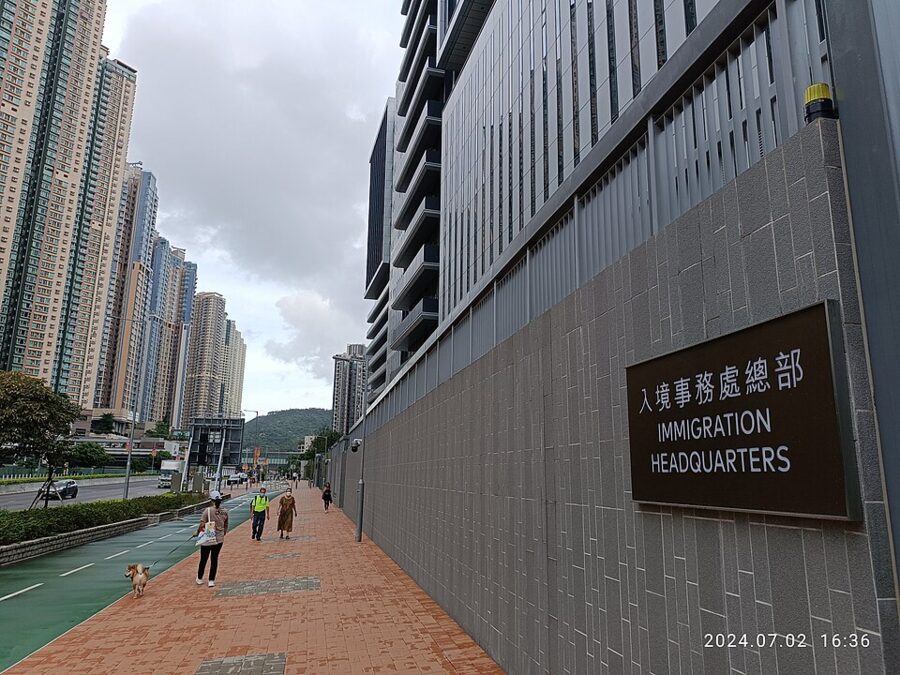
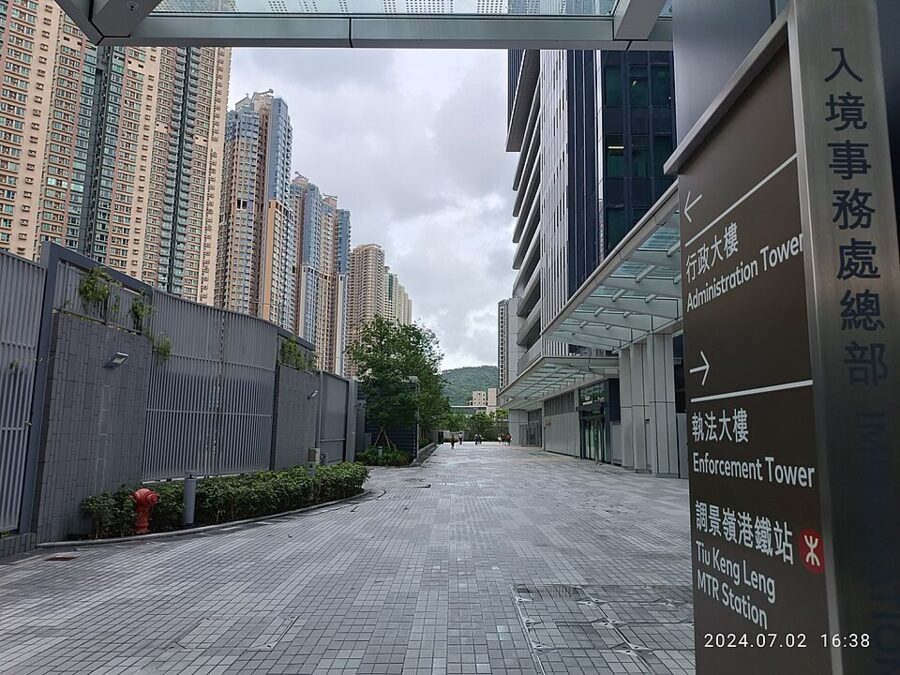
Extensions are handled by the Immigration Department’s Extension Section, 5th Floor, Administration Tower, Immigration Headquarters, 61 Po Yap Road, Tseung Kwan O. It is open 08:45–17:00, Monday to Friday, and closed on weekends and public holidays. The department says in-person applications are normally finalised the same day and online ones the next working day, and that an application is not an approval: you must leave before your limit of stay expires unless the extension is granted. Its visit and transit FAQ sets out the details.
One more thing goes with a lost passport: any visa inside it. If you had planned a side trip and need a new mainland China visa from Hong Kong, apply for it once the new passport is in your hand.
Shopping and service disputes
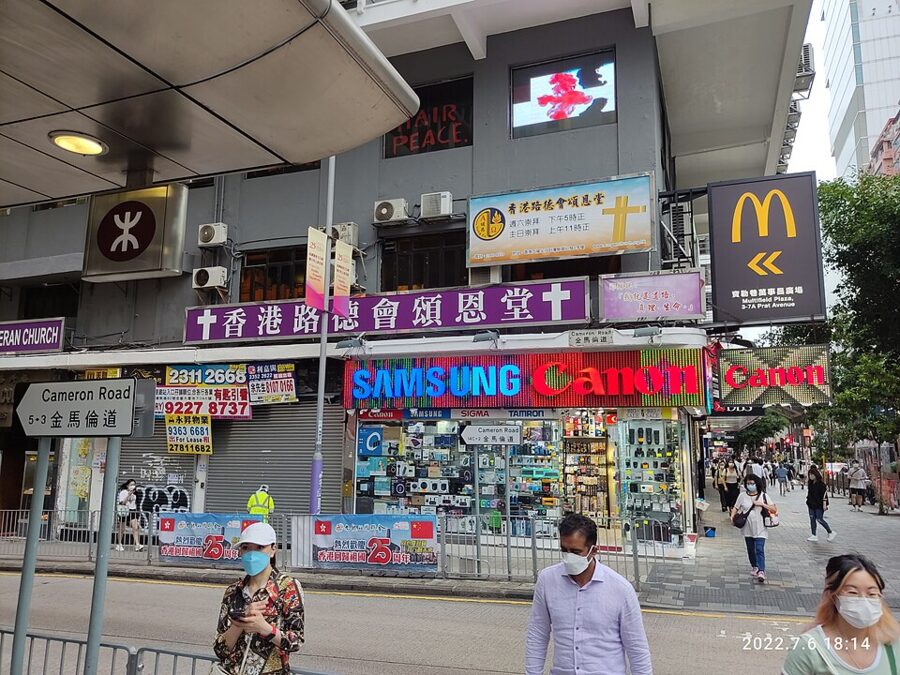
A shopping dispute here is usually about price or description: the camera that turns out to be a lesser model, or the “discount” that wasn’t. The police are blunt about the difference. Paying double what the shop next door charges is a bad deal, not a crime; being told you are buying one model and receiving another is deception, and that is a police matter.

The Consumer Council
For everything short of a crime, the body is the Consumer Council (消費者委員會). Its advice is to try the shop first and complain if that fails, and it then negotiates on your behalf by conciliation. That works, but it is not a court and cannot order a refund.
You can complain through the e-form on the Council’s complaint and enquiry page. The hotline runs Monday to Friday, 09:00–17:30. In person, the Services Centre is at 3 Ashley Road, Tsim Sha Tsui, by appointment, Monday to Friday 09:00–13:00 and 14:00–18:00. The complaint form also comes in Vietnamese, Thai, Indonesian, Tagalog, Hindi, Urdu, Punjabi and Nepali.
Bring the receipt, a photo of the shopfront and the name of whoever served you. The Council points fake goods and short weight to the Customs and Excise Department, and claims under HK$75,000 that conciliation can’t settle to the Small Claims Tribunal.
QTS shops, and tour-group shopping under the Travel Industry Authority
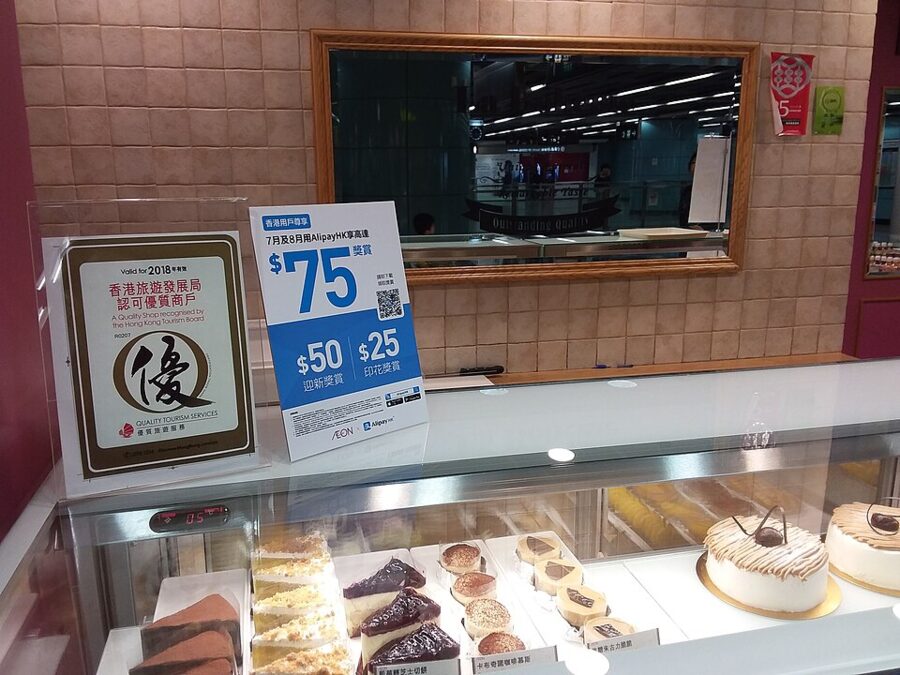
The Quality Tourism Services (QTS) scheme is the Tourism Board’s accreditation for shops, restaurants and guesthouses. Members pass an annual assessment and must display clear prices, give clear product information and serve customers properly. The decal in the window doesn’t guarantee a bargain, but it gives you the Board’s hotline to call if something goes wrong.
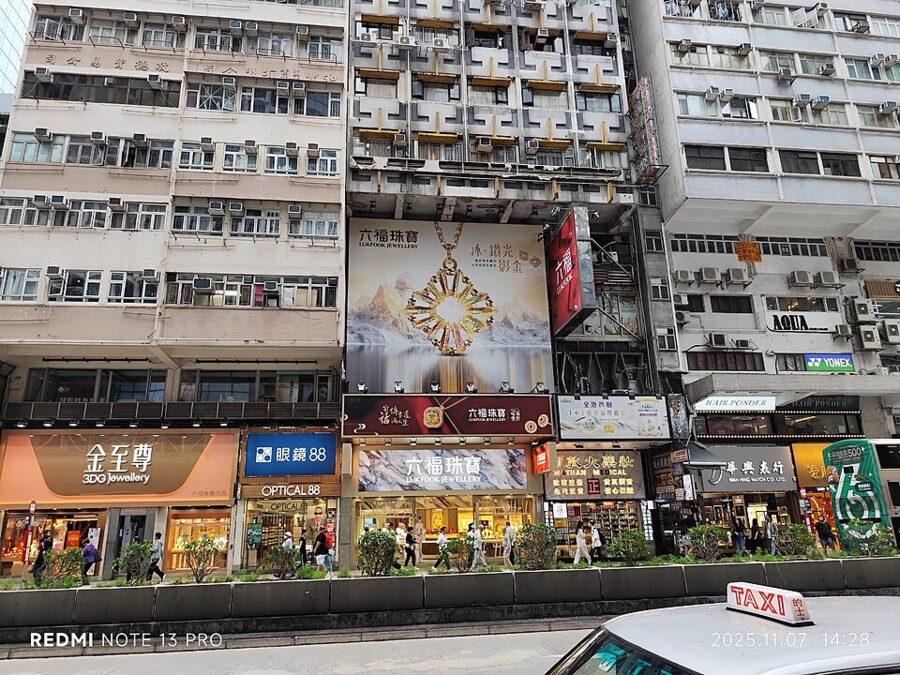
The QTS merchant finder lists members. The decals turn up across Hong Kong’s main shopping districts, from Canton Road malls to Mong Kok shops.

If you are on an inbound tour, a different body applies. Tour shops are registered with the Travel Industry Authority (旅遊業監管局), and each registered shop has undertaken to give a full refund on a sale that meets the refund conditions. The Authority’s rules set the window at six months for mainland tour groups and 14 days for other groups.
The Authority takes complaints about registered shops and licensed agents. It also says plainly that tour members are free to skip optional self-pay activities, and the agent must make arrangements for those who do.
Typhoon signals and rainstorm warnings
Hong Kong’s weather warnings are not advice; they shut the city in stages, and every local knows the numbers. The Hong Kong Observatory (香港天文台) issues them. Typhoon season runs roughly May to November, and the rainy season April to September.
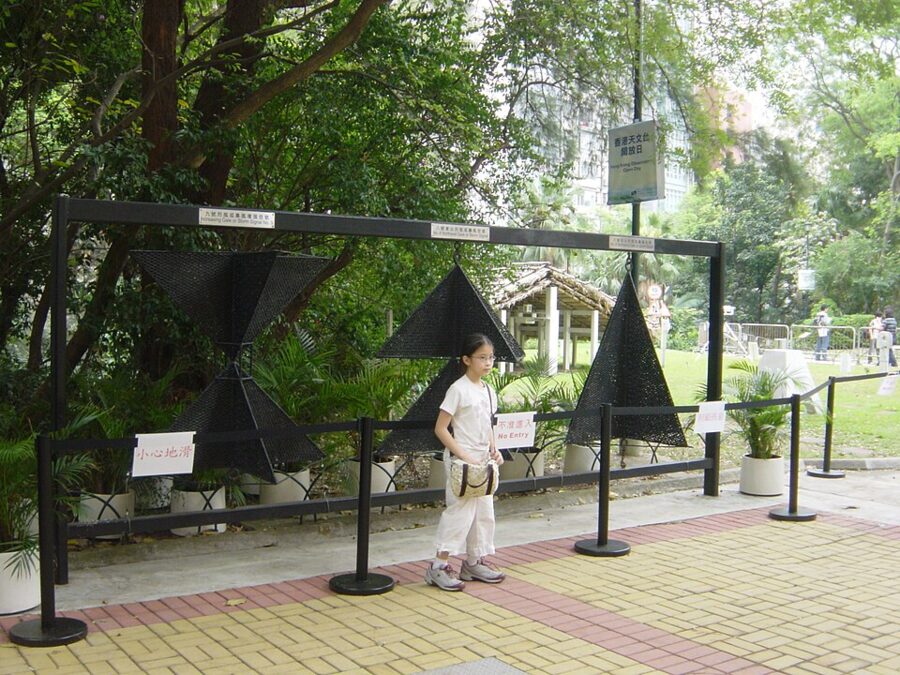

The tropical cyclone signals, as the Observatory defines them:
- No. 1 (Standby): a tropical cyclone is within about 800 km and may affect Hong Kong. Plan around it.
- No. 3 (Strong Wind): sustained winds of 41–62 km/h with gusts that may exceed 110 km/h. Most things keep running, but outdoor plans and boat trips start to get cancelled.
- No. 8 (Gale or Storm): sustained winds of 63–117 km/h from the quarter shown (NE, NW, SE or SW), with gusts that may exceed 180 km/h.
- No. 9: gale or storm force winds increasing significantly.
- No. 10 (Hurricane): sustained winds of 118 km/h or more, with gusts that may exceed 220 km/h.
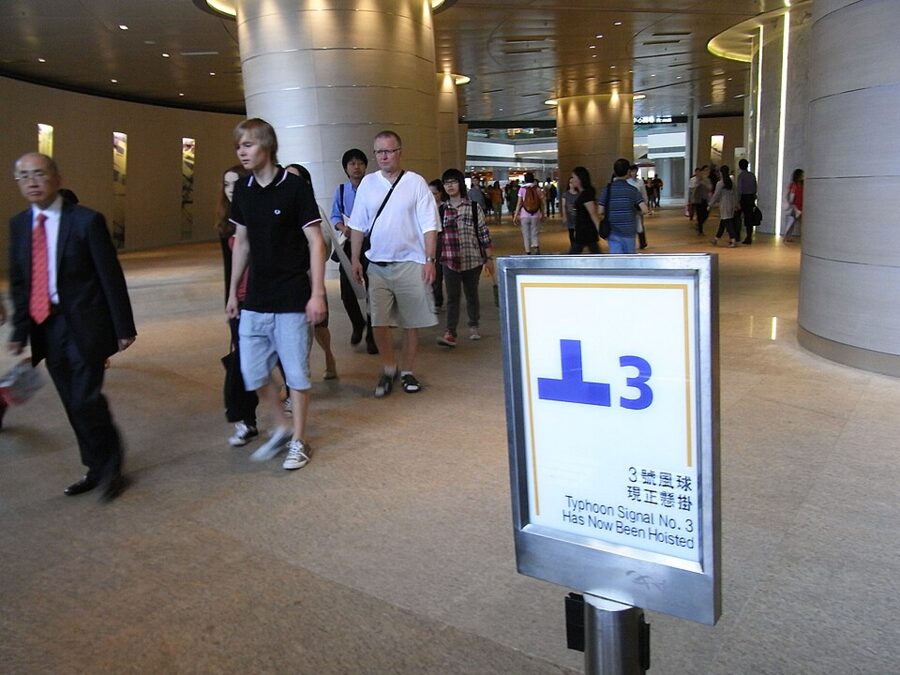

What No. 8 does to your day
No. 8 is the one that matters to a visitor. The Observatory issues a pre-No. 8 special announcement when it expects to raise the signal within two hours, and that announcement is your window. At No. 8 most of the city stops: offices and schools close, many shops and attractions shut, and ferries and buses wind down. Head back to your hotel when the announcement comes, not when the signal goes up.
Stay indoors and away from windows until it is lowered. After a severe storm, the government may also announce “extreme conditions”, which keeps workers at home for a period after the signal comes down, so expect a slow restart. Flights are cancelled or rescheduled by the airlines, so check yours rather than the airport. The MTR’s underground lines usually keep running longest, and MTR Mobile shows line status as it changes.
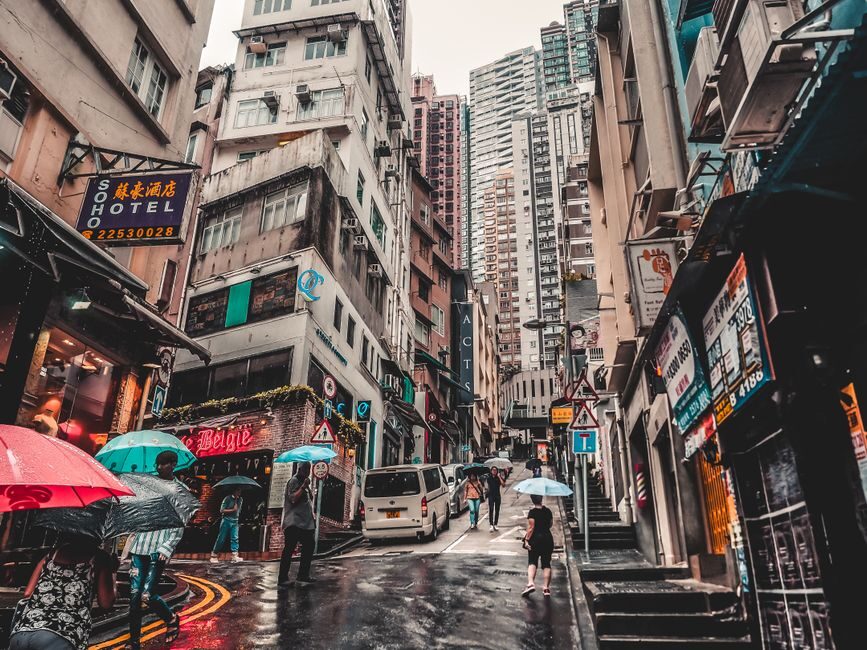
Amber, Red, Black
Rainstorm warnings are separate from typhoon signals and can come with no typhoon at all. Amber means heavy rain of more than 30 mm in an hour, with some flooding in low-lying areas. Red means more than 50 mm, with serious road flooding and traffic congestion likely. Black means more than 70 mm: stay indoors or take shelter somewhere safe until it passes.
The Home Affairs Department opens temporary shelters for people with nowhere to go. The Observatory tries to issue Amber a couple of hours ahead, but Red and Black can come with almost no warning and sometimes skip a step.
The Observatory’s rainstorm warning page spells out each level. In practice a Black turns a hike, a beach or a hillside trip into a bad idea, and a stroll through a flooded underpass into a dangerous one.

Heat, haze and the small health stuff
Summer heat catches visitors out on hikes that look short on a map. The Observatory issues a Very Hot Weather Warning when the heat becomes a risk. On those days, walk early or late, carry more water than seems sensible and use the MTR to skip the uphill stretches.
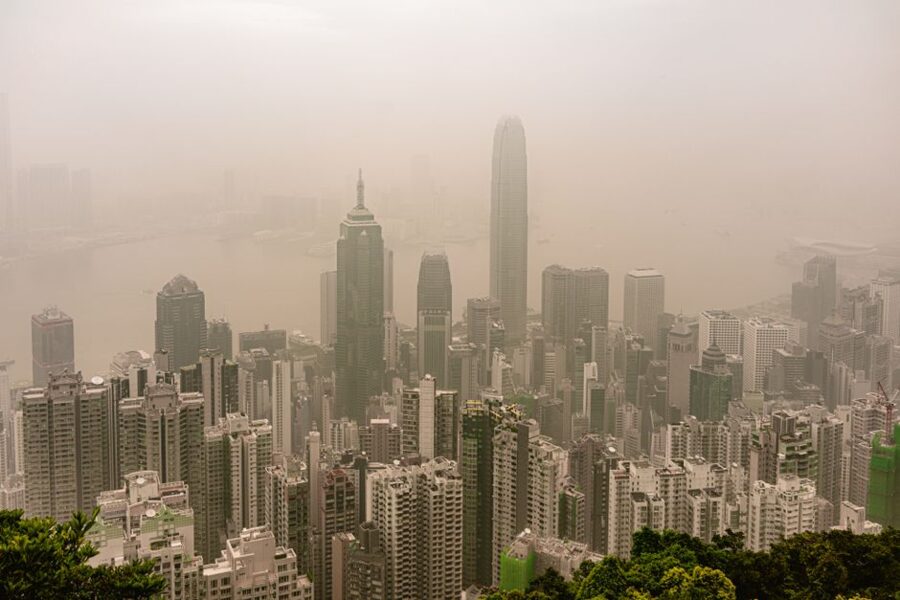
Air quality is measured by the Environmental Protection Department’s Air Quality Health Index, reported hourly at general and roadside stations on a scale of 1 to 10 and 10+, in five health-risk bands. The AQHI site also gives a forecast and advice for children, older people and anyone with heart or breathing problems. If you are in one of those groups, a high reading is a reason to swap a roadside walk for a museum.

A few rules carry fines a visitor can walk into. Littering and spitting carry a fixed HK$3,000 penalty, as does smoking where it is banned, which includes public beaches, swimming pools, escalators and public transport. The Tourism Board also warns that importing or possessing e-cigarettes and heated tobacco products is prohibited. The Tourism Board’s own advice on travel insurance is sound: medical charges for visitors are higher than for residents, so buy cover before you fly.
The apps worth installing
The tourist apps of a decade ago have given way to something better: the operators’ and the government’s own apps, plus the Tourism Board’s chat. The Board’s announced AI trip planner and live travel map were, at the government’s last word in June 2026, still in development. These are the ones I’d put on a phone before landing, all listed on the Tourism Board’s travel apps page.
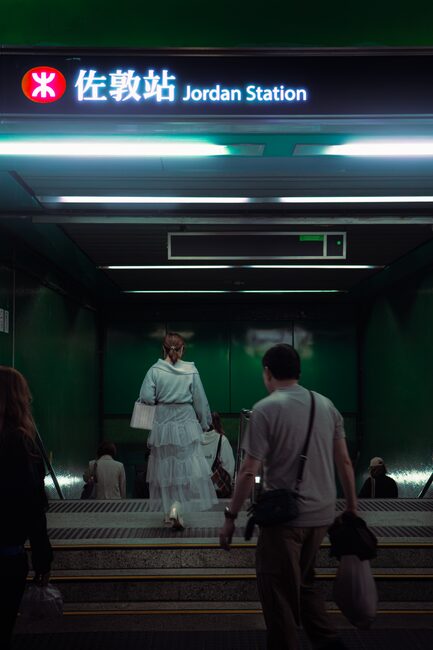
- MTR Mobile: fares, route planning, journey times, interchange platforms and a tourist section.
- MyObservatory: the Observatory’s app, with push alerts for every warning and a location-based rain forecast. This is the one to have on during typhoon season.
- HKeMobility: the Transport Department’s route planner across MTR, bus, minibus and ferry, with real-time traffic news and walking routes, some step-free, in Causeway Bay and Tsim Sha Tsui.
- App1933: KMB’s app for bus and green minibus routes and arrival times. It also sells the 24-hour Tourist Day Pass for more than 450 KMB and Long Win routes.
- Octopus App for Tourists: adds a Mobile Octopus to an iPhone or Huawei phone, topped up with a foreign card.
- My HKG: the Airport Authority’s app for flight status, gate alerts and indoor airport maps.
- HKSOS: the police’s outdoor safety app, linked to the 999 call centre.
- Go Hong Kong: the Immigration Department’s app for pre-arrival e-Channel enrolment. It is for frequent visitors aged 18 or over with at least two airport visits in the past 24 months; once activated the enrolment lasts two years.
- Hong Kong Tramways: real-time arrivals for the trams on Hong Kong Island.
Wi-Fi.HK hotspots cover tourist sights, malls and the visitor centres, but a local data plan is still what keeps these apps working on a trail or in a taxi, which is why I’d sort out a SIM or eSIM before anything else.
My short list for a first visit
- Install MyObservatory, MTR Mobile and HKSOS before you fly, and turn on MyObservatory’s warning alerts.
- Save the Tourism Board’s Travel Buddy chat on WhatsApp or LINE for everyday questions.
- Pay transport with a contactless card or a Mobile Octopus, and keep any plastic Octopus balance low.
- Photograph your passport’s photo page and your arrival slip, and keep a copy somewhere other than your phone.
- Ask for a taxi receipt every time.
- Buy travel insurance that covers hospital costs; A&E alone is HK$2,100.
- Learn the two numbers that matter: 999, and the signal number in the hotel lobby.
Then walk to the Star Ferry concourse on your first evening, find the Tourism Board’s counter, and ask them the one question you couldn’t answer from home. It is the quickest way to learn where everything else on this list is.