

Vietnam’s e-visa costs US$25, the law gives the Immigration Department three working days to issue it, and the check-in counter at Chek Lap Kok will want to see it before it prints your boarding pass. On an HKSAR passport there is no way round it. The whole thing is done on one government website, takes about twenty minutes if your photos are right, and goes wrong in a handful of predictable ways.

Rules here change by government resolution, sometimes with a few days’ notice. Everything below is as it stands in November 2026, with the body that sets each rule and the page to check before you fly.

The short version for an HKSAR passport holder: apply on evisa.gov.vn, pay US$25 (about HK$195) for a single entry or US$50 for multiple entries, apply at least a week before you fly, and print the PDF.
In this article
- Who needs an e-visa, passport by passport
- What the e-visa gives you
- The official portal, and the sites that look like it
- Applying, step by step
- Before you fly from Hong Kong
- Arrival at Tan Son Nhat, Noi Bai and Da Nang
- Land borders, briefly
- Visa on arrival with an approval letter
- Staying longer: extensions and visa runs
- A checklist to print
Who needs an e-visa, passport by passport
Vietnam decides by passport, not by where you live. A Hong Kong permanent resident holding a German passport walks in visa-free; the same person’s spouse on an HKSAR passport needs an e-visa. Sort out which document each person in your party is travelling on before anyone fills in a form.
HKSAR passport
Vietnam is not on the Hong Kong Immigration Department’s visa-free access list for HKSAR passport holders as of November 2026. You need a visa, and for a holiday or a business trip that means the e-visa. The one exception is Phu Quoc, below.
When you upload the data page, the portal reads the machine-readable lines and fills in “China” as your nationality. That is correct. The HKSAR passport carries the code CHN, and the portal’s nationality list has no separate entry for Hong Kong, so leave it as it is.
BN(O) passport
Vietnam’s 45-day visa waiver for the United Kingdom is written for citizens of the UK. A British National (Overseas) passport is a British passport but not a British citizen passport, and the UK government’s own Vietnam entry advice says it covers full British citizen passports only. The e-visa portal’s nationality list has no BN(O) entry either.
My advice: if you hold both, travel on the HKSAR passport with an e-visa and leave the BN(O) at home. If the BN(O) is your only passport, ask the Consulate General of Vietnam in Hong Kong in writing before you book, and keep the reply.

Hong Kong residents on a foreign passport
Many Hong Kong residents travel on a foreign passport, and several of those get into Vietnam without a visa. These are the unilateral waivers in force in November 2026, each for 45 days from the date of entry. Your passport needs six months’ validity for visa-free entry.
| Passport | Visa-free stay | Valid until |
|---|---|---|
| United Kingdom (British citizen), Germany, France, Italy, Spain, Denmark, Sweden, Norway, Finland, Japan, South Korea, Russia | 45 days, any entry purpose | 14 March 2028 (Government Resolution 44/NQ-CP) |
| Belgium, Bulgaria, Croatia, Czech Republic, Hungary, Luxembourg, Netherlands, Poland, Romania, Slovakia, Slovenia, Switzerland | 45 days, tourism | 14 August 2028 (Government Resolution 229/NQ-CP) |
| Most ASEAN passports | 14 to 30 days under bilateral agreements, depending on the country | Check your country’s agreement |
| United States, Canada, Australia, New Zealand, India, Ireland, mainland Chinese passports and most others | None: apply for the e-visa |
If you are on one of the 45-day passports and want to stay longer, the UK government’s advice is to apply for the 90-day e-visa instead of relying on the waiver. A waiver stay cannot simply be topped up at the airport.
Phu Quoc: the island exception
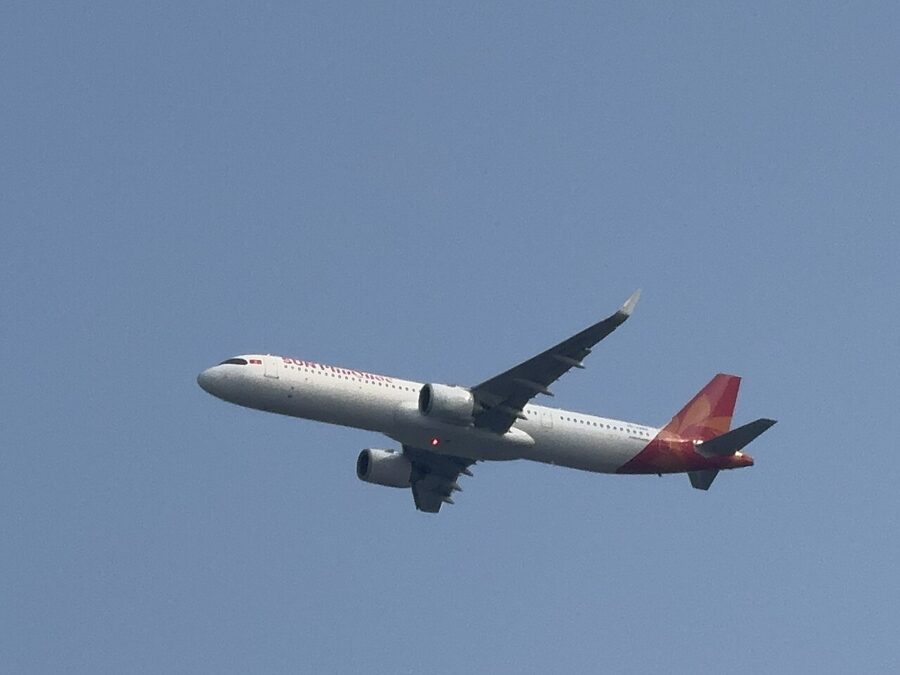
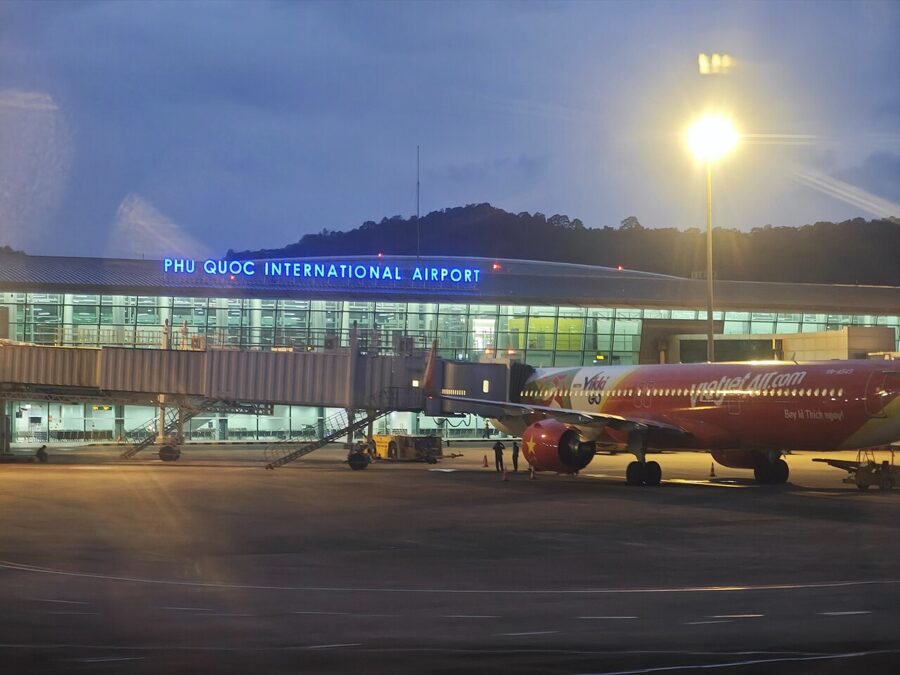
Foreigners of any nationality, HKSAR passport holders included, can stay up to 30 days on Phu Quoc island without a visa if they fly straight in from abroad. Sun PhuQuoc Airways flies direct from Hong Kong, and HK Express and VietJet have also flown the route in the past two years. The exemption covers the island only: the moment you want to carry on to Ho Chi Minh City or anywhere on the mainland, you need the e-visa.


What the e-visa gives you
The e-visa is valid for up to 90 days, single or multiple entry, for any nationality. You choose the dates it runs from and to when you apply, and the whole period has to fall within 90 days of the date it is issued. A single-entry visa ends the moment you leave Vietnam, even if days remain; a multiple-entry visa lets you go in and out within its dates.
The fee
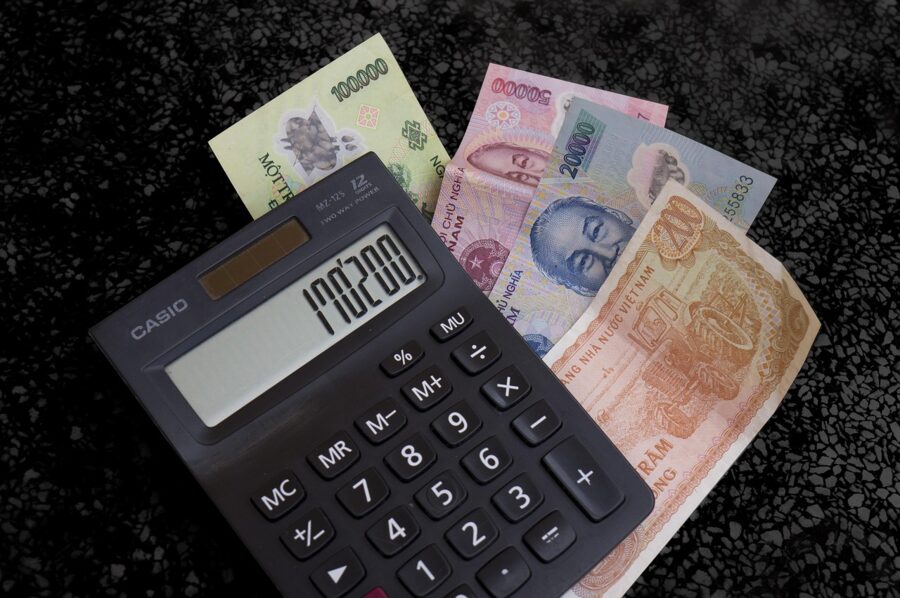
The government fee is US$25 for a single-entry e-visa and US$50 for a multiple-entry one, as stated on the portal in November 2026. Vietnam’s fee schedule was reissued as Ministry of Finance Circular 28/2026/TT-BTC, in force from 1 April 2026, and visa fees for foreigners stay in US dollars, starting at US$25 for a single entry. The fee is not refunded if the visa is refused, or if you made a mistake and have to apply again.
Take the multiple-entry visa if there is any chance you’ll pop over to Cambodia or Laos and come back, or fly home in the middle of a long stay. The extra US$25 (about HK$195) is far cheaper than a second application and a second wait.
Processing time, and the working-day trap
The law gives the Immigration Department three working days from a complete application and payment. Working days are Monday to Friday in Vietnam, so an application filed on a Thursday evening can run to the following Tuesday. Public holidays stop the clock entirely.
The holidays catch people out. Vietnam Culture Day, 24 November, became a public holiday in 2026; the Lunar New Year holiday around 6 February 2027 closes government offices for several days; and the 30 April and 1 May holidays sit back to back. If you fly within a week of any of these, apply two weeks ahead.

The border gates it works at
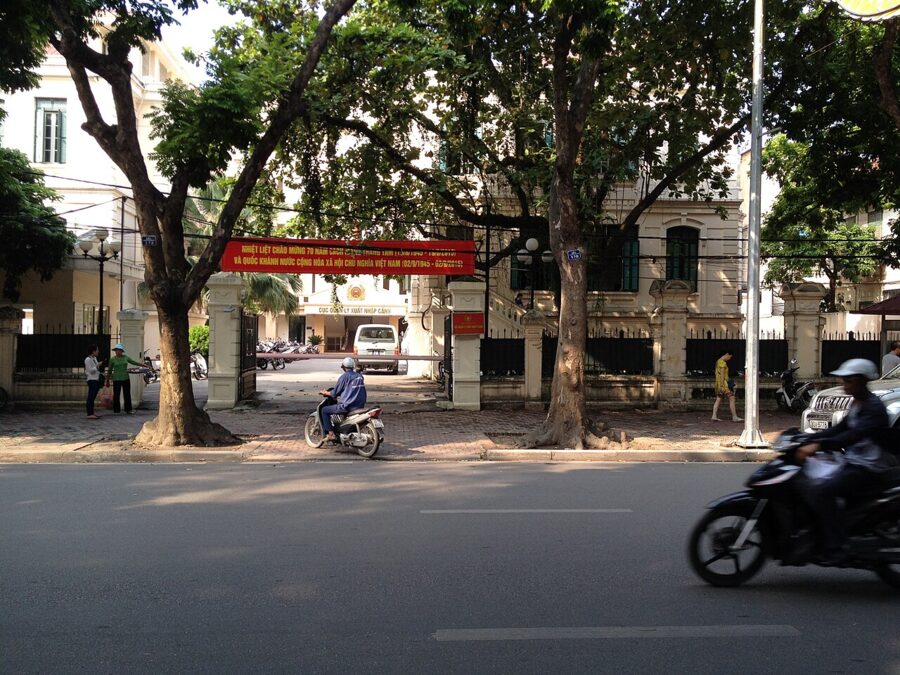
An e-visa holder must enter and leave Vietnam through an international border gate on the government’s list. You name your entry gate and exit gate on the form, and the UK government’s guidance describes the e-visa as restricting you to the points you select, so choose them to match your tickets. The list was set at 42 gates in August 2023 under Government Resolution 127/NQ-CP, and Resolution 389/NQ-CP of 2 December 2025 added 41 more.
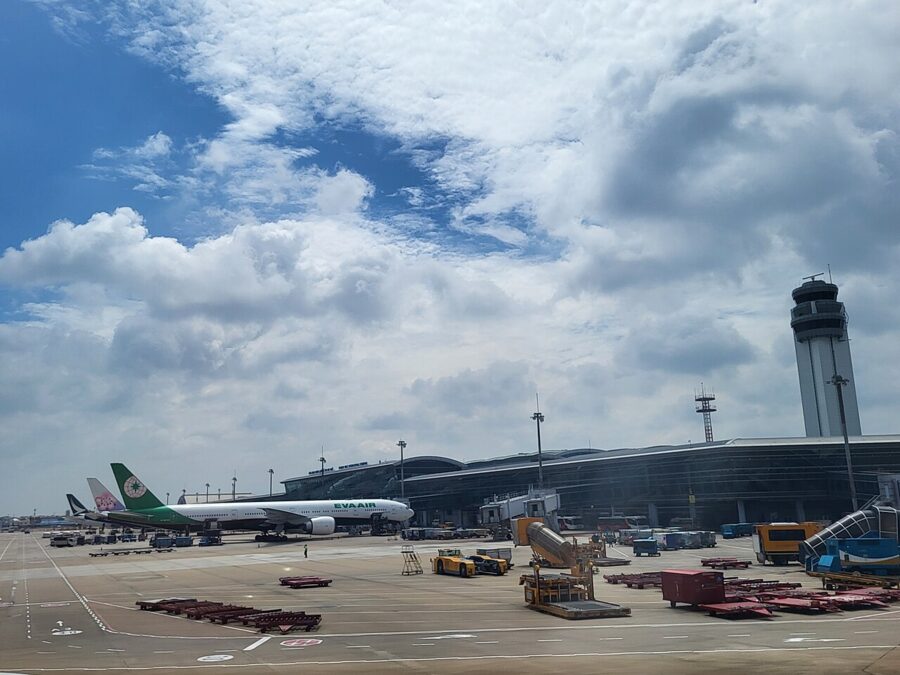
The main international airports are all on it: Tan Son Nhat (Ho Chi Minh City), Noi Bai (Hanoi), Da Nang, Cam Ranh (Nha Trang), Phu Quoc, Cat Bi (Hai Phong) and Phu Bai (Hue), with Can Tho, Van Don, Vinh, Chu Lai, Dong Hoi, Phu Cat and Lien Khuong as well. Long Thanh, the new airport east of Ho Chi Minh City, is on the list from the day it opens, but it was not yet in the portal’s drop-down in November 2026. The land crossings to China, Laos and Cambodia that travellers actually use are listed too.
The official portal, and the sites that look like it
There is one government application site. Since 08:00 on 11 November 2024 it has run on two addresses, evisa.gov.vn and thithucdientu.gov.vn; the older evisa.xuatnhapcanh.gov.vn address now carries a notice sending you there. Type the address yourself. Searching for “Vietnam e-visa” puts paid adverts for private agencies above the real thing.
How to tell them apart
Read the address bar from the right. The site’s name must end in exactly .gov.vn before the first slash; anything else is a private company, however official the logo, the red-and-yellow colours or the words “Vietnam Immigration” look. A padlock only means the connection is encrypted.
The official portal states the fee as US$25 or US$50, with no “processing fee” or “service fee” added on top and no countdown timer urging you to pay. If a page asks for US$50 to US$100 for a single-entry visa, you are on an agency.

What agencies charge, and when one is worth it
Agencies are legal, and some are useful. They fill in the same government form for you, pay the same government fee, and charge on top. Totals advertised in November 2026 ran from about US$50 for normal speed to well over US$200 for same-day or weekend service. Vietnam’s Immigration Department publishes no list of approved agents, and no agency can promise the outcome: the department decides.
I’d pay an agency in three situations. Your flight is less than three working days away; your application came back marked for amendment and you can’t work out why; or you need a visa over a weekend or a public holiday. Otherwise the portal is cheaper and quicker than it looks, and your passport scan goes to one place instead of two.
Whichever route you take, check the result yourself on the portal’s search page with your application number, email and date of birth. A PDF that the government site can’t find is not a visa.
Applying, step by step
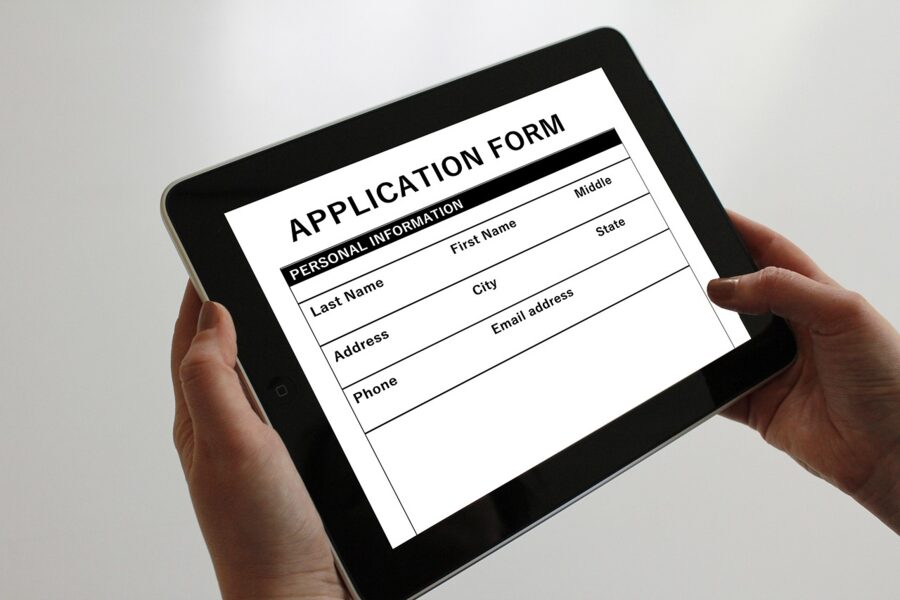
The portal runs in English, Chinese, Japanese and Vietnamese. Have these ready before you open it: your passport, a portrait photo file, a scan or photo of the passport data page, a card that works for online payments, your flight dates, and the address of your first hotel.
- Open evisa.gov.vn and choose the e-visa application for foreigners applying themselves.
- Upload the portrait photo and the passport data page. The system reads the passport and fills in your personal details.
- Check every auto-filled field against the passport and correct anything it misread.
- Fill in the trip details: entry date, the dates the e-visa should run, single or multiple entry, entry and exit gates, purpose, and your address in Vietnam.
- Tick the declaration, enter the captcha and confirm. Write down the e-visa application number shown on screen.
- Pay by card through the payment gateway and complete your bank’s one-time code.
- Wait for the email, or check the status on the portal with the application number, your email and date of birth.
- Download the e-visa PDF, check it line by line, and print it.
The photo and the passport page
The portrait must be recent, 4 × 6 cm, a JPG or JPEG under 2 MB, facing straight at the camera, with no hat and no glasses, in tidy clothes, against a white background. Any Hong Kong photo studio can shoot it at 4 × 6 cm on white and send you the file.
The passport upload is one image of the data page only, with nothing cut off at the corners and the two lines of letters and chevrons along the bottom fully readable. Take it in daylight with the passport flat, and avoid glare across the laminated photo.
The portal compares the two faces automatically and warns you on screen when something is off. The warnings to take seriously are a low match between the portrait and the passport photo, a face not looking straight ahead, no readable machine-readable zone, an image below the required resolution, and a portrait that looks photographed from another photo. Each one can get the application rejected, and the fee goes with it. Retake and re-upload rather than clicking through.
The fields people get wrong
- Name. Copy it exactly as on the data page, surname then given names, with no Chinese characters and no Christian name that isn’t in the passport.
- Passport number. HKSAR passport numbers start with a letter. A letter O typed as a zero, or the other way round, produces a visa for a passport that doesn’t exist.
- Dates. The portal uses DD/MM/YYYY. Check your date of birth and the passport’s expiry date after the auto-fill, because a swapped day and month is a common error.
- Entry date and validity. The visa can start on or before your arrival date but not after it. Give yourself a day either side in case a flight moves.
- Entry and exit gates. Pick the airport you actually land at. Flying into Hanoi on an e-visa that names Tan Son Nhat is a conversation you don’t want at 23:00.
- Address in Vietnam. Your first hotel’s full address, with the city and province chosen from the list.
- Children. The section for children under 14 is only for children included in a parent’s passport. A Hong Kong child has their own HKSAR passport and needs their own application.
- Email. It is typed twice for a reason. The result and the link to the PDF go there, and nowhere else.
The form also asks about your occupation, religion, permanent and current addresses, an emergency contact, any other passports you hold, whether you have been to Vietnam in the past year, relatives in Vietnam, your intended expenses in US dollars, who pays for the trip, whether you have insurance, and any past breaches of Vietnamese law. Answer plainly. A past violation can lead to refusal, so don’t leave it blank if it applies.
Paying
Payment goes through the Vietcombank e-payment gateway that the portal sends you to. Have a credit or debit card ready and your phone to hand for the one-time code from your bank. If the payment fails, the application sits unpaid; go back in through the search page with your application number and pay from there rather than filing a second application.
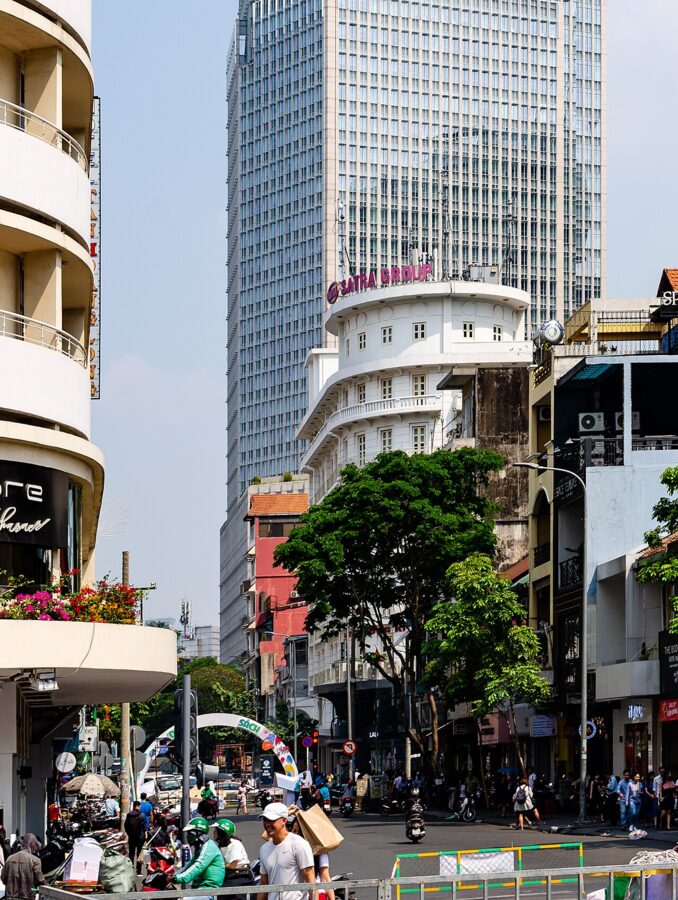

Tracking and the approval PDF
The status page shows whether the application is still processing, has been granted, or needs amendment. An application marked for amendment means the department wants something corrected or supplied, usually a photo; read the note, fix it, and resubmit from the same record.
When the e-visa is granted, download the PDF and check it against your passport before you close the page: full name, date of birth, nationality, passport number, the dates it is valid from and to, single or multiple entry, and the entry gate. A mistake on the visa is a mistake at the border, and correcting it usually means a new application and a new fee.
Before you fly from Hong Kong
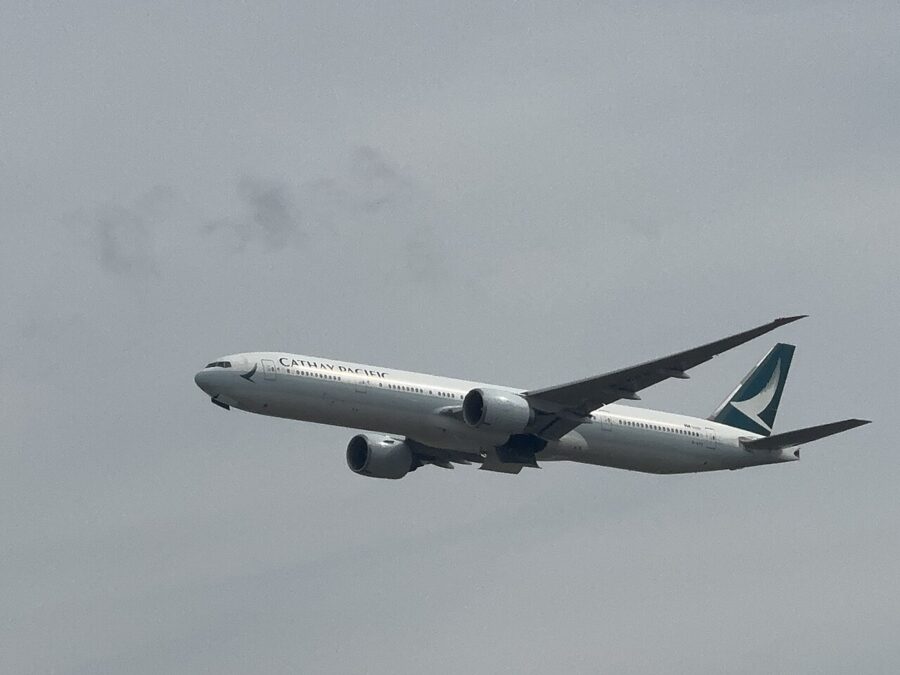
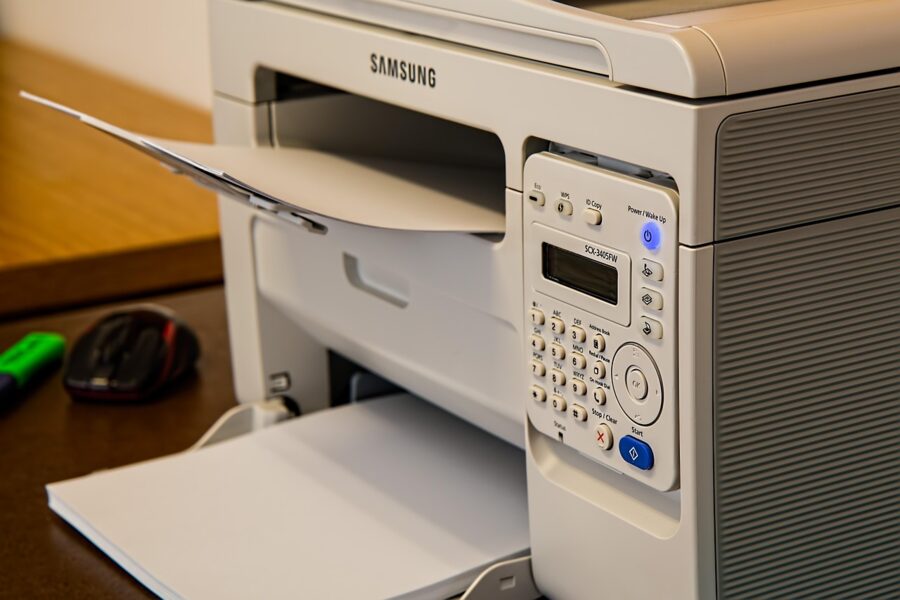
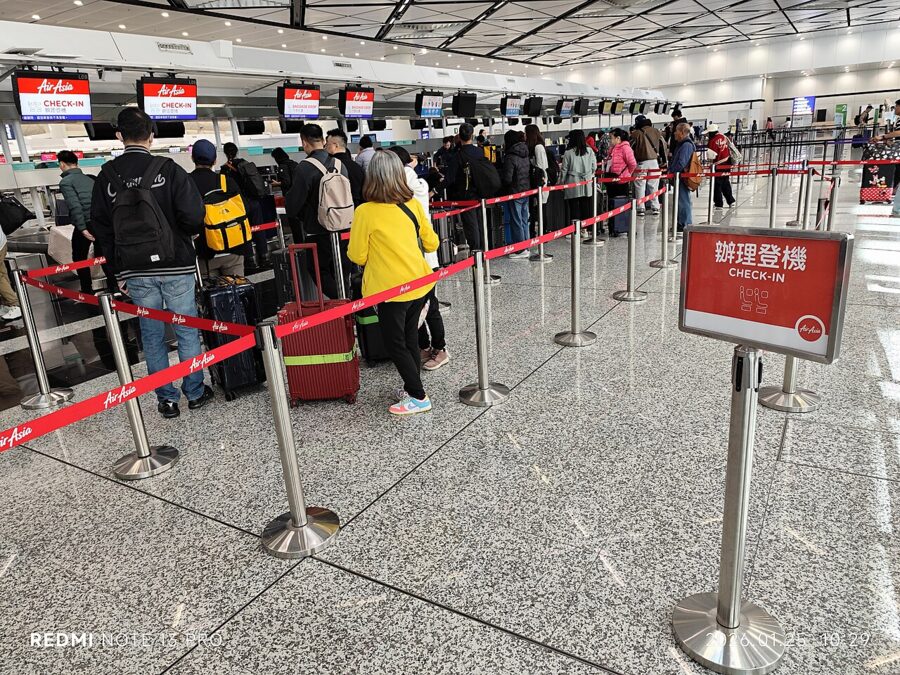
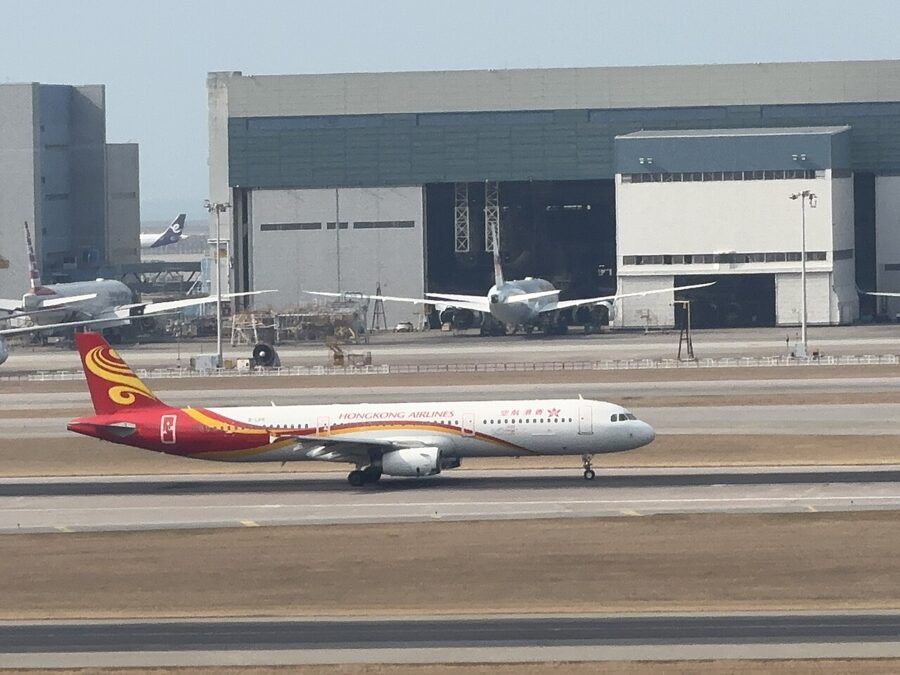
Cathay Pacific flies from Hong Kong to Hanoi and Ho Chi Minh City, and Sun PhuQuoc Airways to Phu Quoc; Hong Kong Airlines, HK Express, Vietnam Airlines and VietJet have also flown from Chek Lap Kok to Vietnam in the past two years, so check the current timetable when you book. Whichever you take, the check-in agent will look for the e-visa or a visa-free passport before printing a boarding pass. Have the printout in your hand, not buried in a bag.

Fill in the pre-arrival declaration before you leave home. Since 15 April 2026 the Immigration Department has asked foreign arrivals at Tan Son Nhat to give their passport, visa and flight details at prearrival.immigration.gov.vn within three days before entry, and to show the QR code it produces at the immigration desk. The site works in Chinese as well as English.
The department described this as a pilot, not yet compulsory, in May 2026, and said it would extend the system nationwide; the UK government’s November 2026 advice still calls it encouraged rather than mandatory. Do it anyway, whichever airport you land at. It takes a few minutes, and there are QR codes posted in the arrivals hall if you forget, but filling it in on the jet bridge with a queue building is the slow way.
Check your passport’s expiry date before you apply, not after. Work to six months’ validity from arrival, as Vietnam’s visa-free rules and the UK government’s advice do, because the e-visa is tied to the passport number: renew first if you are close, then apply.
Arrival at Tan Son Nhat, Noi Bai and Da Nang
At all three airports the order is the same: off the aircraft, follow the Immigration (Nhập cảnh) signs to passport control, queue in a lane for foreign passports, then baggage reclaim and customs. The automated gates are mainly for Vietnamese passport holders; with an e-visa, plan on a staffed desk.
What the officer checks
Hand over the passport with the printed e-visa and, at Tan Son Nhat, the QR code from the pre-arrival declaration on your phone. The officer checks the passport against the e-visa record, looks at your face against both photos, and stamps the passport with the date of entry. Before you walk away, look at the stamp and make sure the date is today’s and the visa details match.
Questions are rare for a tourist with a matching e-visa, but have your return flight and first hotel booking on your phone in case you’re asked. Don’t photograph the desks or the officers.
Tan Son Nhat, Ho Chi Minh City
International flights use Terminal 2, the building with the immigration hall you want. Terminal 3, next door, is the newer domestic terminal.
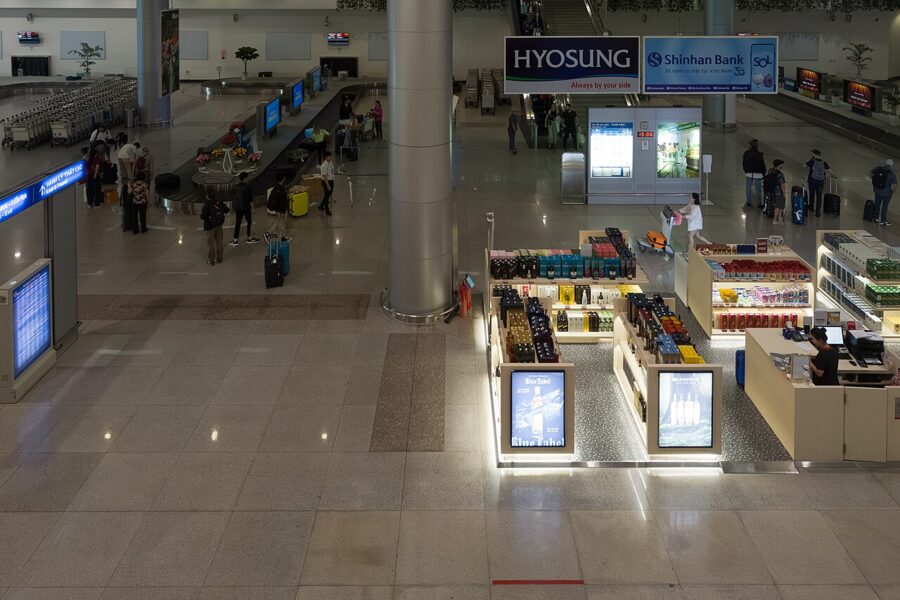

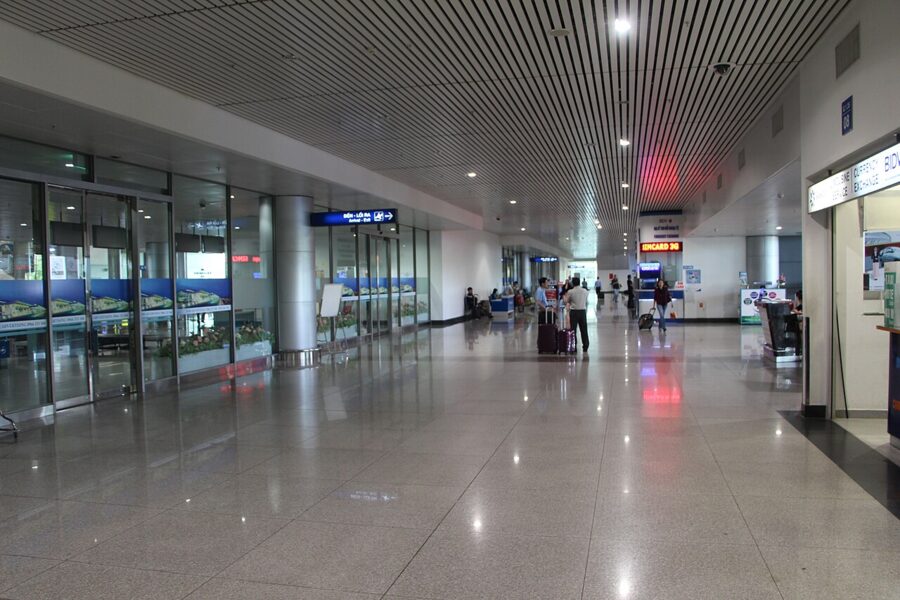

If you are connecting to a domestic flight in Ho Chi Minh City or Hanoi, you clear immigration on arrival even if your final destination is another country, as the UK government’s guidance spells out. Your e-visa’s entry gate is the first airport you land at, not the one you end up in.

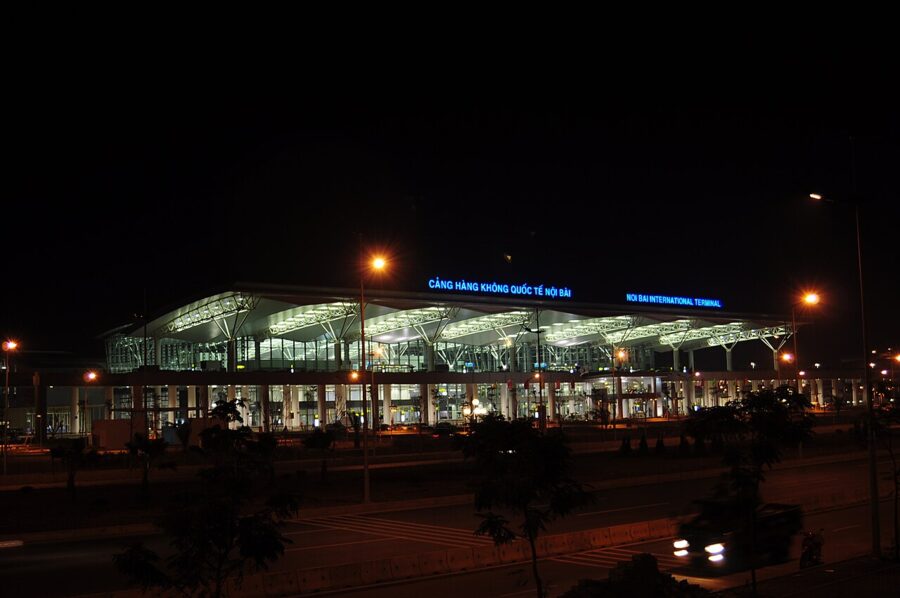
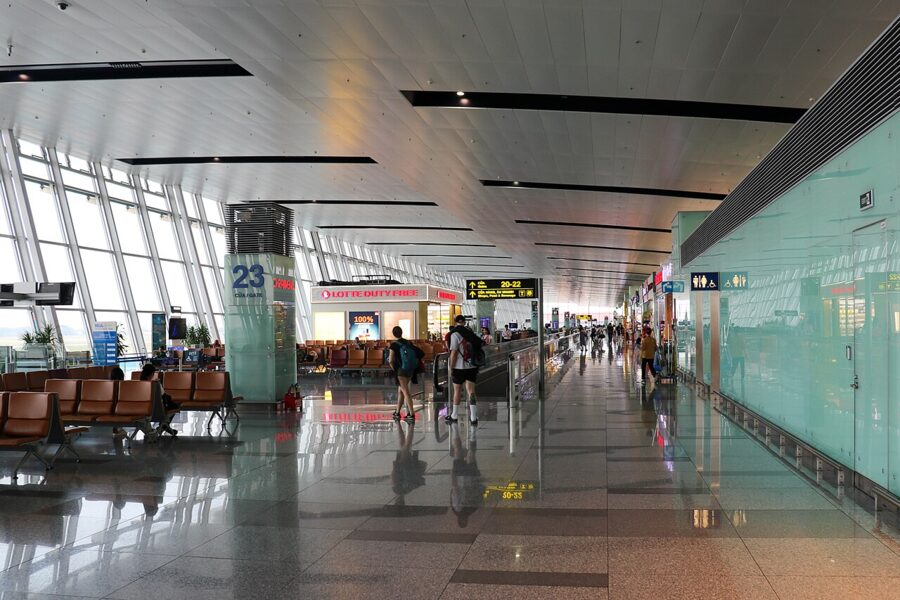
Noi Bai, Hanoi
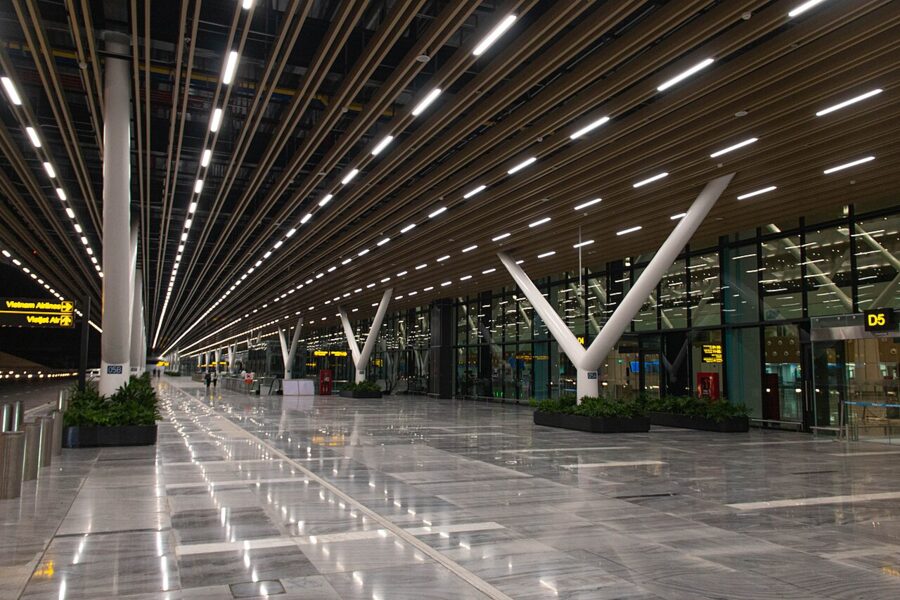
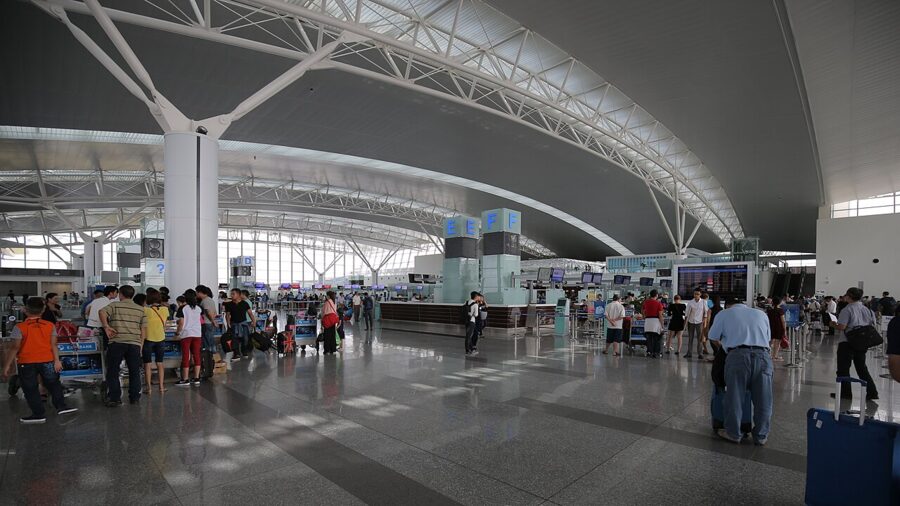
International flights use Terminal 2, a separate building from the domestic Terminal 1, so a connection to a domestic flight means clearing immigration, collecting your bags and moving between terminals. The procedure at the desk is the same as in Ho Chi Minh City.


Da Nang
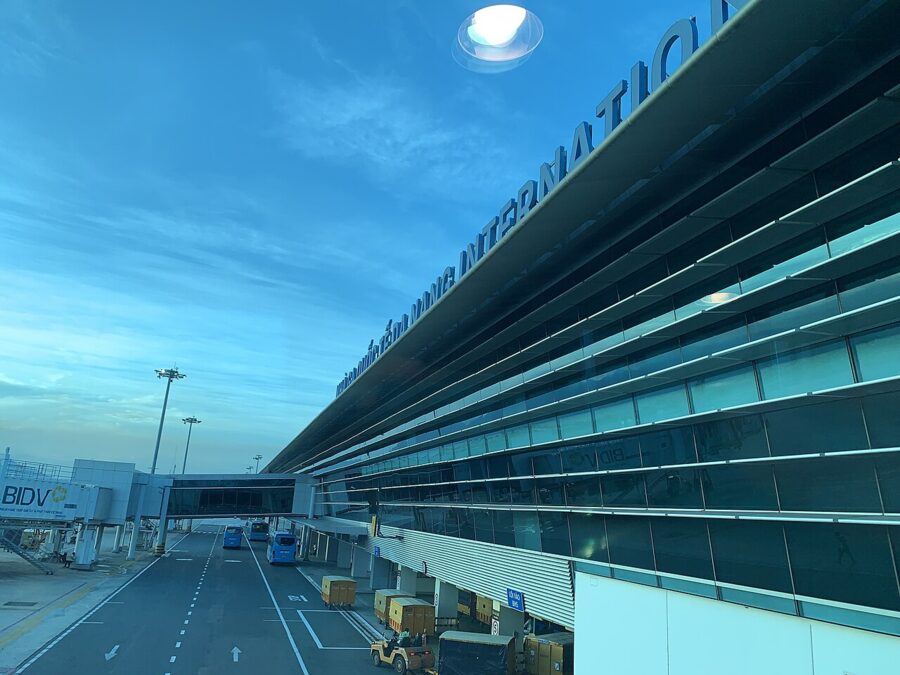
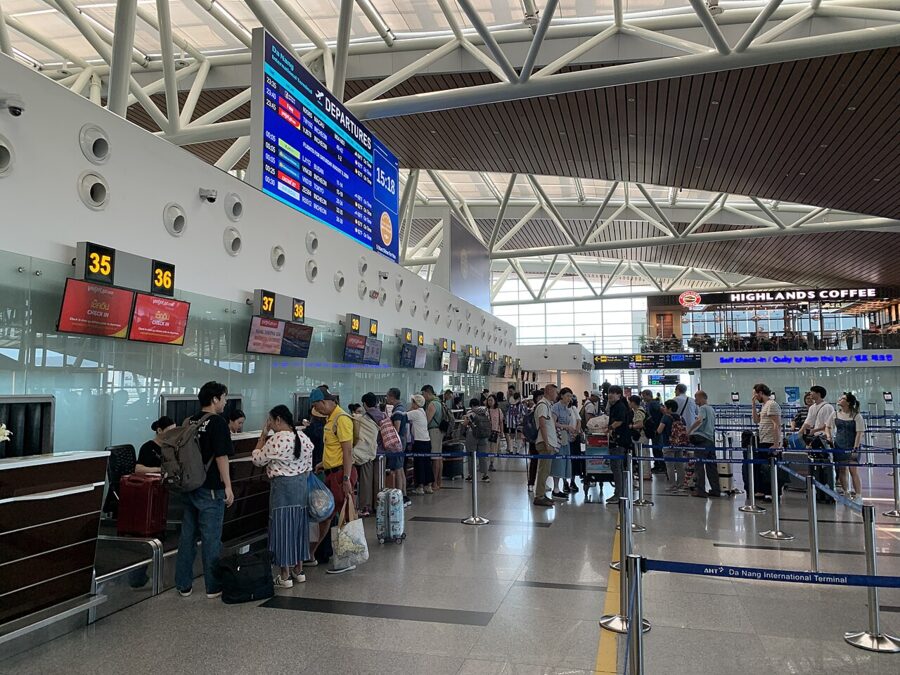
Da Nang’s international terminal is a separate building from the domestic one, and the smallest of the three airports here. The desk routine is identical. If you are carrying on by domestic flight, you clear immigration here first, then change buildings.

Leaving
On the way out, the exit desk checks that you are leaving through a gate your visa allows and that you have not overstayed. Keep the e-visa printout until you are through.


Land borders, briefly
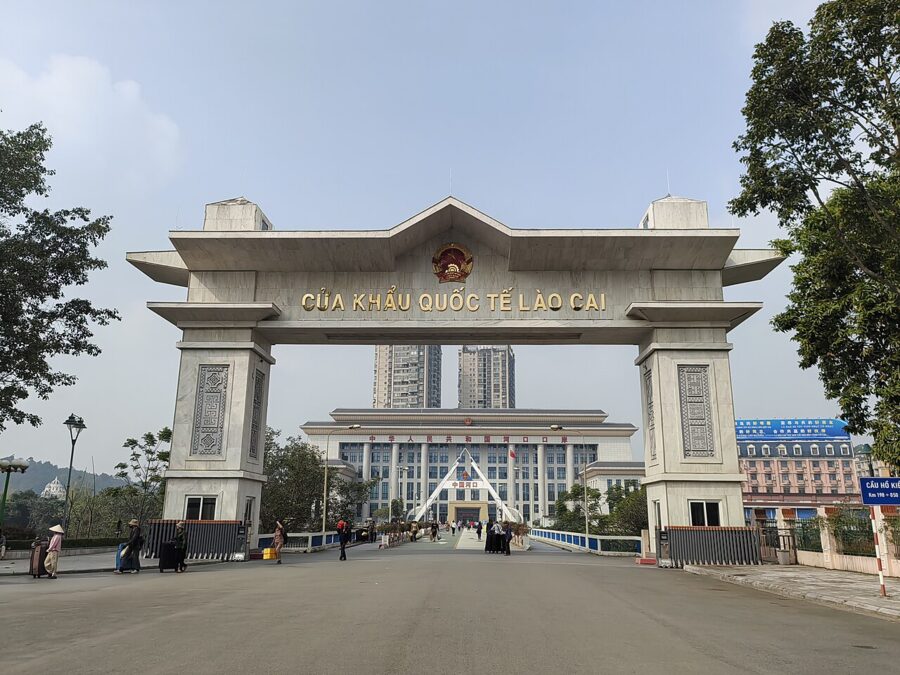
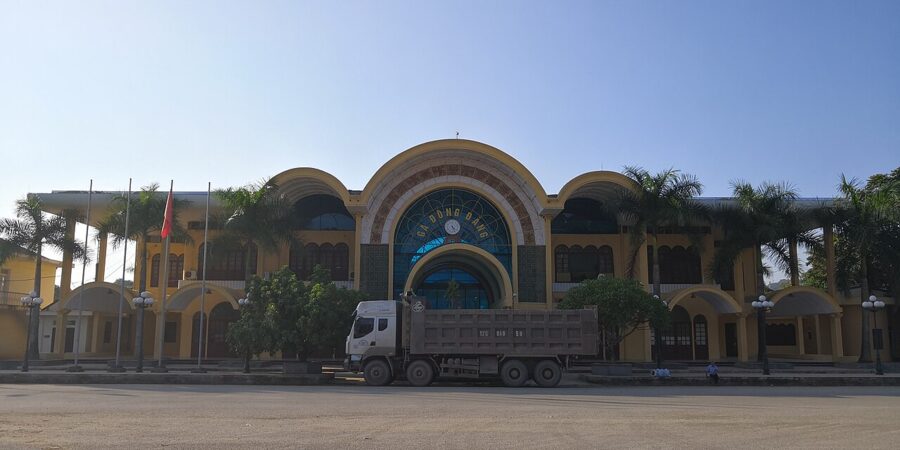
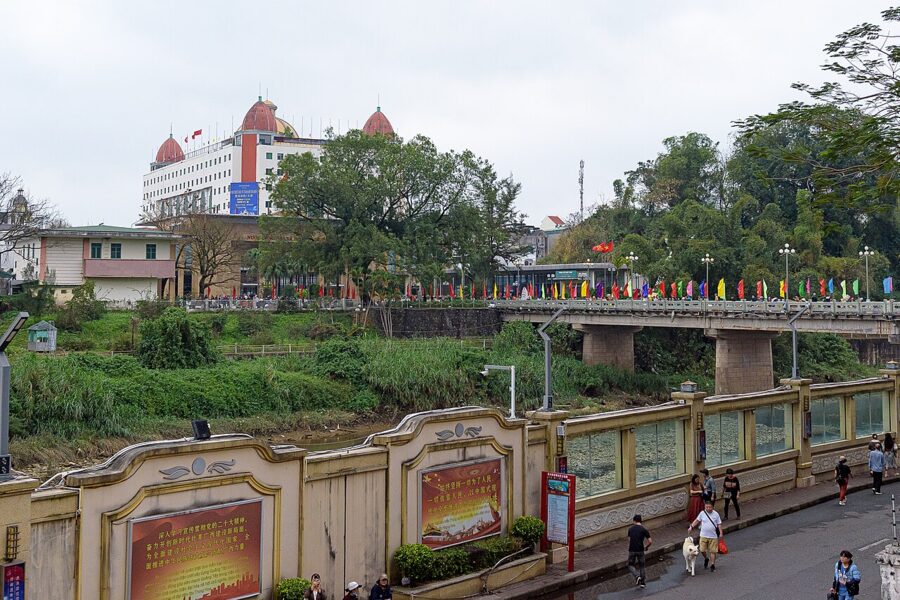
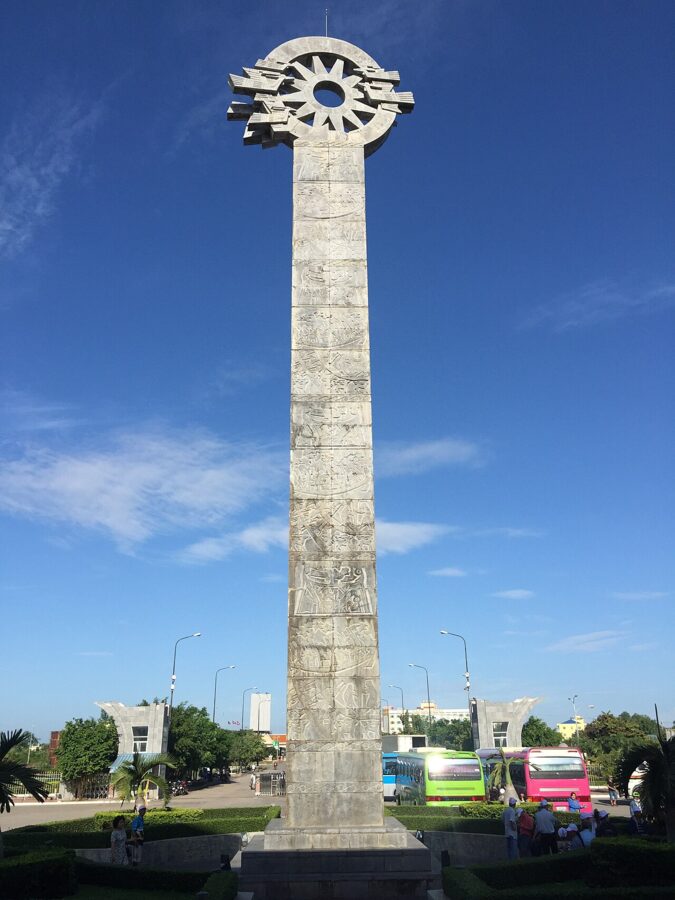
The e-visa works at the main international land crossings: Huu Nghi, Mong Cai and Lao Cai on the Chinese border; Moc Bai and Xa Mat towards Cambodia; Lao Bao, Cau Treo and Nam Can towards Laos. Resolution 389 of December 2025 added the Dong Dang and Lao Cai railway border gates for anyone arriving by international train. Name the crossing as your entry gate, exactly as you would an airport.


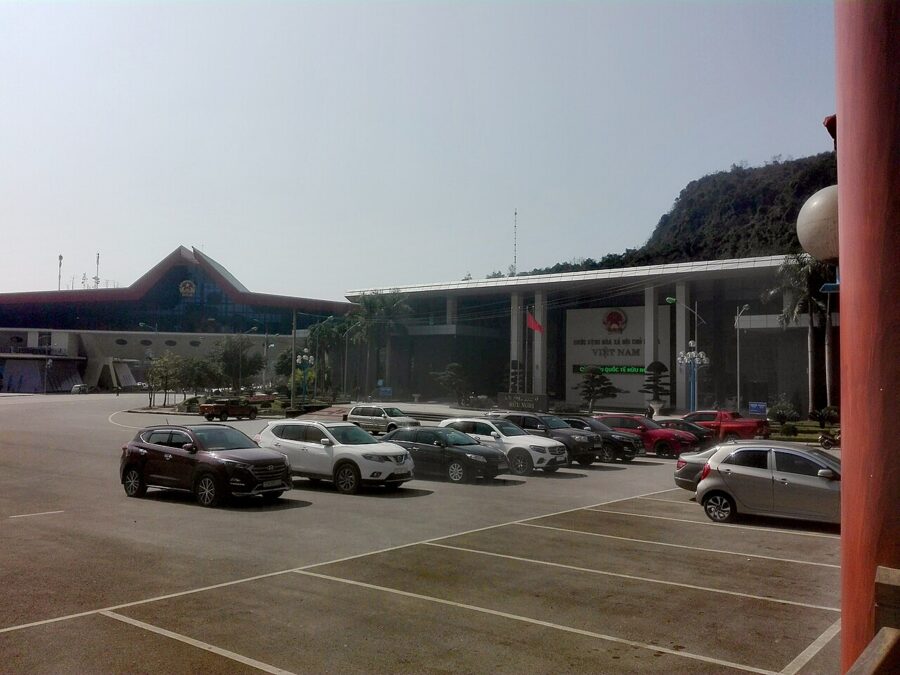

Routing overland from Hong Kong means crossing the mainland first, and the Chinese side has its own paperwork. On a foreign passport that is a China visa from Hong Kong or a visa-free arrangement if your nationality qualifies; Shenzhen’s five-day visa on arrival is valid only in Shenzhen, so it won’t get you to Guangxi. At the Vietnamese counter, show the passport the e-visa was issued against.


Visa on arrival with an approval letter
The old visa on arrival still exists in law, in narrower form. Vietnam’s entry law allows a visa to be issued at an international border gate in a handful of cases, among them a tour run by a licensed Vietnamese international travel company, and only after the sponsor has had the application approved by the Immigration Department. There is no walk-up visa at the airport.
The sponsor sends you an approval letter, and you pay the stamping fee in person, starting at US$25 for a single entry under the fee table, at the landing-visa counter before passport control. Add the sponsor’s own charge and the queue at that counter, and it is slower, dearer and more fragile than the e-visa. I’d only use it if a tour company arranging your whole trip offers it as part of the package.
Staying longer: extensions and visa runs
There is no button on the portal to extend an e-visa from inside Vietnam. An extension goes through a Vietnamese sponsor, a company or a licensed travel agency, which applies to the Immigration Department or a provincial immigration office on your behalf. For most tourists the realistic options are to apply for the 90-day e-visa from the start, or to leave and come back.
If you apply for a new e-visa while you are in Vietnam, it starts only when you re-enter, so you still have to leave first. A crossing at Moc Bai, or a cheap flight to Bangkok or back to Hong Kong, are the usual ways to do it; check that your passport gets you into wherever you go. Make the new e-visa’s entry gate the crossing or airport you come back through.
Don’t overstay. The UK government’s advice is blunt about it: the authorities can stop you leaving until the fine is paid, and can deport and ban repeat offenders. Fixers in hostels and online groups who offer to “sort” an overstay or extend a visa without your passport are selling trouble.
Your hotel registers you with the local police; that is the temporary residence declaration the law requires of every foreigner. They will ask for your passport at check-in, scan it and give it back. If you stay with friends instead of a hotel, the host has to make the declaration at the local police station.
A checklist to print
Run through this a week before you fly, and again the night before.
- Which passport is each person travelling on? HKSAR: e-visa. BN(O): e-visa on the HKSAR passport, or written advice from the consulate. Foreign passports: check the table above.
- Passport valid for at least six months from arrival, with blank pages and no damage.
- Applied on evisa.gov.vn, the address typed by hand, at least a week ahead and further ahead for holidays.
- Single or multiple entry chosen to fit the trip; US$25 or US$50 paid; application number written down.
- Entry gate matches the airport or crossing on your ticket; exit gate matches the way home.
- E-visa PDF downloaded, checked against the passport (name, birth date, passport number, dates, gate), and printed twice.
- Status checked on the portal’s own search page, not just the email.
- Pre-arrival declaration filled in within three days before landing at prearrival.immigration.gov.vn, QR code saved.
- Return or onward flight and first hotel address on your phone.
- Passport stamp checked at the desk before you walk away.

Tonight’s job is the portal: twenty minutes, one photo, one scan, US$25. Then print the PDF twice and put one copy in the passport, ready for the counter at Chek Lap Kok.